Playtech, the gambling industry’s leading technology company delivering business intelligence-driven gambling software, has announced that Anna Massion has advised the Board that, following the expiry of her three-month notice period, she wishes to step down as a non-executive director of the Company to pursue other opportunities.
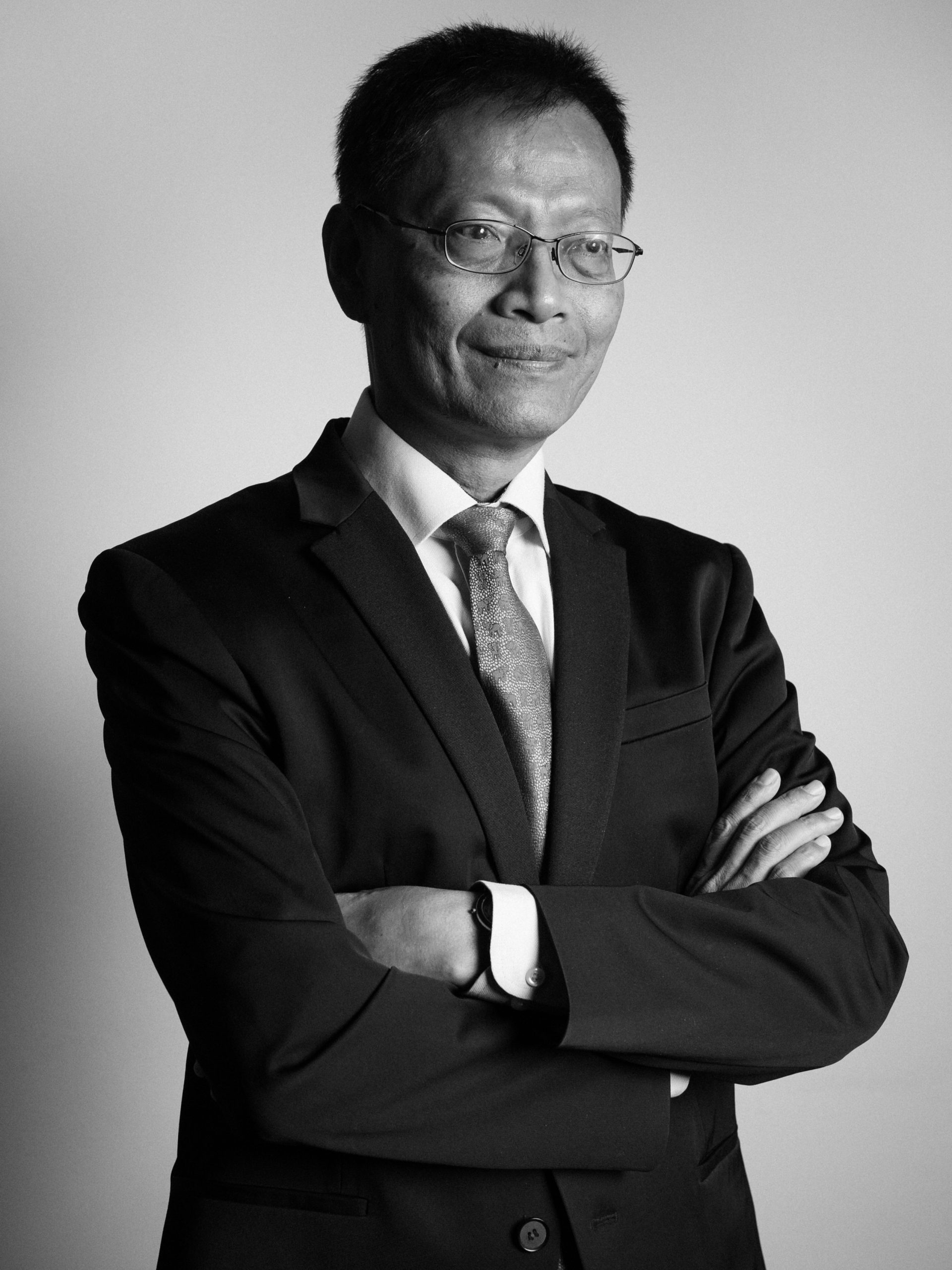
Anna Massion, non-executive director at Playtech
Anna will remain as a non-executive director of the Company until 28 February 2025, and the Company intends to shortly commence a process to appoint a new non-executive director to the Board.
Brian Mattingley, Non-executive Chairman, said: “On behalf of the Board, I’d like to express our sincere thanks to Anna for her valuable contribution since being appointed in 2019. She has shown the utmost commitment and dedication during a period of significant change for the Company, which this year alone has included the proposed sale of Snaitech and record sets of results. We wish her all the best in her future roles.”
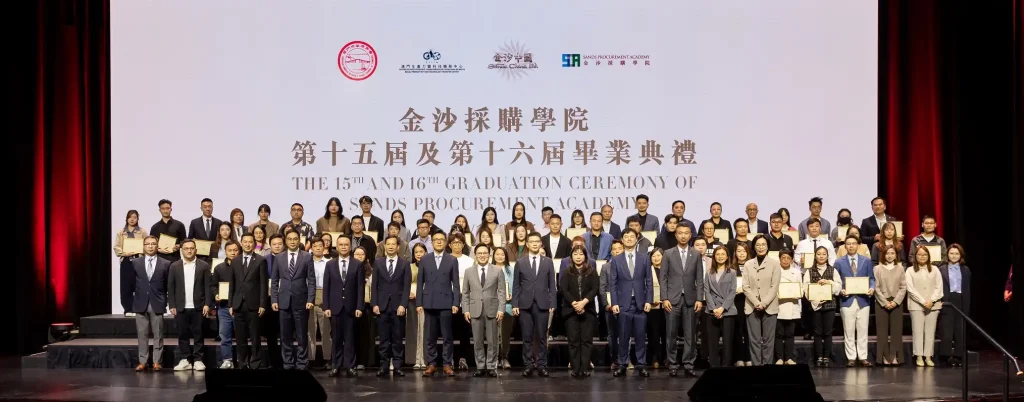
Sands China honored some of its most outstanding suppliers at the Sands Supplier Excellence Awards Tuesday at The Parisian Macao. The awards were part of a joint event where Sands China also recognized the 15th and 16th cohorts of local SMEs graduating from its Sands Procurement Academy training programme.
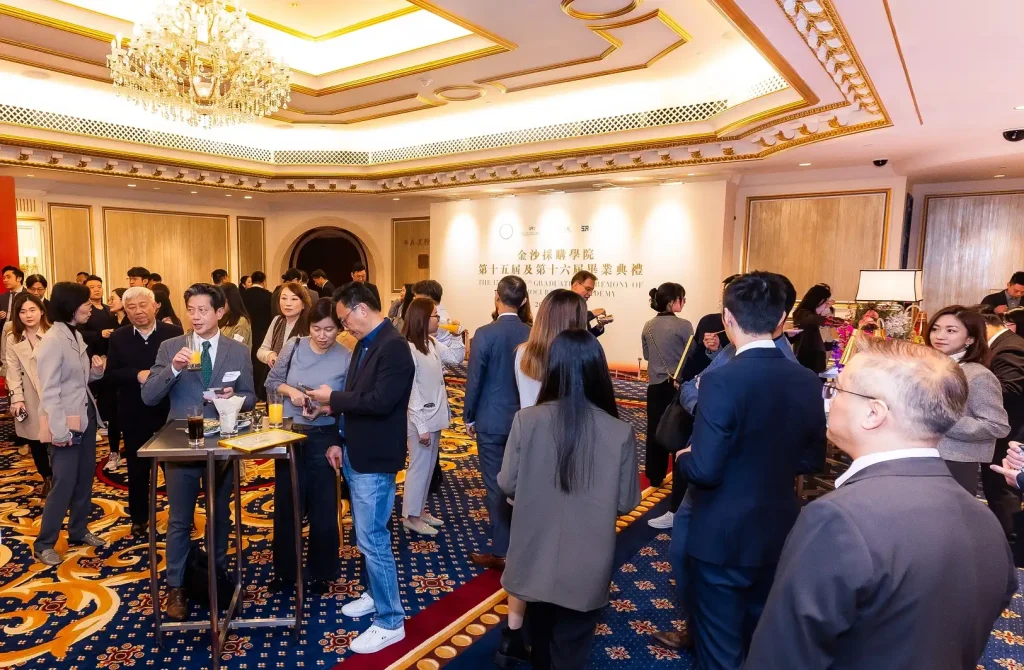
The event highlighted some of the success stories of Sands China’s ongoing partnerships with its local SME suppliers and held a cocktail and business networking session to connect local SME suppliers with representatives from various Sands China departments, including the procurement and supply chain team.
Sands Supplier Excellence Awards
An annual initiative of Las Vegas Sands Corp., the Sands Supplier Excellence Awards acknowledges the cooperation and services of some of Sands’ most noteworthy suppliers worldwide. A judging committee composed of Sands China executive management selects Macao’s award winners each year.
At Tuesday’s ceremony at The Parisian Theatre, Sands China awarded seven winners:
Corporate Culture & Sustainability:
Linyi Standard Textile Trading Co. Ltd.
Innovation & Creativity:
Filament Limited
Cost Management:
Kei Chong Construction and Engineering Company Limited
Quality Management:
Bright Elite Gourmet Company Limited
Project Management:
Pat Davie (Macau) Limited
+Service Excellence:
TCC Carpets
Small/Medium Enterprise (SME):
CMC Trading Engineeering (International) Limited
Sands Procurement Academy Graduation
Sands China recognized 73 local SMEs for completing the Sands Procurement Academy training program. Since the academy was founded in 2017, a total of 602 suppliers have enrolled and 559 have graduated, including Tuesday’s group.
The Sands Procurement Academyis a component of Sands China’s Local Small, Medium and Micro Suppliers Support Programme – part of the company’s longstanding support of Macao’s SMEs.
With Sands China holding the academy’s graduation ceremony together at one event with the Sands Supplier Excellence Awards, the graduating SMEs are able to gain encouragement and inspiration by seeing local SMEs among those getting awarded by Sands China as outstanding suppliers.
Co-organised with the Macao Chamber of Commerce and the Macau Productivity and Technology Centre (CPTTM), the Sands Procurement Academy helps local SME suppliers gain experience and capacity for working with large-scale international corporations by sharing practical business knowledge and skills to promote the development of their businesses. It is a first-of-its-kind industry training and is one of eight sub-academies under the Sands China Academy professional development programme.
The academy has been open to all local SMEs in Macao since 2019, after initially targeting a few key categories of local suppliers. This has allowed a broader range of SMEs to benefit from the skills and knowledge offered by the academy’s professionals.
Local SME Success Stories
Sands China also used the opportunity presented by Tuesday’s event to highlight the success stories of some of its local SME suppliers. Since 2016, Sands China has collaborated with local newspapers to publish a series of inspiring stories about SMEs who have forged partnerships and grown together with Sands China.
The 138 stories that have been published reveal how, in the quest for success and self-improvement, local SMEs have elevated their capabilities by working with a large international corporation like Sands China. Dr. Wilfred Wong, executive vice chairman of Sands China Ltd. and Wong Cho Wai, assistant chief editor of Macao Daily News, presented framed copies of the stories that were published in 2024 to the SMEs as souvenirs, congratulating them on their successes.
Dr. Wong said: “On behalf of Sands China, we would like to congratulate all award winners and graduates of the Sands Procurement Academy. For more than two decades, Sands China, as a pillar of Macao’s economy, has been growing together with the community. The Sands Supplier Excellence Awards is not only a recognition of Macao’s suppliers, but also a testimony of our joint efforts and growth.
SMEs account for more than 90 percent of Macao’s registered enterprises and occupy a pivotal position in Macao’s economy. Therefore, our company has always remained unwavering in our commitment to support the growth of SMEs, and adhered to purchasing products and services from them.
In addition, through the Sands Procurement Academy training programme, we comprehensively assist SMEs to continuously equip themselves and enhance their competitiveness in the ever-changing business environment. We are pleased to see the enthusiastic response to the programme over the past eight years. Many graduates have expressed how they have benefited a lot and the results are encouraging.”
Tuesday’s event concluded with the graduates of the Sands Procurement Academy attending a cocktail and business networking session, where they met representatives from various Sands China departments, including procurement and supply chain.
Guests of honour at the joint event were:
Sun Yaohua, director of the Economic Affairs Department of the Liaison Office of the Central People’s Government in the Macao SAR;
Pong Kai Fu, deputy director of the Macao Economic and Technological Development Bureau;
Jack Chang, deputy director-general of the Macau Productivity and Technology Transfer Center;
Sanna Leong, acting senior manager of the Investment Promotion and Commerce Development Affairs Department of the Commerce and Investment Promotion Institute;
Mok Chi Wai, vice president of the Standing Committee of Directors of the Macao Chamber of Commerce;
Wong Cho Wai, assistant chief editor of Macao Daily News;
Dr. Wong; Grant Chum, chief executive officer and executive director of Sands China Ltd.; various Sands China executives; and representatives of local suppliers.
As part of its corporate social responsibility efforts, Sands China has remained committed to procuring locally and helping Macao’s SMEs grow. Sands China has had a total procurement spend of MOP 10.3 billion in 2024 to date, with 29 percent going to local SMEs.
Pragmatic Play, a top content provider in the iGaming sector, has expanded its popular sportsbook offering by introducing football player markets.
The latest update sees player markets, including shots on goal, shots on target, player fouls, player passes, and many more, become available to operators, ensuring a more definitive sportsbook product for operators and a wider range of betting options for their customers.
Football is the most popular sport in the world. Every week, millions of bets are placed on domestic and international games. Many of these bets include specific player markets, which continue to grow in popularity.
The addition of player markets is the latest development to Pragmatic Play’s sportsbook, which covers the entire trading lifecycle from event creation to bet settlement. The product features custom markets, dynamic odds, and risk management across thousands of global sports competitions, underpinned by the latest data from official sources. Operators can also benefit from unparalleled localisation and customisation capabilities, allowing them to tailor the user experience to their brand.
Gareth Crook, SVP of Sports at Pragmatic Play, said: “Betting on the actions of individual football players is fast becoming a key growth area within any sportsbook. Users are starting to favour these types of markets when betting on football over the more traditional football markets and it was important for us to add this latest product to our football offering. Pragmatic Play sports clients can now enjoy access to a full range of player markets across multiple football competitions globally.”
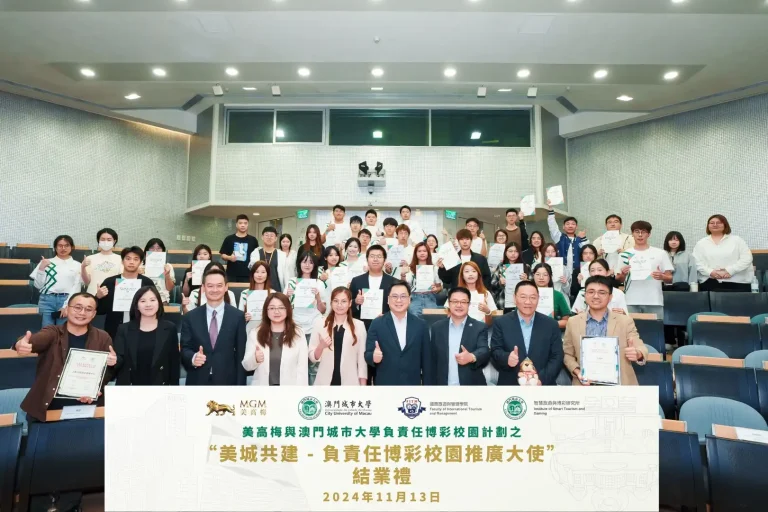
MGM joined forces with the City University of Macau (CityU) to organize the “Responsible Gaming Campus Ambassador” Program from September to November, aiming to promote proper financial management and values among college students.
This program concluded with a certificate award ceremony for nearly 40 ambassadors from various majors such as International Tourism and Management, Social Work and so on.
Han Tian, Executive Vice President of Gaming Operations & Strategic Marketing of MGM, said: “The Macao Youth Policy (2021-2030) strongly emphasizes moral education and healthy living, therefore MGM strives to leverage our strengths to contribute to this field. As the first integrated resorts operator to collaborate with local universities on a sustainable RG promotion program, we signed a memorandum of understanding with CityU earlier this year and rolled out a series of initiatives including this Program to local youths as well as mainland students. We hope that these participants can extend what they have learned to their friends and families, further disseminating RG-related information beyond Macau.”
Robert Chan, Pro-Rector of CityU, said: “The in-depth understanding of proper financial values and RG will not only broaden our students’ horizons but also serve as the foundation for building a harmonious society. After the completion of this Program, we anticipate the ambassadors will become RG advocates and give back to the society.”
The Program is comprised of thematic courses and promotional practice, with the aim to enhance the participants’ sense of social responsibility while improving their communication, organizational and teamwork skills.
MGM and CityU have invited experts in tourism and leisure industry as well as the social service sector to provide courses for the participants, in order to deepen their knowledge.
These courses mainly focused on the tourism and leisure industry’s function and position in the development of the society, gaming industry’s history and development, RG policies, RG’s importance of Macau’s sustainable development, as well as the introduction and prevention of gaming-related issues.
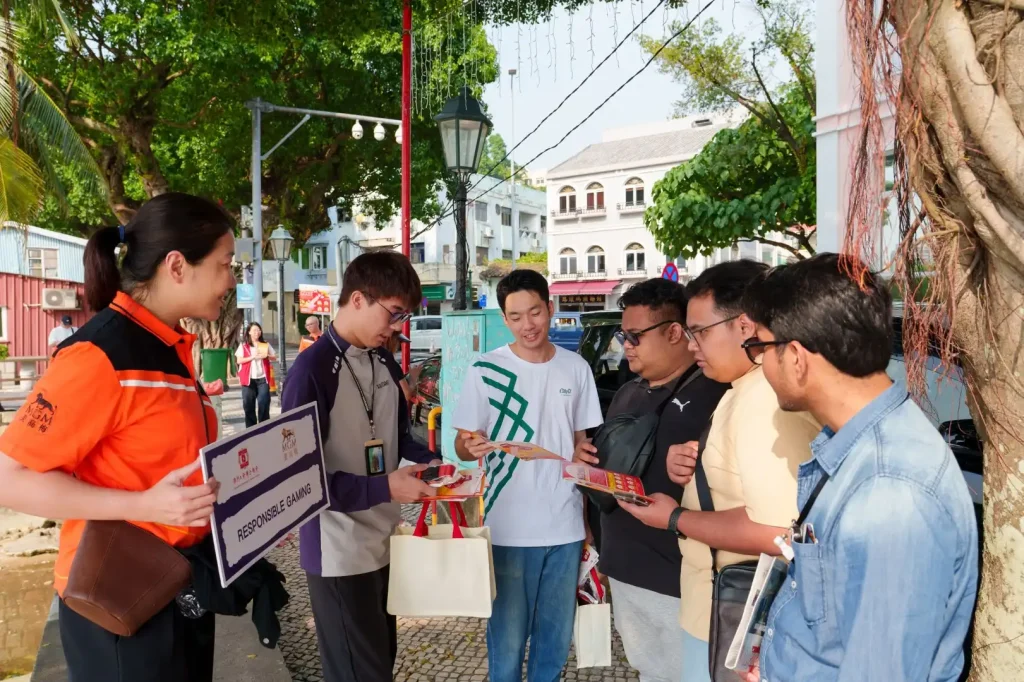
The participants will then need to put theory into practice by organizing RG promotional roadshow on campus, taking part in MGM’s RG promotional activities in local community and more.
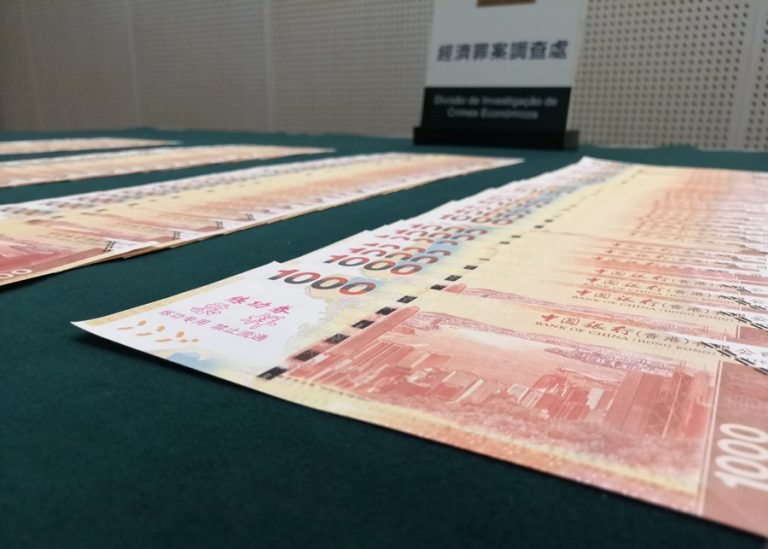
Macau’s Judiciary Police have dismantled a syndicate involved in illegal money exchange activities, arresting 13 individuals during the operation.
The group is accused of conducting over 800 illegal money exchange transactions since the activity was criminalized in the region on October 29th this year, with a total volume of over HK$31.2 million ($4 million).
The crackdown was part of a larger cross-border operation in collaboration with China’s Public Security Bureau. On November 26th, authorities in Macau and 23 provinces in mainland China—including Beijing, Hebei, Guangxi, Hunan, and Guangdong—launched a coordinated operation targeting illegal cross-border money exchange activities.
Mainland police arrested 216 individuals suspected of participating in illegal money exchange schemes, with transaction volumes exceeding RMB 3.5 billion ($483 million).
In Macau, 60 officers from the Judiciary Police were deployed to multiple locations, including hotels in the Macau Peninsula and Taipa, as well as two residential units. The operation led to the apprehension of 13 suspects, including 12 mainland residents and one Macau resident, aged between 32 and 43.
Among those arrested, one individual had overstayed their visa, while another had entered Macau illegally to engage in money exchange activities.
Authorities confiscated over HK$2.7 million ($372,300) in cash, casino chips worth HK$540,000 ($74,462), and 18 mobile phones used to facilitate transactions. All suspects claimed to be unemployed.
Macau’s new Law on Illegal Gambling Activities imposes stricter measures on unauthorized gambling operations, with a particular focus on illegal currency exchange for gambling purposes. Offenders now face penalties of up to five years in prison.
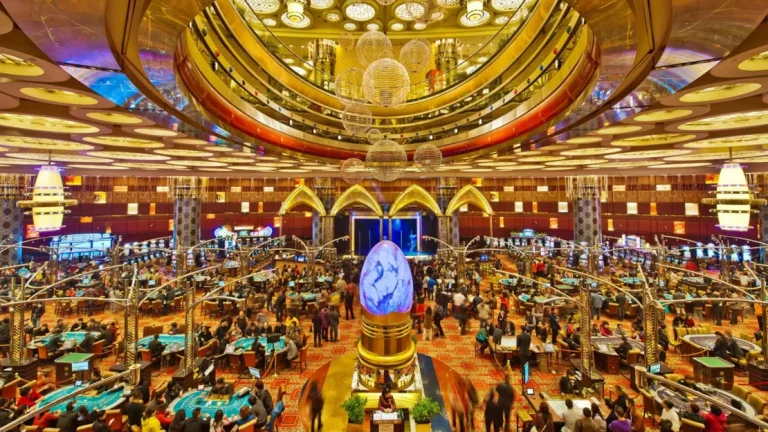
The VIP game in Macau is not dead, it’s just been reclassified. According to gaming expert Ben Lee, premium mass has now embodied the same echelon that was so openly panned by the government, and operators are shifting their focus to accommodate.
Headlining the French Macau Chamber of Commerce event on Wednesday, Ben Lee – Managing Partner of IGamiX Management & Consulting – noted that the whales are definitely returning to Macau.
Ben Lee, Managing Partner, IGamiX Management & Consulting
And operators are adjusting.
The recent focus on re-tooling older and smaller hotel rooms into luxury options has swept the SAR, with all operators understanding the need to get quality over quantity.
But this focus on premium mass still creates an impasse. Macau has been long focused on driving footfall to increase revenue. This model, however, flies in the face of its need for more expenditure per person – ergo its revamp.
But mass can’t be ignored, being still the main driver, as Lee points out, indicating exorbitant hotel room prices as a dam for increased visitation – noting that punters will go to other vacation hotspots such as Thailand if the price doesn’t sit well.
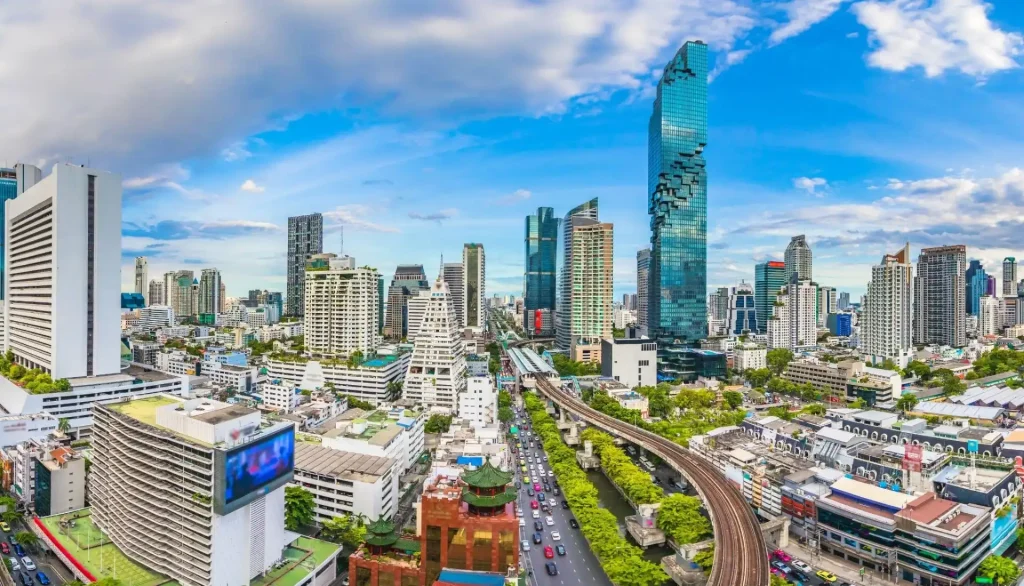
And the burgeoning hot spot, Thailand – expected to surpass even Singapore in GGR – is hot on the agenda.
“They expect to pass their gaming law by May of next year. Assuming that takes place, there’s three to five years to build a resort. They could considerably be up and running before Japan opens,” indicates Lee.
The expert predicts that yearly gross gaming revenue of up to $10 billion is not off the table for Thailand once it’s fully ramped up.
And the Asian market doesn’t need to be threatened by other movements worldwide.
The UAE’s venture into gaming might not actually act as a cannibalization of the current market, given its distance and restrictions.
Lee opines that Asian punters will be looking more closely to home and won’t see the UAE as a primary draw, preferring to focus on the upcoming hubs of Thailand and Japan – while milking the current offerings in Macau, Singapore and the Philippines.
But returning to Macau, high-rolling punters will still be subject to strict visa oversight when trying to enter the territory. Chinese authorities have not relaxed their stance in regards to capital outflows, questioning how some whales are able to gamble so much without access to funds back home.
While Macau is cyclical in its crackdown/recovery eras, it will be interesting to see how the upcoming changes play out, and if money can continue to flow as usefully as it did before to the world’s largest gaming hub.
S&P Global Ratings has revised its outlook on the Philippines from stable to positive, indicating that effective policymaking has led to structural improvements in the country’s fiscal health.
The agency affirmed the Philippines’ long-term sovereign credit rating at ‘BBB+’ and the short-term rating at ‘A-2’, noting that fiscal reforms have increased government revenue as a share of GDP, facilitating public investments that bolster infrastructure and economic growth.
The Philippines’ external position remains robust, the rating agency noted, being characterized by rising foreign exchange reserves and low external debt.
The positive outlook reflects S&P’s improved assessment of the Philippines’ institutional and policy environment, which could enhance sovereign support over the next 12 to 24 months if the economy continues to demonstrate external strength and healthy growth rates.
The agency’s analysis highlights the Philippines’ above-average economic growth potential, supported by strong institutional frameworks and recent reforms aimed at enhancing business conditions.
The country’s GDP growth is projected at 5.5 percent for 2024, following a 6.1 percent year-on-year increase in the first half of the year, although growth slowed to 5.2 percent in the third quarter due to a contraction in agriculture.
The Philippines reported a record PHP285 billion ($5.1 billion) in gross gaming revenue for 2023, up 33.1 percent from the preceding year, while the Philippine Amusement and Gaming Corporation (PAGCOR) predicted it could reach PHP336 billion ($5.7 billion) in 2024.
Inflation has eased compared to 2023, averaging 3.4 percent year-on-year in the first nine months of 2024, down from 6 percent the previous year. This decline has been partly attributed to government measures to lower import tariffs on critical commodities like rice.
The Philippine government continues to prioritize infrastructure development and economic reforms, recently enacting laws to strengthen public-private partnerships and enhance tax incentives for enterprises. These efforts are expected to support economic growth and attract foreign direct investment.
S&P emphasized that the Philippines’ strong external position, with gross foreign reserves reaching a record $111 billion, provides a buffer against economic fluctuations. The country has also seen consistent remittance inflows and stable foreign direct investment, bolstering its economic outlook.
At the same time, the banking sector benefits from a stable macroeconomic environment, with strong liquidity and low exposure to global market volatility. The Bangko Sentral ng Pilipinas has adopted a cautious approach to monetary policy, recently lowering interest rates to support economic recovery.
The ongoing impact of macroeconomic externalities, including record gold prices and lower consumption sentiment in mainland China has impacted the overall jewellerybusiness of Chow Tai Fook Enterprises Limited (CTFE), the group revealed recently.
Chow Tai Fook Jewellery Group Limited reported a revenue decrease of 20.4 percent year-on-year in the six-month period ending on September 30th, totaling HK$39.4 billion ($5 billion).
Chow Tai Fook Group is a Hong Kong–based, conglomerate with holdings in the jewellery, property development, hotel, department store, transportation, energy, telecommunications, port, and casino sectors.
CTFE, the parent company of Chow Tai Fook Jewellery, holds a 25 percent interest in the Destination Brisbane Consortium joint venture holding The Star Brisbane casino license.
In a recent report by its jewellery unit, Chow Tai Fook noted that operating profitability remained robust, with gross profit margin improved by 650 basis points to 31.4 percent, attributed to a better retail like-for-like margin amid surging gold prices and a higher contribution from fixed-price gold products.
In response to fluctuating market conditions, the company proactively optimized its product and pricing strategies, introducing offerings across various value propositions.
Notably, sales of fixed-price gold jewellery demonstrated strong performance, with the sales mix and product RSV in mainland China doubling year-on-year to 14.2 percent during this period.
The company also closed a net of three points of sale (POS) in Hong Kong and Macau during the period under review, maintaining a total of 84 POS.
‘This strategic positioning is expected to drive quality earnings growth moving forward. The company plans to continue reassessing business conditions and evaluating individual store performance to ensure sustained success’, Chow Tai Fook added.
‘Looking ahead, with the Central Government progressively rolling out economic stimulus policies, the Group is poised to enhance its competitive edge and position itself for market recovery. The company remains committed to identifying growth opportunities in both existing and new markets, aiming for sustainable growth in the future’, the group added.
Australian gaming machine manufacturer Ainsworth Game Technology Limited (AGT) is expecting between AU$8 million ($5.19 million) and AU$10 million ($6.49 million) in profits before tax for the second half of the financial year.
This forecast is based on preliminary management estimates and is subject to final period-end closure and audit procedures.
The company has reported an encouraging revenue growth of approximately 12 percent compared to the first half of the financial year, which recorded revenue of AU$121.4 million ($78.83 million).
Growth was observed across all geographical regions, although the digital segment faced initial setbacks due to reduced contributions from Game Account Network Limited (GAN) following the termination of exclusivity agreements.
In conjunction with the trading update, AGT has disclosed a cybersecurity incident that is currently under investigation.
While this incident has caused some disruptions to internal systems and operations, the company has enacted precautionary measures and does not foresee any material adverse effects on its forecasts for the second half of 2024.
AGT anticipates gross margins of around 62 percent for the full year, a decrease from the 67 percent margin reported in the first half. This decline is attributed to several factors, including the product mix in Latin America, competitive market conditions, and the under-recovery of production variances.
Despite these challenges, the company has successfully maintained overhead costs at levels consistent during the period in analysis through effective cost control measures.
Harald Neumann, AGT’s Chief Executive Officer, expressed optimism about the company’s future performance, saying he is “encouraged by the growth in revenue during this period and expect it to continue as we release our next suite of game offerings in global markets”.
“The development initiatives we have undertaken are yielding progressive improvements in game performance, and additional game releases and hardware initiatives are expected to sustain this growth”, he stated.
Galaxy Entertainment Group (GEG) has acknowledged that hotel capacity could become a significant constraint on Macau’s long-term growth. The company is hopeful that further policy breakthroughs will facilitate the development of Hengqin, which could help alleviate some of the current limitations in the hotel sector.
This insight was shared by Goldman Sachs following a roadshow with investors in Singapore earlier this week, featuring Galaxy’s Chief Financial Officer, Ted Chan, and Senior Vice President of Integrated Resorts, Peter Caveny.
Currently, Macau has approximately 48,000 hotel rooms, with 38,000 of them rated four stars or above. This number is only sufficient to meet roughly half of the 80,000 to 100,000 daily inbound visitors Macau has been receiving in recent months. The remaining visitors are primarily day-trippers from Hong Kong or other nearby areas in the Greater Bay Area. In contrast, cities like Las Vegas boast 150,000 hotel rooms, Hong Kong offers over 80,000 rooms, and Singapore has more than 70,000.
Galaxy Entertainment’s management has emphasized that this shortage of hotel rooms underscores the need for more policy support to enhance connectivity and facilitate the construction of additional hotels in Hengqin. Over time, these efforts ‘would require ongoing coordination between Macau and Guangdong’.
In April this year, Hengqin introduced new policies allowing vacant, idle commercial buildings to be temporarily converted into hotels.
According to data from the Multi-Economic Development Research Institute of Hengqin, the average hotel occupancy rate for 2023 was 51.17 percent, reflecting the robust growth of the tourism industry.
During the 2024 Chinese New Year period, 16 key hotels in Hengqin hosted 156,000 guests, with peak-day occupancy reaching 21,000 and room occupancy hitting 97 percent.
Meanwhile, the average occupancy rate for homestays in Hengqin exceeded 80 percent, with some well-rated homestays nearly fully booked, boasting occupancy rates as high as 99 percent.
As of August 2023, Hengqin has more than 8,000 hotel rooms, of which approximately 2,000 are for business or leisure use (apartments). Reports indicate that Hengqin may increase its number of hotel rooms to 100,000 in the future, although no official confirmation has been made regarding the future scale of hotels in Hengqin.
Macau outdoor venue
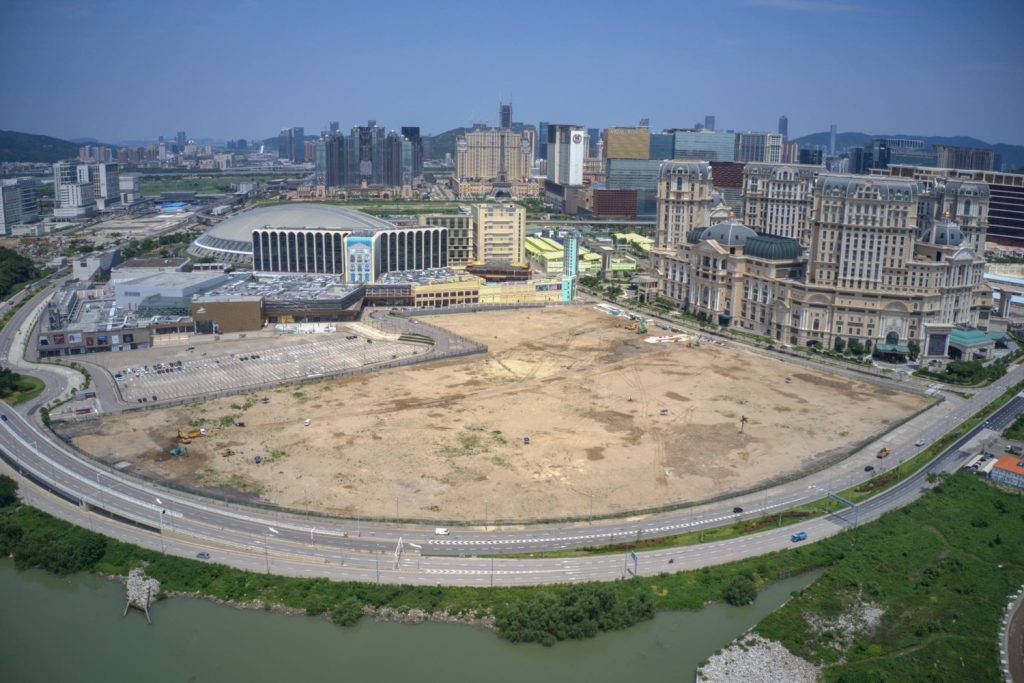
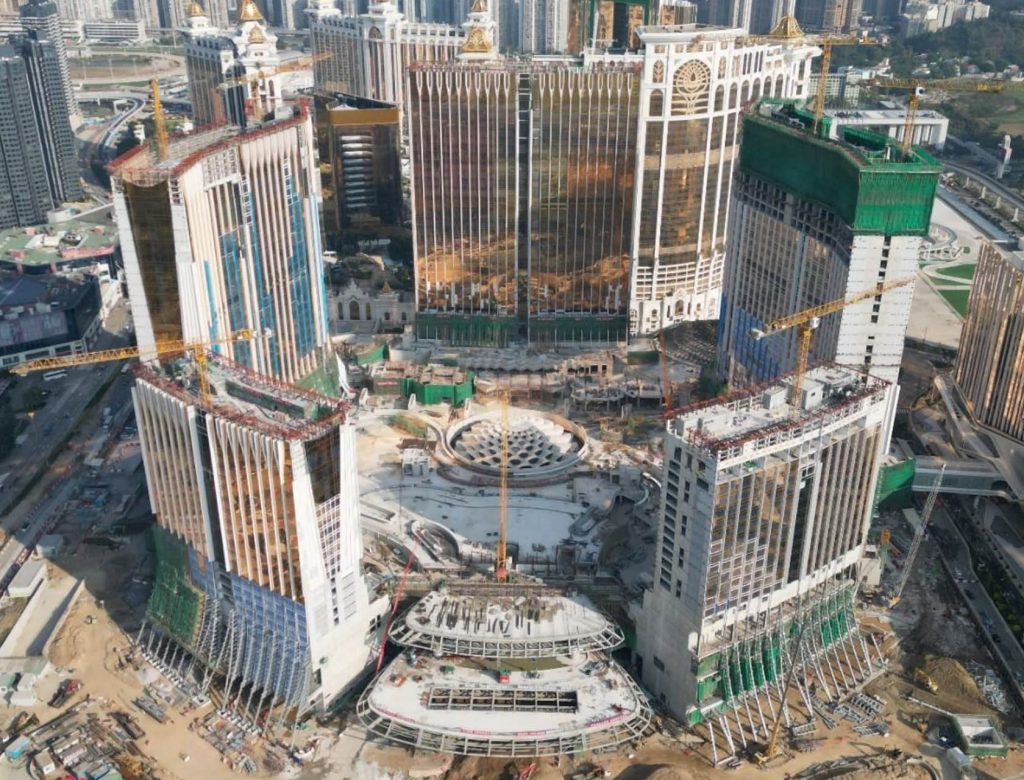
It is also worth noting that Macau is about to open its first 80,000-capacity outdoor concert venue in Cotai, with the inaugural show scheduled for December 28th of this year. Meanwhile, the Macau LRT (Light Rapid Transit) train will soon launch the Hengqin Line, enhancing connectivity between Macau and Hengqin, particularly between Cotai and Hengqin. This will help alleviate traffic issues and improve overall access to the region.
Key challenge for long-term growth
The investment memo from Goldman Sachs also sheds light on the differing hotel room capacity among Macau’s major casino operators. It notes that capacity growth will be a critical driver of future expansion for Macau’s tourism and gaming sectors.
According to analysts Simon Cheung, Alpha Wang, Leah Pan, and Dorothy Wong, the key challenge lies in addressing the insufficient hotel rooms to sustain long-term growth.
‘Galaxy has 85 percent of its hotel rooms comped out. Capacity growth is the key to drive growth further down the road. One of the long-term issues the government needs to address to sustain Macau’s long-term development is insufficient hotel rooms,’ the memo revealed.
Wynn and MGM, on the other hand, are already nearing their capacity limits, with over 90 percent of their rooms already comped out.
The brokerage indicates that these operators have no major new hotel projects in the pipeline, except for MGM’s plan to add 28 villas by the end of fiscal year 2025. This focus on high-end offerings aligns with their strategy of premiumization and capturing the luxury market segment.
Galaxy, however, is in a more favorable position when it comes to hotel capacity. With 85 percent of its rooms already booked, the company plans to add 100 ultra-luxury Capella suites in mid-2025. This expansion will enhance Galaxy’s ability to compete in the high-end market.
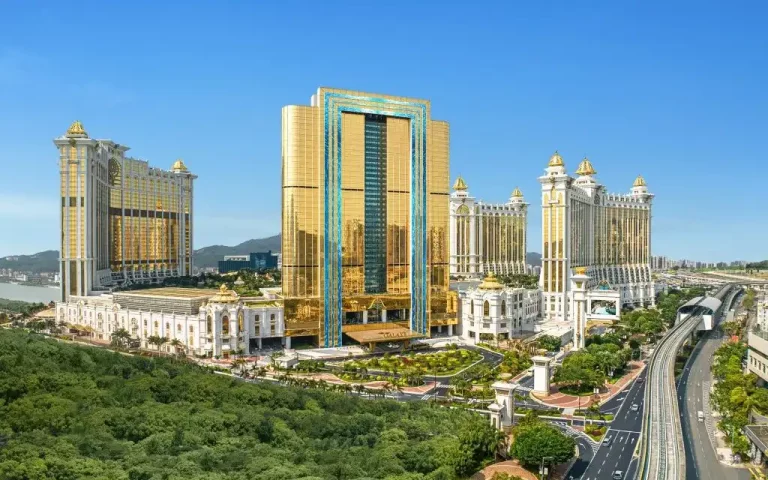
In the medium term, Galaxy has plans to expand further with the addition of Phase 4, which will introduce 1,500 rooms under six different hotel brands. The company is also considering redeveloping its Broadway property, which currently has 320 rooms, by adding up to 1,000 more rooms.
Galaxy’s management believes that ‘having a variety of hotel brands across different segments will help enhance Galaxy Macau’s attractiveness as one of the “must-visit” properties in Cotai’.