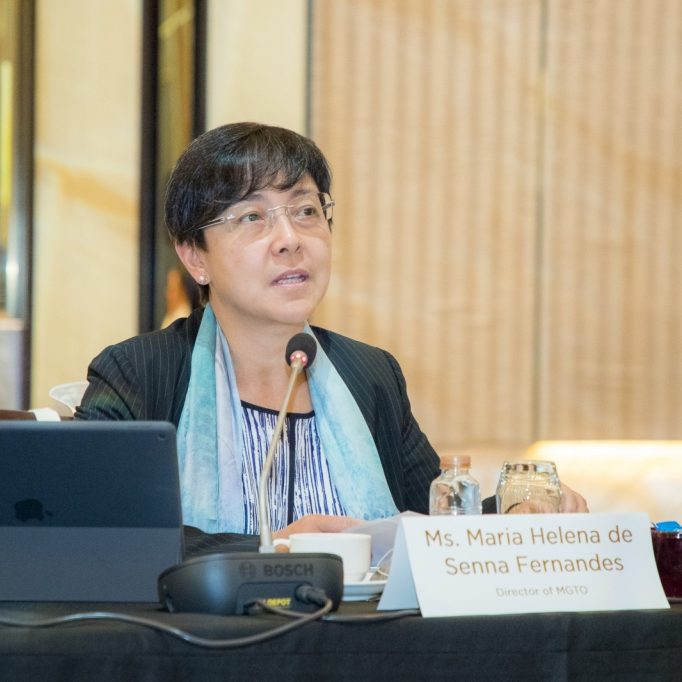
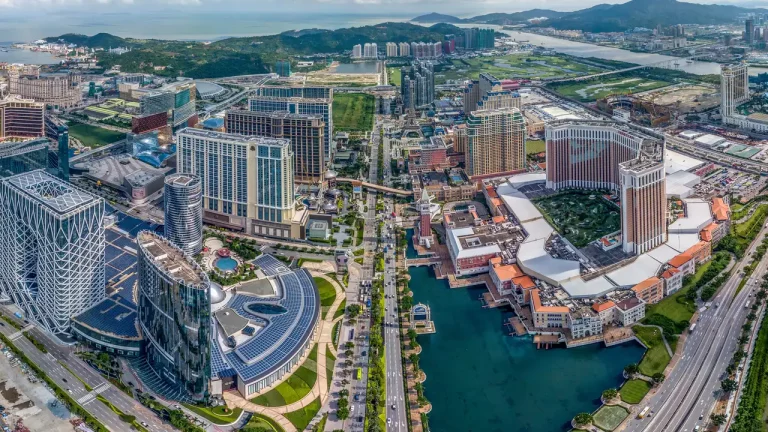
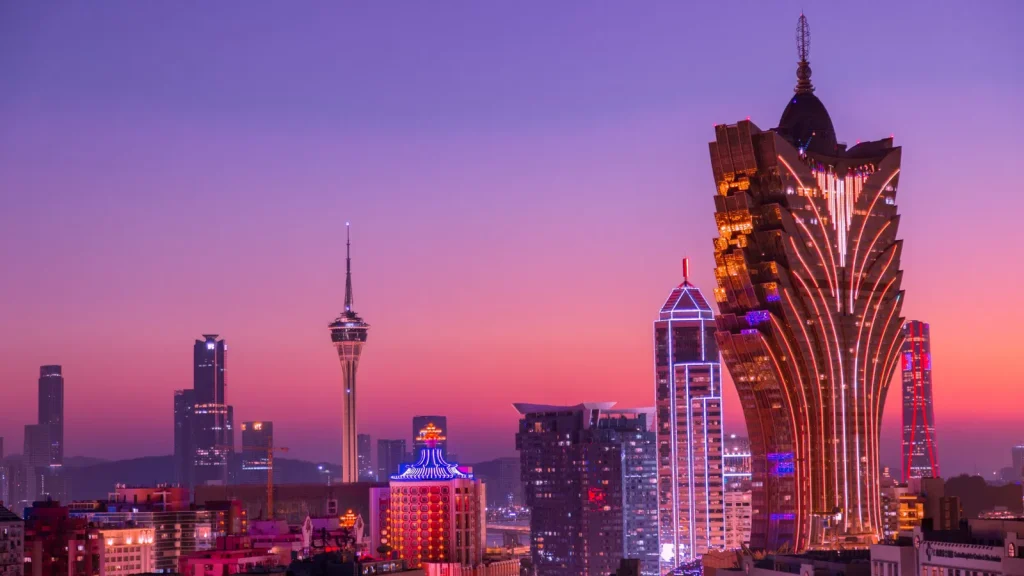
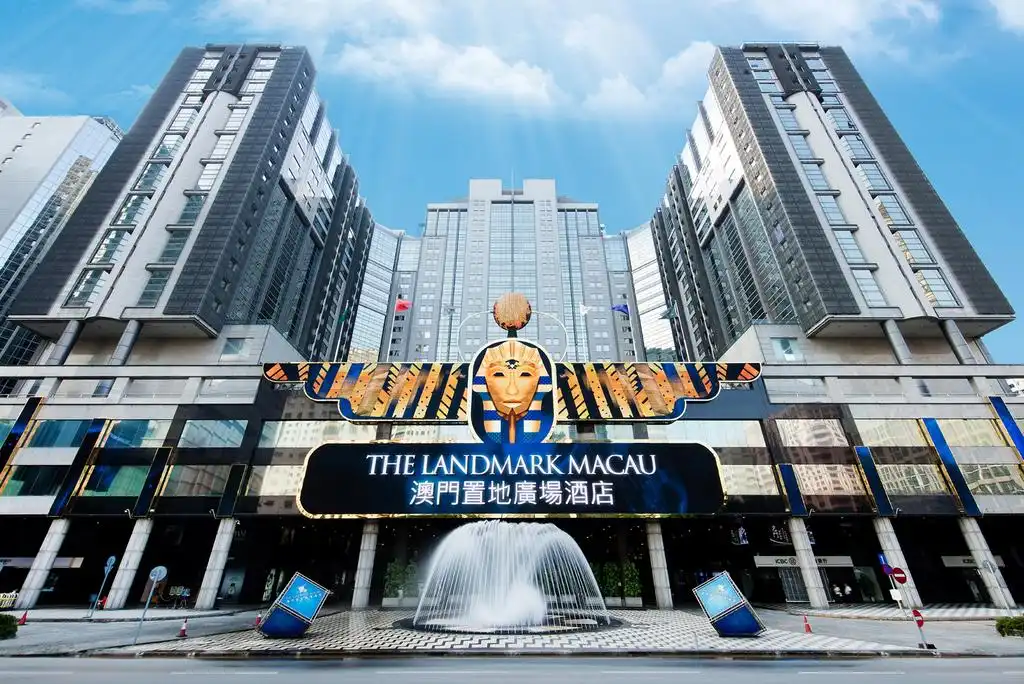
Helena de Senna Fernandes, Head of the Macao Government Tourism Office (MGTO), confirmed that the newly implemented visa policy for residents of neighboring cities has already had a positive impact on Macau’s visitor numbers.
Helena de Senna Fernandes, Director at MGTO
The official revealed that from January 3rd to 5th, 2025, the daily visitor arrivals remained above 100,000. She believes that these encouraging numbers are a result of the new, eased visa policy.
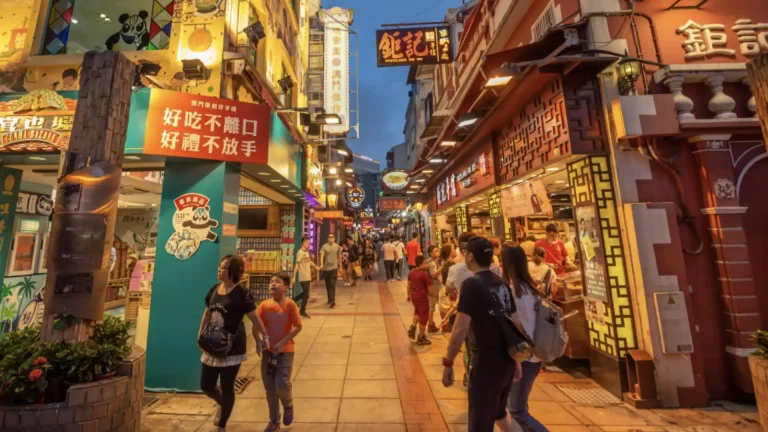
Looking ahead to the Lunar New Year holiday, Fernandes expects a significant influx of mainland Chinese visitors coming to Macau for shopping and festivities. The MGTO plans to carry out extensive promotional efforts and guide visitors to various districts to help distribute consumer spending.
Starting January 1st, 2025, the new visa policy allows Zhuhai residents to apply for a travel permit to visit Macau once a week, while Hengqin residents can apply for a multiple-entry visa. This policy marks a pioneering move, as it is the first time Chinese authorities have allowed a multiple-entry visa for tourism to Macau. It is also seen as a “gift” to celebrate the 25th anniversary of the establishment of the Macau Special Administrative Region (SAR).
In addition, Fernandes shared that the authorities are currently reassessing the expected number of mainland tourists for the upcoming Spring Festival. Efforts are underway to extend the festive atmosphere beyond the Lunar New Year into the Lantern Festival, with activities such as flower parades and fireworks displays being organized to attract more visitors.
Looking beyond the Chinese market, Fernandes mentioned that the MGTO will continue to work on attracting international visitors. The goal for 2025 is to welcome 3 million international tourists.
She also revealed that the MGTO will promote Macau through various international platforms, including attending a tourism fair in Spain next week, hosting promotional events in the UAE and Saudi Arabia next month, and later traveling to Japan, South Korea, Malaysia, Thailand, and Indonesia for roadshows.
The Supreme Court of India temporarily halted, last Friday, Goods and Services Tax (GST) show-cause notices amounting to Rs1.12 trillion ($13.5 billion) issued to online gaming companies.
According to a Business Standard report, the court has ordered the suspension of all proceedings related to these notices until a definitive resolution is reached. It has also instructed the consolidation of cases involving multiple gaming companies, with the next hearing scheduled for March 18th, 2025.
The dispute centers on the interpretation of GST applicability to online gaming. The government argues that a 28 percent GST should be levied on the total entry fee for contests, effectively taxing the entire prize pool. In contrast, gaming companies assert that GST should apply only to their platform fees or commissions, noting that many games are skill-based rather than chance-driven.
Saurabh Agarwal, Tax Partner at EY, stated that the upcoming final hearing in March will be crucial in shaping the regulatory framework and ensuring a fair and transparent taxation system for the industry.
Agarwal also highlighted that the Supreme Court’s decision to stay proceedings on the notices from the Directorate General of GST Intelligence (DGGI) is a significant development for the online gaming and casino sectors. He emphasized that this move underscores the need for legal clarity and due process, especially in industries undergoing rapid growth and regulatory change.
Following the decision, Indian gaming company Delta Corp stocks surged by about 17 percent after the Supreme Court issued a stay on the GST demand.
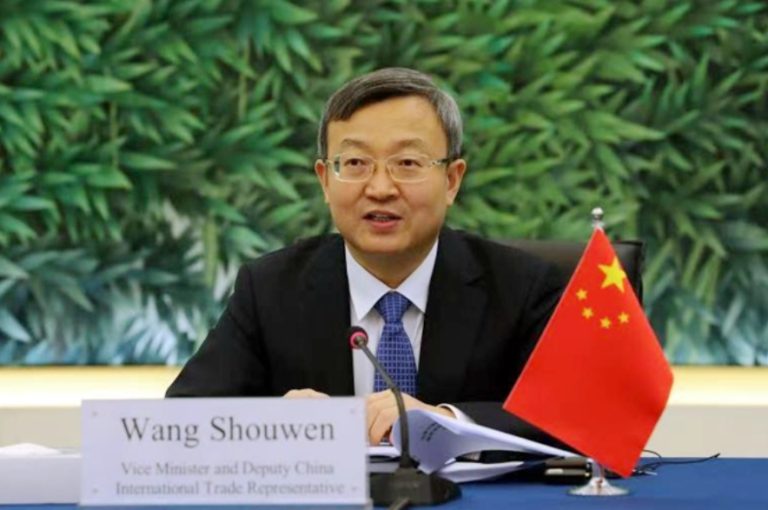
China’s Vice-Commerce Minister Wang Shouwen extended an invitation to foreign businesses to partake in the country’s economic growth, after a meeting with Robert Goldstein, chairman and CEO of Las Vegas Sands Corp.
According to Xinhua, in a meeting held on January 8th, Wang highlighted the potential for collaboration with the United States as the incoming Trump administration prepares to take office on January 20th.
During their discussion, which covered a range of topics including the state of China-US trade relations and Las Vegas Sands’ expansion plans in China, Wang reaffirmed the government’s commitment to enhancing the institutional framework for foreign investment.
“We encourage foreign businesses, including Las Vegas Sands Corp, to seize the opportunities present in our market,” he stated.
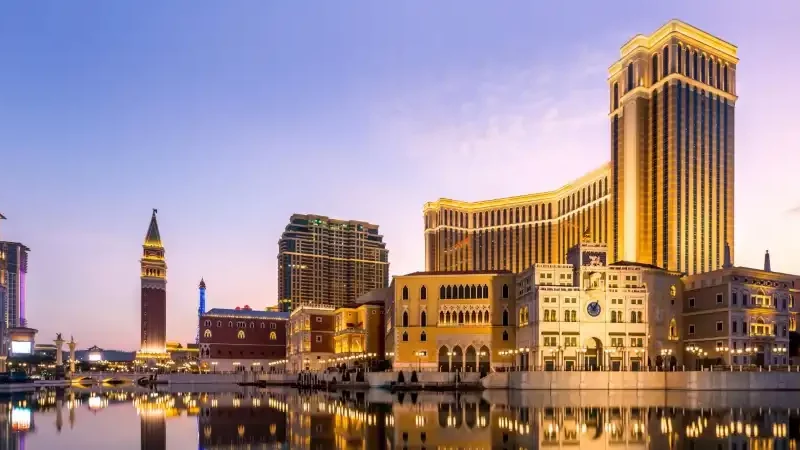
LVS owns and operates Sands China, one of the six gaming operators authorized to operate in Macau, the only Chinese city where gaming is legal.
The Venetian Macao, Sands China
The gaming group previously had to navigate tense geopolitical tensions between the first Trump administration and the Chinese government, with the group’s late founder Sheldon Adelson and his wife known as the largest private donors to Trump’s electoral campaigns.
A recent report by Deutsche Bank, argued that geopolitical concerns, including US-China relations in the new Trump administration, would have little impact on the Macau gaming sector.
The Xinhua report stated that Goldstein echoed these sentiments, noting that the cooperation between the world’s two largest economies could yield benefits not just for China and the US, but for the global economy as a whole.
He expressed Las Vegas Sands’ intention to increase its investment in China, aiming for mutually beneficial outcomes.
This meeting aligns with the goals set forth during the third plenary session of the 20th Communist Party of China Central Committee, which laid out comprehensive plans for a high-standard opening up of the Chinese economy.
The Financial Times recently reported that China’s President Xi Jinping will send a high-level envoy to Donald Trump’s inauguration, in an unprecedented move designed to reduce friction between the countries at the start of the new US administration.
Soft2Bet, a leading B2B turnkey solutions provider, has released its 2024 Growth Report today. The report highlights remarkable financial and compliance success, product innovation, industry recognition, and forward-thinking insights from key executives and iGaming experts.
In 2024, Soft2Bet reported doubled EBITDA year over year and a significant increase in consolidated group revenue. These milestones reflect Soft2Bet’s expansion and strengthened presence in regulated markets, as well as industry-leading product innovation and credibility on a global scale.
Market Expansion
In 2024, Soft2Bet expanded its global presence by securing licenses in several key regulated markets. The company entered Ontario and Mexico with B2C licences and expanded in Sweden with three new B2C licenses. The company also obtained B2B licenses in Greece and Romania and additional licences in Sweden.
Looking ahead, Soft2Bet made significant headway in entering the U.S. market, focusing on New Jersey, aligning with its goal to expand in North America’s rapidly growing iGaming sector. Additionally, a planned expansion into Spain will further cement its European leadership, particularly in online sports betting and casino gaming.
Also, in 2024, Soft2Bet finalised two major turnkey deals in Mexico and Nigeria while also securing our first MEGA partnership with a leading European operator.
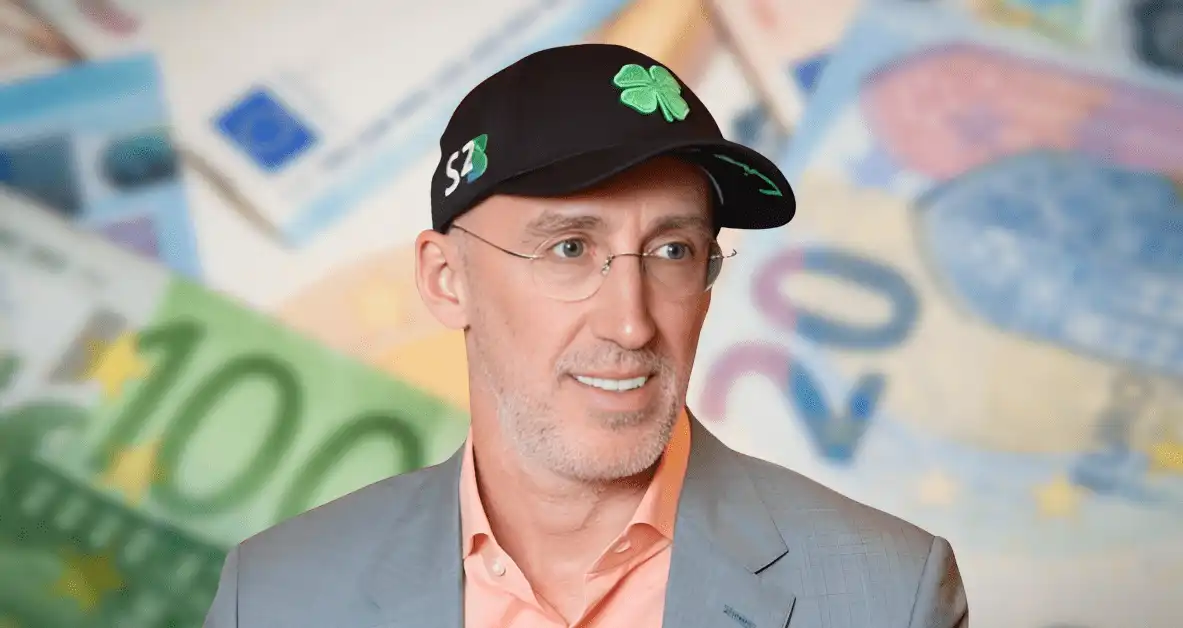
“At Soft2Bet, we have redefined traditional gamification through our leading MEGA solution driving player engagement. This cutting-edge strategy has significantly impacted our brand’s performance, received industry recognition, driven sustainable revenue growth, and showcased stronger ROI while successfully expanding into new markets,” stated Uri Poliavich, Founder and CEO of Soft2Bet.
Uri Poliavich, CEO, Soft2Bet
Financial Performance
The principal activities of the Group remained unchanged from prior years. Soft2bet retained its trajectory to capitalise on what was established in previous periods, primarily the continuous expansion of its licensed footprint across new markets within Europe and beyond. At the same time, its innovative B2B product offering demonstrated once again its superior quality and effectiveness across the industry. All this is visible in the unaudited consolidated numbers for 2024. Based on accurate forecasts, Soft2Bet 2024 consolidated EBITDA is projected to double the amount of the prior reporting period.
Product Innovation and Development
Soft2Bet’s financial growth in 2024 was driven by enhancements to its Motivational Engineering Gaming Application and the launch of AI-driven tools that personalise game recommendations and promotions. MEGA became available as a standalone solution, allowing operators to implement gamification and advanced retention tools. This resulted in a 65% increase in Net Gaming Revenue (NGR), a 45% rise in Average Revenue Per User (ARPU), and a 50% boost in deposit amounts. Additionally, Soft2Bet’s platform facilitated rapid scaling and development while maintaining sustainable growth.
Industry Recognition
This relentless drive for innovation and expansion propelled Soft2Bet’s commercial success and earned the company industry-wide acclaim. In 2024, Soft2bet secured 38 award nominations—a 322% increase from 2023—and 10 accolades highlighting product innovation (a 233% increase).
Corporate Social Responsibility (CSR)
Soft2Bet’s commitment to Corporate Social Responsibility (CSR) drove nine initiatives this year, including blood drives, breast cancer awareness sessions, community cleanups, and village revitalisation projects. The company donated over €821,000 to seven NGOs and supported 34 organisations and donors.
Industry Contribution
In September 2024, Soft2Bet Invest was recognised for “Outstanding Contribution to the Gaming Industry 2024” as a company that significantly impacts the industry through technical innovation, mentoring and investment. Today, “Soft2Bet Invest”, a €50 million iGaming Innovation Fund for iGaming and casual gaming entrepreneurs, focusing on AI, UX analytics, and high-margin gaming solutions.
SOFTSWISS, a leading tech provider with over 15 years of experience in iGaming, reveals key takeaways from a recent customer survey conducted by Kantar. The findings highlight the essential features operators prioritise when selecting casino platform software and game hubs.
Lately, SOFTSWISS has shared the needs and expectations of iGaming operators when choosing a software supplier, revealed during a customer survey conducted in November 2024 by Kantar, the world’s leading analytics agency. Digging deeper into the survey results, SOFTSWISS shares specific characteristics vital for particular products.
Importance of Game Performance for Game Hubs
Operators have specific requirements for game hubs. The top 5 most important of them are:
Uninterrupted game performance;
Timely response, and fast resolution of technical issues;
Regular expansion of game offerings and providers;
Integration support and ongoing assistance with the API;
A broad portfolio of providers and games.
The characteristics above are vital for around 90% of iGaming operators participating in the customer survey. The rankings within the top five have shifted, with some characteristics gaining greater importance among respondents compared to the 2023 survey. For example, now, a broad portfolio of providers and games is essential for 89% of respondents, while only 73% pointed it out in 2023.
A fairly high level of satisfaction with the vital characteristics resulted in an overall satisfaction score of 8.1 out of 10 for the SOFTSWISS Game Aggregator. Half of the respondents rated the product 10 or 9. The satisfaction with the customer support service was even higher – 8.4 out of 10. Over half of the respondents indicated that they would recommend the SOFTSWISS Game Aggregator.
Casino Platform Flexibility in Focus
According to the iGaming operators, the top 5 vitalcharacteristics of casino platform software are:
Flexibility of back office settings
Casino infrastructure monitoring and fault tolerance
Marketing and statistical reports
Flexible CRM configuration system
Support of various payment systems
All the parameters above are crucial for more than 80% of respondents, highlighting the importance of flexibility, customisation, and variety. Generally, a customised approach is important not only for casino platform providers but also for a broader audience. It is essential for payment systems, affiliate marketing, gamification, and other aspects of iGaming and entertainment.
iGaming operators highly evaluated the strong characteristics of SOFTSWISS, such as its 24/7 availability and functionality, the ability to create new opportunities for business revenue growth, efficiency and transparency in the process of resolving technical issues, and flexible approach to collaboration terms.
The survey revealed an overall satisfaction index of 7.4 out of 10 for the SOFTSWISS Casino Platform. At the same time, the overall satisfaction with the customer support services was higher – 7.8 out of 10, marking an increase of 0.5 points compared to the 2022 survey results.
Vitali Matsukevich, Chief Operating Officer at SOFTSWISS, summarises: “Creating outstanding products begins with a deep understanding of clients’ needs. The survey highlights the growing demand for flexibility and innovation in iGaming solutions. Operators prioritise comprehensive platforms that support seamless operations, offer robust customisation, and drive business growth. With its focus on top-notch solutions and a collaborative approach, SOFTSWISS solidifies its role as a trusted partner, empowering operators to navigate and excel in the highly competitive industry.”
The SOFTSWISS team is ready to discuss recent iGaming trends and collaboration opportunities at the prime iGaming event of 2025, ICE Barcelona on 20–22 January. Partners and customers can book a meeting at stand 2G42 via the link.
Yggdrasil, a leading iGaming publisher, has obtained a B2B licence from the Danish Gambling Authority (Spillemyndigheden).
The new licence will ensure that Yggdrasil’s engaging content portfolio remains available across the Nordic region following new legislation that came into force on January 1st.
Yggdrasil has been active in the Danish market since 2017, and the new permit grants them the right to collaborate with locally licensed operators until 2029.
Denmark is one of the supplier’s key markets with its diverse portfolio of slots resonating well with local players.
Jose Simon, Chief Commercial Officer at Yggdrasil, said: “We are thrilled to kick-start 2025 with such positive news as Yggdrasil continues to further showcase its presence in key regulated markets worldwide.
“As a brand with proud Scandinavian roots, we are extremely proud and wholly committed to continuing to offer Danish operators and their player base top gaming content of the highest quality.”
Investment bank CLSA forecasts more moderate growth in Macau’s gaming revenue in 2025, with a potential improvement in the growth rate expected in 2026, once Chinese property prices stabilize and consumer confidence picks up in the second half of 2025.
This projection comes amid a shifting narrative for the Macau gaming market, with analysts noting low growth rates following a strong rebound over the past two years post-COVID.
Analysts Jeffrey Kiang and Leo Pan predict that the sector’s gross gaming revenue (GGR) in 2025 will grow modestly by 4 percent year-on-year, reaching $29.3 billion. This forecast is lower than Seaport’s projection, which anticipates 8 percent annual growth.
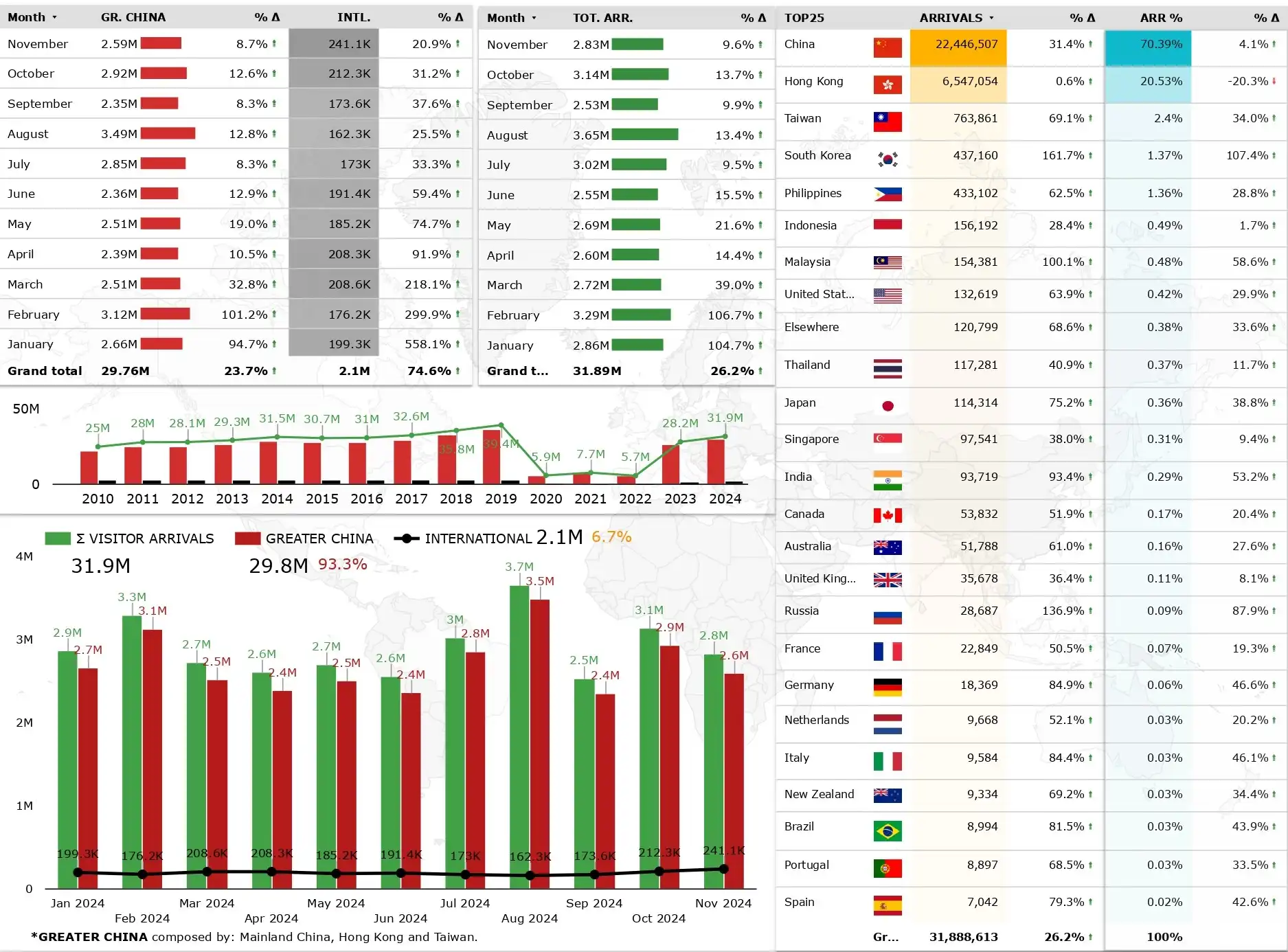
Macau’s annual visitation reached nearly 35 million in 2024, reflecting a 24 percent year-on-year increase and 89 percent of the visitation levels seen in 2019.
For 2025, CLSA forecasts 4 percent year-on-year growth in tourism, bringing the total to 36.4 million visitors. In 2026, a 10 percent year-on-year increase is anticipated, driven by a rebound in mainland China’s property market, bringing visitation to 39.9 million -surpassing pre-COVID levels.
Additionally, the latest investment memo mentions that Macau delivered a seasonally low average GGR per visitor of MOP6,043 ($754) in 3Q24, which is expected to improve to MOP6,345 ($792) in 4Q. The forecast for 2025 suggests minimal growth, with GGR per visitor remaining almost flat at MOP6,483 ($809), followed by a marginal 1 percent increase in 2026 to MOP6,525 ($814) per visitor.
Commenting on the trend, analysts note that Macau’s gaming revenue per visitor has shown a clear correlation with China’s Consumer Confidence Index, which has been tracked monthly by the National Bureau of Statistics. Since Macau shifted toward a more mass-market focus following the anti-corruption campaign in the early 2010s, this correlation has remained strong, even during the years affected by COVID-related restrictions.
As of September 2024, China’s Consumer Confidence Index dropped to near a 34-year low, with a slight improvement in November 2024. ‘This aligns with a plateau in Macau’s gaming revenue per visitor in 2024,’ notes the reporting body. However, the research team believes that as property prices in China begin to bottom out, consumer confidence is likely to recover, with a rebound expected to take place in the second half of 2025.
Dividend payouts to grow
CLSA forecasts the sector’s total dividends to grow by 20 percent year-on-year, reaching $1.5 billion in 2025. This projection is based on the expectation that Sands China and Melco will resume dividend payouts. However, aggregate dividends are still expected to be 60 percent below 2019 levels.
While it remains uncertain whether Macau’s GGR growth will accelerate, analysts see potential for higher dividends in 2025. This is because the overall payout ratio from the free cash flow to equity (FCFE) remains low compared to the sector’s historical levels. Given that the sector’s organic growth has moderated in recent years, CLSA notes that a structurally higher payout would be welcomed by the market and justified. In particular, earnings and cash flow growth are anticipated in 2025.
Meanwhile, the brokerage forecasts the sector’s overall dividend payout (from FCFE) to decline from 45 percent in 2024CL to 36 percent in 2025. This is still well below the 91 percent payout from 2016 to 2019 and is attributed to capital expenditures on new properties, such as Wynn Palace, MGM Cotai, and Parisian Macao.
‘There is room for higher dividend payouts in 2025, as Galaxy is the only concessionaire with new projects coming online, including Capella and Galaxy Macau Phase 4 in 2027,’ the brokerage adds.
Sands China is expected to resume dividend payments in 2025, driven by the completion of Phase 2 of The Londoner Macao in April 2025. This phase, closely linked to existing properties in Cotai, is anticipated to spur a swift ramp-up in operations.
Satellite casino
As the transition period for significant elements of Macau’s current gaming law expires on 31st December 2025, there has been debate about the future of satellite casinos. CLSA notes that the continuation or discontinuation of these casinos will largely ‘depend on their performance rather than any legal consideration’.
Under the current law, satellite casinos are allowed to remain operational after 2025, but only if managed by casino operators, not concessionaires.
The key change will be in the remuneration system: casino managers will be allowed only to collect a ‘management fee,’ with no revenue-sharing arrangements with concessionaires. Additionally, once satellite casinos cease operations, they will not be allowed to reopen.
The 2022 amendments to the gaming law clearly outline that satellite casinos can continue business after 2025 as long as they are operated by casino managers. Satellite casinos are exempt from the requirement to be located on concessionaire-owned properties, meaning acquisitions of these premises by concessionaires are unlikely.
CLSA notes that it remains unclear how the ‘management fee’ will be set for casino managers. However, it is likely that the fee will be tied to satellite casinos’ performance in 2025, with potential adjustments linked to inflation. This could offer a balanced approach for both concessionaires and casino managers.
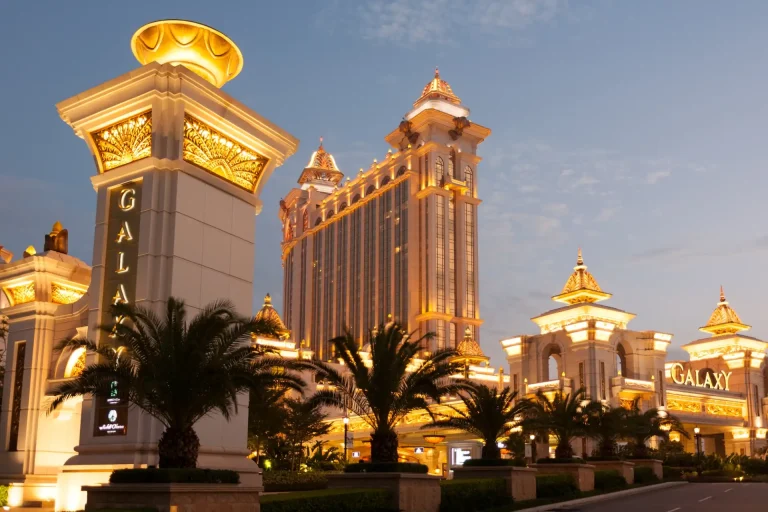
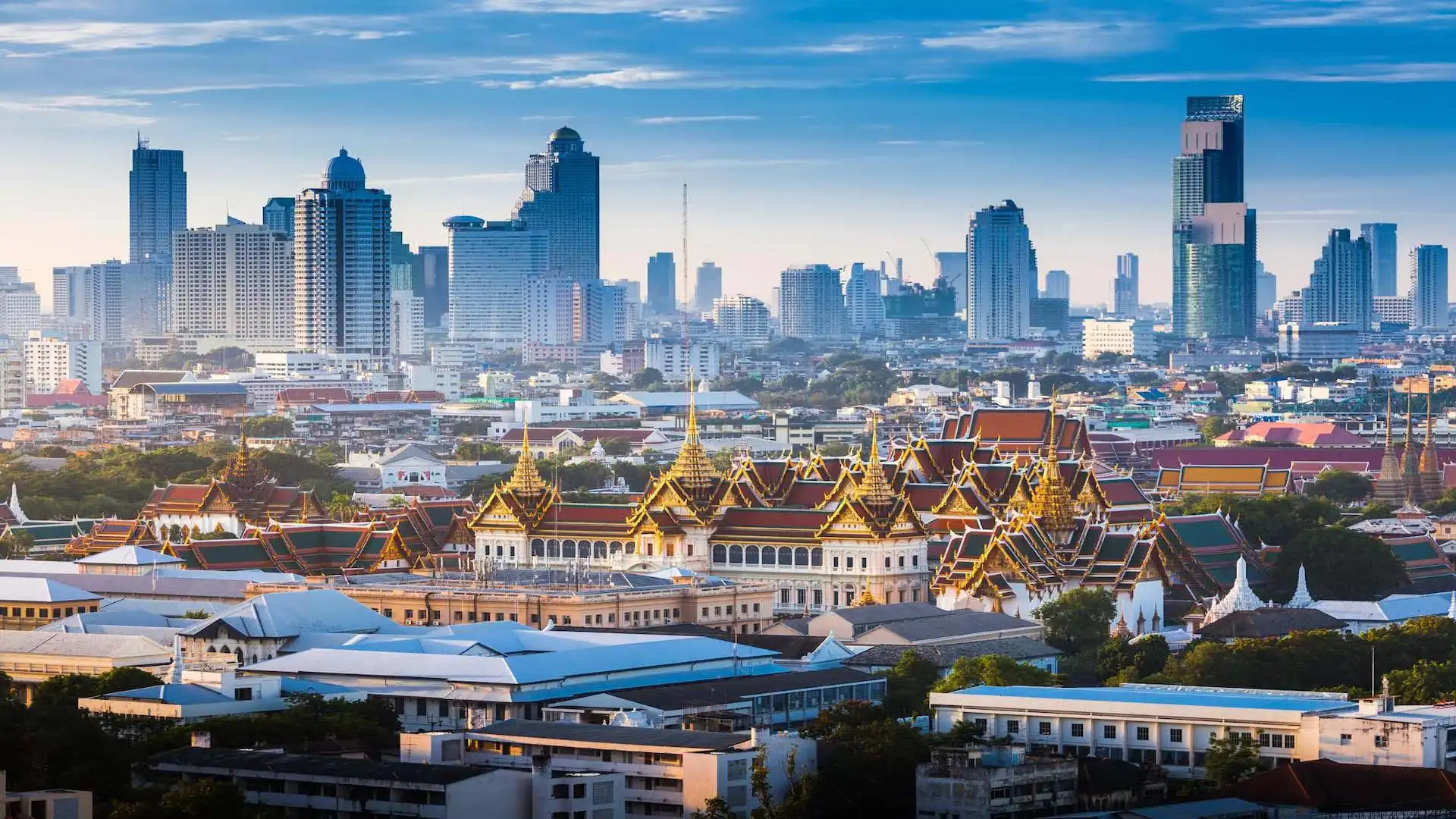
Good morning.Thailand. Just the name evokes happiness. And what more could a punter want. Executives at Galaxy have been quick to seize upon the opportunity, dialing into the bidding process for an IR license even as authorities aim to finalize legislation. Meanwhile, in the Philippines, Belle Corp has finally publicly decided that it’s going to pursue its interests in Clark, lauding its possibilities. And in Macau, mainland Chinese authorities warn of potential misuse of projects in neighboring Hengqin, aiming to steer regional development towards its goals.
The race to Thailand has more than kicked off, with any operator worth their salt, and with the money in pocket, vying for a foothold in Asia’s most exciting new market. Macau’s Galaxy Entertainment Group is no fool either, having already pursued multiple projects throughout Asia. But potentially this could be the one, with the group preparing a Request For Proposal as early as mid this year. But the industry is still waiting on tenterhooks to see what will happen, despite assurances the nation will push through with legalization.
In 2024, 1xBet achieved significant breakthroughs and successes, solidifying its position in the iGaming industry. The brand secured major partnership deals, received prestigious awards, and showcased its innovations at the world’s leading forums.
Altenar, a leading sportsbook provider is bringing its global expertise to Asia, looking to expand its operations. Since 2011, Altenar has powered hundreds of online sports betting sites worldwide and is a major B2B provider in Europe and Latin America licensed markets.
Australia’s Crown Resorts has announced that it has entered into an agreement to sell Crown London to Wynn Resorts.
According to a company release on Friday, the sale is expected to be completed by the second half of 2025.
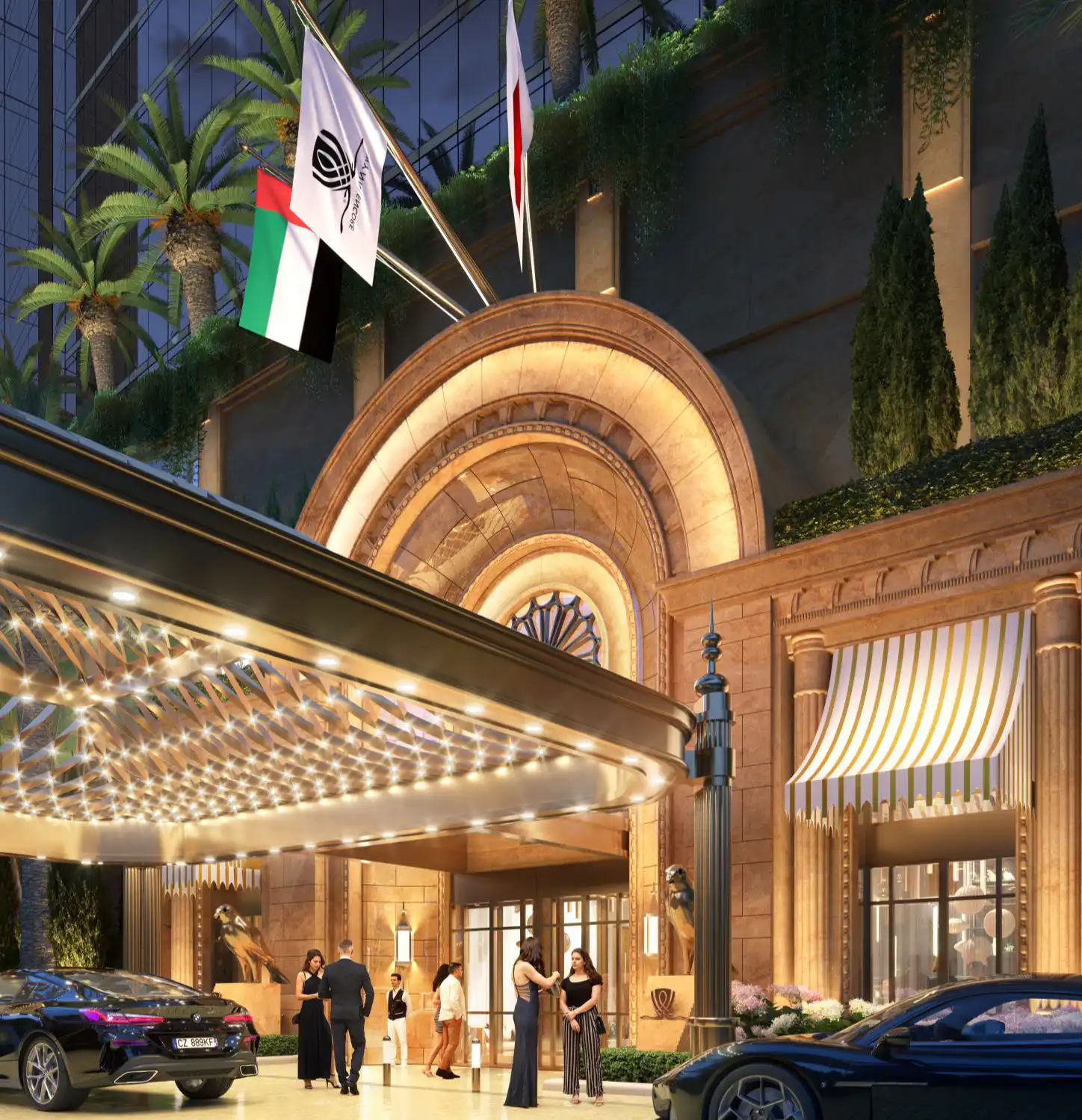
This is just the latest of Wynn Resorts’ international forays, after its investment in the multi-billion-dollar Ras Al Khaimah integrated resort Wynn Al Marjan Island in the United Arab Emirates.
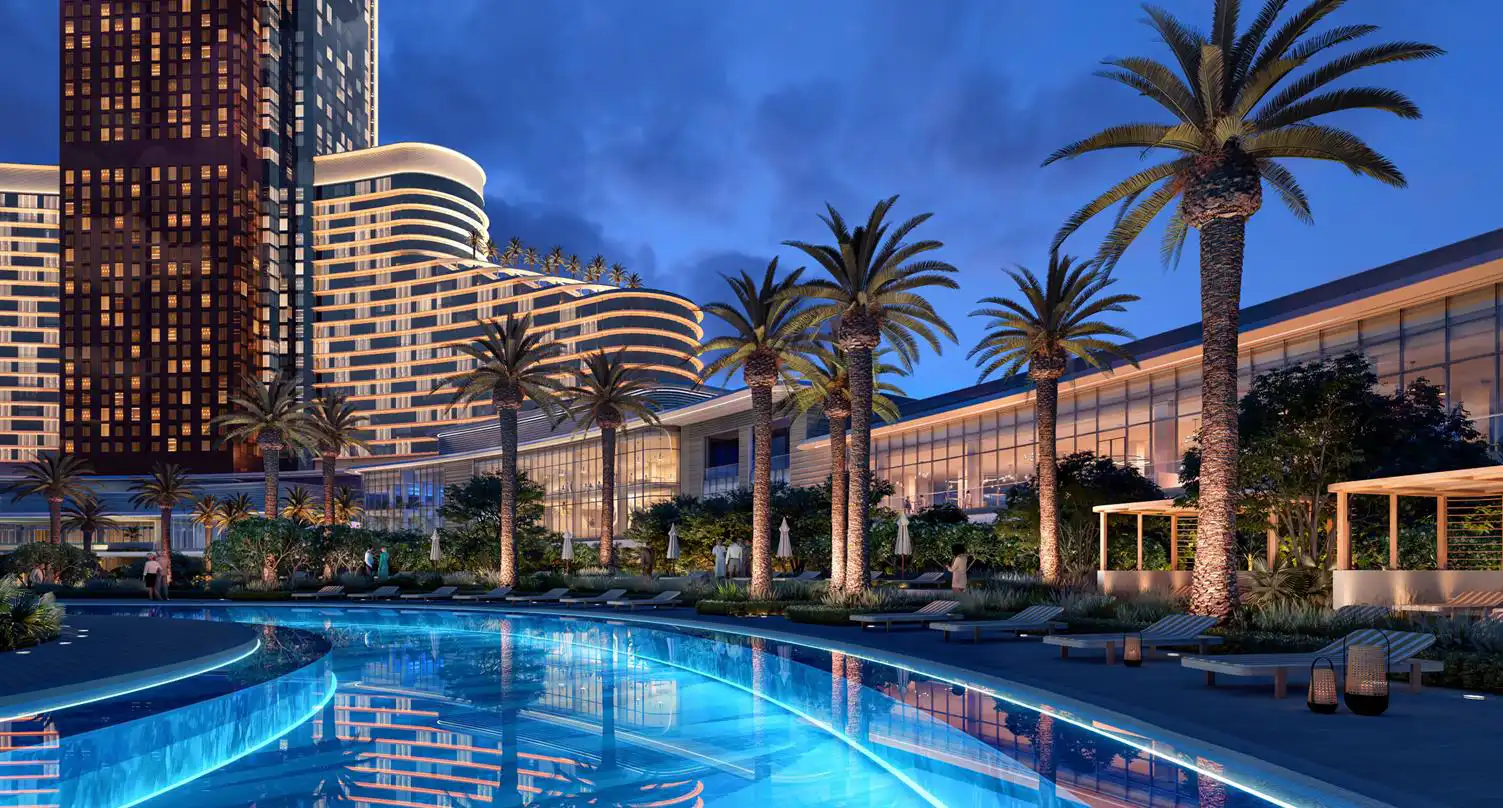
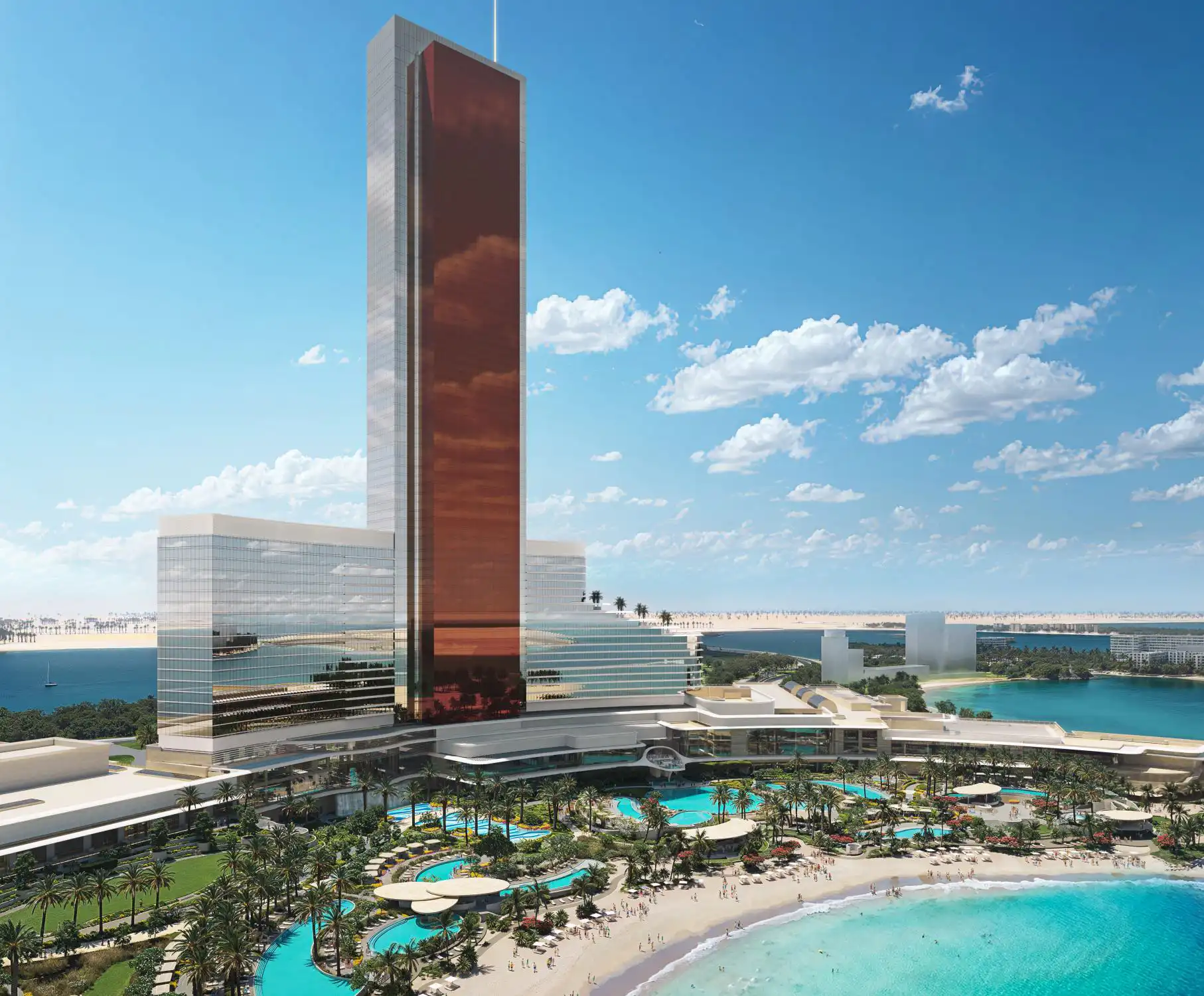
Hotel arrival at Wynn Al Marjan IslandView from the pool at Wynn Al Marjan IslandWynn Al Marjan Island TowerSource: Wynn Resorts
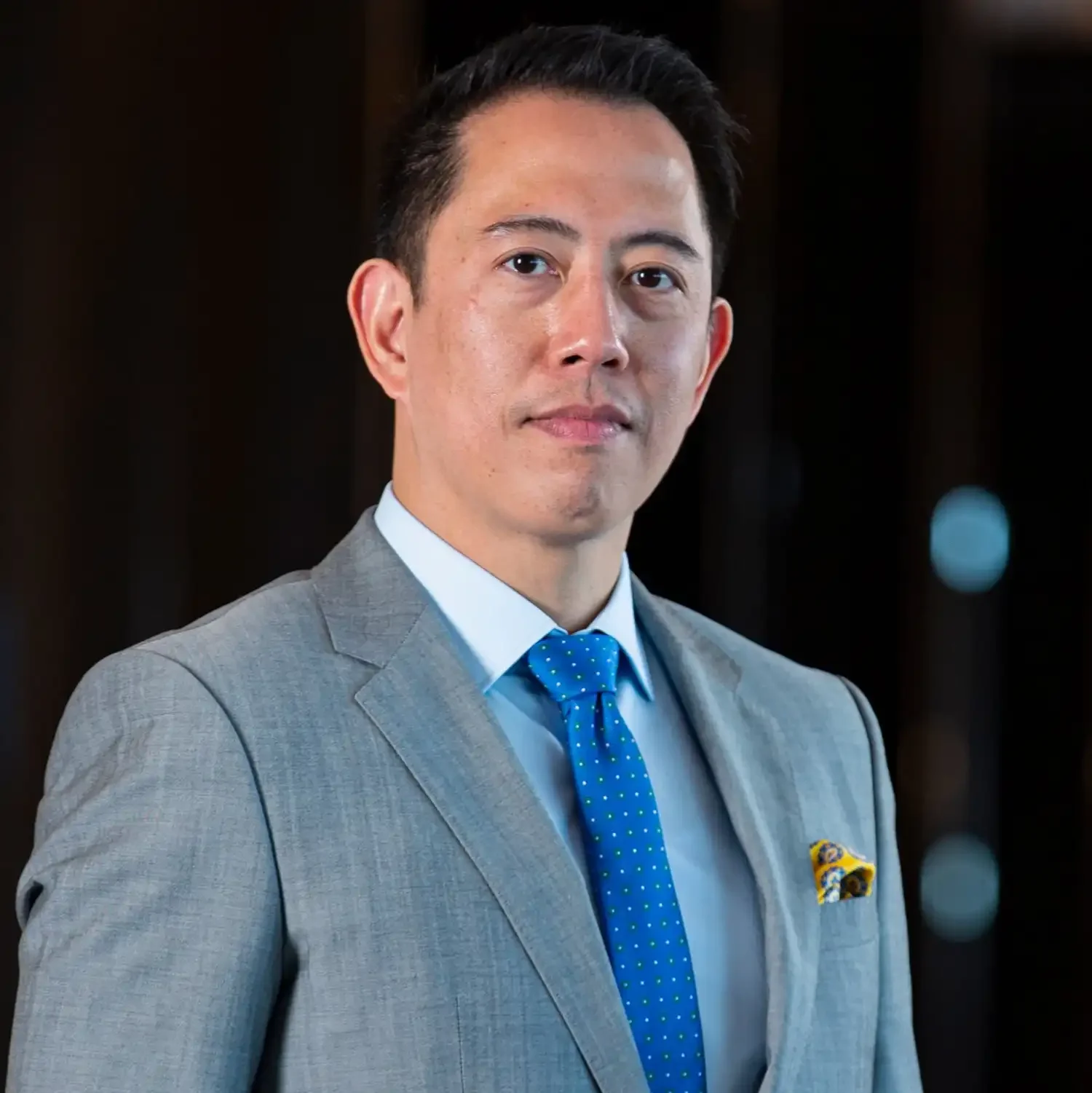
David Tsai, CEO, Crown Resorts
Speaking of the new disposal, Crown Resorts CEO David Tsai indicated that “The sale of Crown London aligns with our strategy to invest in our Australian assets and customer offering to deliver sustainable growth for the business in our core market”.
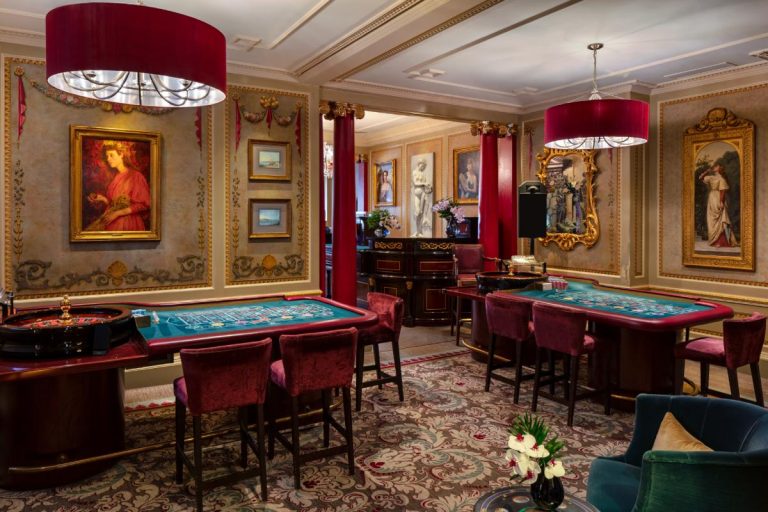
Wynn is acquiring the members-only casino in the heart of London’s Mayfair district, which features 20 gaming tables, a restaurant and lounge.
Operations will continue under Crown’s name until the deal is finalized.
The total amount of the purchase was not publicly disclosed.
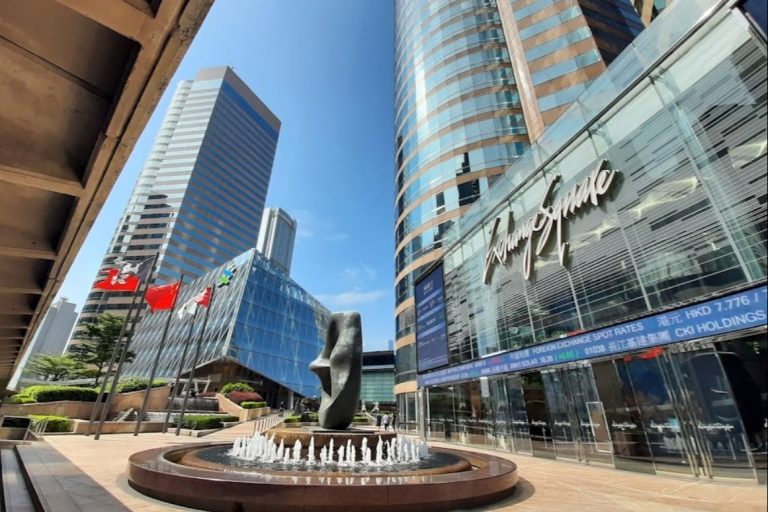
Trading of LET Group shares on the Hong Kong Stock Exchange remains suspended as the company has yet to fulfill all resumption requirements. These include releasing its 2023 annual results and the absence of independent non-executive directors on the company’s board.
The suspension of trading has been in place since February 14th, 2024.
In a recent update submitted to the Hong Kong Stock Exchange on Thursday, LET Group confirmed that its day-to-day operations continue to run smoothly, although preparatory work for the 2023 financial audit is still ongoing. Meanwhile, the three independent non-executive directors appointed last year resigned in November, and the company has yet to appoint replacements.
Regarding its Westside City project in the Philippines, LET Group noted that construction is progressing according to plan. More contractors are expected to be hired in the coming months to ensure the casino’s expected opening in 2025.
Westside City prject
According to the previous disclosures, the company anticipates the project will open in the first quarter of 2025.
However, the hotel and gaming operations at Tigre de Cristal in Russia continue to face significant challenges due to the ongoing Russia-Ukraine conflict and the resulting sanctions imposed on Russia. The group had previously announced its intention to divest of its Russian assets in a move to consolidate its operations.
LET Group is also actively working to divest its non-core property development projects in Niseko and Miyako Island, Japan. Despite ongoing efforts, the company has not yet secured a buyer.