Home Blog Page 521

BC.GAME launches token airdrop in Solana

0

Cryptocurrency iGaming brand BC.GAME has announced the launch of an airdrop within the Solana ecosystem, distributing 400 million $BC tokens to 100,000 wallets in order to enhance its blockchain presence.

The platform has become the first to airdrop tokens to users of Pump.fun, a platform built on the Solana blockchain in January 2024 that allows users to create and trade meme coins.

Solana is a blockchain platform that uses a proof-of-stake mechanism to provide smart contract functionality, with SOL as its native cryptocurrency.

While Pump.fun has yet to announce an official airdrop, BC.GAME has proactively implemented a larger and earlier airdrop plan to gain a competitive edge.

A snapshot was taken of all Pump.fun addresses that completed a minimum of 10 transactions between January 31st, 2024, and February 13th, 2025.

Pump.fun

These addresses were ranked based on their profit or loss during this timeframe, with the top 100,000 eligible for the airdrop, with a total of 400 million $BC tokens shared among 100,000 users.

BC.GAME emphasized fairness and transparency in its airdrop process, implementing a “Provably Fair” distribution model, with the rules and eligible addresses publicly available, while users can verify the eligible airdrop addresses through the provided link.

In an exclusive interview with Asia Gaming Brief, Jefferson Ha, a Senior Legal Counsel at BC.GAME, shared insights on recent challenges the company faced, including its departure from Curacao and its ambitious plans for future expansion.

Interblock strengthens Tribal Gaming engagement joining CNIGA and WIGC events

0

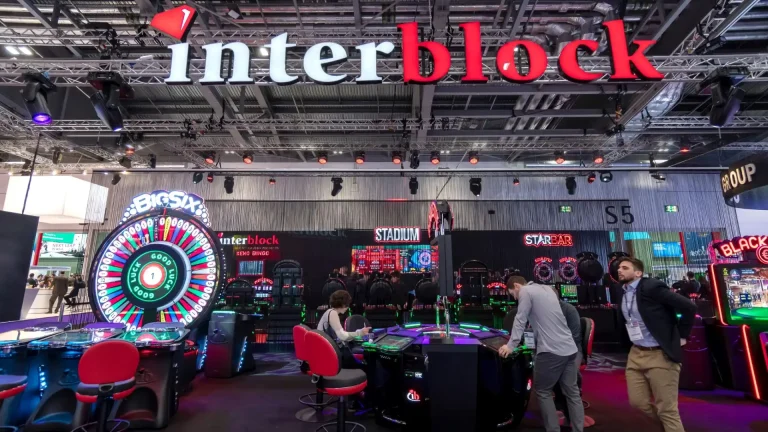
Interblock, a global leader in electronic table games, has announced its participation in the upcoming California Nations Indian Gaming Association (CNIGA) Membership Meeting and the Western Indian Gaming Conference (WIGC), marking a significant step in the company’s expansion into Class II gaming for tribal markets.

CNIGA Membership Meeting – A Milestone for Interblock  

On February 24, 2025, Interblock’s application for CNIGA Associate Membership will be presented for approval at the CNIGA Membership Meeting, held at Pechanga Resort Casino from 3:00 PM – 6:00 PM. This milestone underscores Interblock’s long-term commitment to tribal gaming, aligning with the company’s recent partnership with Eclipse Gaming to deliver Class II gaming solutions tailored for tribal operators.

James Siva_CNIGA
James Siva, Vice Chairman of Morongo & Chairman at CNIGA

As part of the application process, Interblock was honored to receive a tribal sponsorship endorsement from James Siva, Vice Chairman of Morongo and Chairman of CNIGA.

James Siva said, “Interblock’s commitment to innovation in Class II gaming will bring valuable opportunities to tribal operators. Their dedication to advancing electronic table games in our industry aligns with our mission to support tribal sovereignty and economic growth.”

Upon approval, Interblock will join CNIGA’s Associate Member network, gaining direct access to tribal leaders, decision-makers, legislative insights, and exclusive industry opportunities. This is a strategic move as the company introduces Class II electronic table games to tribal casinos across California, where Class II gaming falls under National Indian Gaming Commission (NIGC) regulations, allowing tribes to operate unlimited Class II games without state restrictions.

The CNIGA Membership Meeting will conclude with a Welcome Reception, officially kicking off the Western Indian Gaming Conference (WIGC).

Interblock at WIGC 2025  

Interblock is also proud to sponsor the WIGC Tradeshow Breakfast, reinforcing its commitment to the tribal gaming industry. As a sponsor, Interblock will receive brand recognition on event signage, during breakfast announcements, and across WIGC communications, including the official app and website.

Held from February 24 – 27, 2025, at Pechanga Resort Casino, WIGC is one of the largest tribal gaming events in California, bringing together industry leaders, regulators, and tribal representatives to discuss the future of tribal gaming, legislative developments, and emerging gaming technologies.

Strengthening Tribal Partnerships & Expanding Class II Gaming  

With 73 tribal casinos in California, Interblock’s expansion into Class II gaming comes at a pivotal moment. The company’s new partnership with Eclipse Gaming enhances its ability to offer high-performance Class II electronic table games, providing tribes with cutting-edge gaming solutions that align with tribal sovereignty and regulatory flexibility.

Interblock, Global CEO John-Connelly
John Connelly, CEO of Interblock

“Strengthening our partnerships within the tribal gaming community is a primary objective for our company and our increased involvement with CNIGA & WIGC highlights our commitment to delivering tailored solutions that empower tribal operators and elevate the gaming experience for their players,” said John Connelly, CEO of Interblock.

As Interblock continues to innovate in Class II gaming, the company looks forward to elevating existing partnerships, fostering new relationships, collaborating with tribal leaders, and contributing to the growth of tribal gaming across the country.

POGO raid in Parañaque City facility nets 453 people

0

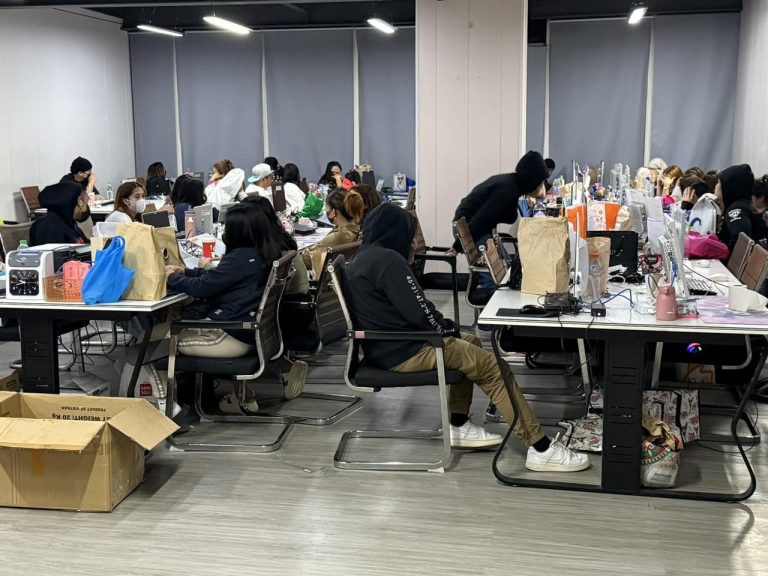
Philippine authorities have raided and shut down an alleged Philippine Offshore Gaming Operator (POGO) facility in Parañaque City, arresting 453 people.

The Presidential Anti-Organized Crime Commission (PAOCC) announced the Thursday raid, noting that initial interviews with the foreigners arrested “indicate an investment scam based on fixed stock exchange trading”.

The PAOCC also indicated that the alleged POGO operated a sports betting scam targeting Chinese and Indian nationals.

Of those arrested, 307 are Filipino, with 137 Chinese, three Vietnamese, two Malaysians, two Thai, one Indonesian and one individual from Taiwan.

The raid was conducted in combination with the Philippine National Police Criminal Investigation and Detection Group, the Southern Police District, the Department of Justice Office of Cybercrime, Bureau of Immigration Intelligence Division and Armed Forces of the Philippines.

Authorities have been strengthening efforts in cracking down on POGO operations in the country after the were formally banned by executive order, effective January 1st.

Daily Asia Gaming eBrief: Thailand casino bill set for Cabinet approval on March 4th

0
Good morning. Despite many hurdles, Thailand’s much-awaited casino bill is likely to enter the home stretch, with expectations for Cabinet approval on March 4th. The country has its foot on the gas, aiming to enact the law by next year and start the bidding and construction process by 2027. Meanwhile, in Australia, Tabcorp saw a strong second half of 2024, boosted by its new wagering license. And in Singapore, Genting saw a slight drop in earnings for FY24, as costs increased and inflation tampered revenue growth.

What you need to know


ASEAN Gaming Summit 2025

On the radar


AGB Intelligence

THAILAND

Casino bill awaiting Cabinet approval on March 4th

Thailand is accelerating its way into the casino business, with expectations that the new entertainment complex bill will clear the Cabinet by March 4th. The speedy process has not been without controversy, and it remains to be seen exactly what other measures could be introduced into the draft bill. Already critics argue over the proposed fixed deposits required for Thai locals to gamble, highly restricting what was viewed as the major group of punters that operators could tap.


Industry Updates


Corporate Spotlight

1xBet’s 2024 Milestones: key achievements & heights of success

1xBet 2024 Milestones Key achievements and new heights of success

In 2024, 1xBet achieved significant breakthroughs and successes, solidifying its position in the iGaming industry. The brand secured major partnership deals, received prestigious awards, and showcased its innovations at the world’s leading forums.


MEMBERSHIP | INTELLIGENCE | ASEAN | CAREERS

Thailand’s casino bill set for Cabinet approval on March 4th: Report

0

Thailand’s draft Entertainment Complex Business Act is in the final stages of its online public hearing and is expected to be submitted to the Cabinet for approval on March 4th.

This is according to local media outlet The Nation, which cited a source from the Government House on Wednesday.

Once approved by the Cabinet, the draft will proceed to Parliament for further deliberation. 

Since receiving in-principle approval on January 13th, the draft has undergone a review by the Council of State and has seen three rounds of public hearings. The final round of the online public hearing is set to conclude on March 1st, the source confirmed.

The proposed law aims to legalize Thailand’s significant underground gambling industry, with the goal of establishing casino-entertainment complexes to generate tax revenue.

The draft Entertainment Complex Business Act consists of eight sections, covering the definition of an entertainment complex, the establishment and responsibilities of the Entertainment Complex Policy Committee, the creation and duties of the governing agency, the authority and functions of related officials, the application process for permits and criteria for operating entertainment complexes, measures to mitigate negative impacts from casinos, punishments for violations, and a transitory provision.

The source further noted that several key details have been finalized. Business operators will be required to have at least THB10 billion ($300 million) in registered capital, with a minimum of 51 percent ownership by Thai nationals. The business permit will be valid for 30 years, with an option for a 10-year renewal.

The casino permit fee will be set at THB5 billion ($149 million), with an annual renewal fee of THB1 billion ($30 million). Thai nationals will face an entrance fee of THB5,000 ($149), and casino customers must be at least 20 years old and have a minimum of THB50 million ($1.5 million) in a fixed deposit account. This requirement would effectively exclude the vast majority of Thais from accessing local casinos.

Other key revisions include a rule that casinos must be physically separated from the rest of the entertainment complex, with distinct gates and entrances. Additionally, the draft allows for casino floor space to occupy up to 10 percent of the total resort area, an increase from the previous 5 percent cap.

It is estimated that the Entertainment Complex Business Act will be enacted by the first quarter of 2026. A feasibility study is expected to begin that same year, followed by a bidding process and construction in 2027. The project is slated for completion in 3-4 years. 

Genting Singapore reports 5% decline in earnings for 2024

0

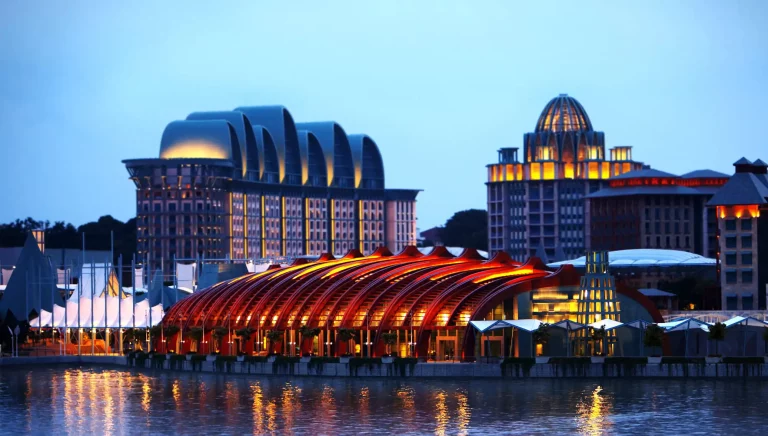
Genting Singapore has reported lower earnings of SG$578.9 million ($433.1 million) for FY24, ending December 31st, 2024, marking a 5 percent year-on-year decline.

According to the latest financial results announced on Thursday, the integrated resort group also reported a 6 percent year-on-year decline in earnings per share, which stood at SG$0.479 ($0.36) for the reporting period.

Revenue for FY2024 reached SG$2.53 billion, up 5 percent year-on-year from SG$2.4 billion ($1.8 billion) reported in the same period a year ago.

Gross profit for FY2024 fell by 5 percent year-on-year to SG$836.1 million, compared to SG$882.8 million ($660.5 million) in FY2023. For the second half of FY2024, the group reported a 34 percent year-on-year decrease in earnings, amounting to SG$221.96 million ($166.1 million), down from SG$425.5 million ($318.3 million) in the same period last year. Revenue for 2H24 was 17 percent lower year-on-year, totaling SG$745.6 million ($557.8 million).

Genting Singapore has declared a final dividend of SG$0.2 ($0.15) per ordinary share for FY2024, payable to shareholders on May 24th, 2025. The group’s cash and cash equivalents stood at SG$3.58 billion for FY2024, with SG$1.42 billion ($1.1 billion) at the company level.

While the group’s revenue of SG$2.53 billion ($1.9 billion) has surpassed pre-COVID levels, Genting has cited rising costs and inflationary pressures as significant challenges. These factors contributed to a 6 percent decline in adjusted EBITDA, which stood at SG$960.1 million ($718.3 million).

In 4Q24, Genting’s adjusted EBITDA grew by 37 percent quarter-on-quarter, driven by improved gaming performance, with gaming revenue increasing 26 percent due to a strong hold rate. However, non-gaming revenue declined 15 percent, impacted by seasonality, a strong Singapore dollar, and elevated travel costs.

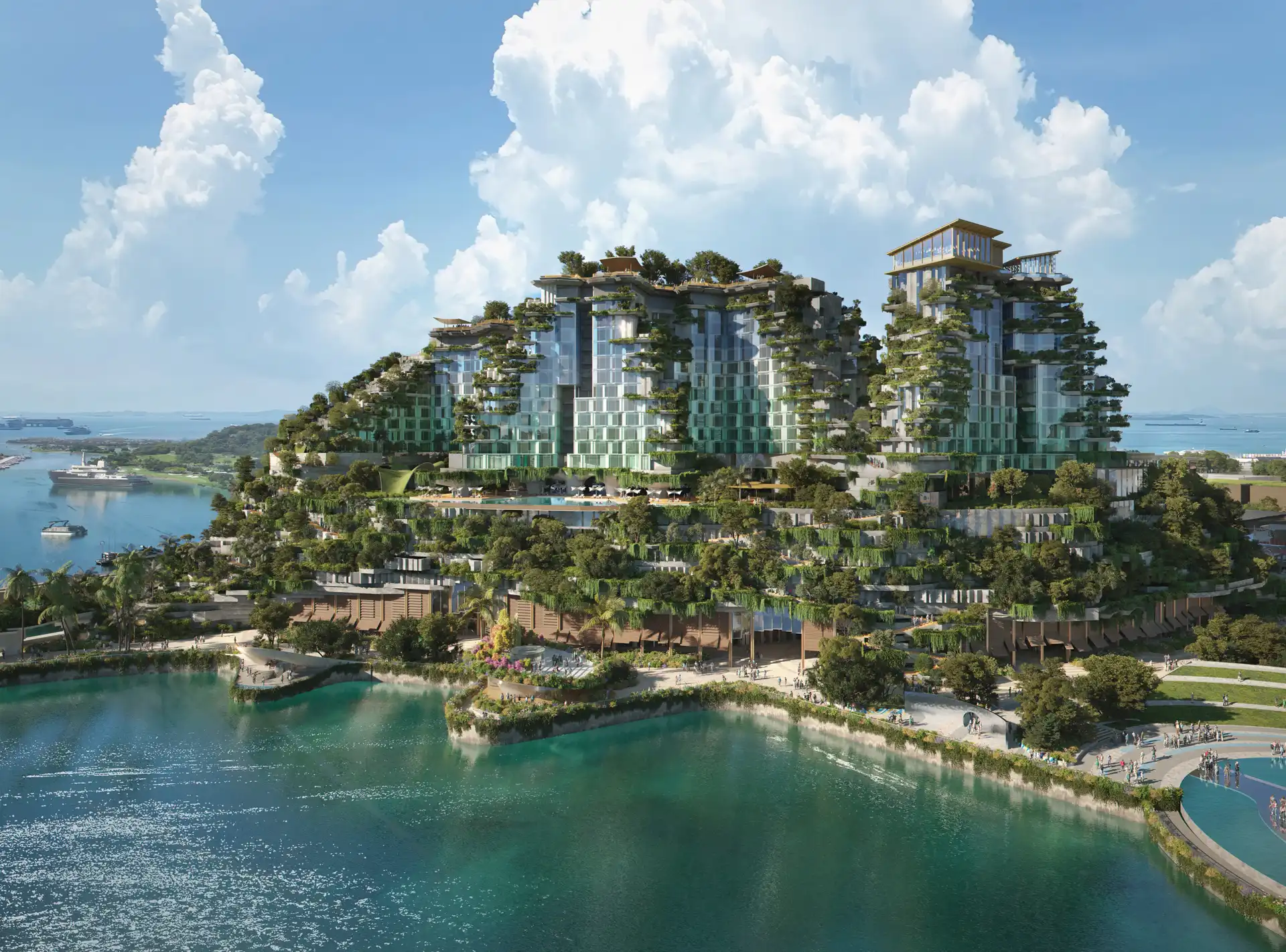
Genting has reaffirmed its commitment to its RWS 2.0 transformative investments, aiming to further strengthen its position as the region’s premier destination while driving sustainable growth for its stakeholders.

At the group level, Genting noted that the Thai cabinet had approved, in principle, a draft Entertainment Complex Business Act on January 13th, 2025, which could pave the way for the legalization of casinos in Thailand. ‘We are closely monitoring the development and will continue to evaluate and explore geographical diversification opportunities,’ the group stated.

Increased cost pressures offset Reef Casino Trust results in 2024

0

Reef Casino Trust, operator of the Reef Hotel Casino in Cairns, Australia, has released its financial review for 2024, showcasing stable performance amid ongoing challenges in the post-pandemic recovery.

The Trust reported a distributable profit of AU$10.1 million ($6.4 million), consistent with pre-pandemic annual results, despite total revenue and other income slightly declining to AU$25.5 million ($16.1 million) from the previous year.

This decline was attributed to increased operational costs, particularly in payroll and regulatory compliance, which offset gains seen at the Reef Hotel Casino complex.

Brad Sheahon, CEO of the Responsible Entity of the Trust, also provided insights into the performance of the Reef Hotel Casino, operated by Casinos Austria International (Cairns) Pty Limited (CAIC), noting that that local and domestic markets held up well for the complex.

However international tourism has not yet recovered to pre-pandemic levels, with aggregate complex revenues derived from both the Casino and Hotel were 1.8 percent higher than in the previous year.

Regulatory changes and inflationary pressures have resulted in increased costs—particularly in supervisory levies and compliance improvements—leading to reduced rental income for the Trust.

The Executive Leadership Team at the Reef Hotel Casino was said to have effectively managed operating costs amidst new regulatory requirements and rising labor, insurance, and energy expenses, despite challenging market conditions.

Visitation to the Reef Hotel Casino increased by 1.5 percent, primarily driven by local and domestic visitors, with proportionally fewer international guests. This increase in visitation is crucial as it drives revenue throughout the complex.

Electronic gaming revenues rose by 3.2 percent, making it the biggest contributor to the rents paid to the Trust, and continuing to perform well due to ongoing patron support from local and domestic markets. In contrast, table gaming revenues decreased by 8.3 percent.

While grind table gaming results were marginally better than the prior year, premium play results suffered due to a lower win rate and fewer premium players visiting compared to FY23. Table gaming was primarily supported by local and interstate visitors.

The Trust’s net assets stood at AU$101.1 million ($64.4 million), supported by an unused debt facility of AU$14.9 million ($9.5 million).

“While we continue to navigate the effects of the pandemic, our results demonstrate resilience,” said a spokesperson for the Board of Directors. “Our strategy remains focused on maintaining operational efficiencies and enhancing our offerings to attract guests.”

The Trust added that the passing of the Casino Control and Other Legislation Amendment Act 2024 introduced a changing regulatory environment, necessitating the acquisition of new gaming products and enhanced business practices focused on harm minimization and compliance, and increased regulatory fees and associated costs are also anticipated.

The directors also declared a distribution of AU$5.8 million ($3.7 million) for the second half of the year, equating to 11.71 cents per unit ($0.008), with payment scheduled for March 12th, 2025.

The financial position of the Trust was said to ‘remain strong, with adequate working capital and liquidity’, with a renegotiation of the Trust’s interest-only term loan facility with the Bank of Queensland ensuring continued financial stability.

Capital investments were also strategically managed, focusing on essential upgrades, including new gaming machines and improvements to food and beverage services, aimed at enhancing the guest experience and operational efficiency.

‘The future performance of the Trust will primarily rely on the local economy and on tourism to Cairns, the Great Barrier Reef and the wider Far North Queensland region’, the report noted.


Tabcorp reports strong growth in 2H24, details strategic shift

0

Tabcorp Holdings Limited reported solid performance for the second half of 2024, with group revenue rising by 10.1 percent yearly to AU$1.33 billion ($847.7 million) and EBITDA increasing by 12 percent to AU$190.2 million ($121.2 million), compared to the same period the previous year.

The company attributed its growth to the reformed Victorian Wagering and Betting License, improved cost discipline, and enhanced operational efficiency.

Last year Tabcorp was handed a record fine of AU$4.6 million ($3.08 million) by the Victorian Gambling and Casino Control Commission (VGCCC) after an investigation found ‘several instances of non-compliance with its regulatory obligations’.

However, it was still awarded a 20-year wagering and betting licence effective August 2024, something it stated created a ‘level playing field for wagering taxes and fees in Victoria’
and enhanced Tabcorp’s ongoing competitiveness.

Gillon McLachlan, Managing Director and CEO, underlined that “Tabcorp is getting fitter” as it proceeds with “more aggressive cost and capital discipline” and an evolving strategy to unlock value within its “unique asset base.”

He emphasized the company’s focus on operational growth through its omni-channel offering and a commitment to delivering unrivaled wagering entertainment experiences.

Looking ahead, Tabcorp aims to capitalize on its strategic assets to enhance shareholder value while maintaining cost efficiency and operational discipline

Net profit after tax (NPAT) before significant items climbed 25.6 percent to AU$22.1 million ($14.1 million), while statutory NPAT was AU$25.3 million ($16.1 million), a strong turnaround from a net loss of AU$636.8 million ($406.1 million) in the second half of 2023. Earnings per share rose to 1.1 cents from a loss of 28.2 cents the previous year. An interim dividend of 1.0 cent per share, unfranked, was announced.

Tabcorp’s Wagering & Media revenue grew by 11.3 percent, driven by a notable 18.2 percent increase in cash wagering net revenue. Integrity Services also showed strong growth, with EBITDA up 18.4 percent supported by a 9.7 percent rise in revenue.

Strategic Initiatives and Cost Management

The company has implemented a new leadership structure and introduced cost-saving measures that increased its targeted operational expense savings for FY25 to AU$30 million ($19.1 million), up from an earlier target of AU$20 million ($12.7 million).

Actions taken to reduce operating costs include embedding strong cost discipline, employee headcount reductions, and discretionary spending reductions. A review of all capital expenditure (capex) and re-prioritisation of projects in line with an evolved strategy was undertaken.

Capital expenditure is expected to be between AU$110 million ($70.2 million) and AU$120 million ($76.6 million), approximately AU$25 million ($15.9 million) lower than previous guidance.

Tabcorp announced an evolved strategy aimed at leveraging its unique assets, including a stronger focus on digital competitiveness and integrating its retail and media channels for a seamless omni-channel experience.

The company plans to innovate in the tote market, explore a single national tote, and develop a standalone media entertainment business to expand its reach globally.

Aristocrat announces $477M on-market share buy-back program

0

Aristocrat Leisure Limited has unveiled an on-market share buy-back program valued at up to AU$750 million ($477 million), marking the latest step in its ongoing capital management strategy.

This announcement follows the completion of a previous AU$1.85 billion ($1.18 billion) buy-back program in January 2025.

The new buy-back program is set to begin on or after March 7th, 2025, and will be funded using Aristocrat’s existing cash reserves.

The move comes after Aristocrat’s recent receipt of $600 million from the sale of Plarium Global Limited earlier this month.

Strong business performance and robust cash flow have kept Aristocrat’s leverage below its target net debt-to-EBITDA ratio, allowing the company to continue investing in growth initiatives—such as strategic mergers and acquisitions (M&A)—while also returning excess cash to shareholders through dividends and the new buy-back program. 

The filing also notes that the buy-back will be conducted opportunistically to capitalize on favorable market conditions.

In addition to the share buy-back, Aristocrat intends to allocate part of the proceeds from the Plarium sale to repay its $250 million Term Loan B debt facility. The repayment is expected to be completed by March 2025, well ahead of the facility’s May 2029 maturity.

Aristocrat’s CEO and Managing Director, Trevor Croker, expressed confidence in the company’s financial position, stating: “Aristocrat’s robust balance sheet and strong cash flow generation enable us to reinvest in the business and continue returning cash to shareholders via dividends and share buy-backs. Upon completion of the program announced today, Aristocrat will have returned AU$2.6 billion ($1.65 billion) to shareholders through share buy-backs. We will actively assess growth opportunities, including strategic acquisitions and investment in organic initiatives, on an ongoing basis.”

Lachlan Fitt latest executive to leave Entain Australia amidst AML probe

0

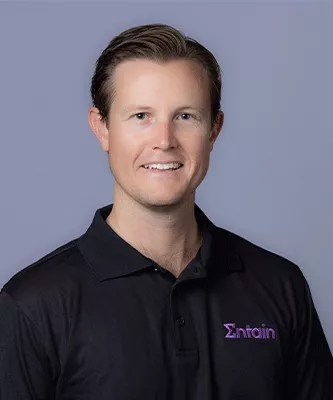
The deputy chief executive officer of Entain Australia Lachlan Fitt has resigned, marking the third executive departure from the company amongst an ongoing money laundering case.

Lachlan-Fitt, Entain

According to The Guardian, Lachlan Fitt, who served as the chief financial officer of Entain Australia since 2018 joins former CEO Gavin Isaacs and the managing director of Entain NZ – Cameron Rodger, in tendering his resignation from the gambling group.

Entain Australia is currently undergoing a probe by Australia’s financial watchdog AUSTRAC over “serious and systemic non-compliance with anti-money laundering and counter-terrorism financing laws”.

The group is accused of accepting millions in bets from 17 high-risk clients with “suspected criminal profiles and associations” despite being aware of the risks.

The group notes that the civil proceedings may result in a penalty “which could be potentially material”.

The group notes that it is cooperating with AUSTRAC and working on its AML/CTF compliance.