Shikenso Analytics, a pioneer in AI-powered sponsorship valuation, is excited to unveil its latest partnership with esports giant Alliance. This collaboration represents a significant step forward in Shikenso’s mission to equip top-tier teams with cutting-edge data insights, further solidifying its influence and expanding its footprint in the esports analytics industry.
Alliance, a major force in competitive gaming with successful rosters across multiple esports titles, has rapidly grown to secure partnerships with globally recognized brands. By integrating Shikenso Analytics’ AI-driven tools, Alliance will now track and quantify brand exposure across its social media and streaming platforms. Shikenso’s insights will enable Alliance and its sponsors to measure engagement precisely, optimize sponsorship impact, and make data-driven decisions.
Kelly Ong, Chief Strategy Officer & Co-Owner at Alliance: “Esports thrives on innovation and data is the fuel for that innovation. Data is our strategic compass. Partnering with an endemic company like Shikenso will revolutionize how we understand and leverage data, ensuring we deliver exceptional value to our partners and fans alike.”
Arwin Fallah-Shirazi, Co-CEO & Co-Founder at Shikenso Analytics: “Alliance is an exceptional organization with ambitious goals, and we’re proud to support them with advanced analytics solutions. Our tools will empower Alliance to maximize the value delivered to sponsors and accelerate their already impressive growth trajectory in the esports industry.”
Philippine Amusement and Gaming Corporation (PAGCOR) Chairman and CEO Alejandro H. Tengco on Tuesday, May 6, joined the groundbreaking for three major infrastructure projects at the Bulacan State University (BulSU): a hospital, a sports complex, and a convention center in the city’s Barangay Guinhawa.
Mr. Tengco joined BulSU President Dr. Teody San Andres, Bulacan 1st District Representative Danny Domingo and local officials in marking the start of a multi-facility development aimed at strengthening healthcare, education and community services in the province.
The centerpiece of the project is a five-story, Level 2 hospital designed to meet the urgent need for a modern, accessible healthcare facility in Bulacan.
“This endeavor will help Bulacan State University become one of the most prominent educational and medical institutions not only in Central Luzon but in the entire country as well,” Chairman Tengco said. “It will become the University’s crowning glory, and we are honored to witness and be part of this momentous occasion.”
Once completed, the BulSU Hospital will boast of a well-equipped radiology department, Intensive Care Units, as well as operating and delivery rooms. It will also have a parking area and a 1,320-square-meter therapeutic garden to promote the healing and rejuvenation of patients.
BulSU President Dr. Teody San Andres said the groundbreaking for the projects reinforces their commitment to holistic progress that prioritizes education, health and community development.
“This project is a dream come true for BulSU and for the people of Bulacan,” he said. “It represents our commitment to development where education, health and community well-being are at the forefront,” he said.
The sports complex and convention center are likewise expected to serve as vital hubs for student engagement, academic events and public gatherings, further solidifying BulSU’s role as a center for innovation and regional development.
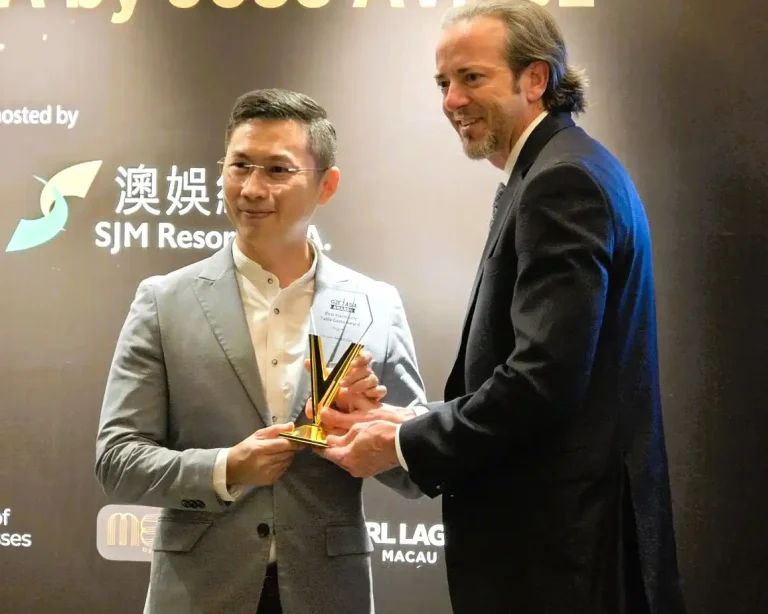
Interblock has announced that UC SicBo has been recognized as the Best Electronic Table Game (ETG) at the G2E Asia Awards 2025. Vincent Tang, Vice President of Asia-Pacific Sales, accepted the prestigious award during the ceremony on May 6 in Macau, marking another milestone in Interblock’s commitment to innovation and excellence in electronic gaming.
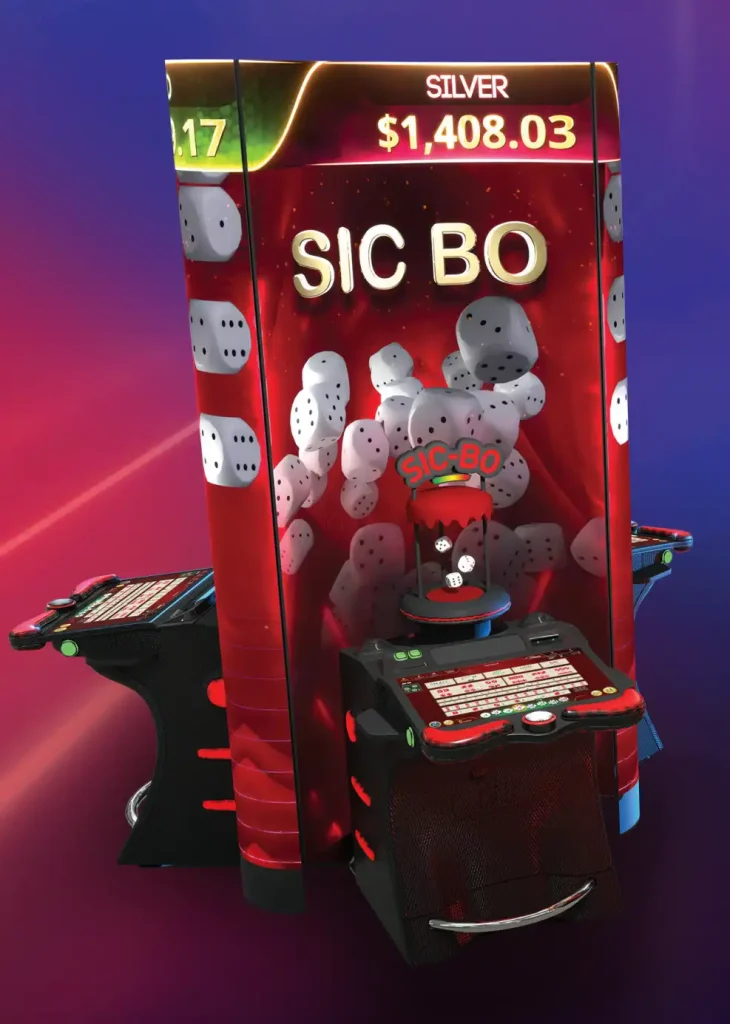
UC SicBo, part of Interblock’s Universal Cabinet (UC) product line, is recognized as one of the most widely installed standalone electronic table games in Asia, with over 300 active units across Macau and Singapore.
The game modernizes traditional Sic Bo by incorporating fully automated dice recognition, real-time statistical analysis, and predictive betting trends—delivering unmatched speed, accuracy, and operational efficiency. With customizable bet levels, instant result tracking, and seamless integration with casino management systems, UC SicBo is designed to meet the demands of high-volume gaming environments.
By combining modern automation with the heritage of classic dice gaming, UC SicBo delivers exceptional performance for operators and a dynamic experience for players. Its continued success across key Asian markets underscores its long-term impact on the electronic table game sector.
“UC SicBo has played a key role in our expansion across Asia and continues to set the standard for automated dice gaming in the region,” said John Connelly, Global CEO of Interblock. “This award is not only a recognition of the product’s performance, but also a reflection of the strong partnerships and momentum we have built in Asia and around the world.”
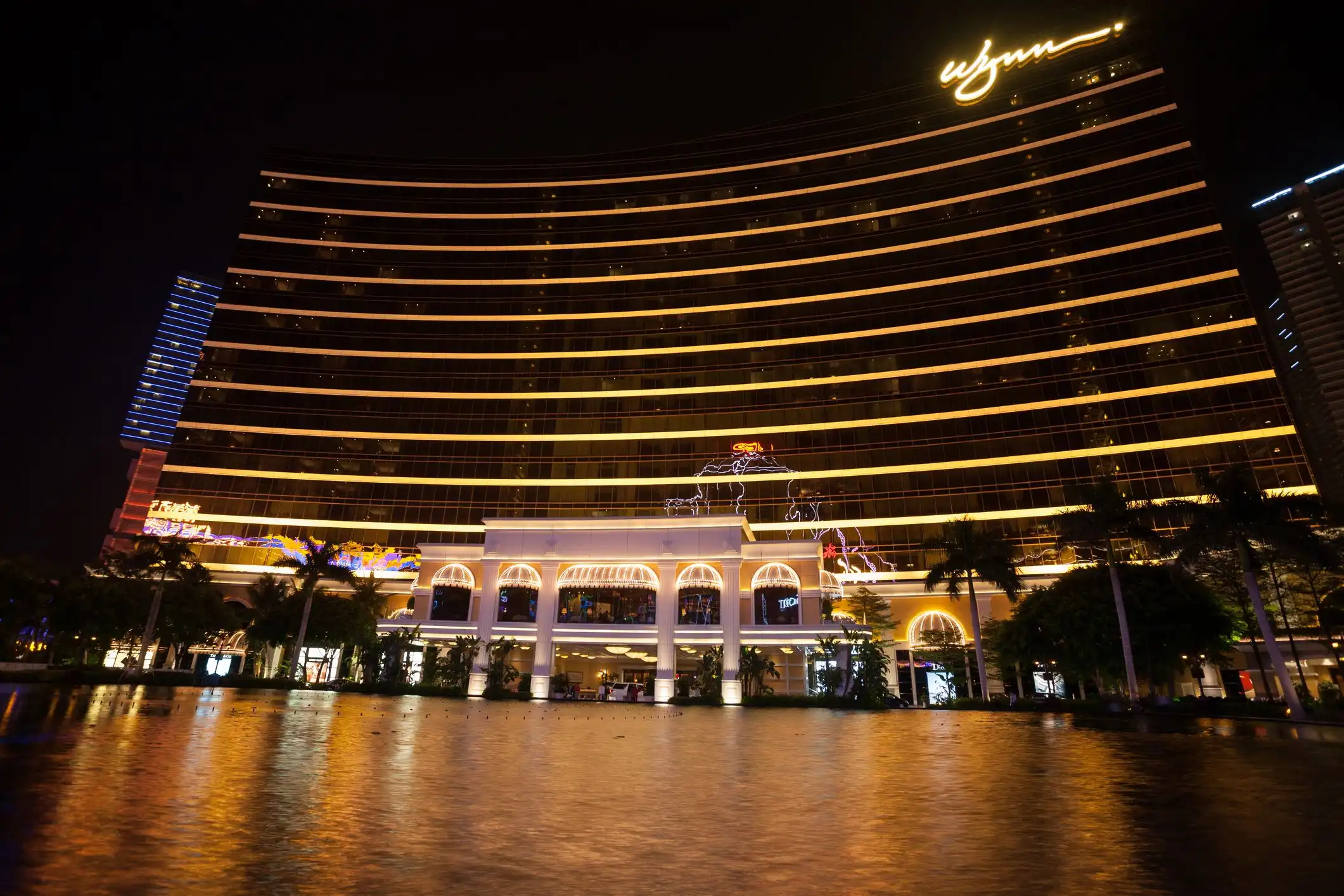
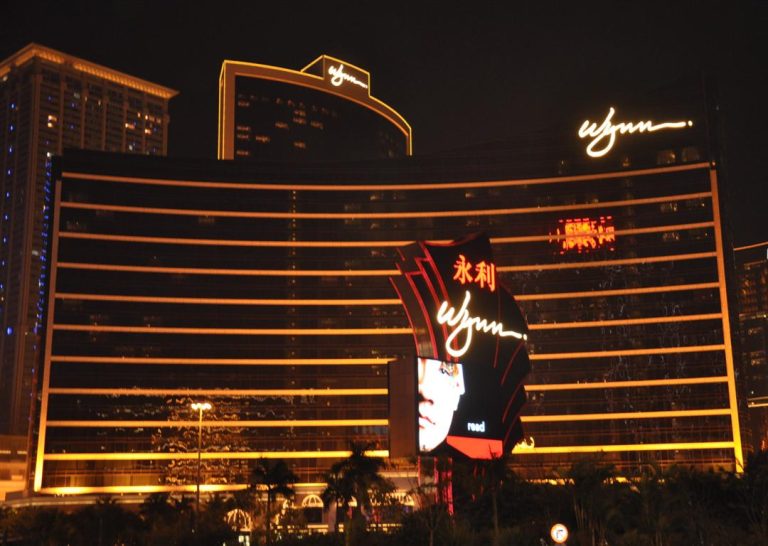
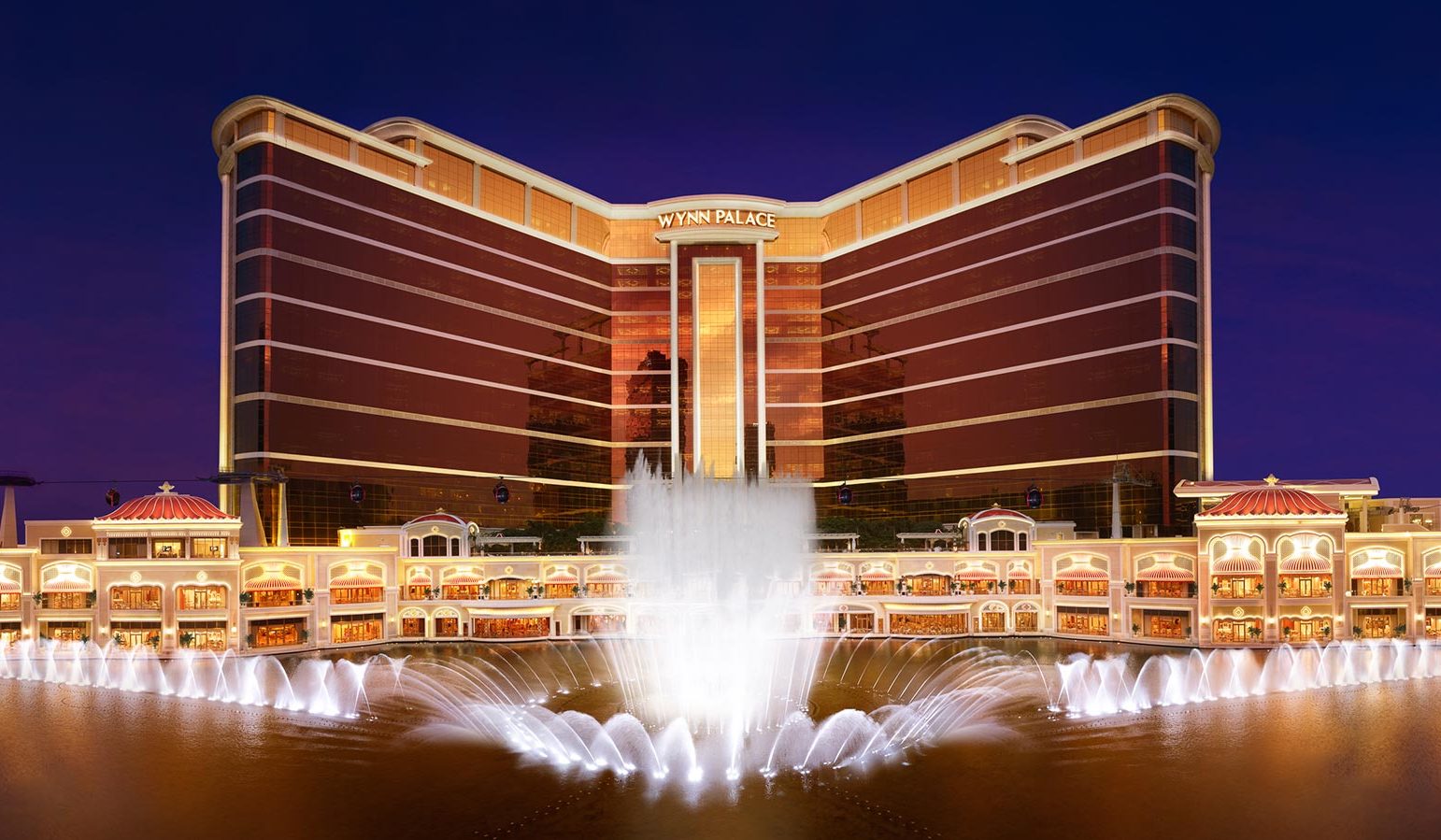
Wynn Resorts’ Macau operations failed to shine during the first quarter of the year, dragged down by a low VIP hold. The group’s Macau peninsula property saw particularly slow results, partially boosted by its Cotai flagship, however,, yearly comparisons were all negative. The group’s CEO has high expectations for 2Q25 though, indicating strong results in April and a hefty boost from Golden Week.
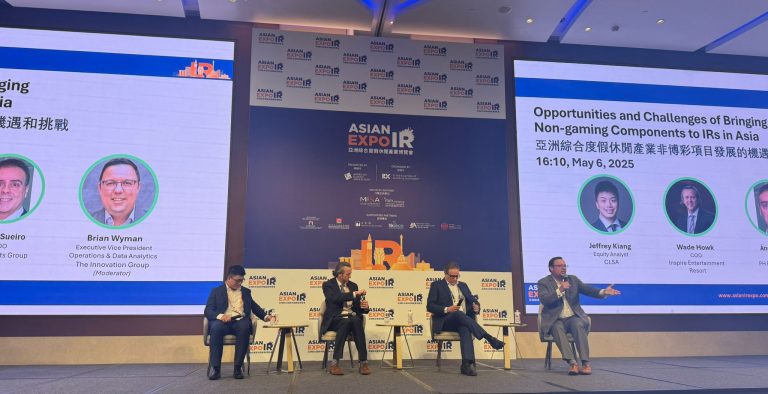
As integrated resorts (IRs) across Asia evolve beyond their traditional gaming roots, non-gaming amenities are emerging as both essential and lucrative components of the business model.
That was the consensus from a panel of industry veterans speaking at the Asian IR Expo in Macau on Tuesday, during a session titled “Opportunities and Challenges of Bringing Non-Gaming Components to IRs in Asia.”
“Some markets like Macau and Singapore are certainly leading the race,” said Jeffrey Kiang, Equity Analyst at CLSA, in assessing the current state of non-gaming development in Asia. “But overall, it is very competitive, and everyone is doing a good job in driving visitation.”
Meanwhile, Wade Howk, COO of INSPIRE Entertainment Resort in South Korea, pointed to Singapore as a strong benchmark. “What’s happening there — the growth of non-gaming assets — is real,” he said. “Regulatory changes in other markets are going to drive a lot more of that. It’s going to be a good springboard.”
For Angel Sueiro, COO of PH Resorts Group, the pace of execution has been a key shift. “The cycle from idea to execution is now much shorter than before,” he said. “The market demands speed — what we see in the region is much faster now.”
Demand and competition shape strategy
As non-gaming continues to rise as a revenue pillar, the panelists agreed that future IRs must be more than casinos with extras — they must be fully integrated destinations.
Whether through entertainment, retail, branded residences, or immersive experiences, the next generation of IRs will be built to attract a broader, more diverse audience — and keep visitors coming back.
“The question is no longer whether to invest in non-gaming…It’s how to do it smartly — in a way that enhances the entire ecosystem.”
Jeffrey Kiang
When asked about the underlying drivers of non-gaming revenue growth, the panel agreed there is no single catalyst. “It’s all of those things — regulation, competition, and consumer demand,” said Howk. “Regulation sets the framework, but it’s customer demand and competition that determine what operators actually build.”
Sueiro emphasized the intensity of competition for consumer attention. “We are not only competing against other resorts,” he said. “We’re competing with social media, with Instagram. We need to create appealing experiences that make people want to come back.”
Kiang agreed, arguing that regulation is only one piece of the puzzle. “If the first operator does a really good job with non-gaming, others have to catch up or risk being marginalized,” he said. “It’s really competition and consumer experience that are driving this.”
The panel also explored the financial decisions behind major non-gaming investments. Inspire’s Howk revealed that his property had allocated 70 percent of its capital to non-gaming elements — a notable reversal from past practice.
“We built a 15,000-seat entertainment arena — the only one in Korea — and an indoor water park,” he said. “These are our traffic drivers. We knew we had to go big to be successful.”
Arena at INSPIRE Entertainment Resort
Howk also noted that for INSPIRE, MICE (Meetings, Incentives, Conferences, Exhibitions) business is proving especially effective. “It’s not the highest margin, but it fills hotel rooms midweek, brings F&B revenue, and supports the casino,” said Howk. “It all ties back to volume and traffic.”
Measuring value and return
As an equity analyst, Kiang warned that from an investor’s perspective, measuring the value of non-gaming components isn’t straightforward.
“We typically don’t separate non-gaming in our valuations, not because we’re lazy, but because disclosures don’t allow it,” said Kiang. “Still, if you try to estimate, non-gaming might contribute about 15 percent of EBITDA. But what I look at is how synergistic it is — how much it helps drive foot traffic, longer stays, and ultimately, gaming revenue.”
Hotel occupancy is also a critical metric, he added. “In Macau, 90 percent occupancy signals that people are staying overnight. That’s a proxy for a healthy property.”
BMM Innovation Group (BMM), a leading technology conglomerate specializing in gaming product compliance testing, cybersecurity solutions, and virtual training, has announced its commitment to the global gaming industry by supporting and participating in G2E Asia, taking place May 7-9 at The Venetian Macao.
With a legacy spanning over four decades serving the Asia-Pacific region, the BIG Group continues to lead the region’s land-based and online gaming product compliance market, supporting the growth and integrity of the region’s regulated gaming markets.
Through its core business BMM Testlabs, BIG delivers industry-leading certification testing, quality assurance testing, compliance consultation, mathematical analysis, inspection, and training services. Its long-standing relationships with regulators, suppliers, and operators across Asia-Pacific have solidified its reputation as the most experienced and trusted product compliance partner in the market.
BMM is also meeting the market’s increasing demand for online gaming services with product transfers internationally to markets including Europe, North America, and now Brazil. BMM’s services include certification and QA testing for iGaming platforms, sports betting platforms, mobile and web-based gaming applications, RNG evaluations, and security assessment tailored to regulated online environments.
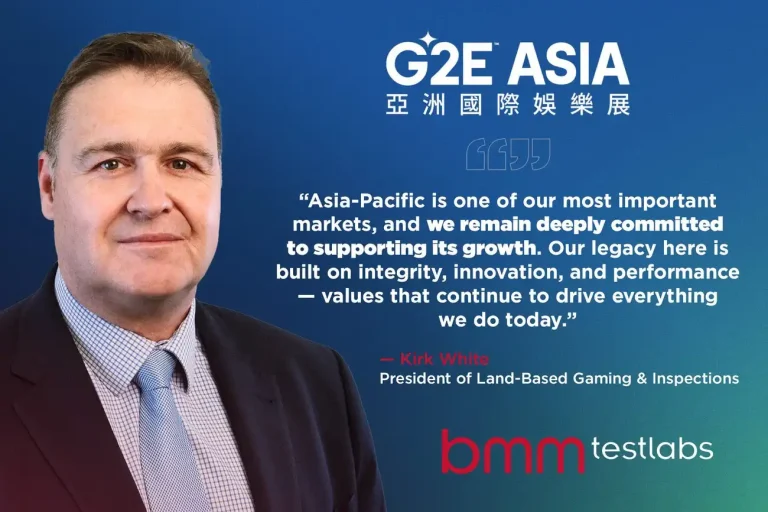
BMM’s President, Land-Based Gaming & Inspections Kirk White said, “Asia-Pacific is one of our most important markets, and we remain deeply committed to supporting its growth. Our legacy here is built on integrity, innovation, and performance — values that continue to drive everything we do today.”
The Company has offices and test labs throughout the region in Macau, Singapore, and Sydney and Melbourne, Australia, with additional offices positioned strategically around the world for global market coverage.
BMM’s regional leadership team will be at the show to connect with customers, regulators, and partners to discuss the market’s evolving needs and how BIG is positioned to help the fast-growing market continue to thrive through integrity, regulation, and innovation. To connect with the BMM team at G2E Asia, please contact [email protected].
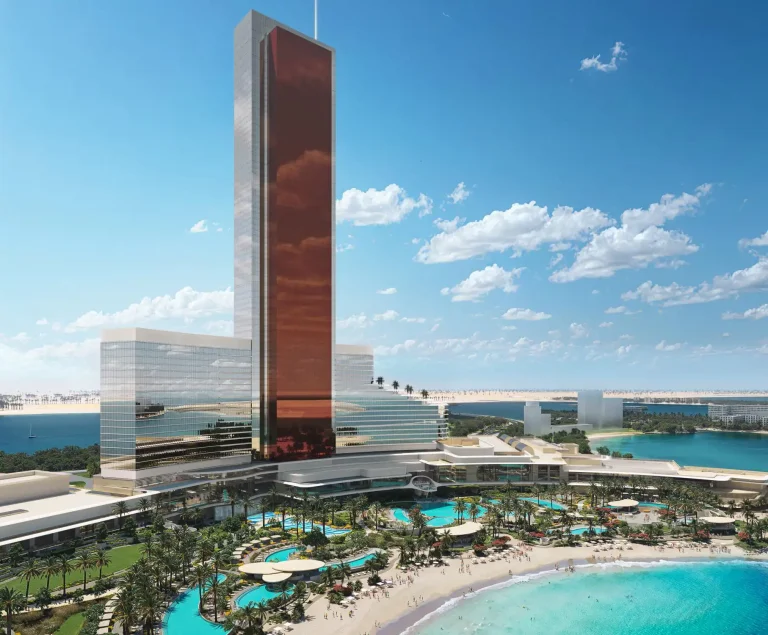
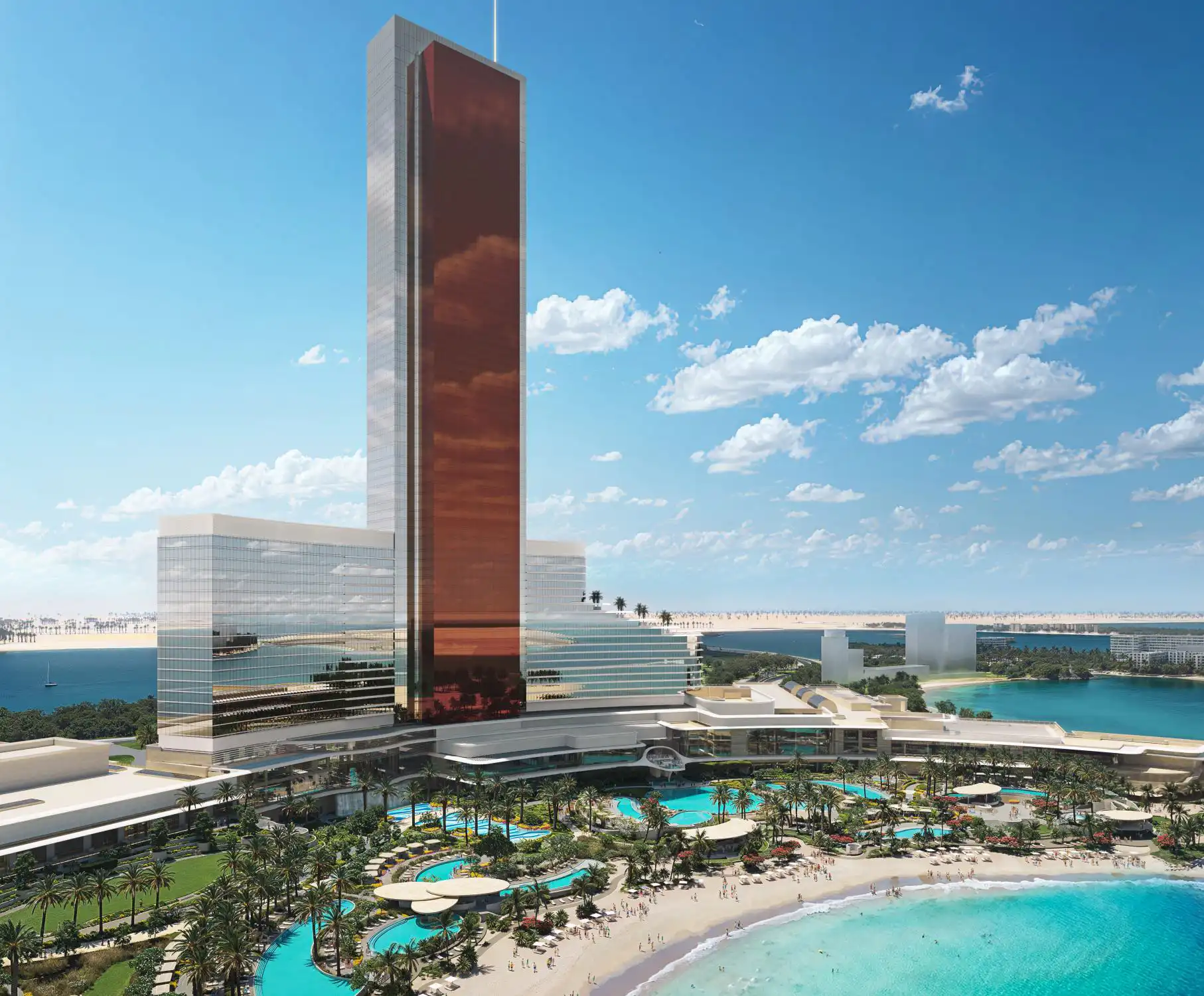
Wynn Resorts indicates that it has ‘made significant progress towards an early-2027 opening’ for its Wynn Al Marjan Island project in the UAE.
According to the group’s CEO, Craig Billings, construction has now reached the 47th floor of the tower, which is expected to be topped out “later this year”.
Craig Billings, CEO, Wynn Resorts
“We remain on track for our targeted opening date, and we believe the property will be well positioned as the only integrated resort to open in the near-term into what several analysts have predicted will be a $5 plus billion GGR market,” stated the Chairman and CEO in the earnings call on Wednesday.
“We think this is the most compelling development opportunity in the industry right now,” stated Billings.
During the first quarter of this year, the company contributed some $51.2 million in equity to the Wynn Al Marjan Island project, bringing its total equity contribution to $682.9 million.
Hotel arrival at Wynn Al Marjan IslandView from the pool at Wynn Al Marjan IslandWynn Al Marjan Island TowerSource: Wynn Resorts
Capex for 2025 regarding Wynn Al Marjan is expected to be $350-375 million, while in 2026 this should rise to $350-400 million.
During the conference call, Billings was asked how to rank the opportunity available from three tiers of potential customers for Al Marjan, namely inbound to Ras Al-Khaimah, those living in Dubai and destination luxury customers.
Billings noted that capturing the first group involves “having sufficient amenities to really get one of their four days in Ras Al Khaimah on property”, while looking at the second group as “a lot like a locals market”, requiring the company to “market to those folks in a very specific way” (such as through F&B). For the third group, the CEO indicated that it was very similar to its Vegas business, being a “fly to market as opposed to a locals market”.
The company in its earnings presentation indicated that it now had ‘each of our key division heads in place across all gaming and non-gaming areas’.
The group further indicates that it now has some 49 employees, ‘consisting of mostly senior level executives and senior management’, with expectations to have 327 by the end of this year.
The group’s announcement of its planned acquisition of Crown London Aspinalls also ‘meaningfully enhances our databased building effort given significant VIP overlap between London and the UAE’.
Other opportunities
Regarding other opportunities aside from the UAE, with the possibility of Japan opening up a new bidding cycle for IRs, Billings expressed restraint, noting that “we would only look at Japan if the setup was right”.
“There’s structural challenges in the way that the licensure and ownership have been outlined in Japan”.
Looking at Thailand, the CEO indicated that the entertainment complex bill “has been delayed, and there are some components to the bill that probably won’t work if they stay in the bill”.
The executive furthered that “it’s an amazing potential market with unbelievable airlift, infrastructure, tourism etc”.
Overall, the CEO indicated that “we’ve got plenty of development opportunities”.
Wynn Resorts’ Macau operations saw a lackluster first quarter of the year, with operating income falling by 38.27 percent, and overall revenue down by 13.3 percent.
In results published by Wynn Resorts on Wednesday, the company indicated that its Macau operations brought in some $127.15 million, a steep drop from the $205.98 recorded in 1Q24, while revenue from its Wynn Palace and Wynn Macau operations brought in some $865.89 million (from $998.64 million in 1Q24).
Casino revenue across the two properties fell by 12.2 percent yearly, totaling $720.05 million. The group’s peninsula property, Wynn Macau, saw a larger hit – with casino revenue down by 20.4 percent yearly to $275.55 million.
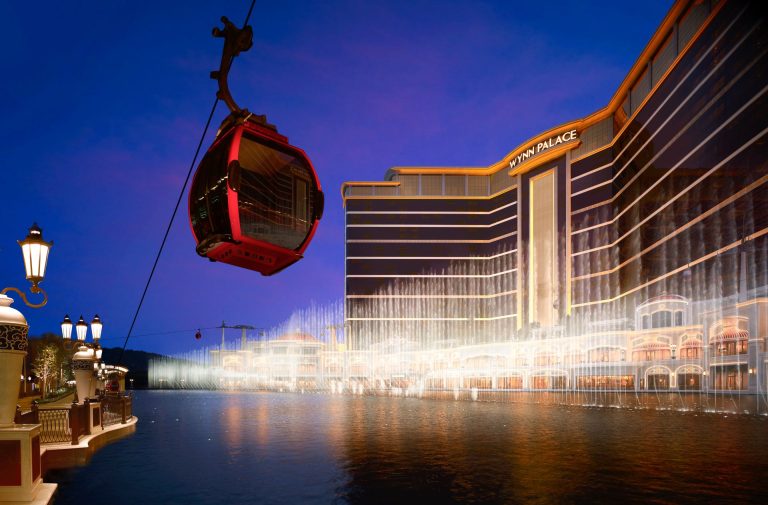
Wynn Palace, in Cotai, brought in $444.5 million in casino revenue during the quarter down by 6.2 percent yearly.
The casino revenue results had a strong impact on income from each property, with Wynn Macau’s income down by 47.8 percent yearly to $52.74 million. Meanwhile, Wynn Palace saw a drop of 27.3 percent in income for the quarter, totaling just $82.56 million.
Similarly Property EBITDAR was down by 25.76 percent across the two properties, totaling $252.08 million, as Wynn Macau fell by 34.3 percent (to $90.2 million) and Wynn Palace dropped by 20 percent (to $161.88 million).
The group also saw a significant reduction in VIP table games win, with that of Wynn Palace down by 19.2 percent, to $104.53 million and Wynn Macau down by 70.8 percent yearly, to $15.71 million.
Speaking of the results, Wynn Resorts CEO Craig Billings noted that “VIP hold negatively impacted results” in Macau, with VIP table games win as a percentage of turnover at 2.61 percent at Wynn Palace (below the expected range of 3.1 percent to 3.4 percent) and was 1.09 percent at Wynn Macau (below the expected range of 3.1 percent to 3.4 percent).
Earnings call
During the group’s earnings call, CEO Billings indicated that its Macau business is “holding up quite well”, noting that “mass drop in April was in line with 2024, and direct VIP turnover was up nicely”. Looking at Golden week, the executive indicated that mass drop was “up from last year”.
Speaking of the first quarter, Billings indicated that “other than hold, the business in Q1 felt very good”, despite poor VIP holding costing the company “nearly $40 million of EBITDA”. Adjusting for VIP hold, the group “grew market share sequentially”.
“While the market in Macau continues to be highly competitive, we remain disciplined in our focus on maximizing EBITDA and generating a healthy margin profile,” noted Billings.
The group’s results have encouraged the Wynn Macau board to recommend an increase in the final dividend for 2024 to $125 million, up from $50 million in the previous period. This is subject to shareholder approval in a May 23rd meeting.
Speaking of the market overall after COVID, Billings acknowledged that there is now a “very, very competitive dynamic”, furthering that “the promotional environment is actually quite stable, but it’s day-to-day, hand-to-hand combat in order to be competitive in that market”.
BetGames, a leading gaming provider, has strengthened its executive leadership by appointing Maciej Smolarek as its new Chief Technology Officer, reinforcing its commitment to innovation and technological advancement.
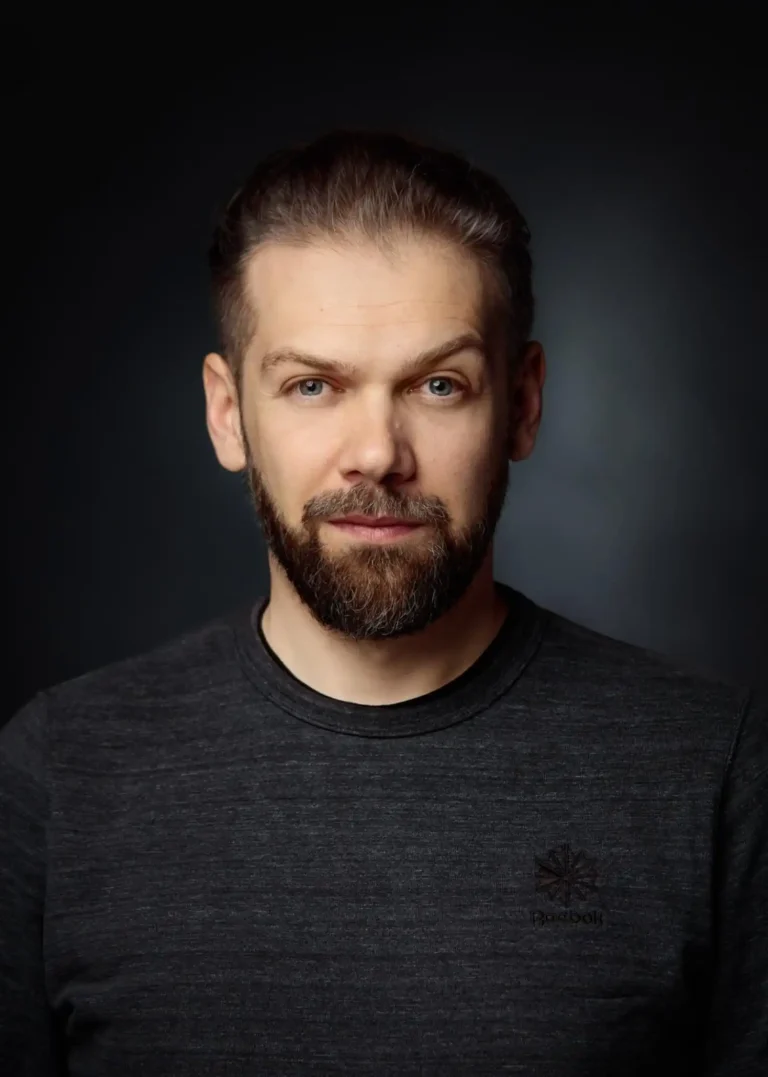
Maciej Smolarek joins BetGames with a background in software development and more than a decade of experience managing high-performance engineering teams.
With a track record of building sustainable engineering teams, Smolarek entered the gaming sector in 2016 and has since held positions as R&D Director of Business Applications at Huuuge Games and CTO at Yggdrasil.
Smolarek’s extensive expertise in launching RNG products with scale and agility makes him well-positioned to drive forward the supplier’s strategic shift toward expanding and diversifying its RNG content portfolio.
Smolarek will be tasked with elevating the quality, stability, and overall experience of BetGames products, ensuring the provider is primed for further commercial growth throughout 2025 and beyond. He will work closely with BetGames’ talented engineering teams to deliver a new wave of iGaming content in both the RNG and Live verticals.
Andreas Koeberl, CEO at BetGames, said: “Maciej is joining the fast-growing BetGames business at the perfect time, aligning with our transition into placing more emphasis on our wider RNG product portfolio. We are going through a significant transformation while growing 50% YoY, meaning execution excellence and the knowledge of how to ship games are absolutely key.”
Maciej Smolarek, CTO at BetGames, added: “BetGames has already made a name for itself as a disruptor in the Live Casino space, and I look forward to helping the company build its reputation in the RNG vertical too. I can’t wait to get started, shake things up, and work with the product team to deliver real entertainment value to the iGaming industry.”
Sands China concluded a landmark year in 2024, reinforcing its commitment to responsible gaming through impactful initiatives that deepened engagement with communities, team members, and visitors.
“Sands China is pleased to see the continued success of our thorough responsible gaming programme, as we look back on a year of multifaceted initiatives,” said Grant Chum, chief executive officer and executive director of Sands China Ltd. “Through efforts such as roadshows, donations and training, we engaged team members, visitors and the Macao community to spread awareness, transfer knowledge and develop skills in the area of responsible gaming.”
“The company is grateful for the resolute and effective collaboration between government departments, community organisations and team members as they worked – and continue to work – on spreading the invaluable message of responsible gaming. This year, the company will continue to spare no effort in promoting responsible gambling and building a healthy and sustainable environment for the development of the community and the industry.”
Major achievements in 2024
Responsible Gaming Implementation Model Unit
The Sands Macao Casino passed the Responsible Gambling Indicators programme initiated by the Macao SAR government and was awarded the qualification of Responsible Gaming Implementation Model Unit in 2024. It marks three straight years that Sands China has been the first concessionaire in the calendar year to gain the qualification. As of 2024, all five of Sands China’s casinos have successfully passed the programme and received the Model Unit qualification.
Donations
In 2024, Sands China continued its annual responsible gaming donation programme, contributing MOP 1,000,000 to support five local social service organisations. These funds facilitated community workshops, roadshows, and public education campaigns to raise awareness about responsible gaming principles. Sands China has donated more than MOP 8.9 million for responsible gaming since 2006, an annual practice that is part of the company’s commitment to corporate social responsibility and its support to the sustainable development of the local gaming industry.
Roadshows
Sands China conducted 52 back-of-house responsible gaming roadshows in 2024, engaging more than 37,000 team members; the company also held themed workshops and events focusing on eight preferred attitudes and behaviours, ranging from Traditional Chinese Medicine to candle-making and family-inclusive activities. These roadshows reinforced to team members how responsible gaming concepts can seamlessly integrate into their daily lives.
Training
Sands China’s responsible gaming team conducted 70 training sessions in 2024, comprising over 6,000 hours of training. These sessions provided team members with essential knowledge of responsible gaming principles and practices, ensuring that all team members can effectively assist guests in need.
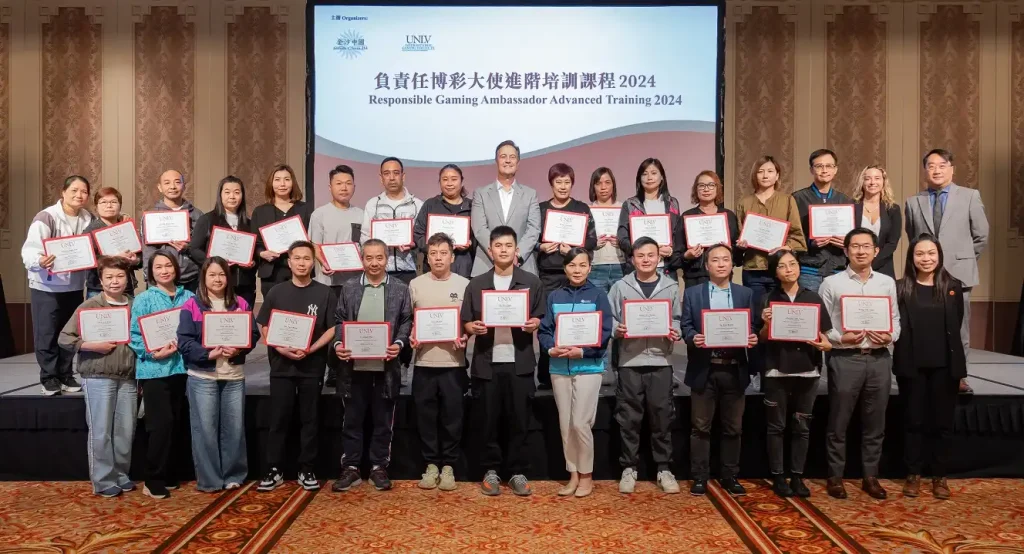
Sands China hosted the 9th advanced training session for Responsible Gaming ambassadors
One key initiative is the Responsible Gaming Ambassador Advanced Training, which Sands China created in partnership with the University of Nevada, Las Vegas (UNLV). This advanced course focuses on international case studies and practical applications for global audiences. Team members who complete the training become Responsible Gaming Ambassadors, thereby learning international best practices to prepare them to assist a growing and diverse range of visitors. After completing training, each team member is recognised with a certificate from UNLV and a Sands China Responsible Gaming Ambassador pin. The programme launched in 2013 and has since been delivered to nearly 650 team members.
In the RG 360 – Macao Responsible Gaming Specialist Ambassador Course, developed in collaboration with the University of Macau, participants focus on localised responsible gaming content. Twenty-one of Sands China’s Responsible Gaming Ambassadors completed the course in 2024, which included training that illustrated how to help identify responsible gaming incidents and the appropriate actions for handling them.
In another initiative, 55 Responsible Gaming Ambassadors visited Hong Kong’s Tung Wah Group of Hospitals as part of Sands China’s unique cross-border programme, the Responsible Gaming Hong Kong Training Tour. They studied advanced approaches to problem gambling prevention and participated in stress-relief workshops, enhancing both professional expertise and personal well-being.
Community Outreach and Other Initiatives
Sands China actively promoted responsible gaming in the community through diverse online outreach initiatives in 2024. Highlights included: a responsible gaming slogan competition whose winning entries will be integrated into future campaigns; a series of mini-documentaries spotlighting the Responsible Gaming Ambassadors, aiming to promote the importance of proactively seeking help; and interactive online activities combining education with entertainment, which resonated particularly well with younger audiences and effectively communicated responsible gaming principles.
6-day responsible gaming photo exhibition and game booth event at The Venetian Macao
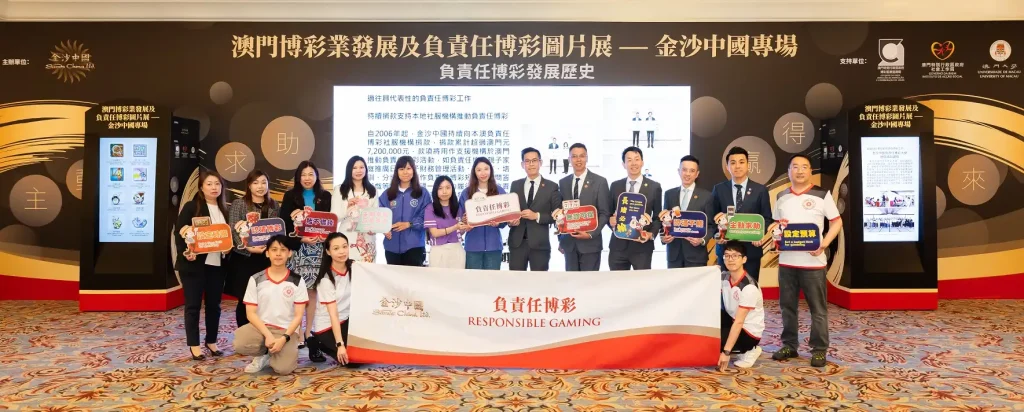
In another effort, Sands China fully supported the Macao SAR government’s responsible gaming promotion policy by holding a six-day responsible gaming photo exhibition and game booth event at The Venetian® Macao. It promoted responsible gaming knowledge to the general public and to tourists, successfully attracting more than 75,000 participants. Sands China sponsored local NGOs to conduct a series of street interviews at popular tourist locations to further promote responsible gaming; the company also assisted NGOs to run the Responsible Gaming Promotion Day. These initiatives provided visitors with an engaging way to understand responsible gaming concepts.
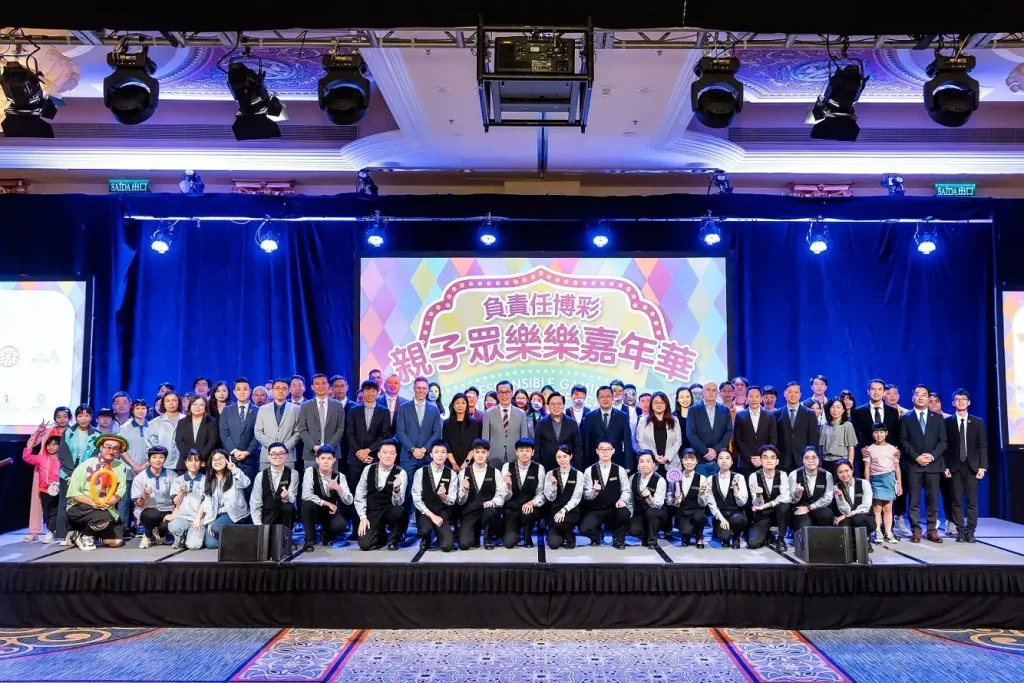
Sands China hosted several responsible gaming carnivals for the community during the year, featuring educational games, interactive booths, and thematic parent-child workshops. A high point was the Sands China Responsible Gaming Parent-Child Carnival. It drew the participation of over 150 individuals and families, comprising team members, members of local NGOs, and their children. The family-oriented event focused on parent-child responsible gaming education, particularly in regard to financial management for youth.
Sands China Responsible Gaming Parent-Child Carnival
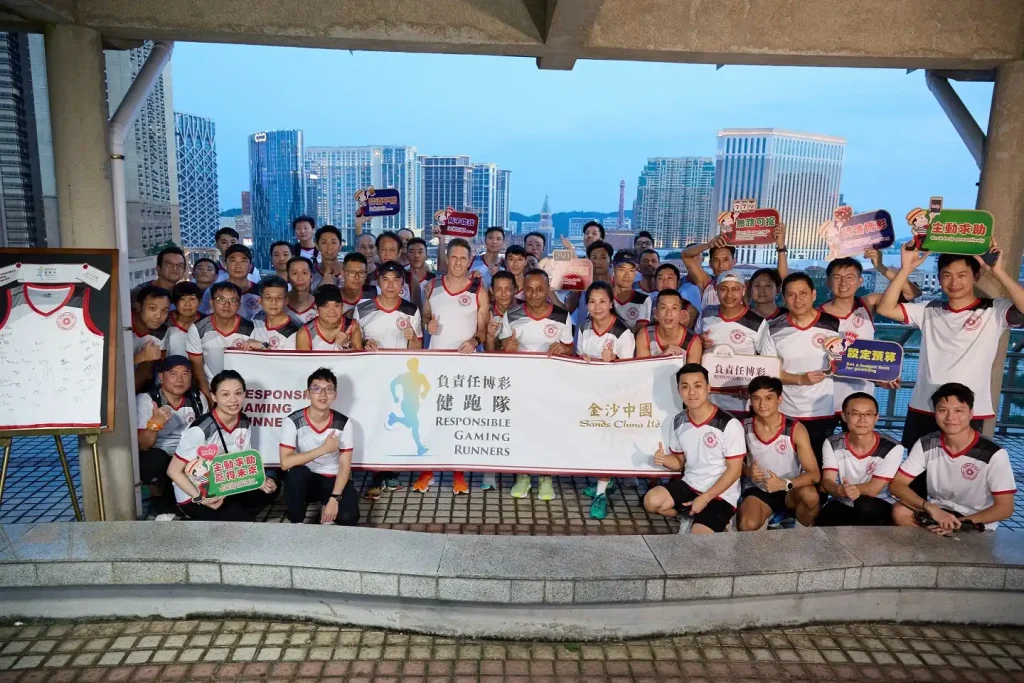
Additionally, Sands China launched its Responsible Gaming Runners initiative in September 2024; it promotes health and well-being by encouraging team members to embrace the principles of moderation and self-discipline in both work and personal life through regular fitness activities.
Sands China Responsible Gaming Runners
These and other efforts are part of the Sands Responsible Gaming Academy, which is committed to promoting the education and well-being of its guests and team members, in recognition of the importance of responsible gaming in the Macao community. Sands China was the first gaming operator in Macao to launch a self-exclusion programme in 2004, and was a pioneer in including responsible gaming training in its company-wide team member orientation programme. Sands China established its comprehensive responsible gaming programme in 2007, with the goals of contributing to the continuous development of the Macao community, bearing corporate responsibility in addressing social issues and developing an environment and a culture of responsible gaming in Macao.
The Sands Responsible Gaming Academy is one of eight sub-academies under the umbrella of the Sands China Academy – a broad talent development platform established by Sands China for its team members and local industry professionals. In addition to providing diversified training programmes for team members, the academy collaborates with local and international tertiary educational institutions to promote the development of professionals in various industries in Macao.