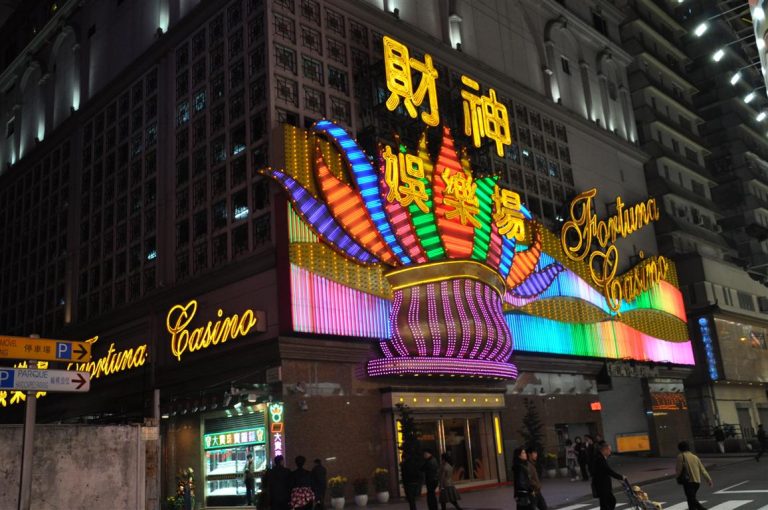
The Monetary Authority of Macau (AMCM) assures that loans to satellite casinos do not represent a risk to the financial sector, in the case of their closure by the end of the year.
Broadcaster TDM Canal Macau highlighted a response to an inquiry by Macau legislator Ron Lam, in which the authority indicated that ‘the loans granted to satellite casinos represent, currently, a very small percent of the loans granted by the banking sector’.
Also in response to the legislator, the Gaming Inspection and Coordination Bureau (DICJ) indicates it is prepared to handle market fluctuations due to the upcoming termination of the satellite casino arrangement on December 31st.
The DICJ notes that it is ‘maintaining contact with the sector and the other government bureaus to face any situation which could affect the smooth functioning of the gaming sector and of social stability’.
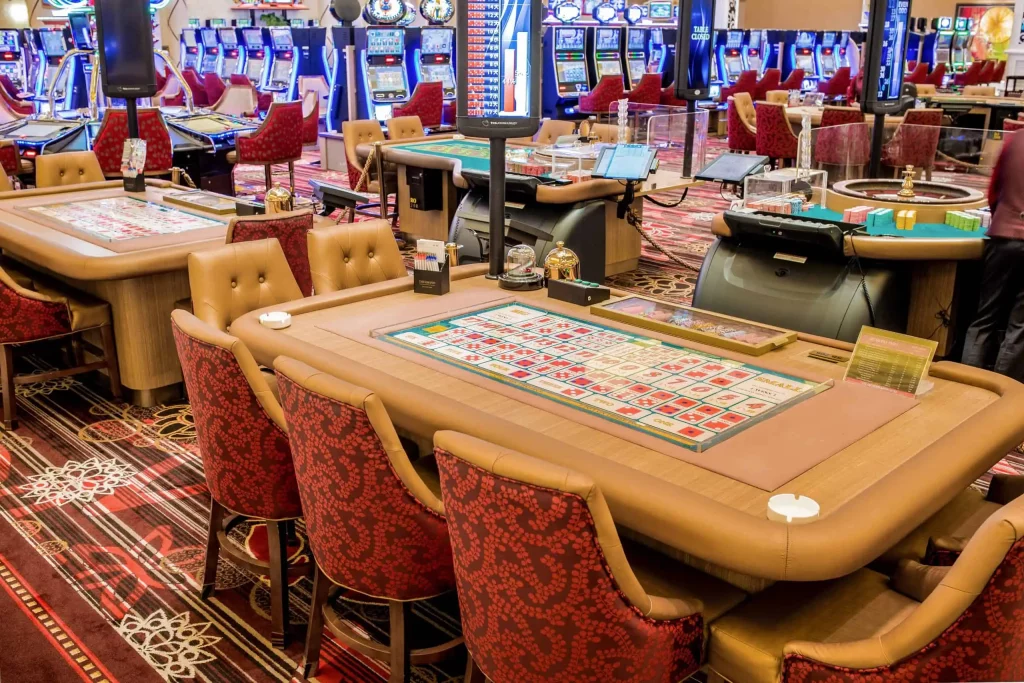
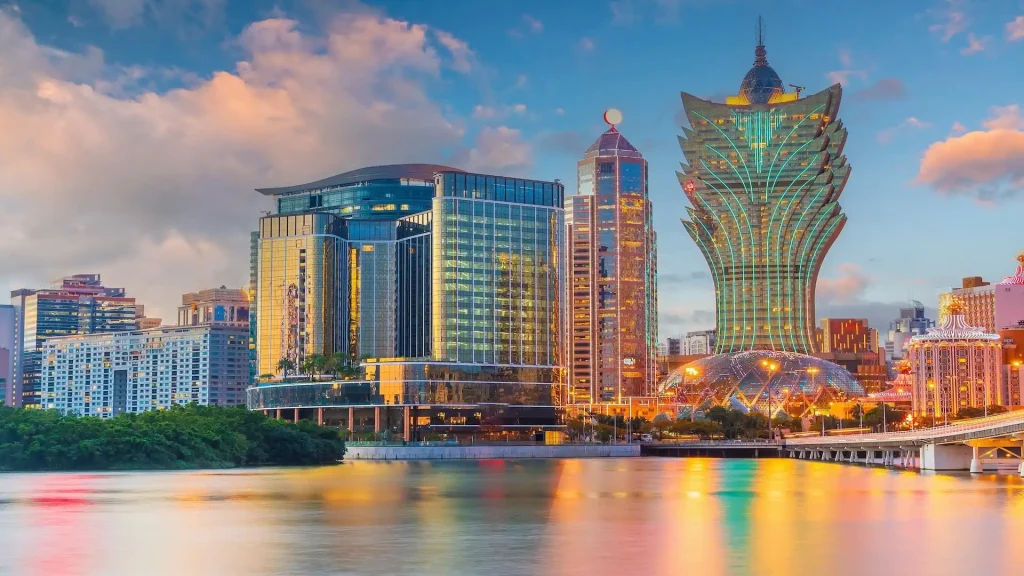
Some 11 satellite casinos are facing potential closure, nine of which are under the license of legacy gaming operator SJM.
The end of the transition period has caused some concern, raising questions over the fate of their current workers and the possible impact on surrounding businesses.
But the gaming watchdog indicates that it has contingency plans for employees, with the Labor Affairs Bureau evaluating human resources necessities of gaming companies to see about possible transfers to other areas including both front- and back-office roles.
Regarding the movement of gaming tables from the satellite casino properties, the DICJ did not give any new details, stating that it would guarantee that ‘the interests of the SAR regarding taxes and other charges resulting from casino operations are protected’.
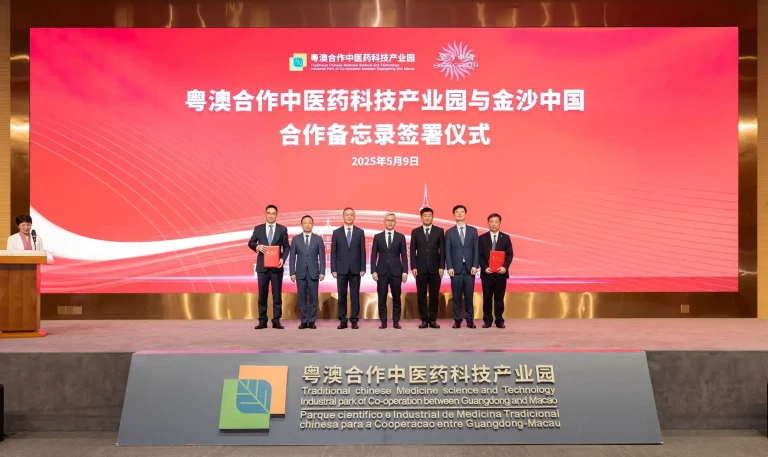
Sands China and the Guangdong-Macau Traditional Chinese Medicine Technology (GMTCM) have partnered to enhance the integration of the Big Health tourism industry across Macau and Hengqin, leveraging the strengths of both regions.
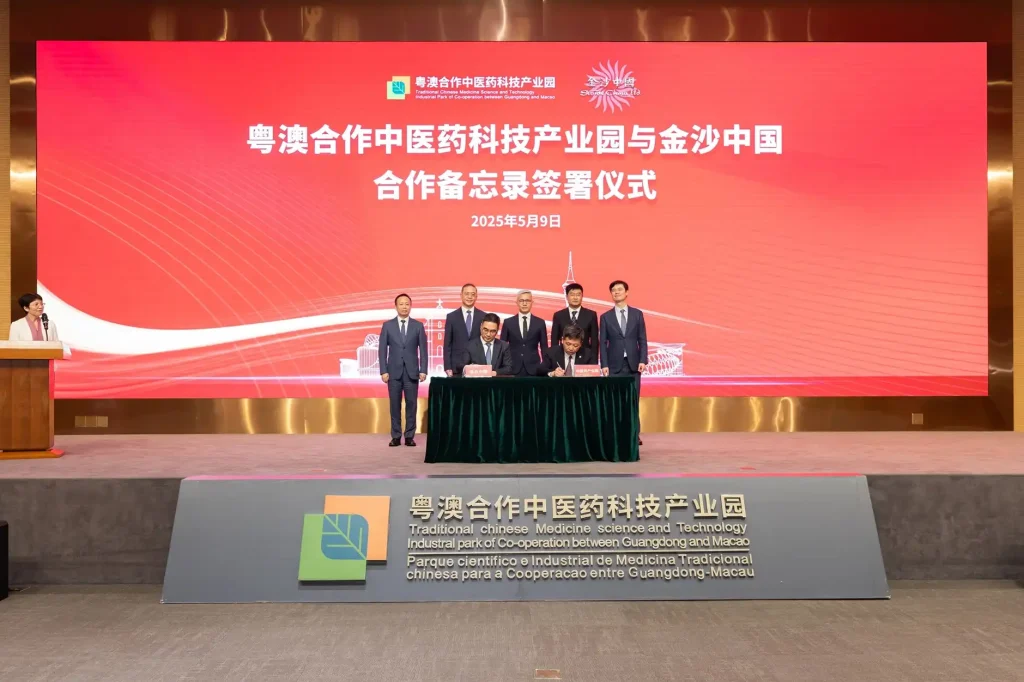
The collaboration was formalized on Friday with the signing of a Memorandum of Understanding (MOU) at the GMTCM Park, located in the Guangdong-Macau In-Depth Cooperation Zone in Hengqin.
This agreement aims to invigorate the industry by leveraging Macau’s status as a global hub for leisure and tourism, its exceptional infrastructure and resources, and the accessibility provided by the ‘one-hour living circle’ in the Guangdong-Hong Kong-Macau Greater Bay Area (GBA).
Macau is a city where Eastern and Western cultures have co-existed for over 400 years. By offering rich tourism resources and capitalising on its proximity to Hengqin, Macau has become one of the four key cities in the GBA.
The partnership between Sands China and GMTCM aims to employ the strengths of their hardware and software resources to unleash the potential of Macau-Hengqin development through promoting regional collaboration. They plan to fully utilise their respective resources to help health brands in Macau and Hengqin go global and attract international and domestic investment to Macau, laying the foundation for collaboration between Big Health products and related MICE events, fully in line with Macau’s vision of promoting “1+4” moderate economic diversification.
Grant Chum, chief executive officer and executive director of Sands China Ltd., said: “Rooted in Macau, which we have called home for more than two decades, Sands China is honoured to be the first among Macau’s integrated resort operators to sign an MOU with GMTCM. We have actively participated in this high-level collaboration, aiming to apply our strengths and value to enhance the city’s pivotal role as a world centre of tourism and leisure and a gateway for cultural exchange between East and West, deepening Macau’s integration into national development.”
Wu Song, chairman of Guangdong-Macau Traditional Chinese Medicine Technology Industrial Park Development Co., Ltd., added: “This collaboration marks the official launch of in-depth cooperation between the two parties in the field of Big Health and tourism, carrying profound significance for advancing the cross-sector integration of Macau and Hengqin’s ‘tourism+’ initiatives. Since China Taiping officially took over the operation of the industrial park in January 2023, significant achievements have been made with the enthusiastic support of relevant central ministries, the Macau SAR government, and various sectors of society.”
“This joint effort is a concrete measure in response to the Macau SAR government’s 2025Policy Address to support key industrial projects in Macau and Hengqin, as well as deepening the cross-sector integration of ‘tourism+’. The industrial park and Sands China have vast potential for collaboration in areas such as product development, service innovation, and market expansion,” he added.
Sands China executives visited the Exhibition Center of the Traditional Chinese Medicine Science and Technology Industrial Park of Cooperation Between Guangdong and Macau in the Guangdong-Macau In-Depth Cooperation Zone in Hengqin.
Potential collaborative projects between Sands China and GMTCM include organising Big Health MICE events through their venue resources and professional platforms to promote the mutual development of the medical, healthcare, and wellness industry in Macau and Hengqin. Related events might include professional forums, industrial exhibitions, and international conferences and meetings, intended to strengthen exchange and interaction between Macau and Hengqin. Other possibilities include introducing new Big Health tourism facilities and products at Sands China’s integrated resorts and GMTCM Park to provide premium health management and medical care services for tourists and residents in Macau and Hengqin.
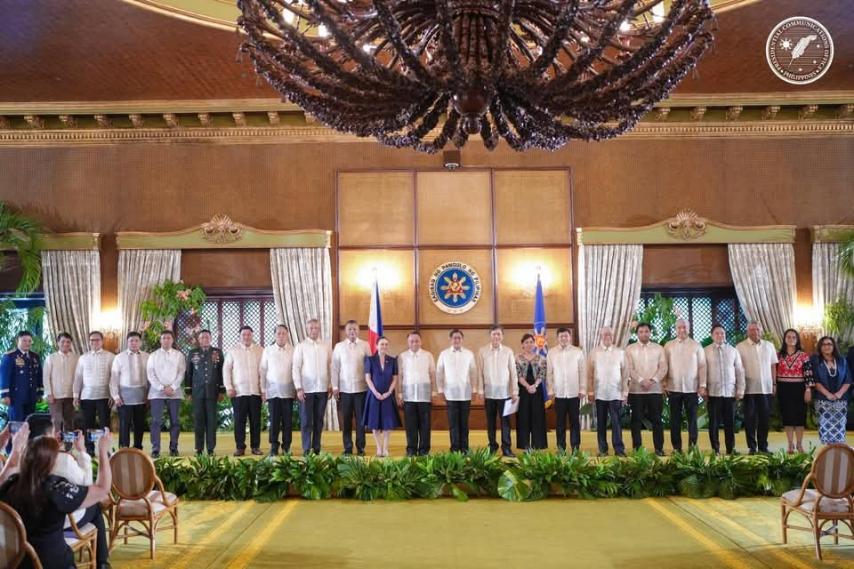
President Ferdinand Marcos Jr. recently recognized the Philippine Amusement and Gaming Corporation (PAGCOR) for its vital role in the country’s successful exit from the Financial Action Task Force (FATF) grey list.
PAGCOR Chairman and CEO Alejandro H. Tengco, along with President and Chief Operating Officer Wilma Eisma, were among the officials honored during a ceremony at Malacañang Palace on Monday, May 5.
They received plaques of recognition for the agency’s efforts in addressing FATF’s concerns related to money laundering and terrorist financing which helped strengthen the country’s financial credibility and compliance with global standards.
“Being on the FATF grey list means that a country has significant deficiencies in anti-money laundering and counter-terrorism financing frameworks which negatively impact foreign investment and increase the cost of doing business,” Mr. Tengco said.
“We are honored that PAGCOR played a crucial part in this development,” Mr. Tengco added. “As the country’s gaming regulator, we will continue to ensure that our licensees adhere to all anti-money laundering rules and regulations.”
Mr. Tengco credited PAGCOR’s Anti-Money Laundering Supervision and Enforcement Department and the Anti-Money Laundering Compliance Department for enhancing their monitoring and enforcement efforts under his watch.
“Now that the Philippines is off the FATF watchlist, we expect an increase in investor trust and the flow of foreign investments,” he said.
The PAGCOR chief also noted that President Marcos’ decision to ban offshore gaming operations was a critical turning point in demonstrating the Philippines’ commitment to global financial standards.
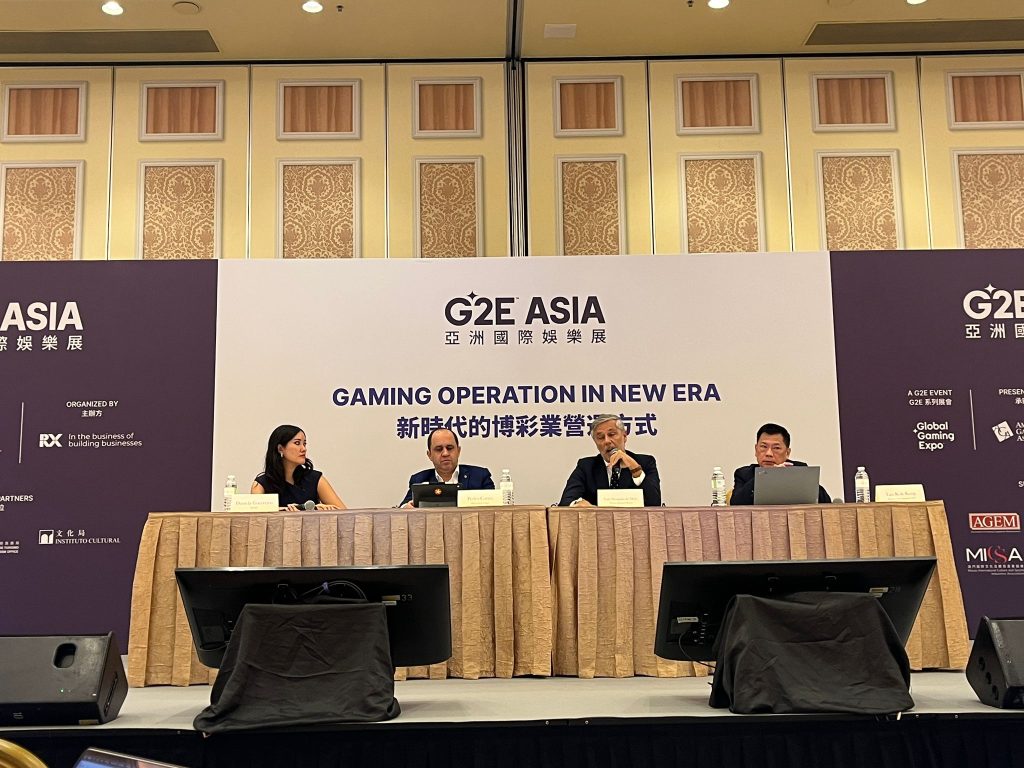
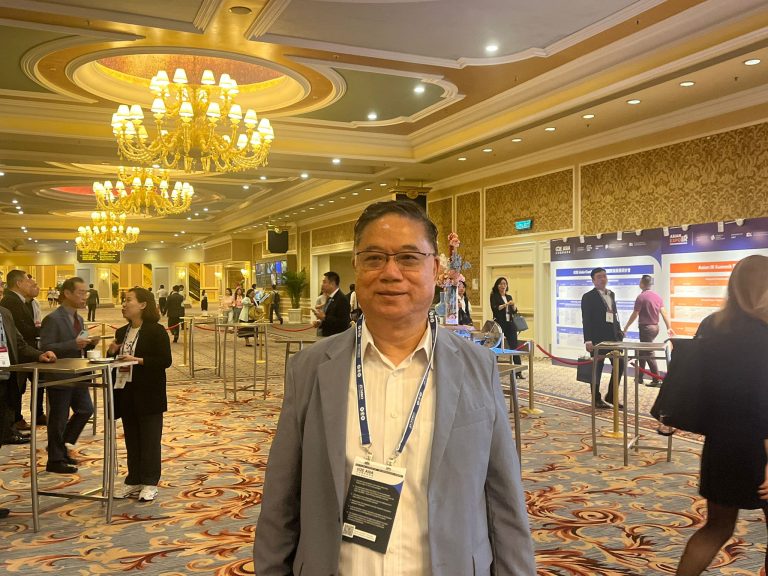
Vietnam’s gaming regulatory system is still “very unsophisticated and immature”, with significant loopholes creating challenges for operators, according to a legal expert speaking at G2E Asia.
Luís Mesquita de Melo, General Counsel at Hoiana Integrated Resort, highlighted the considerable regulatory gaps in Vietnam’s gaming industry during a panel discussion titled “The Latest Compliance Issues Faced by Gaming Operators.”
“Vietnam is obviously an emerging jurisdiction with all the pains of trying to find its way and balance between business interests and regulatory requirements,” Mesquita de Melo said. “The current regulatory system in Vietnam is still very unsophisticated and immature.”
Mesquita de Melo pointed out that while Vietnam introduced a gaming decree in early 2017 as the main legislative framework, it was never completed with necessary follow-up regulations. This has left significant areas completely unregulated, including junket operations and credit issuance.
“Where I see the most relevant regulatory challenges is the fact that there are a couple of areas where there’s absolutely no regulations,” he explained. “One of those areas is junkets, and being a foreigners-only zone because in a country like Vietnam, you have to have junkets.”
In Vietnam, junkets are officially known as “international tour operators” or “travel operators,” but they function essentially the same as junkets in other markets, particularly from Macau. The lack of regulations places junket operations in a legal gray area.
“There are no regulations on credit either. If you associate these two aspects and being a foreigners-only casino where you have to bring players from outside and provide value, it creates a lot of incidents,” Mesquita de Melo added.
Another major obstacle is Vietnam’s unique regulatory approach. As a civil law system, laws in Vietnam are not truly applied until they become the subject of an administrative decision. “This means that for everything that you want to do, there is this mindset that we have to ask the government how to do it,” he said. “This obviously creates an additional layer of problems in the sense that you never really know how the law is going to be interpreted.”
Mesquita de Melo emphasized his belief that the lack of clear legislation is not beneficial for operators, contrary to the view that fewer regulations provide more flexibility. “I honestly don’t believe that’s the case. From a regulatory and compliance standpoint, I believe that the more regulations and clarity you have, the better for the operators, even from a business standpoint.”
A key issue hampering the development of Vietnam’s gaming industry is the absence of a dedicated gaming regulator, according to the expert.
“One of the biggest problems we face in Vietnam is that there is not a gaming regulator, because all the gaming projects need to get approval from the prime minister,” he said.
This structure means that operators must navigate approvals from approximately eight different ministries for any significant decision. “You have the Ministry of Finance that is the most related to gaming, but then you have to go through the Ministry of Public Security, because it’s a matter of security. You have to go through the Ministry of Planning and Investment, you have to go through the Ministry of Justice. It is very difficult to get approvals on anything.”
Given these challenges, operators are often forced to choose between self-regulation based on international standards or taking risks. “The decision to make is to follow international standards and self-regulate your own gaming practices, which we try to do, especially because we are foreign invested,” Mesquita de Melo explained. Alternatively, companies might adopt the approach of “you don’t ask for approval, you ask for forgiveness whenever you cross the red line.”
Macau adapting to Beijing’s policy direction
In contrast to Vietnam’s regulatory challenges, Macau’s gaming industry has undergone significant reforms aligned with Beijing’s policy objectives, according to Pedro Cortés, Managing Partner at Lektou Law Firm.
“Macau is aligning with the policies of the central government,” Cortés explained during the panel at G2E Asia. “When we talk about the first public policy objective of Macau in Article 1 of the gaming law, you see that it’s safeguarding national security and the security of Macau. All operators and stakeholders should have that in mind.”
Cortés compared regional gaming policies to different cooking styles, describing Australia as “the spicy one” for trying to reshape its market, while characterizing Japan’s integrated resort development as “slow-cooked meat” due to ongoing delays. For Macau, he suggested the apt comparison would be a “Beijing kitchen.”
“Despite effectively going through reform in recent years, with the latest gaming law enacted last year, Macau is aligning with the policies of the central government,” he noted.
While acknowledging the transformation of Macau’s market following regulatory reforms, Cortés cautioned against assuming complete industry reorganization. “Don’t think that the VIP market disappeared or that the junkets disappeared. Some former junkets are probably working in unregulated markets in Southeast Asia,” he said, adding that “junkets are very creative human beings” who previously found ways to circumvent regulations.
“Now it’s more difficult for them to do it, and this is very good for Macau,” Cortés concluded. “You see more or less balanced markets now, but don’t think people disappeared overnight. The junkets and sub-junkets are still around in various forms.”
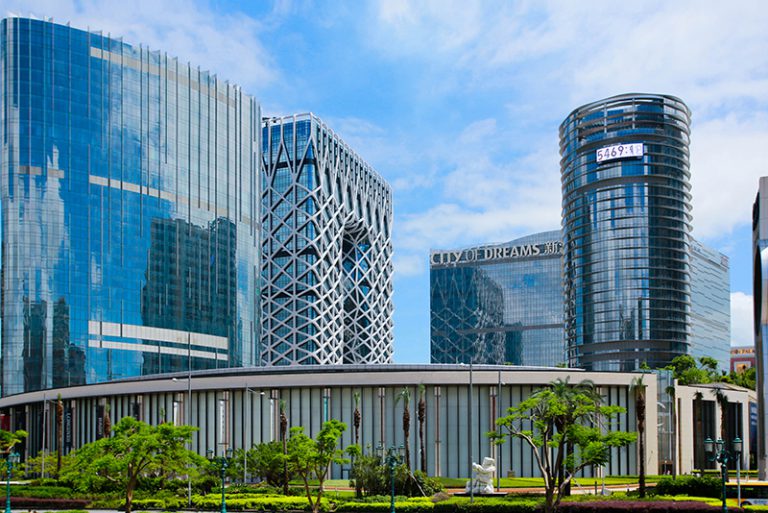
Melco Resorts & Entertainment has reported stronger-than-expected 1Q25 results, demonstrating significant market share gains in Macau while simultaneously reducing operational expenses.
According to an investment memo released by Seaport after the company’s earnings, the company’s property EBITDA exceeded estimates by 8 percent, reaching $341 million, a 15.4 percent quarter-over-quarter increase driven by high hold rates.
Melco’s market share in Macau jumped to 15.8 percent, marking a substantial increase of 150 basis points year-over-year and 100 basis points quarter-over-quarter. This growth underscores the effectiveness of the company’s strategic initiatives in solidifying its market position in the world’s largest gambling hub.
The company has been implementing new marketing and operational enhancements to drive business while optimizing costs. These efforts have proven successful, with Macau’s hold-adjusted Property EBITDA reaching $271 million, reflecting an 8 percent quarter-over-quarter increase despite a slight 1.8 percent yearly decline.
Cost efficiency has been a significant factor in Melco’s improved performance. Daily operational expenses in Macau decreased by approximately 9 percent quarterly to around $3.1 million. This reduction was accompanied by lower player reinvestment at City of Dreams, while Studio City saw a slight increase in this area.
The House of Dancing Water
A key development supporting Melco’s market position is the reopening of The House of Dancing Water, which can accommodate up to 4,000 daily patrons. This attraction serves as a differentiated marketing advantage for Melco, helping to drive foot traffic into City of Dreams.
The company is also making significant progress with digital table implementation, with all baccarat tables at Studio City already upgraded and near-complete implementation at City of Dreams. These technological advancements will enable better-targeted player reinvestment strategies and improved operational performance through enhanced table management.
Business volumes have remained strong into 2Q25, with April’s market share maintaining the high level of approximately 15.8 percent. The May Golden Week holiday period showed year-over-year growth, with the days following the holiday performing better than expected.
On the capital allocation front, Melco has been actively repurchasing shares. Between January 1st and May 7th, the company repurchased $165 million worth of stock, representing over 7.5 percent of outstanding shares. For 2024 alone, $125 million has been repurchased, with $223 million remaining in the current buyback program.
For the coming period, analyst Vitaly Umansky expects Melco’s focus to shift toward debt reduction in the coming quarters rather than large share repurchases. Nevertheless, with its strengthened market position in Macau and operational improvements showing results, Melco’s valuation remains attractive with a compelling risk/reward profile.
Poker has undergone various starts and stops within Asia but it now appears to be on a continuing upward trend, with the Asian Poker Tour (APT) highlighting a breakout event in Taipei recently where it has “truly found a home”.
Speaking to AGB, President of the APT Neil Johnson indicated that the latest 10-day event again set new records for the group and is boosting expectations for the Asia Poker Tour Championship in November. The event is set to be the “largest festival the tour has ever run with a TWD165 million ($5 million) guaranteed main event”.
Johnson notes that, while poker had primarily “been considered an American game,” the rise in popularity in Asia is being boosted by live streaming and media coverage.
That has helped make “players want to play our events and get their time in the sun”.
But the focus is not only on Taiwan.
“There is a huge demand for high quality poker tournaments across the region, and a huge developing market in China, Japan, South Korea, Taiwan, Thailand, and Vietnam, and already a well-established market in the Philippines, where interest in the game is increasing exponentially – as the numbers for our latest Taipei festival has demonstrated,” indicated the executive.
The 10-day event was held in partnership with Chinese Texas Hold’em Poker Club (CTP), bringing in 3,549 unique players from 51 countries and regions, with 22,909 total entries.
“We are very lucky with the APT ownership, who have a true passion for poker and a drive to grow the game in Asia, and who are not scared to put their money where their mouths are and offer some huge guarantees,” notes Johnson.
The executive further highlighted that the group aims to create “something that feels as iconic as the World Series, or the EPT (European Poker Tour), only with the focus on Asia specifically”.
The APT Championship in Taipei runs from November 14th to 30th.
The former Chairman of the Philippine Amusement and Gaming Corporation (PAGCOR), and four other top officials have been sentenced to over 100 years in prison over graft and alleged misuse of agency funds.
According to reports, former PAGCOR president Efraim Genuino was charged alongside former COO Rafael Franciso, former SVP for administration Rene Figueroa, former SVP for corporate communications services Edward King and former assistance VP for internal audit Valente Custodio.
Each was found guilty of five counts of violating the anti-graft and corrupt practices act.
They were also sentenced to five counts of malversation of public funds.
The court also temporarily archived cases against former PAGCOR Vice President for accounting Ester Hernandez, who authorities indicate remain at large, with possibility of revival upon arrest or surrender.
The case relates to some PHP50.5 million ($912,000) in PAGCOR funds disbursed between 2005 and 2008, allegedly used to fund promotional items for an organization founded by Genuino in 2003 – the BIDA Foundation.
The court ruled that the purchases did not go through a public bidding process, with amounts exceeding threshold targets for procurement.
Despite the charges, the five were acquitted of 14 other counts of graft and 15 counts of malversation linked to other transactions – including donations to the BIDA Foundation, and purchase of tickets for a film and advertisements amounting to over PHP100 million ($1.8 million) in 2008 and 2009.
Genuino was alleged to have diverted the PAGCOR funds to the BIDA Foundation in order to support his run for a seat in the House of Representatives in the 2010 elections, a bid that eventually failed.
The rulings stem from corruption allegations filed by the Office of the Ombudsman in 2011.
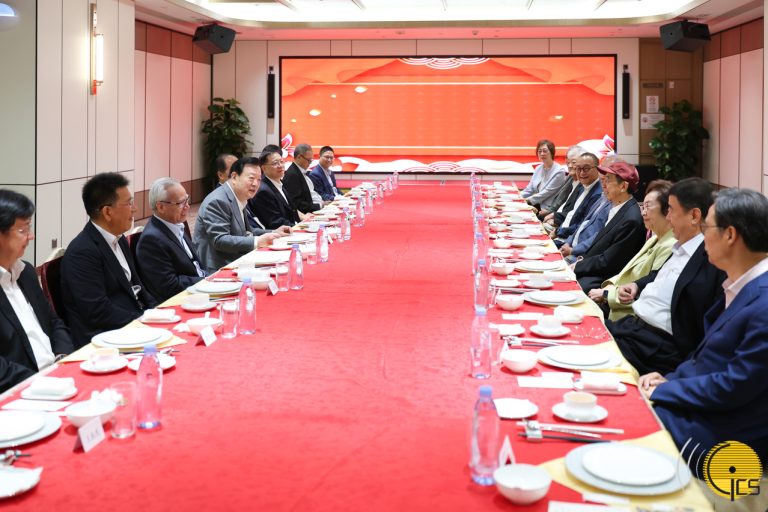
The head of the Hong Kong and Macau Affairs Office has discussed the impact of the US-China trade dispute with Macau officials, attempting to assuage concerns but pushing for diversification away from gaming.
According to RTHK, the trade dispute was highlighted in a seminar with officials, including Macau’s new Chief Executive Sam Hou Fai.
One delegate told media that Xia Baolong indicated that the tariff conflict “will likely continue for a period of time, having a major impact on the entire world”.
The delegate furthered that “he said it will certainly be painful. We may not know how long the pain will last, but we all have to face it”.
In a separate seminar with Macau lawmakers, the affairs office head dished out praise for Macau’s enacting of legislation on gambling and national security, as well as electoral reform, but stressed that Macau needs to diversify its economy.
Xia Baolong was in Macau for a multi-day visit, encompassing many of the SAR’s top tourist sites, as well as meetings with top officials and social groups.
The question of whether Macau’s casino operators could be caught in the middle of the trade dispute has been raised multiple times, as discussions had appeared to reach a stalemate before the weekend.
However, US President Donald Trump attempted to shine a positive light on the topic after US-China trade talks took place in Switzerland.
Trump claimed there had been a “total reset” in trade relations between the two economic giants after the first day of meetings between US and Chinese officials. Talks between US Treasury Secretary Scott Bessent and Chinese Vice-Premier He Lifeng continued on Sunday.
Macau’s junket industry is calling for greater clarity and fairness in regulations as the city welcomes a new head of its gaming regulatory body, the Gaming Inspection and Coordination Bureau (DICJ).
Speaking to AGB, U Io Hung, President of the Macau Professional Association of Gaming Promoters, expressed hope that the appointment of new DICJ Director Ng Wai Han will bring clearer administrative guidance and a more balanced approach to oversight.
“We hope the new director will provide a clear framework for day-to-day operations, not only on the administrative front but also in regulatory monitoring,” U said. He emphasized the need for regulatory measures that are consistent and reasonable in their application.
His comments refer to heightened scrutiny by the DICJ, including a recent reminder that junket employees and administrative management staff must display work permit badges issued by casino operators while on duty. Non-compliance could result in fines ranging from MOP100,000 ($12,430) to MOP500,000 ($62,150).
U described the penalties as unusually harsh by international standards. “I believe this fine is rare in the whole world. I hope Director Ng can reevaluate this issue,” he said.
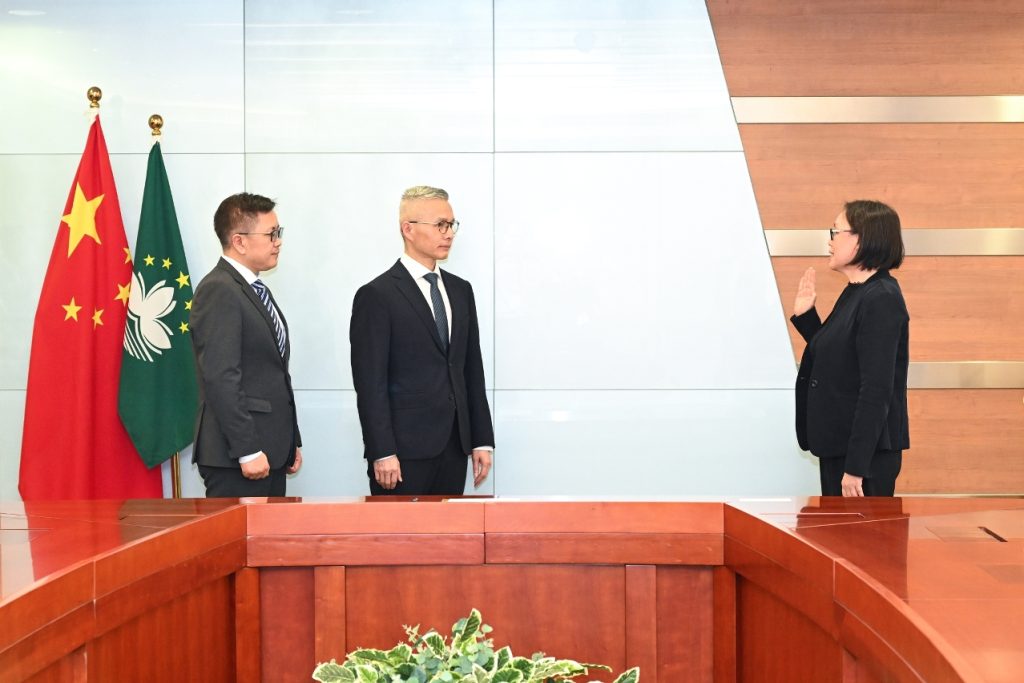
The DICJ had been without a permanent leader for over five months before Ng’s appointment. Her swearing-in ceremony was held on May 7th, during which Secretary for Economy and Finance Tai Kin Ip urged her to unite the team and proactively address public expectations for the gaming sector.
U Io Hung also acknowledged that DICJ directors are expected to align with central government policies. He cited recent remarks from senior officials regarding tighter oversight of non-gaming-related investments. “I believe the DICJ will definitely follow the rules,” he added.
The Macau government periodically conducts a comprehensive review of gaming operators’ implementation of non-gaming investment commitments.
Secretary Tai Kin Ip confirmed that a review mechanism is already in place to ensure concessionaires meet their contractual obligations. Under the new gaming concession contracts, the six operators are required to invest a minimum of MOP108.8 billion (US$13.6 billion) in non-gaming projects over 10 years. As Macau’s gross gaming revenue in 2023 exceeded MOP180 billion ($22.5 billion), the required investment will increase by 20 percent to approximately MOP130.4 billion ($16.3 billion).
Although these non-gaming investments are classified as commercial commitments rather than public expenditures, the government has emphasized that it will strictly monitor compliance to ensure gaming companies fulfill their social responsibilities.
On a broader note, junket veteran U Io Hung commended the authorities’ ongoing efforts to curb illicit money exchange activities in and around Macau’s casinos. “The results are clear — illegal money changers inside and outside casinos have been effectively cracked down on,” he said. He noted that DICJ’s new director is expected to approach this issue in line with the existing framework.
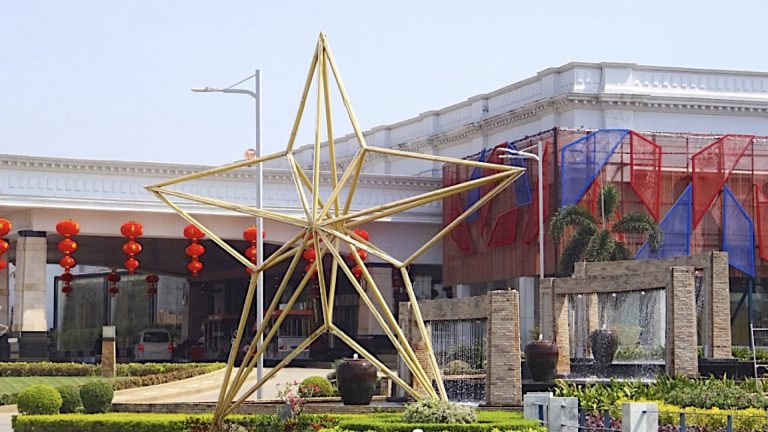
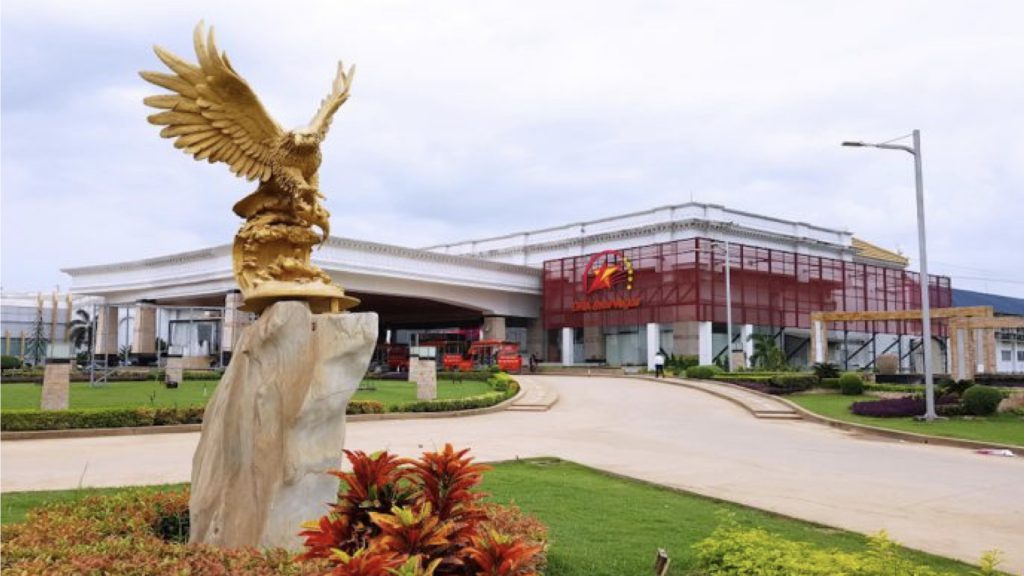
Australian-listed casino operator Donaco International Ltd is facing a delay in the implementation of its proposed acquisition by On Nut Road Limited (ONR), as well as growing uncertainty over its tax obligations in Cambodia.
In a market update, Donaco said the Scheme Implementation Deed (SID) with ONR—announced on March 17th and offering shareholders AU$0.045 ($0.029) per share in cash—has been held up due to valuation and legal review complexities.
The company had initially scheduled the scheme meeting for June 3th, with the accompanying scheme booklet to be sent to shareholders by May 6th. However, these plans have now been pushed back.
Donaco blamed the delay on longer-than-expected timelines from third-party valuation contributors, extended legal analysis of Cambodian and Vietnamese regulatory frameworks, and public holidays in all three jurisdictions.
As a result, the Independent Expert reviewing the deal has not yet finalized its report, preventing the company from lodging documents with the Australian Securities and Investments Commission (ASIC).
‘The delay is through no fault of the Independent Expert,’ Donaco stated. ‘An updated scheme timetable will be provided once the report is complete and court hearing dates are confirmed.’
Tax trouble in Cambodia
Separately, Donaco revealed it may be liable for a significant new tax burden stemming from regulatory changes in Cambodia, where its Star Vegas casino operates.
Although Donaco has been paying a 7 percent contribution on gross gaming revenue (GGR) to the Cambodian Commercial Gambling Management Commission (CGMC), a new legal interpretation suggests an additional 10 percent value-added tax (VAT) may also now apply.
This stems from a directive issued by Cambodia’s Ministry of Economy and Finance in December 2022, which expanded tax obligations to include VAT, monthly and annual income tax payments on GGR for all licensed gaming operators.
While these measures had been deferred by the previous administration until at least the end of 2024—prompting many in the industry to assume the delay would be indefinite—the General Department of Taxation (GDT) confirmed in January 2025 that the taxes are now in effect.
Legal advice obtained by Donaco indicates that, effective from January 1st, 2025, the company is indeed liable for the additional taxes, even though no formal tax assessment has yet been issued. The company estimates that the VAT liability for the first quarter of 2025 could be as high as AU$666,000 ($426,246).
Adding to industry concerns is the fact that the 10 percent VAT is not offset against the existing 7 percent GGR contribution to the CGMC, raising the prospect of double taxation—a burden Donaco and other operators have flagged in discussions with Cambodian authorities.
In February, Donaco requested a delay in VAT reporting, but the GDT rejected the appeal in early April, insisting the company must fully comply with the directive and all relevant tax laws.
Engagements with the Cambodian government are ongoing, and Donaco said the final tax determination remains subject to government decision.
The group reported a slight drop in revenue during the quarter ended March 31st, despite stable visitation numbers across its properties.