
Home Blog Page 393

Galaxy boss warns budget hotel shortage threatens Macau’s non-gaming expansion

0

Macau’s supply of hotel rooms priced under MOP1,000 ($125) is falling short of meeting the needs of business and budget travelers, warns Galaxy Entertainment Group Chairman Francis Lui Yiu Tung.
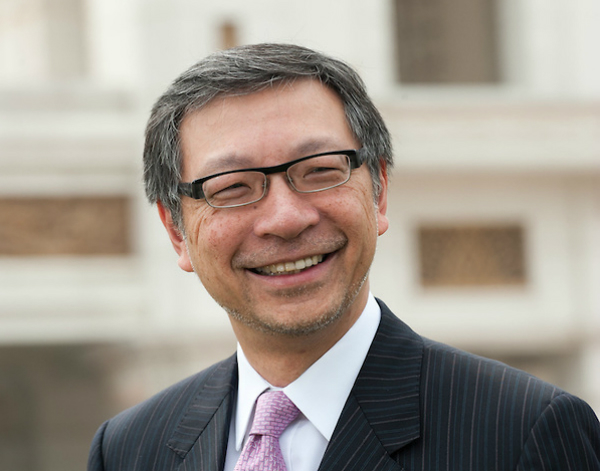
Francis Lui, Galaxy Entertainment Group
Galaxy Entertainment Group Chairman Francis Lui Yiu Tung

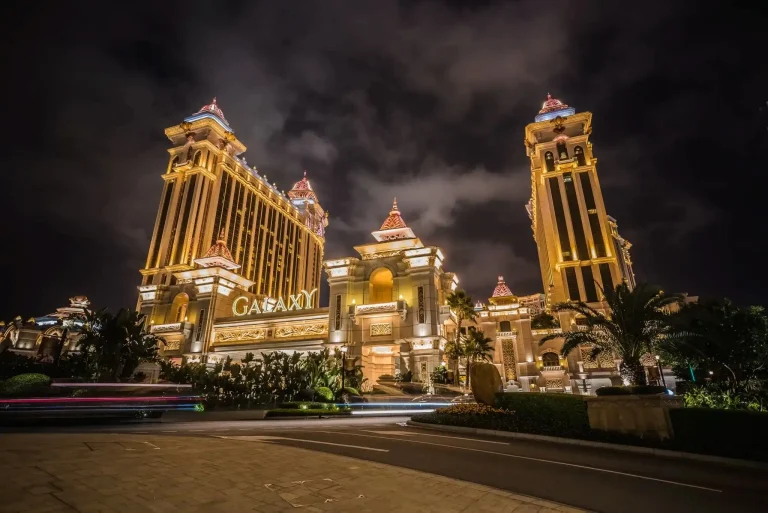
Speaking at a media briefing this week, Lui described the shortage as a growing concern, according to Hong Kong media. He noted that although Galaxy and other gaming operators have ramped up non-gaming offerings—such as concerts and conventions—one of the key barriers to further expansion is the limited availability of affordable accommodation. “For example, Broadway Macau has just over 300 rooms. In the long term, redevelopment may be needed,” he said. However, the company’s immediate priority remains the completion of Phase 4 of the Galaxy Macau development.

Lui also emphasized that the group’s shift toward non-gaming has not only diversified its business model but has also enhanced profitability. “Large-scale investment in non-gaming has helped reduce costs such as commission payments to junket operators, making overall profit margins better than before,” he said.
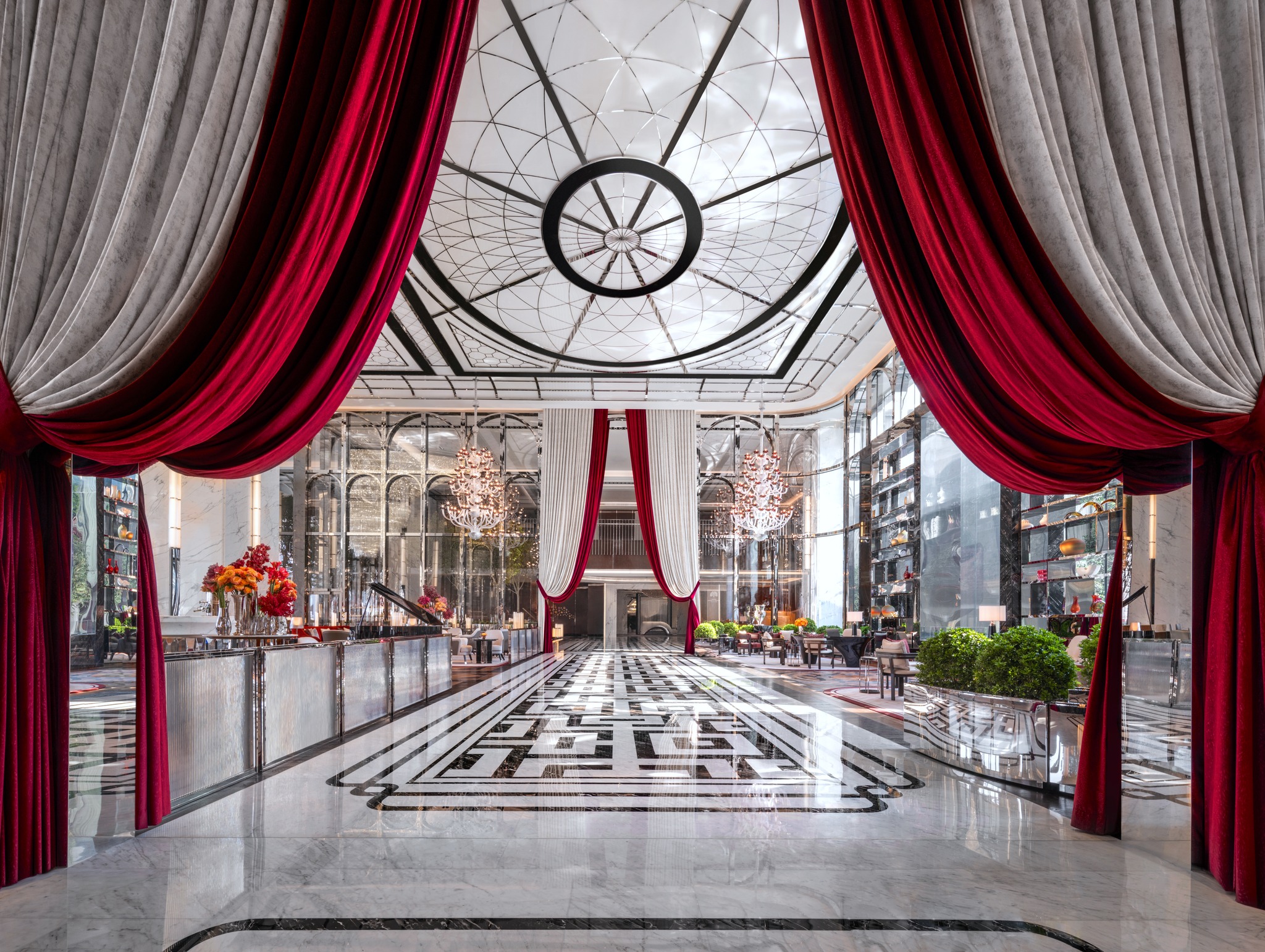
Raffles Hotel, Galaxy Macau

Macau’s luxury-heavy hotel landscape

Macau’s hotel sector is heavily skewed toward the high end. According to data from the city’s tourism bureau, there are about 28,000 five-star hotel rooms, compared to roughly 15,000 in the three- and four-star categories. Most luxury rooms are located within integrated resorts that combine casinos, retail, and entertainment offerings.

This imbalance has prompted calls from both government and industry leaders to increase the supply of budget-friendly options. Former Macau Chief Executive Ho Iat Seng had acknowledged the disproportionate number of five-star hotels and noted that a broader mix, particularly in the three- and four-star segment, is essential to attract group and middle-income tourists.

Galaxy Entertainment previously warned that hotel room capacity could become a constraint on Macau’s long-term growth. In a November 2024 investor roadshow, executives noted that the city’s 48,000 hotel rooms — 38,000 of which are four-star or above — fall short of meeting demand from the 80,000 to 100,000 daily visitors Macau has been receiving in recent months. By comparison, Las Vegas has 150,000 hotel rooms, while Hong Kong and Singapore offer more than 80,000 and 70,000 respectively.

In the recent interview, Lui indicated that insufficient supply of affordable rooms can also result in operational inefficiencies. For instance, after concerts or conventions, attendees who lack accommodation often leave the city immediately, causing congestion at border crossings. He estimated that Macau still lacks more than 10,000 rooms in the business and economy segment.
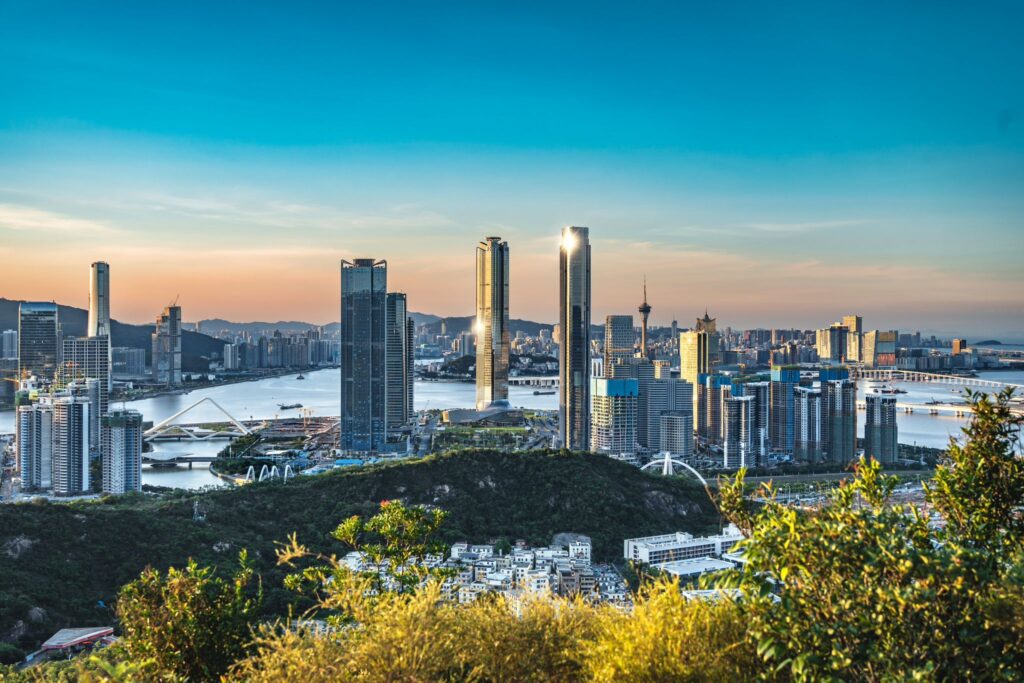
Hengqin non-gaming Greater Bay Area, Macau

Galaxy explores expansion opportunities

To address this, Galaxy is exploring the redevelopment of Broadway Macau and monitoring potential opportunities in Hengqin.

As reported by AGB, Galaxy Entertainment also owns 2.7 square kilometers of land to be developed in Hengqin. Chinese investment institution GF Securities noted the firm plans to invest CNY10 billion ($1.43 billion) to develop Maldivian-style low-density leisure resorts at the location. 

Galaxy’s Hengqin site is six times larger than the Galaxy Macau project (including phases 1-4). When the Macau Galaxy project is fully developed, it will provide a total of 8,100 hotel rooms. Therefore, although the floor area ratio of the Hengqin project is low, it can still accommodate a large number of hotel rooms.

However, Lui stressed that developing hotel facilities in Hengqin would require policy support, including easing the land reversion rules, improving transport infrastructure, and creating sufficient foot traffic.

He also revealed that Galaxy is advocating for a non-gaming project in the Lai Chi Vun shipyard area, pending further land-use planning by the government, and emphasized the goal of avoiding competition with small and medium-sized enterprises.
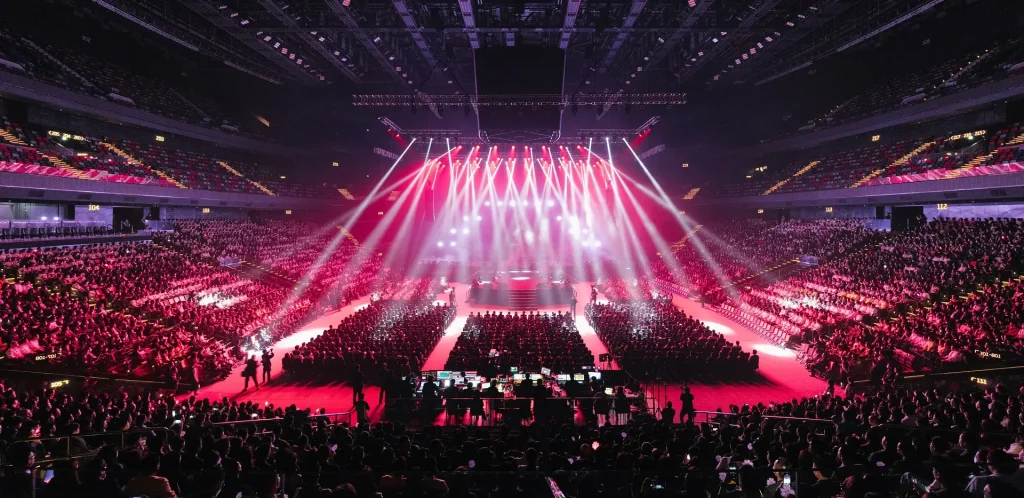
Galaxy Arena, Galaxy Macau
Galaxy Arena

Entertainment offerings gain strong traction

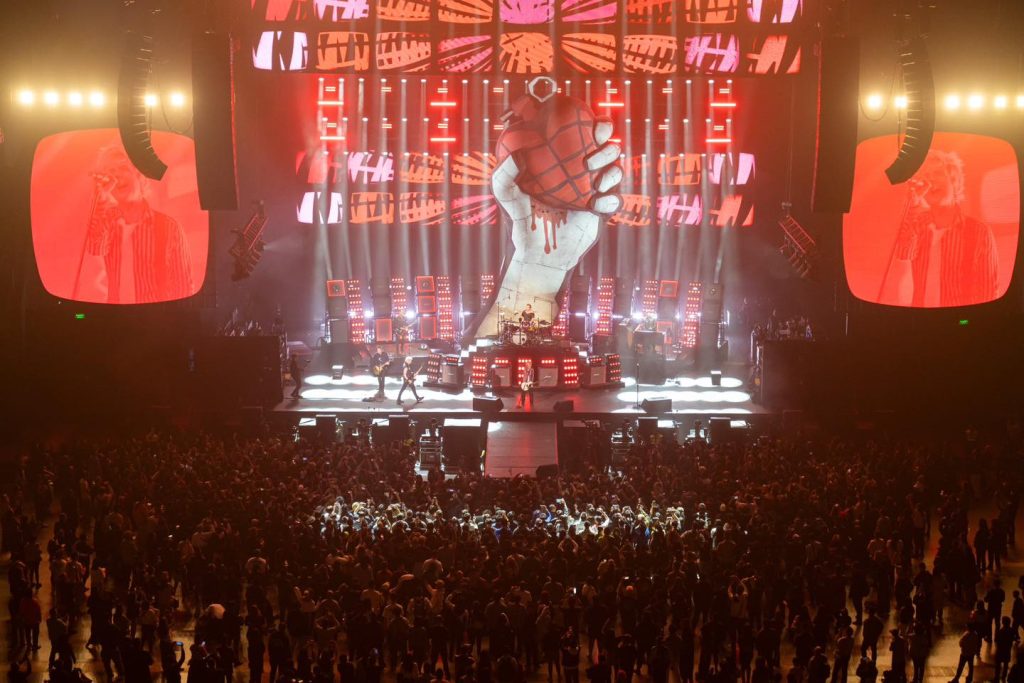
In the entertainment segment, Galaxy has found strong traction. Recent concerts featuring artists such as Jacky Cheung, Plácido Domingo, and Andrea Bocelli all sold out. Lui said the company aims to enhance the “gold content” of its non-gaming offerings, targeting high-value shows that drive visitor spending and strengthen Macau’s regional competitiveness. 

To this end, Galaxy is exploring resident performances and artistic shows from regions not commonly available in mainland China, including Korean pop groups and US-based acts.

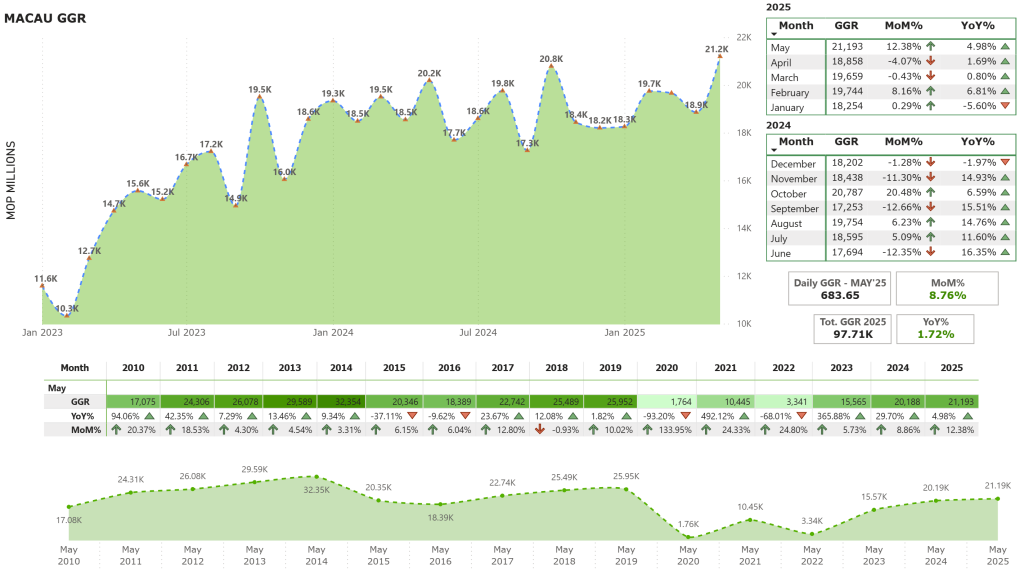
Despite the challenges, Lui expressed confidence in Macau’s current trajectory. He expects gaming revenue in June to remain strong, following a 12 percent month-on-month increase in May

Macau GGR reaches MOP21.1B in May, highest monthly amount this year

The market, he said, has transitioned away from VIP-centric operations and now relies primarily on mass and premium mass segments, aligning with a broader strategy to cultivate a more sustainable, diversified tourism economy.

SOFTSWISS unveils API 2.0 for Sportsbook, enhancing integration flexibility

SOFTSWISS, a leading tech company providing software for the iGaming industry, has introduced API 2.0 to its Sportsbook, unlocking faster, simpler, and more flexible integrations, reducing integration time for clients and enabling seamless onboarding of new features, all while supporting broad compatibility across diverse technologies and platforms.

The updated transactional process in API 2.0 removes the need for multiple technical connection points (endpoints), replacing them with just two essential ones. This makes it significantly easier and faster for platforms to connect to the Sportsbook – instead of managing complex bet details, they simply handle balance updates, while the Sportsbook manages the full betting flow. As a result, integration becomes quicker, more reliable, and more cost-efficient.

Another key benefit is that API 2.0 picks up new Sportsbook features automatically, without requiring any changes in the client’s code. That means new tools and functionality can be rolled out instantly, without additional effort from the client’s development team. The API also follows one unified structure that works for any platform, so there is no need to build separate versions for different partners. This simplifies technical maintenance and helps clients scale faster.

Alexander Kamenetskyi, Head of SOFTSWISS Sportsbook, commented: “We’ve built API 2.0 to be as open and adaptable as possible. It’s now easier than ever to integrate our Sportsbook into any casino platform – no matter how it’s structured. By simplifying the contract and making metadata handling optional, we empower our clients to focus on wallet processing while we take care of everything else. That’s the strength of this solution – it’s plug-and-play but powerful.”

API 2.0 offers greater flexibility by allowing platforms to customise the integration based on their specific needs – for example, by showing or hiding certain data fields. This means the Sportsbook can easily adapt to different frontends and wallet systems, even those that do not have built-in support for sports betting. The updated setup also ensures smoother and more stable integrations, with automatic checks to catch issues early. Looking ahead, partners will be able to test everything themselves through a simple interface and get instant feedback, making the onboarding process even faster.

The API launch follows recent accolades for the SOFTSWISS Sportsbook. The platform was recognised as the Innovation of the Year at the Sports Betting East Africa Summit and was named Best Sports Betting Provider in the Nordics at the Baltic and Scandinavian Gaming Awards 2025, affirming its leadership in product excellence and market adaptability.

Daily Asia Gaming eBrief: Nevis debuts as new gold-standard iGaming licensor

0

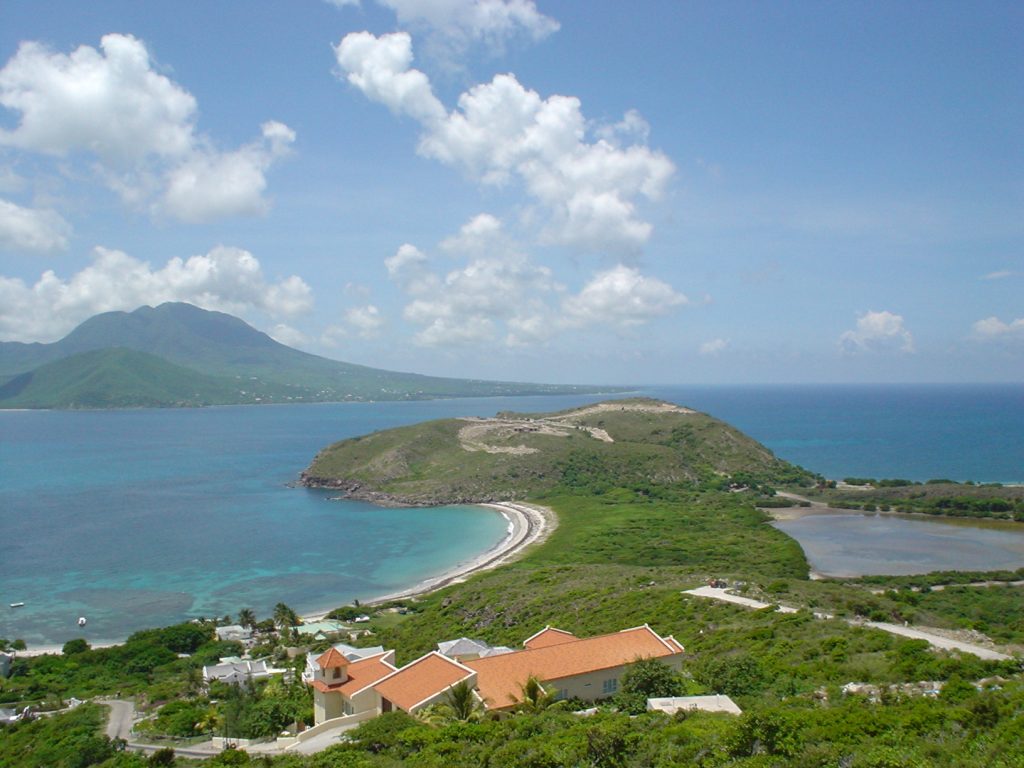
Good Morning. The gold standard. That’s what the Caribbean island of Nevis is vying for, as it pursues a future in the world of iGaming. The country officially entered the online gaming sphere boldly, coming in with a robust and credible licensing process that will undoubtedly attract attention. Meanwhile, in Macau, it’s all about market share, as the world’s gaming hub sees top operators Galaxy and Sands duke it out with their latest offerings. And in the speculative world, Thailand is still aiming to pass its casino bill, although many questions remain about who it will attract and how it will play out.

What you need to know


On the radar


AGB Intelligence

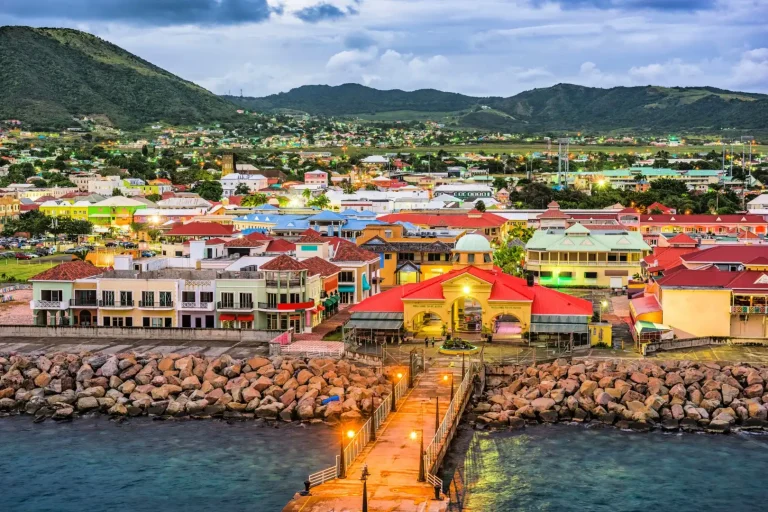
Basseterre-Saint-Kitts-Nevis

Nevis launches new online gaming license

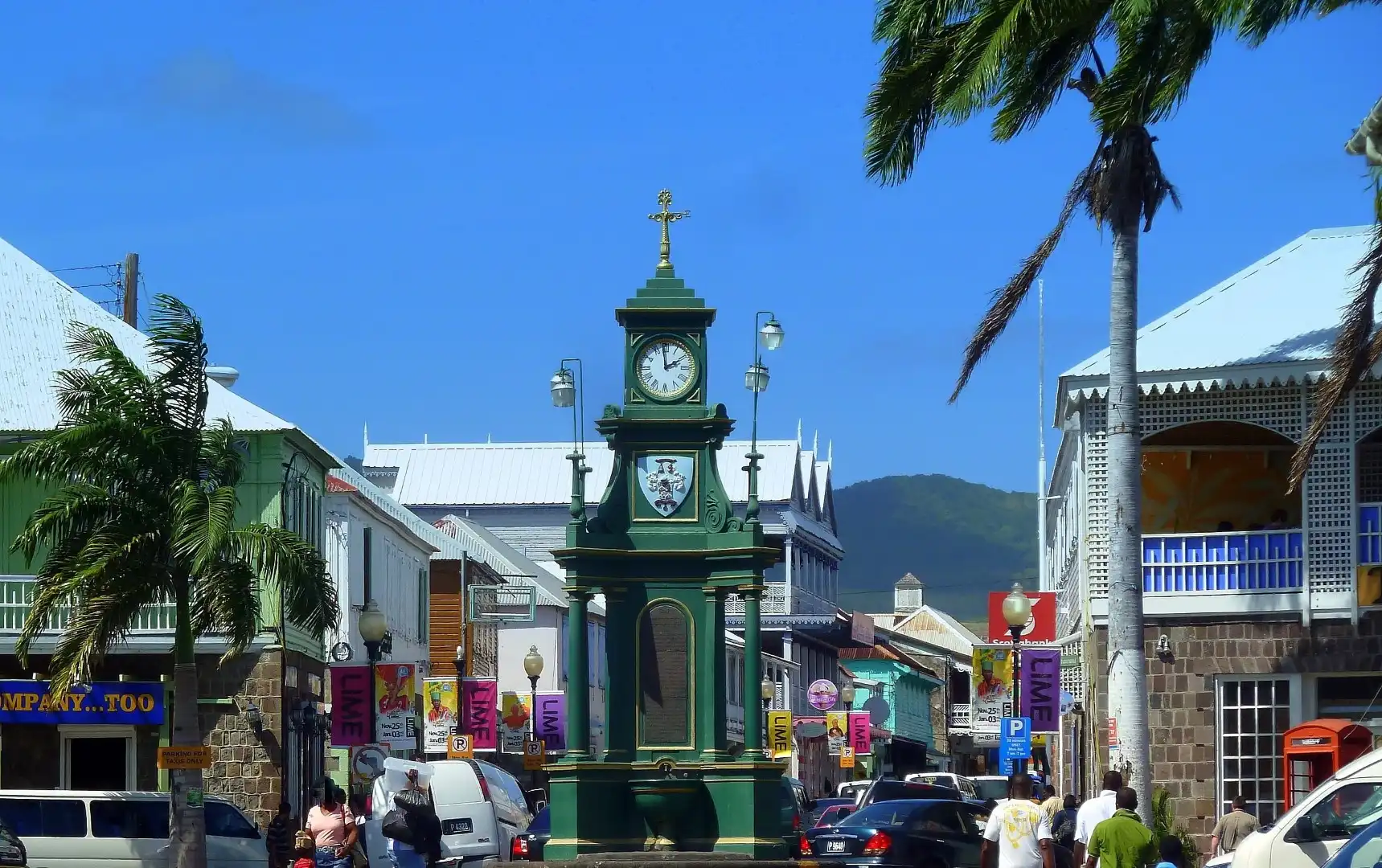
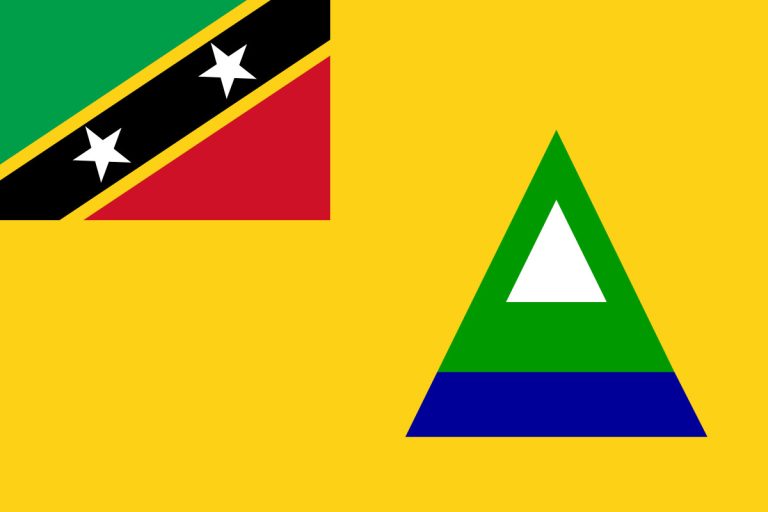
There is a newcomer to the iGaming sphere! The Caribbean island of Nevis has announced that it is now launching a ‘gold-standard’ online gaming license, with the industry hoping to enter the top tier of gaming jurisdictions worldwide. Both B2B and B2C licenses will be available, with companies required to set up a local operating entity to provide their services.


Corporate Spotlight

Bettorify bridges European operators to Asia’s gaming markets

Beyond Ordinary Platforms: Bettorify bridges European operators to Asia's gaming markets

With over 30% of global gaming revenue projected to come from Asia soon, the window of opportunity is wide open. Bettorify’s white-label and turnkey solutions deliver what most platforms miss: sharp execution backed by real local expertise.


Industry Updates


INTELLIGENCE | ASEAN | CAREERS

Thailand pushes to finalise casino bill within current government term

0

Thailand’s government is intensifying efforts to pass legislation on entertainment complexes featuring casinos, with officials stating during a media briefing on Wednesday that the bill should be finalized within the current administration’s term.

The current government, led by Prime Minister Paetongtarn Shinawatra since August 2024, will remain in office until June 2027.

Deputy Finance Minister Julapun Amornvivat and Deputy Secretary-General to the Prime Minister Suksit Srichomkwan led the press briefing on June 4th, one day before Amornvivat was scheduled to appear before a Senate Extraordinary Committee reviewing the Entertainment Complex legislation.

Thai lawmakers are set to begin deliberating the draft law in July, as the government advances plans to develop the gambling sector and boost tourism.

According to multiple media reports, the Pheu Thai party-led administration hopes to attract at least THB100 billion ($3 billion) in new investment and expects foreign tourist arrivals to increase by up to ten percent. 

Government assessments project the entertainment complexes will generate between THB12.04 billion ($353 million) and THB39.25 billion ($1.15 billion) in annual state revenue, including taxes from five-star hotels and theme parks.

“The government will create a comprehensive law and prevent negative impact,” Amornvivat said during the press conference. “The country needs change; it needs a new engine of growth for the economy.”

The draft law, approved by the cabinet earlier this year, includes strict restrictions for Thai citizens, requiring a THB5,000 ($147) entry fee and proof of at least THB50 million ($1.5 million) in bank deposits—effectively excluding most of the population. The legislation must gain lower house approval and pass the Senate before receiving royal endorsement.

thailand

Thai officials outlined comprehensive financial monitoring systems designed to prevent money laundering, with Srichomkwan confirming that visitor transactions will be recorded and tracked. The government plans to enforce responsible gaming rules, including advertising bans and entry denial for individuals deemed financial risks.

Beyond gambling facilities, the “Thailand Entertainment Complex” project encompasses exhibition centres, large-scale concert venues, museums, water parks, and theme parks modelled after international destinations like Disneyland and Universal Studios. Additional amenities will feature high-end restaurants, One Tambon One Product (OTOP) centres, and business incubation facilities.

Srichomkwan highlighted infrastructure benefits, explaining that existing venues like Rajamangala and Supachalasai stadiums lack proper facilities for world-class concerts and require THB6 million ($176,000) in re-turfing costs after each major event.

Tourist spending per trip is expected to increase from the current THB6,000-7,000 ($176-$205) average to approximately THB22,000 ($645), while Thailand’s GDP could grow by at least 0.8 percent annually.

Gambling is currently largely prohibited in Thailand, with exceptions for the national lottery, state-controlled horse racing, and limited sports betting. However, illegal gambling operations have persisted for years despite these prohibitions.

Nevis set to launch ‘gold-standard’ online gaming license as industry eyes new Tier-1 jurisdiction

The Caribbean island of Nevis has officially entered the global iGaming stage with the passage of new legislation enabling a comprehensive online gaming licensing regime.

Regulations are currently being finalized, and the jurisdiction is positioning itself as a serious, stable, and highly attractive option for operators seeking a Tier-1 gaming license.

According to documents received by AGBrief, the Nevis Online Gaming License will soon be open for business, and stakeholders are already referring to it as the new ‘gold standard’ in offshore gaming regulation, a term previously claimed by jurisdictions such as Malta or the Isle of Man.

With the legal foundation already in place, the regulatory framework is expected to roll out in the coming weeks. Leadership on the island has made it clear that this initiative is here to stay, with strong governmental backing and a strategic vision to make Nevis a premier destination for online gambling operations.

With a responsive gaming authority, transparent processes, and a focus on compliance with international standards, Nevis is making a bold entrance onto the scene – one that promises a stable, efficient, and credible path to licensing.

Nevis online gaming license service
Nevis is aiming high on the licensing circuit.

The license itself appears robust and comprehensive. The B2C license allows operators to run various gaming verticals including casino, poker, betting, and lotteries. On the B2B side, the framework caters to software and platform providers, affiliate marketers, KYC vendors, and payment service providers. All entities must establish a local Nevis Business Corporation (IBC) under the Nevis Business Corporation Ordinance.

The license is valid for one year and costs EUR28,000 ($32,000) annually, covering up to two operational URLs. Licensees may add up to 40 additional qualified domains at an extra cost. However, all URLs must be owned and operated by the license holder. Sublicensing is prohibited, and white label arrangements require separate licenses and specific approval.

The licensing process is designed to be clear and manageable. It includes a full application and due diligence process, “fit and proper” checks on directors, shareholders, and ultimate beneficial owners (UBOs), and thorough AML and compliance vetting. Operators must submit a business plan, proof of domain ownership, compliance policies, game testing certifications (where applicable), and various financial disclosures.

The total initial first year cost for this license, including legal formation, license application management, compliance officer appointment, and all mandatory reporting structures, will likely be in the EUR40,000 to EUR50,000 ($45,500 to $57,000) range, with ongoing annual costs projected to be in a similar range, including all recurring fees for license renewal, compliance, and local representation. As always with these types of licenses, much of the cost depends on of the process is done in-house, or if external services are engaged. Either way, the pricing appears attractive enough for established and startup companies alike, who are often put off by the high entry costs of other, mostly European jurisdictions.

thailand

Importantly, Nevis emphasizes its adherence to international financial and regulatory standards. The jurisdiction is fully compliant with both FATF and OECD guidelines and is not listed on any black or gray lists. Existing AML and KYC laws are firmly in place and must be followed by all licensees, further reinforcing Nevis’ commitment to integrity and global best practices.

The new framework is being rolled out by a gaming authority that has made responsiveness and transparency top priorities. With clear guidance, predictable processes, and dedicated support, Nevis is presenting itself as a credible, long-term player in the online gaming space.

As the global iGaming industry continues to seek out stable and innovative jurisdictions, Nevis is opening its doors with confidence. The message is clear: the island is open for business, the framework is built to last, and this Caribbean contender is ready to compete with the best. Once the regulations have been implemented, all eyes will be on the island to see if it can deliver what the market needs.

Japan’s Lower House passes bill to combat illegal online gambling

0

Japan’s House of Representatives approved a significant bill aimed at tightening regulations on illegal online gambling

The new legislation prohibits websites from directing users to unauthorized casino sites, a move prompted by recent reports of athletes and celebrities engaging in virtual gambling.

The revision approved on Tuesday to existing laws addressing gambling addiction comes as a response to alarming statistics. A recent police survey estimated that over 3.37 million people in Japan have gambled online, with an annual expenditure of approximately JPY1.24 trillion ($8.6 billion).

While online casinos are legally operated in some countries, they remain unauthorized in Japan. The newly passed bill is expected to be enacted during the current parliamentary session, which runs through June 22nd.

Key provisions of the bill include a ban on the establishment of online casino websites and the transmission of information that could attract users to such sites. Additionally, the legislation calls for social media platforms to remove illegal content related to online gambling.

Under the revised law, individuals accessing and betting on these sites from Japan could face fines of up to JPY500,000 ($3,470). Habitual offenders may be subject to penalties of up to three years in prison, as stipulated by the country’s Penal Code.

In Japan, while lotteries and betting on publicly operated races—such as horse, bicycle, boat, and motorcycle racing—are legal, the government is taking a firm stance against illegal online gambling activities.

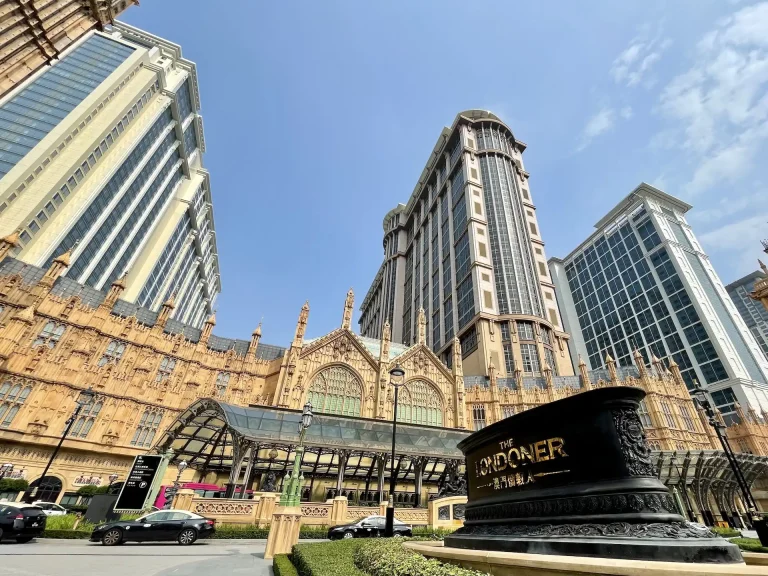
Londoner rooms, Capella hotel boost Sands and Galaxy May share

0

Sands China and Galaxy Entertainment emerged as the primary beneficiaries of Macau’s gaming market expansion in May, with both operators gaining significant market share through strategic hotel launches and room inventory increases, according to the latest investment memo from UBS.

Sands China recorded the most substantial gains, with market share climbing 200 basis points month-over-month in May to reach 23.5 percent, according to industry channel checks cited in the UBS memo. The increase was primarily attributed to the launch of additional Londoner Grand rooms since mid-April, combined with potentially higher promotional activities. The performance brought Sands’ quarter-to-date market share up approximately 70 basis points quarter-over-quarter.

Galaxy Entertainment followed as the second-largest market share gainer, recording a 100 basis points increase month-over-month in May to reach 21 percent and 50 basis points quarter-to-date. The gains were driven by the soft opening of the Capella Hotel in early May, marking the introduction of ultra-luxury accommodations to the operator’s portfolio.

The Londoner Grand, formerly the Sheraton Grand Macao, completed a significant transformation as part of The Londoner Macao’s broader $1.2 billion renovation project. The extensive overhaul repositioned the property for the premium mass market, reducing total room inventory from over 4,000 to a curated collection of 2,405 keys, comprising 1,500 suites and 905 standard rooms. The redesign drew inspiration from London’s Mayfair district and Georgian architecture, emphasizing natural light and spacious living areas with traditional paneling, marble accents, and bespoke artwork.

Galaxy Entertainment, Macau, Capella Hotel
Capella at Galaxy Macau

Capella at Galaxy Macau is the brand’s first property in the Greater Bay Area, offering 95 Penthouses and Suites across 17 stories. Designed by Moinard Bētaille, the hotel caters to the premium and luxury hospitality segment, with features such as private pools, 24-hour butler service, and in-suite check-in. Its “Horizon Plus” premium mass rooms are located to provide easy access to gaming areas, aligning with Galaxy Macau’s broader strategy to enhance its appeal to higher-tier customers.

Meanwhile, established operators faced market share erosion amid increased competitive supply, according to the UBS analysis. Wynn Macau experienced the most significant decline, with market share falling 200 basis points month-over-month in May from 13 percent to 11 percent, bringing its quarter-to-date performance down 80 basis points quarter-over-quarter. SJM Holdings also retreated, losing 100 basis points in May to 12.5 percent and 100 basis points quarter-to-date.

Melco Resorts and MGM China both maintained stable market positions at 16 percent despite the industry’s supply expansion, with both operators recording flat month-over-month performance in May.

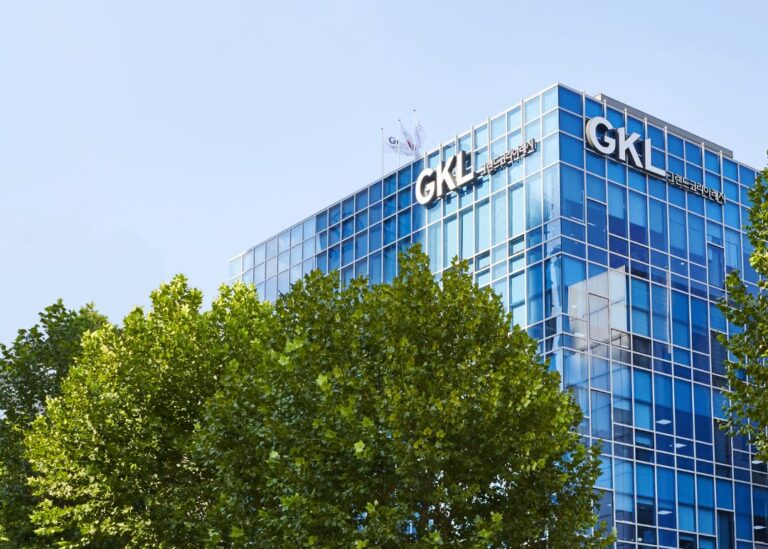
GKL reports 4% annual growth in casino sales despite monthly decline

The foreigner-only casino operator generated KRW30.64 billion ($22.3 million) in total casino sales during May, demonstrating the volatile nature of the gaming sector’s recovery patterns.

Machine-game revenue emerged as the standout performer, climbing 24.1 percent year-on-year to nearly KRW3.53 billion ($2.6 million) while also posting monthly gains of 6.3 percent. In contrast, table-game operations showed more modest annual growth of 1.9 percent, reaching just under KRW27.11 billion, but suffered a substantial 17.5 percent monthly retreat.

Year-to-date performance through May showed stronger momentum, with cumulative casino sales advancing 12.5 percent to nearly KRW175.06 billion ($129.7 million). However, customer spending patterns revealed underlying challenges, as total chip purchases dropped 7.7 percent annually to approximately KRW1.44 trillion ($1.07 billion) in the first five months.

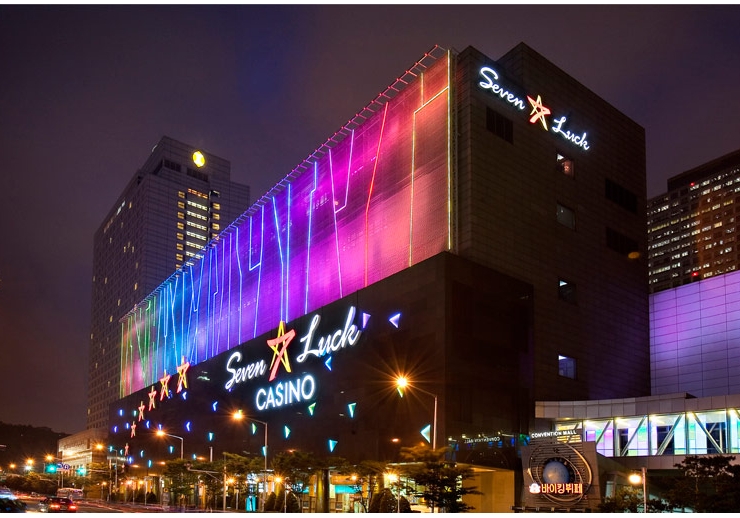
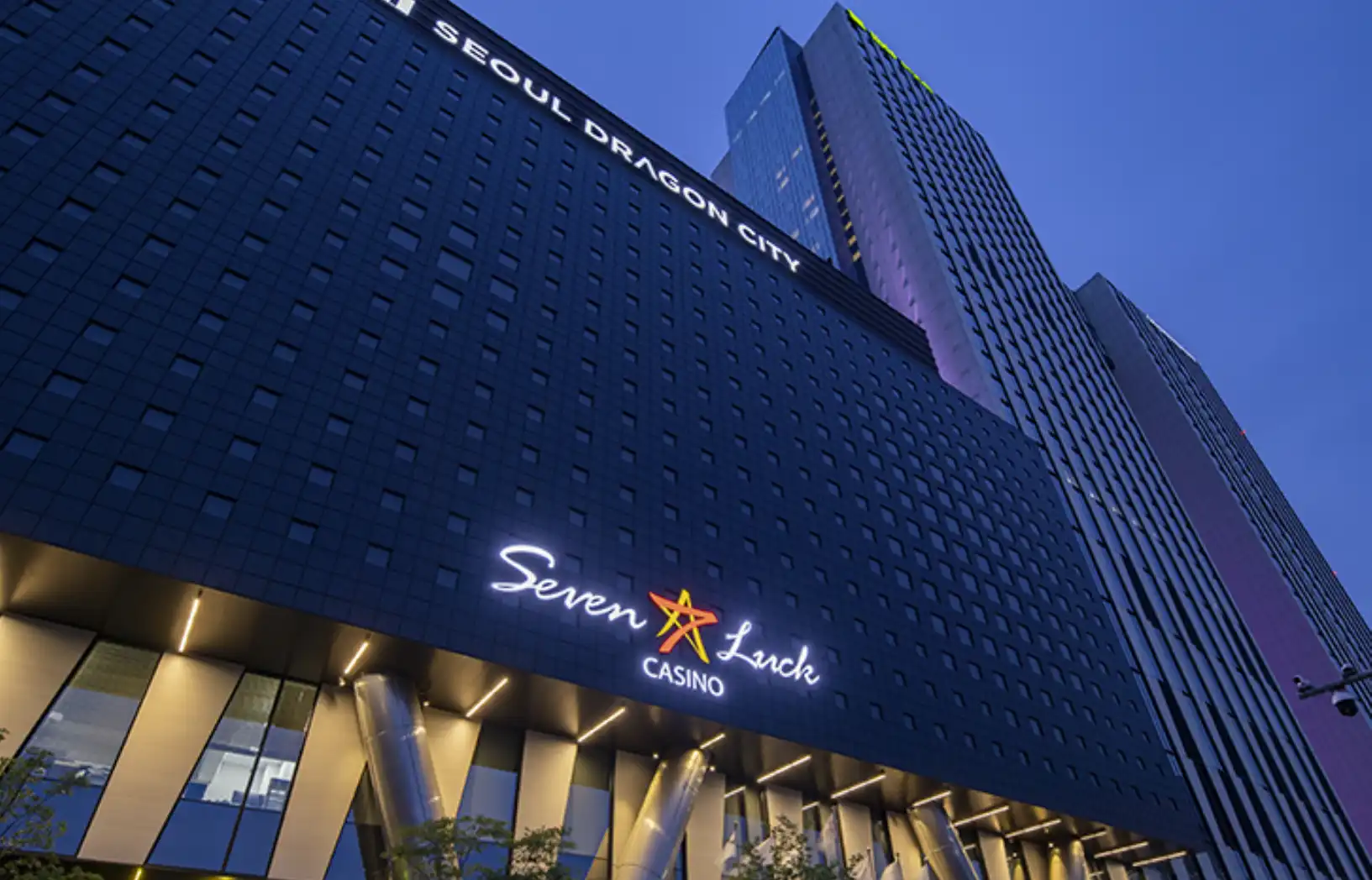
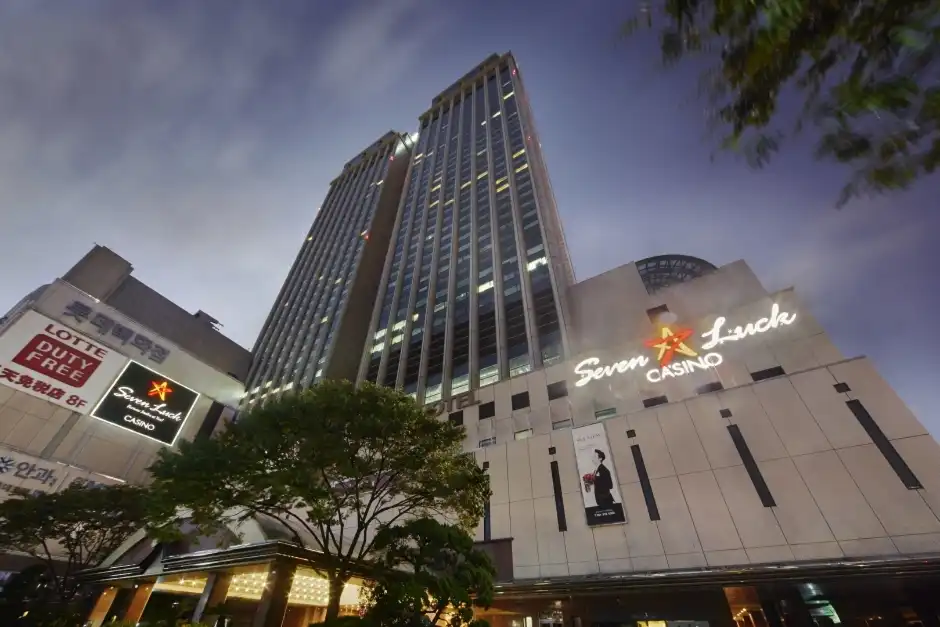
The government-affiliated operator manages three Seven Luck casino properties targeting international visitors across key South Korean destinations. Its Seoul operations include two facilities, with one strategically positioned in the upscale Gangnam area, while a third location serves the important port city of Busan.

Grand Korea Leisure operates under the Korea Tourism Organization umbrella, which maintains ties to the Ministry of Culture, Sports and Tourism, reflecting the government’s involvement in promoting tourism-related gaming activities.

Okada Manila and SEED Philippines unite to empower students in agriculture

Okada Manila has partnered with the School for Experiential and Entrepreneurial Development (SEED Philippines) to provide scholarships that support agri-education and hands-on training for young Filipinos as part of its commitment to sustainable community development.

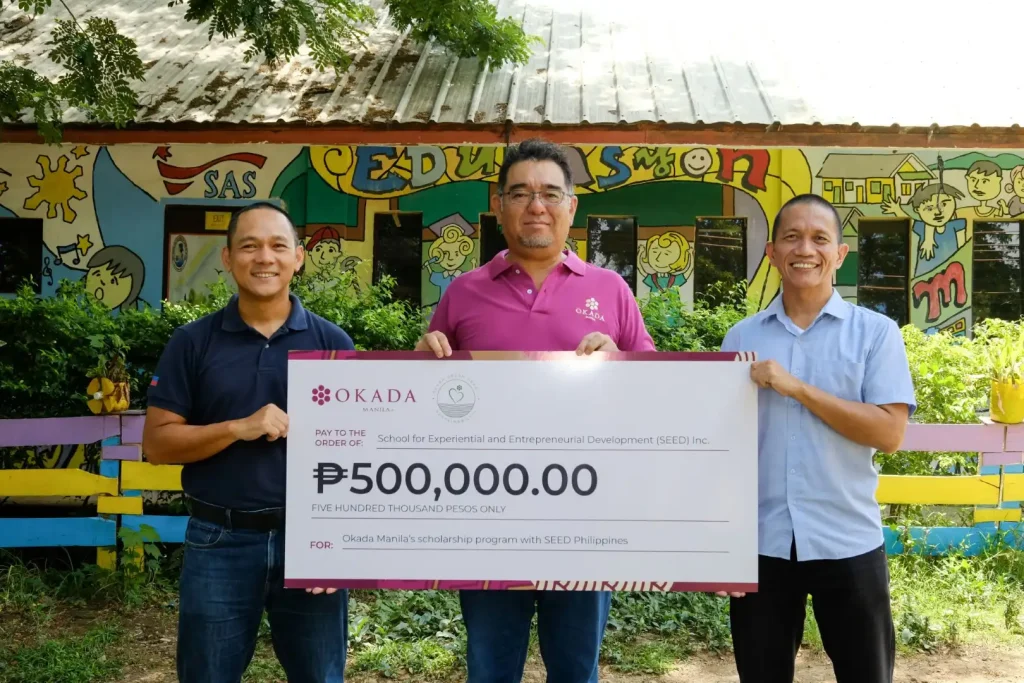
As part of the integrated resort’s Okada Green Heart program, under its Talent & Community pillar, Okada Manila representatives visited the SEED campus at the Gawad Kalinga Bayanihan Village in Cavite for a community immersion and a handover ceremony.

Okada Manila and SEED Philippines unite to empower students in agriculture

The activity fostered meaningful engagement among stakeholders, students, and local residents, while reinforcing a shared goal of addressing rural development challenges through education, enterprise, and agricultural innovation.

Okada Manila supported the first batch of SEED graduates from Bacolod and Leyte, who built around six farms during their intensive training program. These scholars have since taken purposeful paths—joining local government agriculture offices, working with non-profit organizations, and pursuing college degrees independently.

“We are proud to support programs that cultivate long-term, measurable value for both people and the planet,” said Kenji Sugiyama, Managing Director and CSR Committee Member of Okada Manila. “Through our partnership with SEED Philippines, we are investing in young changemakers who can help transform their communities through sustainable farming, innovation, and social entrepreneurship.”

The scholarship program offers young people from underserved communities the opportunity to become future agri-leaders, equipped with the skills to build sustainable livelihoods and help secure the nation’s agricultural future.

Okada Manila and SEED Philippines unite to empower students in agriculture

“This milestone partnership with Okada Manila reminds us that meaningful change begins when we come together for a shared purpose,” said Mark Lawrence Cruz, Director of SEED Philippines. “Your support enabled our scholars to be the next generation of agri-leaders and food producers for their families and communities. At SEED, we live by the spirit of ‘Walang Iwanan,’ and we are honored to partner with Okada Manila in this mission to educate the next generation of agri-leaders and food producers for the Philippines. No idle land, no idle people. Gawad Kalinga, SEED, and Okada Manila—working together for a more productive Philippines.”

SEED Philippines is known for its inclusive agri-entrepreneurship model, which empowers youth to develop rural enterprises that combat poverty, address food insecurity, and revitalize farming communities. Okada Manila’s support has enabled more scholars to benefit from this transformative education.

This initiative is further powered by proceeds from Okada Manila’s Balik Baterya partnership with Motolite, which recycles used lead-acid batteries (ULABs) responsibly. In 2024, the program generated ₱1,034,880.00 from four donation batches totaling 32,340 kilograms of batteries.

The funds which directly support education and environmental projects were allocated to two key beneficiaries:

  • ₱532,000.00 to the Philippine Business for Social Progress (PBSP);
  • ₱502,880.00 to SEED Philippines.

SEED scholar Jodel Sanchez, 27, from Iloilo, expressed his appreciation, “Thank you to Okada Manila for helping support the scholars of SEED Philippines. For young people who lack access to education and cannot finish school, you were the ones who stepped in to help ease the hardship in our country. SEED Philippines strongly advocates for agriculture, and we, the youth, are stepping up to take the place of the older generation of farmers. We are the youth who will help revive agriculture in our country.”

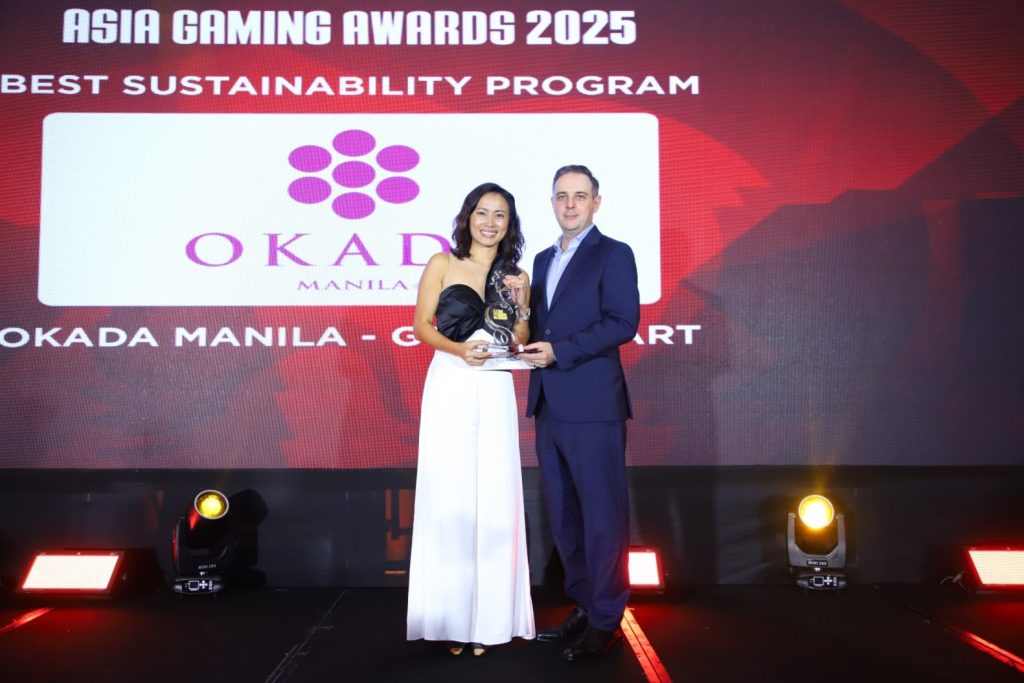
Okada-Manila-Green-Heart-Best-Sustainability-Program-Asia-Gaming-Awards 2025

Recognized as the winner of Best Sustainability Program at the Asia Gaming Awards 2025, Okada Manila Green Heart exemplifies the company’s commitment to sustainability and social responsibility through multi-sectoral partnerships that empower communities, promote education, and protect the environment.

FBMDS elevates crash gaming with Magical Garden’s Momentum Series debut

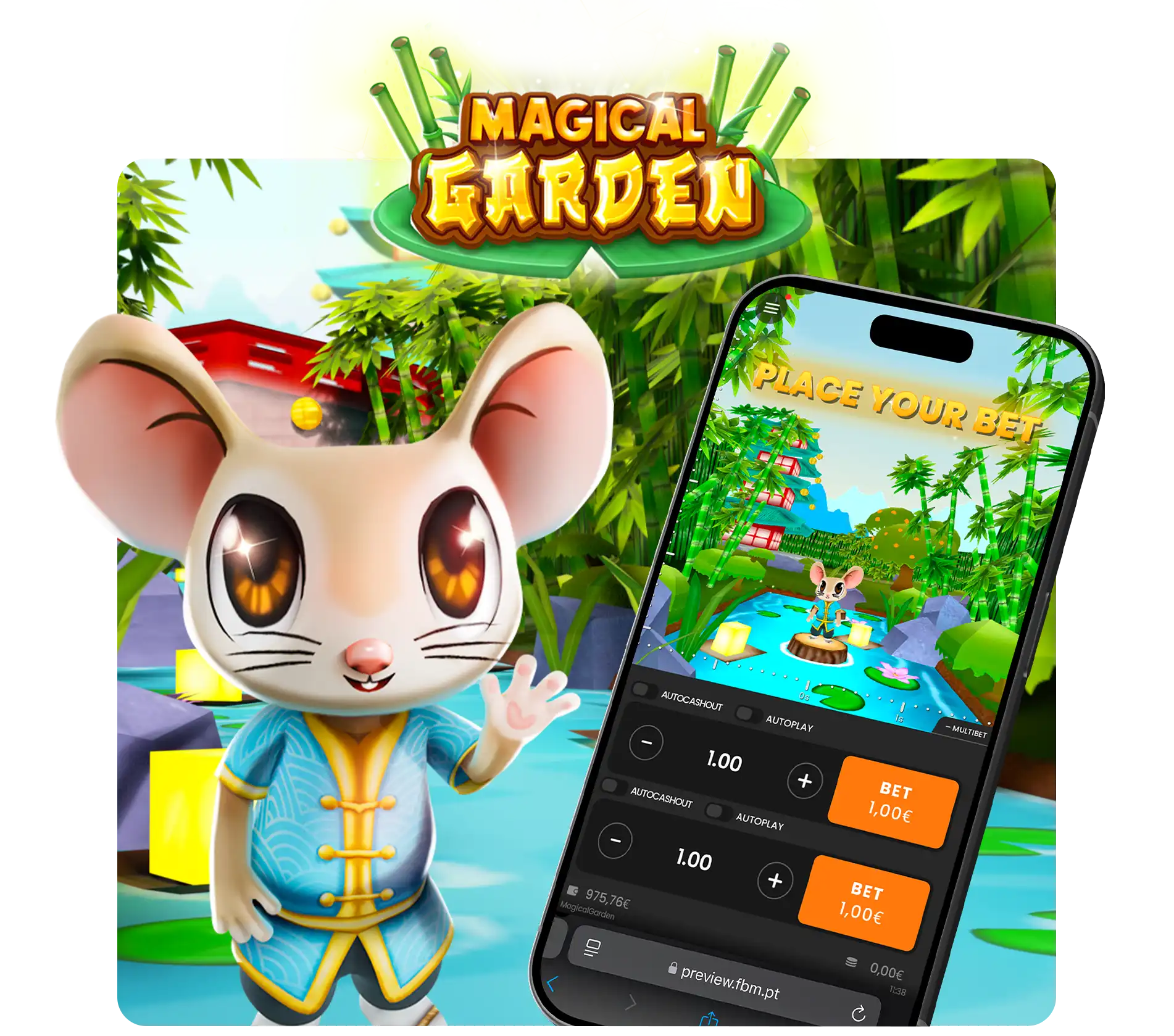
FBMDS has launched Magical Garden, the debut title in its groundbreaking Momentum Series of crash games. Featuring sleek mechanics, dual-bet functionality, and exhilarating multiplier thrills, this game delivers a dynamic and strategic experience tailored for both casual players and high-risk thrill-seekers.

FBMDS elevates crash gaming with Magical Garden’s Momentum Series debut

The Magical Garden – Momentum Series game introduces players to a vibrant crash environment where every second counts. The game features a single base system with a configurable maximum multiplier ranging from 100x up to a staggering 1000x. Players must watch the multiplier climb and decide the perfect moment to cash out before the crash.

Timing is everything in this game experience. Offering the flexibility to place up to two simultaneous bets per round, players can diversify their strategies and increase the tension and excitement levels. The game supports both manual and automatic betting modes, giving players full control over their wagering experience.

With the auto-cashout feature, players can set a multiplier threshold starting from 1.01x, enabling the system to cash out automatically when the target is reached, making it the perfect option for players who prioritize precision and control.

  • A streamlined interface for seamless betting and switching between manual and auto modes;
  • A detailed game history log, where players can track every bet, win, and loss;
  • Access to in-game tournaments, offering competitive opportunities to earn points and win exciting prizes;
  • A fully equipped settings menu for sound control, turbo mode, and quick access to rules and features.

Whether on desktop or mobile, Magical Garden – Momentum Series is optimized for smooth, responsive gameplay across platforms.