Galaxsys, has announced a new strategic partnership with Wild Wild Apps (WWA) — a leading global app rental service recognized for its innovation, stability, and scalability.
This collaboration marks a significant milestone in Galaxsys’ ongoing expansion into the B2C market segment, further highlighting the company’s ambition to deliver engaging gaming experiences to players through reliable and high-performance platforms.
Wild Wild Apps has built a strong reputation worldwide with its portfolio of verified iOS, Android, and PWA apps, offering constant updates, rich designs, and reliable traffic flow. In 2025 alone, the company developed over 750 apps, achieved more than 40 million installs, maintained 60 active apps, and attracted over 10,000 new clients and partners.
Teni Grigoryan, Chief Sales and Partner Management Officer, commented: “Our collaboration with Wild Wild Apps is a natural next step in our continued expansion into the B2C space. WWA’s technological flexibility and proven track record in traffic flow optimization perfectly align with our vision to bring Galaxsys games to new markets and audiences with greater accessibility and engagement.”
Kate Krukava, Head of Sales at Wild Wild Apps, added: “We’re proud to support Galaxsys’ B2C expansion strategy through our app rental ecosystem, ensuring their games reach users swiftly and seamlessly. At Wild Wild Apps, we don’t just build apps — we create growth tools. Every product we launch is designed for efficiency, scale, and impact. Together with Galaxsys, we share the same vision and drive to lead in what we do.”
This collaboration highlights Galaxsys’ commitment to growth and innovation, supported by Wild Wild Apps’ platform to drive efficiency, scale, and continued excellence across its gaming portfolio.
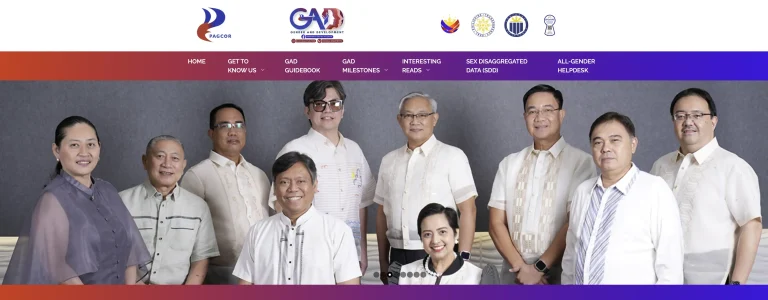
PAGCOR has announced the launch of its Gender and Development (GAD) Digital Corner dedicated to promoting gender equality, empowerment, inclusivity, and diversity within the organization and beyond.
The digital space features comprehensive GAD-related contents including the latest news and announcements, significant laws and issuances, projects and activities, and other beneficial resources.
The PAGCOR Digital Corner will be displayed as wallpaper on all office desktops with the new GAD logo and a QR code directing to the GAD Digital Corner website from October 16 to November 16, 2025.
This initiative highlights PAGCOR’s continuing support to gender equality and inclusivity in the workplace, in relation to Republic Act No. 9710 or the Magna Carta of Women.
QTech Games, the leading game aggregator for emerging markets, keeps the strong momentum in its deal-flow, thanks to its latest integration with Popiplay, an emerging force in high-level slots entertainment.
Integrating content from one of the more innovative and creative online slots providers adds yet more muscle to QTech Games’ burgeoning platform, which is taking the widest range of online games to emerging territories with established names, sitting alongside the industry’s most exciting up-and-coming providers.
Popiplay slot designs are recognised for a more modern approach – being streamer-focused, crypto-ready and high roller-friendly – while also showcasing special features (like Bonus Buy, and Chance 2x and 3x options) that elevate the player experience and deepen engagement. These features are in evidence across an array of popular titles, including new releases such as Fruit Empire and Jellyens X, which eloquently demonstrate Popiplay’s eclectic range of hit slots.
The agreement organically broadens Popiplay’s global scope, targeting emerging markets and creating new revenue streams. As the fastest-growing aggregator over the past few years, QTech’s platform offers the most expansive gaming portfolio around, localised for each region, retention and marketing tools, and 24/7 local-language support.
Philip Doftvik, CEO of QTech Games
Philip Doftvik, QTech Games’ CEO, said: “We’re excited to add Popiplay to our growing ranks. They are now coupling modern player demands to their existing cutting-edge mechanics, offering global operators varied content with which to captivate and retain the end user. And by combining unique maths modelling, which spans the volatility spectrum, with twists on conventional narratives, these games will foster some truly engaging gameplay for fresh cohorts of QTech players. Indeed, it’s been rewarding to see how Popiplay invariably seek to redefine the existing ecosystem and reimagine more traditional gaming experiences with each play. We look forward to watching how these games perform in regions which, in many cases, break new ground for Popiplay.”
Almir Kudic, CCO of Popiplay
Almir Kudic, CCO of Popiplay, added: “Through this partnership, Popiplay’s portfolio of dynamic slot games has been seamlessly integrated into QTech’s dominant aggregation platform for emerging markets, opening up a new network of partners and players worldwide for us. We can’t wait to see what the reception is. Through our combined commitment to collaboration and innovation, we can continue to work together to tailor the content for truly localised games that drive enhanced engagement and interest across a diverse and ever-changing slots landscape.
“At Popiplay, we firmly believe that our trademark creativity drives innovation. So, we’re committed to raising the bar in the igaming sector and pushing the boundaries of how these games look and feel. And this partnership with QTech constitutes a great opportunity to extend our product distribution across new territories and deliver our games to a range of top-tier partners.”
According to new research from the International Federation of Horseracing Authorities Council (IFHA), 43 percent of the most popular illegal betting websites now accept crypto deposits, up sharply from 25 percent in early 2024, while only 5 percent of legal operators do the same. The divergence underscores how digital assets are fueling an unregulated parallel gambling economy that regulators are struggling to contain.
The report attributes the surge to a potent mix of market momentum and political support. Since early 2024, the global crypto market has ballooned from $1.7 trillion to $4 trillion in capitalization, boosted by favorable regulatory signals and new exchange-traded funds in the United States. Former President Donald Trump’s pro-crypto stance and the legalization of stablecoins have further entrenched digital assets in the mainstream financial system.
As crypto’s legitimacy has grown, so has its use in online gambling, especially outside the law. The IFHA study found that crypto-funded wagers generated more than $80 billion in gross gaming revenue last year, a figure expected to more than double to $200 billion by 2030. Offshore hubs such as Curacao, Malta, Gibraltar, and the Isle of Man have become magnets for crypto betting sites, while VPN usage and influencer-driven marketing make it easy for consumers to bypass restrictions.
The numbers tell a clear story: crypto’s integration into gambling is expanding far faster in illegal markets than in regulated ones. Among the top 100 global betting sites studied, nearly half of those deemed illegal accepted digital currency, with one operator offering a staggering 24 different cryptocurrency options. By contrast, only two of the 42 legal operators accepted crypto payments at all.
Bitcoin remains the dominant choice for bettors, accepted by 88 percent of the illegal operators reviewed. Ethereum and Litecoin follow closely behind, with stablecoins like Tether and meme tokens such as Dogecoin also featuring prominently. But the report notes that two-thirds of the cryptocurrencies used on these sites are not designed for everyday transactions. Their volatility, lack of institutional backing, and limited liquidity make them unreliable as payment mechanisms – especially compared with fiat currencies.
Still, for illegal operators, crypto offers obvious advantages: speed, low fees, and, crucially, anonymity. That same anonymity also enables large-scale money laundering and other financial crimes. The report highlights how crypto’s pseudo-anonymous structure, decentralized systems, and privacy-enhancing tools – such as “mixers,” “privacy coins,” and cross-chain transfers – allow bad actors to move illicit funds through the betting ecosystem with relative ease. Chainalysis data cited in the study suggests that as much as $31.5 billion in cryptocurrency was laundered in 2022 alone.
Crypto’s appeal to illegal operators is also being amplified by aggressive promotions. Some sites offer 200 percent match bonuses for crypto deposits, hourly bitcoin jackpots, or lifetime referral earnings. These inducements are clearly designed to attract young, tech-savvy bettors who see crypto gambling as both entertainment and investment. The IFHA report warns that such offers exploit the very demographics most at risk of gambling harm while drawing them deeper into unregulated environments.
Legal betting operators, meanwhile, have mostly steered clear of crypto. The few that have experimented with it face complex compliance challenges, from anti-money laundering checks to customer verification. For regulators, cryptocurrencies have upended traditional control mechanisms: the flow of funds now moves outside banks, across borders, and often without any identifiable source or beneficiary. VPN use further obscures jurisdictional boundaries, making enforcement next to impossible.
The report stresses that gambling laws in most jurisdictions were written long before crypto existed, leaving vast grey zones. While some countries like Malta and Estonia permit limited crypto deposits that must be converted into fiat before betting, most do not address the issue at all. The result is a fragmented regulatory map where betting with crypto is neither explicitly legal nor clearly banned.
That regulatory vacuum, experts warn, risks creating a fully parallel gambling system operating entirely outside national oversight. Offshore operators, often licensed in jurisdictions with minimal scrutiny, are already exploiting these loopholes. Without coordinated international intervention, legal markets could lose increasing numbers of consumers to unregulated platforms that offer anonymity, bigger bonuses, and zero safeguards.
The IFHA report concludes that cryptocurrencies, in their current form, are a high-risk medium for gambling transactions. Only about a third of the coins in circulation function as true digital currencies, and even those fail to meet the basic test of monetary stability. Combined with crypto’s proven role in facilitating financial crime and the absence of effective consumer protection, the case for caution is clear.
Yet prohibition alone may not work. Crypto ownership is growing rapidly, and consumers accustomed to using it as an asset will inevitably expect to use it for gambling. The report suggests that a pragmatic approach – allowing crypto deposits but requiring immediate conversion into fiat currency, as done in Estonia and Malta – could offer a balance between consumer freedom and regulatory control.
The alternative would be for governments to embrace crypto further, realizing that it cannot be stopped and trying to use its benefits – such as on-chain traceability of transactions – to their advantage, a move that may ultimately be the best way forward.
Pragmatic Play Sports, a leading provider of premium sports betting products, has expanded its data visualisation functionality with pre-match and real-time sports widgets.
This latest sportsbook update sees the release of pre-game and in-play widgets for 18 major sports, covering 30,000+ events a month across 4,000+ competitions, available in close to 40 different languages.
With the pre-match widgets, users of Pragmatic Play Sports operators can find key statistical information, including head-to-head previews and comprehensive tournament data, informing users’ choices when placing pre-match bets.
The in-play sports widgets display live scores and visualisations inclusive of incident data for all live events at ultra-low latency. The widgets offer users a fully immersive experience with comprehensive match trackers and access to detailed live match statistics.
Pragmatic Play Sports announced its latest operator partner in February 2025, launching with QuinnBet in the UK & Ireland. The end-to-end platform features a customisable design and provides access to official live data and a full complement of managed services.
Gareth Crook, SVP of Sports at Pragmatic Play, said: “This launch marks an important expansion of our existing range of pre-match and in-play scoreboards, adding a new layer of consistency to how operators can present UI and UX across their sites. Pre-match, these widgets are crucial in helping players make informed betting selections by surfacing key stats, form, and team information. In-play, they become just as valuable by enabling players to track the live action in real time with clarity and confidence. By continuing to evolve our scoreboard suite in this way, Pragmatic Play Sports is giving operators the tools to deliver a more intuitive and engaging betting experience.”
Illegal online gambling activities in the Philippines plunged by 93 percent in the third quarter of 2025 compared with the previous quarter, according to data from cybersecurity and analytics firms Gogolook and Whoscall.
Gogolook, a Taiwan-listed technology company, developed the Whoscall app, which offers caller identification and scam detection services.
The sharp decline, officials said, highlights the effectiveness of coordinated efforts among the government, law enforcement agencies, and private partners to curb cyber-enabled gambling operations.
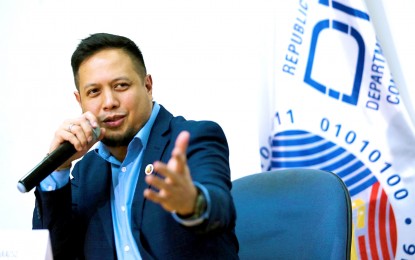
Cybercrime Investigation and Coordinating Center (CICC) Acting Executive Director Aboy Paraiso attributed the steep drop to the combined actions of multiple stakeholders, including legislators and regulators. “Foreigners are now hesitant to invest in illegal online gambling because of the strict regulations in the country,” Paraiso said in an interview on a local television program.
Paraiso expressed appreciation for the collaboration of several agencies, including the Philippine Amusement and Gaming Corporation (PAGCOR), the Philippine Charity Sweepstakes Office (PCSO), the Philippine National Police Anti-Cybercrime Group (PNP-ACG), the National Bureau of Investigation (NBI), and the Presidential Anti-Organized Crime Commission (PAOCC).
According to Paraiso, Gogolook has been receiving significantly fewer reports and calls related to illicit gambling websites or scams. The CICC, he added, remains focused on maintaining its lead in combating similar cybercrimes. “We hope to sustain this momentum through continued coordination with other government agencies,” he said.
As part of its broader anti-cybercrime strategy, the CICC has entered into an agreement with Camp John Hay in Baguio City to establish a digital forensics training center. The new facility will serve as a hub for developing training modules and cultivating a new generation of analysts skilled in examining digital artifacts.
Paraiso said the center will train personnel from the PNP-ACG, the NBI Cybercrime Group, and possibly the Department of Justice’s Office of Cybercrime. “We aim to enhance our collective capacity to investigate and prosecute cybercrimes more effectively,” he noted.
The CICC reiterated that continued collaboration and technical capacity-building are essential to sustaining the country’s gains in suppressing illegal online gambling and related cyber offenses.
Macau casino operator Galaxy Entertainment Group has renewed its three-party partnership with Alibaba Group’s Damai Entertainment and Macau Pass Group for another three years, aiming to strengthen cooperation in live entertainment and ticketing services across the Greater Bay Area.
The renewed agreement, announced by Galaxy Macau, extends a collaboration first launched in 2023. Under the new three-year term, the partners will continue to coordinate large-scale live and online events in Macau and the region, such as concerts, stage productions, film screenings, award ceremonies, and sports or cultural exhibitions.
According to a joint statement, the initiative seeks to further develop Macau as a performing arts hub within the Greater Bay Area while exploring potential projects outside the city. The companies also plan to expand cooperation in marketing, ticketing, and membership programs to improve customer engagement and event visibility.
Damai Entertainment, which operates one of China’s leading event ticketing platforms, will continue supporting Galaxy Macau in upgrading its ticketing systems and assist Macau Pass with technical and hardware improvements. The companies said these efforts are aimed at creating a more streamlined and secure ticket-purchasing experience for audiences.
The renewed deal follows a series of collaborations since 2023 that have brought major concerts, theatre performances, and entertainment events by mainland Chinese artists to Galaxy Macau’s venues. Previous productions have included pop concerts, musical theatre, and comedy shows that drew audiences from across the region.
The cooperation also builds on Damai’s rollout of its international event-management platform, Maitix, whose global ticketing system was introduced at Galaxy Arena in 2024. The system handles high-volume ticket sales and includes enhanced cybersecurity safeguards such as DDOS protection and anti-bot measures.
Representatives from the three companies said the partnership aims to broaden Macau’s entertainment offerings and attract more cultural and creative professionals to the city, in line with efforts to diversify the local economy beyond gaming.
SOFTSWISS, a global tech leader in providing iGaming software, announced that its Chief Marketing Officer, Valentina Bagniya, will take the stage at the upcoming Marketing Leaders Forum by Clarion Gaming, held on 22 October in London.
At a time when iGaming marketing is no longer seen as ‘just support’ but recognised as a strategic driver of growth, Valentina will address how the function is being redefined – and what the next era will demand from its leaders.
Valentina will lead two major sessions:
Keynote: “Building B2B Brands That Lead the Game” Why brand building in B2B can no longer be underestimated, and how it shapes long-term trust, growth, and leadership.
Panel: “How CMOs Are Navigating the Next Era” A debate with senior marketing executives on the evolving role of marketing: balancing brand and demand, embracing AI, and leading teams through transformation.
Valentina Bagniya, CMO at SOFTSWISS, noted: “B2B marketing in iGaming is evolving every day. It’s no longer just about logos or campaigns. It’s about long-term growth, building trust, and delivering real value across multiple markets. At SOFTSWISS, we’ve seen firsthand how a strong brand can open doors and inspire the whole team to think bigger. I’m really looking forward to sharing what we’ve learned and hearing how others are building a new era of gaming marketing!”
The Marketing Leaders Forum by Clarion Gaming brings together top global marketing executives, creative leaders, and industry experts to discuss emerging trends and the future of brand strategy in the gaming industry.
Valentina’s participation at the Summit follows SOFTSWISS’ recent recognition at the EGR Marketing & Innovation Awards 2025, where the marketing team was named Marketing Team of the Year for the third time, and Valentina was awarded B2B Marketer of the Year.
Good Morning. Macau, Macau, Macau. What a place. And what an experience, with its ups and downs and all arounds. But for now, things are looking good at least for Wynn, with expectations for solid EBITDA results in 3Q25, leaving others to fight for their share of the pie. Looking further abroad, a massive scam operation has been unearthed, with some $15 billion in play in crypto, prompting authorities to take action. And in the regulatory world, Curacao says that the recent reshuffle of its regulatory body is merely routine and nothing to worry about.
Macau has seen a heady year so far, and the third quarter is not going to disappoint. Analysts are now focusing on Wynn and Sands for key market share gains, despite their distinct profiles. MGM and Melco have likely seen a slight reduction, also influenced by the typhoon shutdown which affected all operators. Despite the bad weather, figures are looking solid, with expectations for further growth in the year.
Every operator can launch, but few can lead. In Asia, leadership is won in the 90 days after go-live, when payments feel effortless, content resonates locally, and every touchpoint builds trust.
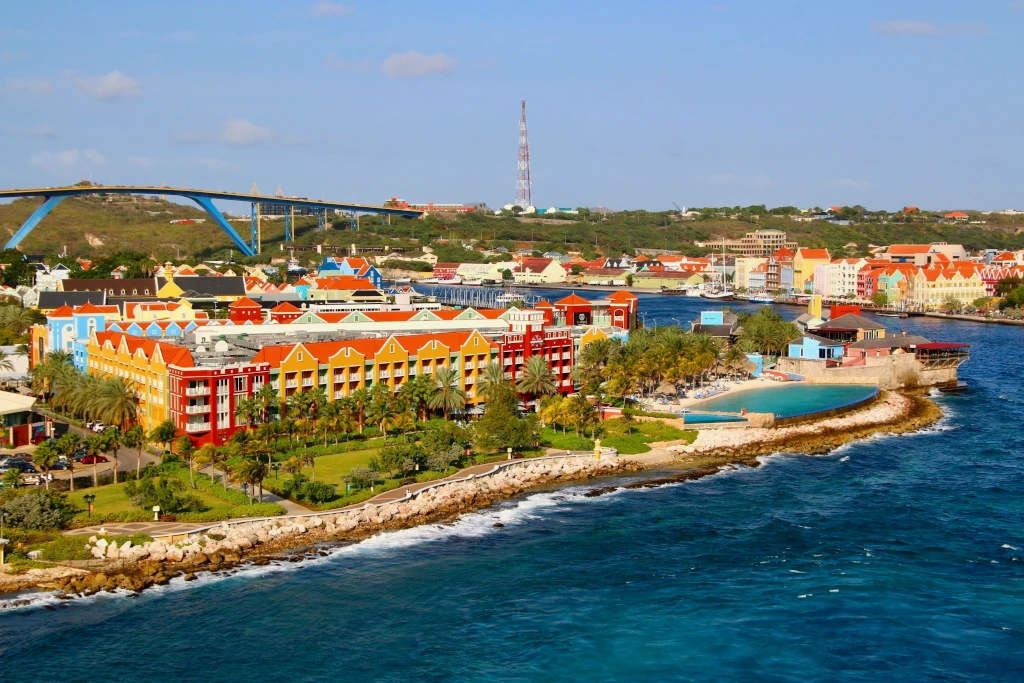
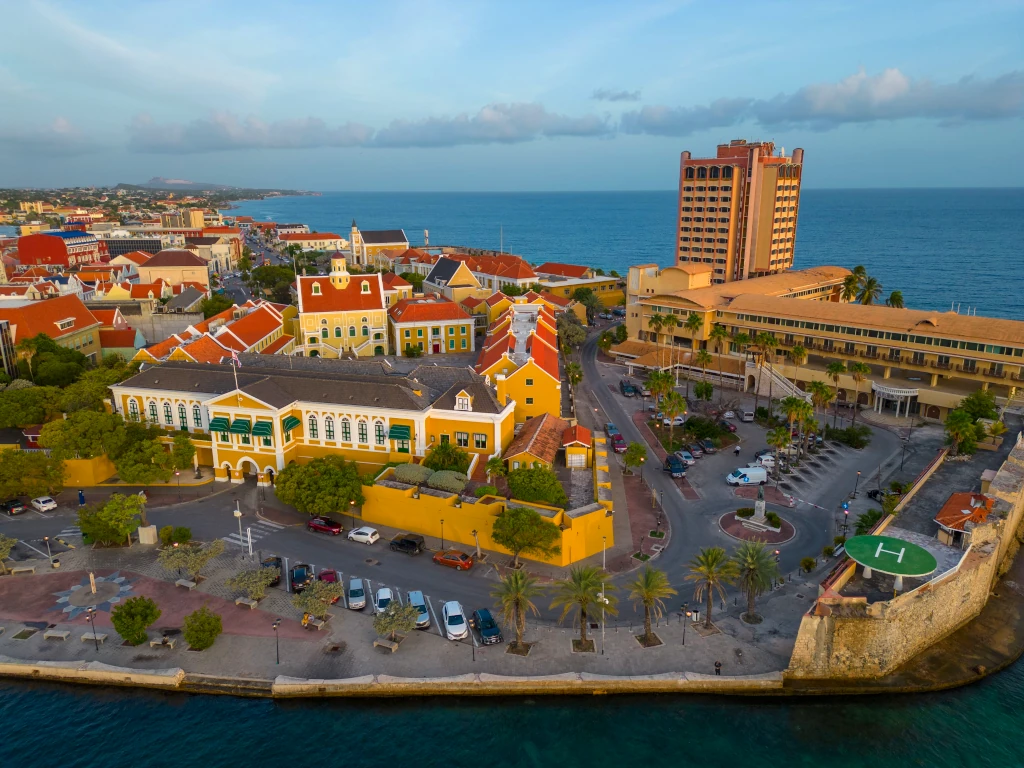
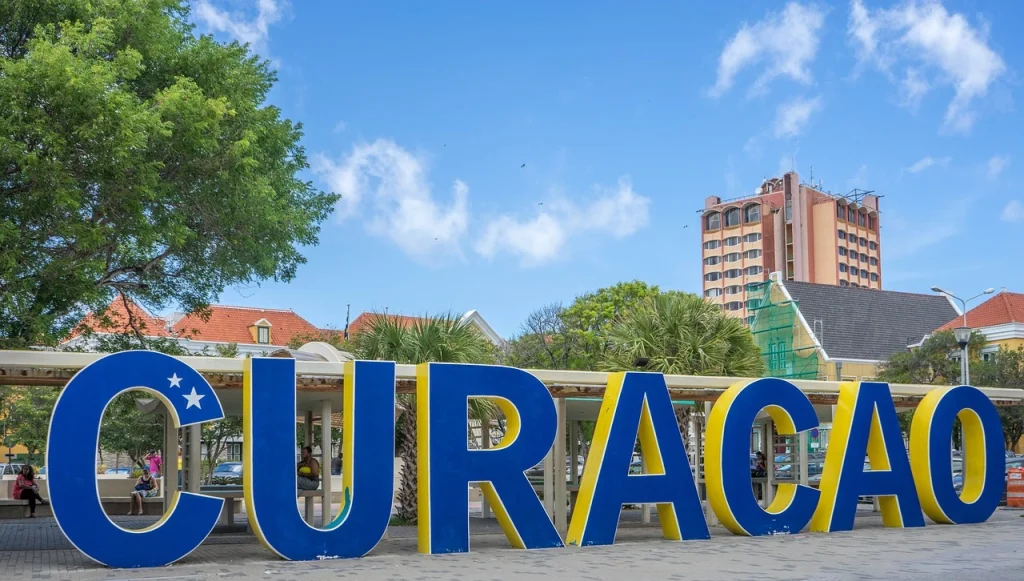
Reports of a regulatory crisis in Curacao’s gaming sector have been greatly exaggerated, with the regulatory body saying it remains fully operational despite the reshuffle.
That is the message from the country’s gambling regulator amidst viral stories of “regulatory chaos” and a “power grab” circulating on social media following the resignation of the Supervisory Board of the Curacao Gaming Authority (CGA). The island’s gambling regulator remains operational, with all licensing and compliance functions continuing as planned under the new National Ordinance on Games of Chance (LOK).
Initial social media posts and online headlines described an “explosive shift” in Curacao’s regulatory structure, alleging that the Minister of Justice, Shalton Hato, had effectively seized control of the CGA from the Ministry of Finance and that the entire board’s resignation had plunged the authority into uncertainty. Those reports, which quickly circulated across industry news sites, suggested that the island’s reform process – long awaited by international stakeholders – had been derailed.
But official statements from both the government and the CGA have since clarified that these claims are inaccurate and that the events in question form part of an ordinary administrative transition, not a regulatory breakdown.
The CGA, which until recently operated under the Ministry of Finance, was formally transferred to the administrative oversight of the Ministry of Justice on August 19th, 2025. The move had been announced publicly and is consistent with broader government restructuring efforts in Curacao. According to the government’s October 13th announcement, the shift is designed to align gaming oversight more closely with law enforcement and compliance priorities, particularly those related to anti-money laundering and responsible gambling obligations.
The Supervisory Board, a politically appointed body providing external oversight to the CGA, resigned in mid-September. Such resignations are a normal part of administrative realignment following the transfer of departmental authority. A government-led process to appoint new members is already underway.
In a formal statement, the CGA confirmed that “the process to appoint new members by the government has already begun” and emphasized that the development “has no impact on the performance of the CGA’s supervisory duties, including the continued implementation of the National Ordinance on Games of Chance.” The Authority stressed that “all licensing and supervisory activities continue uninterrupted.”
The distinction between operational continuity and administrative reshuffling appears to have been lost in some of the more dramatic coverage. Industry observers who mistook the board’s resignation for an institutional collapse failed to recognize that the CGA’s executive management and operational staff remain in place, and that the regulator’s legal authority, mandate, and enforcement capabilities are unaffected.
An explanatory note from a senior Curacao government source provided additional context, describing the Supervisory Board as a bridge between the government and the Authority rather than a body involved in day-to-day regulation. “When departmental mandates change, it’s very normal for political appointments to be reviewed or reshaped,” the statement noted.
“Such processes are standard across all ministries and public bodies worldwide, and Curacao is no exception.”
Contrary to early reports suggesting that the Minister of Justice had unilaterally “taken control” of the CGA, the Ministry now serves as the administrative home of the regulator, with oversight consistent with Curacao’s broader government framework. The CGA remains an independent regulatory entity operating under its own statutory powers, guided by the LOK – the sweeping reform legislation that replaced the old master license system and introduced modern licensing, AML, and compliance standards.
Industry participants, many of whom have been preparing for license migration under the LOK regime, can take reassurance that there has been no interruption to the rollout. The CGA continues to process applications, monitor existing licensees, and develop the compliance infrastructure required under the new legislation.
While the misleading reports generated understandable concern among operators and investors, local officials have been quick to reaffirm stability. “Supervision and governance within the CGA continue uninterrupted,” the clarifying statement said. “Despite sensationalist headlines and fake-news articles, there is no delay or deviation in the rollout of the LOK, and no disruption to the CGA’s licensing or compliance programs.”
The episode underscores a recurring challenge for jurisdictions in the midst of regulatory reform: managing public perception amid political reshuffles and institutional change. Curacao’s journey from its legacy licensing model to a modern, internationally recognized framework has been closely watched by global iGaming stakeholders. The transition of ministerial oversight – while routine in governmental terms – created an opening for speculation, amplified by the pace at which information, and misinformation, spreads through the online gaming ecosystem.