
Home Blog Page 270

UAE moves toward one online gaming license per Emirate under new GCGRA framework

0

The United Arab Emirates’ General Commercial Gaming Regulatory Authority (GCGRA) is preparing to roll out a new online gaming framework that mirrors the UAE’s existing land-based casino model – allowing for just one business-to-consumer (B2C) license per Emirate.

Sources familiar with the process report that the new framework would empower each of the UAE’s seven Emirates to decide individually whether to participate, with each permitted to host only one online operator. The model reflects the country’s cautious and highly controlled approach to the gaming sector, designed to balance economic diversification with stringent oversight.

To date, only one land-based casino license has been issued under the same “one license per emirate” model, to Wynn Resorts – which is developing a $5 billion integrated resort on Al Marjan Island in Ras Al Khaimah. The project, expected to open in 2027, will feature luxury accommodation, entertainment venues, and the UAE’s first regulated casino.

Wynn Al Marjan Island, Marina

Abu Dhabi is widely viewed as a frontrunner for a potential second land-based casino license, but analysts do not expect all emirates to follow suit. The same selective approach is expected for the online space, with observers predicting that only two or three Emirates will opt to license iGaming operators in the near term. Industry analysts say this restrained rollout reflects a deliberate strategy by the GCGRA to manage reputational risk and market sustainability while establishing a solid regulatory foundation for future growth.

The GCGRA, established in 2023 as the UAE’s sole federal body overseeing commercial gaming and national lotteries, has already begun issuing business-to-business (B2B) vendor licenses. These approvals set the stage for operator licensing and signal the regulator’s readiness to move from framework development to market activation.

Recent B2B approvals include iGaming platform provider Hub88 Holdings Ltd and sports data and analytics company Sportradar AG. The latter’s newly granted vendor license authorizes it to supply data-driven technology, sports integrity solutions, and analytics to licensed operators within the UAE.
GCGRA, UAE

The early wave of supplier licenses highlights the GCGRA’s proactive stance in ensuring the necessary technological and integrity infrastructure is in place before B2C operations commence.

At a recent gaming summit, GCGRA CEO Kevin Mullally articulated a bold vision for the UAE to become a global hub for gaming technology and innovation. He encouraged suppliers to design products based on creativity and player engagement, rather than limiting development to fit existing regulatory molds.

Mullally emphasized that regulation should evolve alongside innovation, allowing technology to inform policy rather than constrain it. He also underscored that the authority’s primary focus remains on player protection, transparency, and data integrity. “We want to build a regulatory system that adapts to creativity, not one that prevents it,” he said, noting that responsible innovation will be key to the UAE’s success in establishing an international benchmark for gaming oversight.

Industry observers believe the UAE’s measured yet forward-looking regulatory approach could position it as a model jurisdiction within the Middle East and North Africa (MENA) region.

By combining exclusivity with an openness to innovation, the country is seeking to attract global operators and suppliers interested in stable, high-value opportunities rather than rapid, high-risk market entry.
Bloomberry exits South Korea with sale of Jeju Sun to Gangwon Blue Mountain

Bloomberry Resorts Corporation, led by Philippine billionaire Enrique K. Razon Jr., is officially winding down its South Korean casino operations after nearly a decade of underwhelming performance.

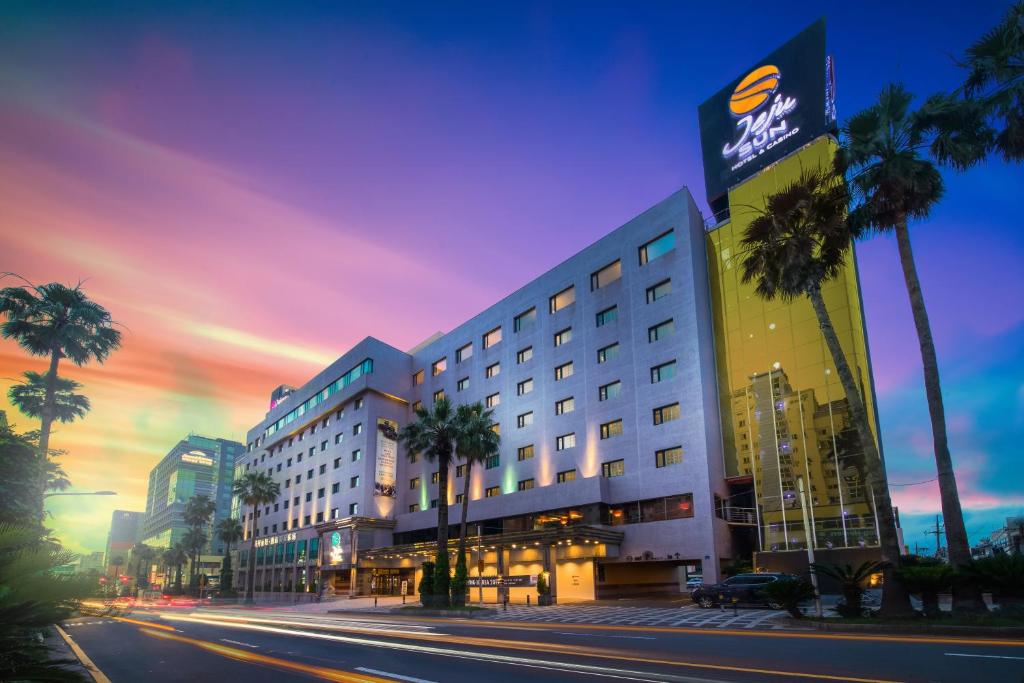
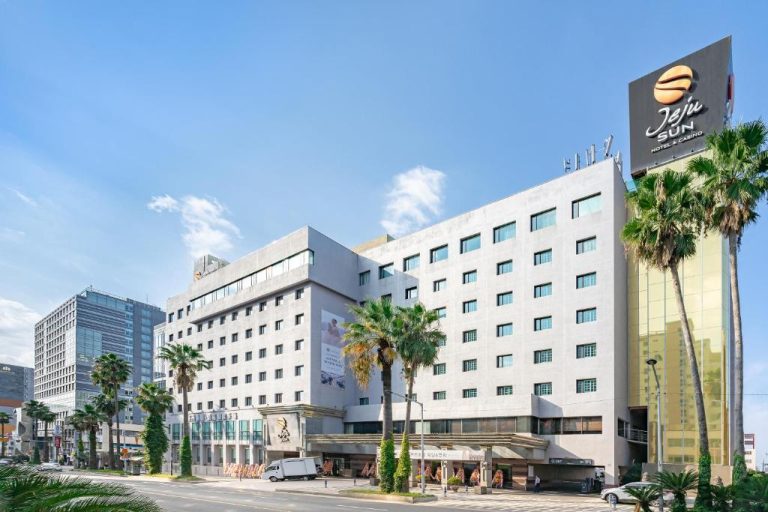
The company confirmed that its indirect subsidiary, Golden & Luxury Co., Ltd., has signed a Share Purchase Agreement (SPA) to spin off and sell the Jeju Sun Hotel & Casino’s gaming business to local firm Gangwon Blue Mountain Co., Ltd.

In a disclosure to the Philippine Stock Exchange and the Securities and Exchange Commission, Bloomberry stated that the buyer has made a down payment of KRW500 million ($350,000). The completion of the transaction will be contingent upon the successful completion of a corporate demerger, due diligence, and necessary regulatory approvals.

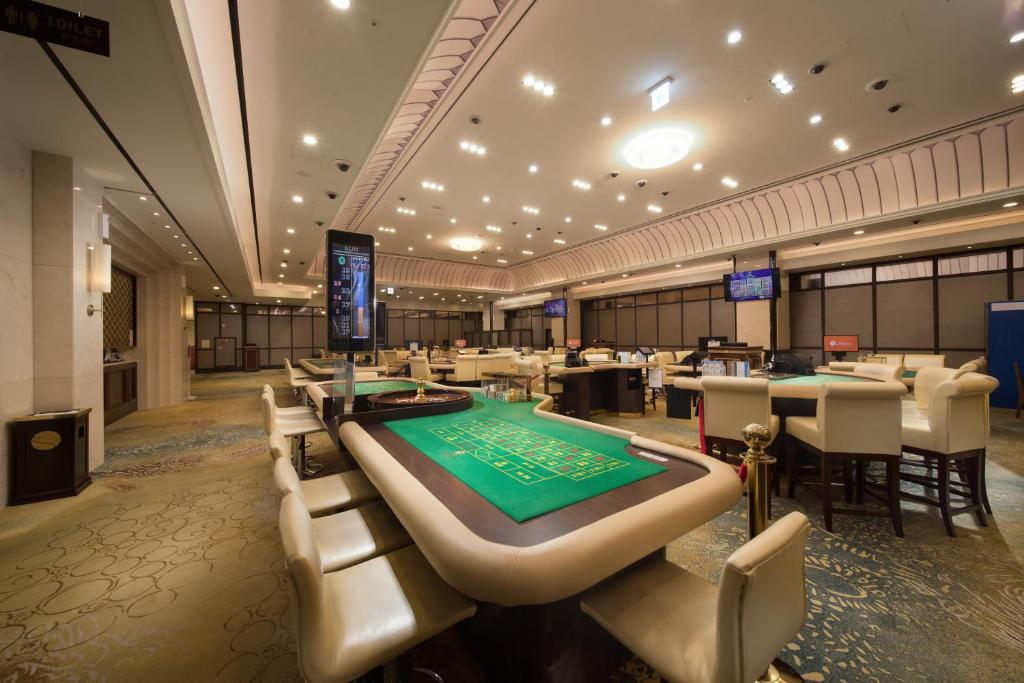
The sale marks the end of Bloomberry’s South Korean gaming venture, which began in 2015 with the acquisition of the property formerly known as T.H.E. Hotel & LVegas Casino, later rebranded as Jeju Sun Hotel & Casino. The 202-room resort features 36 gaming tables, 20 electronic gaming machines, and four restaurants. Despite repeated attempts at repositioning, the property consistently failed to achieve profitability.

Jeju Sun’s struggles trace the broader limitations faced by South Korea’s foreigner-only casino market. The country currently allows its citizens to gamble at only one venue – Kangwon Land, a government-owned property in Gangwon Province – while all other casinos cater exclusively to foreign visitors.

Jeju

Razon himself acknowledged in 2020 that the Jeju venture had been a misstep. Jeju Island’s location also presented challenges. Despite being a popular tourist destination, its casino market is limited by accessibility and demand fluctuations. While Seoul-based travelers can reach Jeju by a one-hour flight, the island’s reliance on international tourism made it especially vulnerable during the pandemic, further eroding revenues.

Financial data underscores the property’s lackluster performance. In the second quarter of 2025, Jeju Sun recorded an EBITDA loss of PHP41.4 million (USD 706,000) and generated PHP128.7 million ($2.19 million) in total revenue, less than one percent of Bloomberry’s overall earnings for the period.

The property had already undergone a corporate restructuring in 2018 to separate hotel and casino operations, an attempt to streamline management and improve results. However, losses continued to mount, and the foreigner-only rule effectively capped its growth potential. Industry analysts view Bloomberry’s exit as a long-anticipated move to refocus on its profitable domestic operations.

Jeju

The sale comes as Bloomberry strengthens its domestic portfolio with the launch of Solaire Resort North, a $1-billion property in Quezon City that opened earlier this year. The new development complements the company’s flagship Solaire Resort & Casino in Manila’s Entertainment City and signals its long-term commitment to the Philippine integrated resort market.

This transaction is not Bloomberry’s first attempt to exit Jeju. The company nearly sold the property in 2016 to Iao Kun Group Holding Company, but that deal collapsed when the buyer failed to secure financing.

Beyond Jeju Sun, Bloomberry retains some assets in South Korea. Its subsidiary, Muui Agricultural Corp., owns land on Muui and Silmi Islands near Incheon International Airport, initially purchased for potential resort development, though no such plans have progressed. Bloomberry’s retreat from South Korea follows similar difficulties faced by other foreign investors.

In February, US-based Mohegan Tribe lost control of its INSPIRE integrated resort near Incheon International Airport after defaulting on financing from Bain Capital. Despite a $1.6 billion investment, INSPIRE has also struggled due to the same foreigners-only gaming restriction that limited Jeju Sun’s success.

Macau’s Emperor Palace and Waldo Casino to close by October-end

0

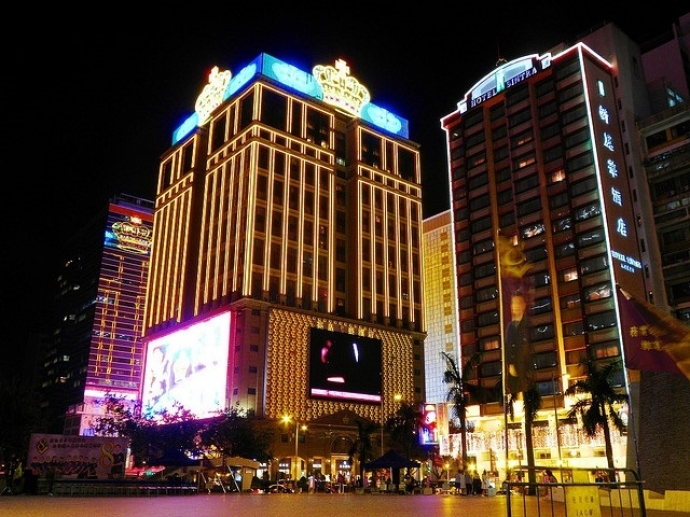
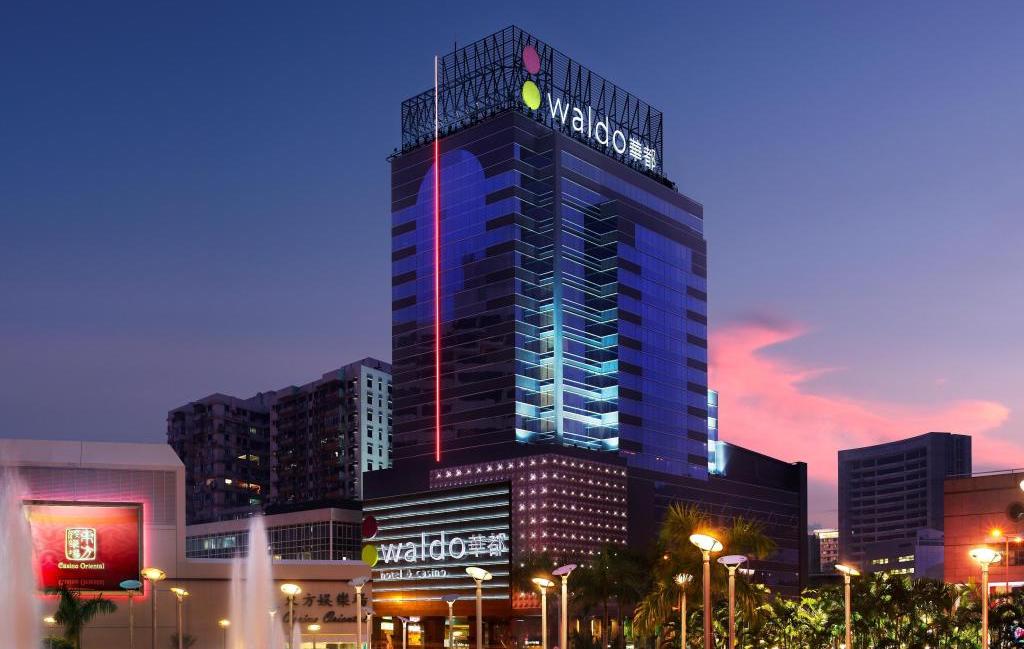
Emperor Palace and Waldo Casino will shutter their doors at the end of October following decisions made by their operators, SJM Resorts and Galaxy Entertainment Group (GEG), in collaboration with the local gaming authorities.

SJM Resorts announced that Casino Emperor Palace, situated at the Grand Emperor Hotel in downtown Macau, will officially close at 11:59 p.m. on October 30th. All gaming tables and slot machines will be redistributed to SJM’s other venues.

As of June 30th, 2025, SJM managed nine satellite casinos, including Casa Real and Fortuna, and plans to acquire and operate L’Arc and Ponte 16 directly after the year ends. Notably, Casino Grandview ceased operations on July 31.

In its interim report for the first half of 2025, SJM revealed a 6.8 percent year-on-year increase in revenue from its satellite casinos, totaling HK$5.6 billion ($720 million). The company emphasized that the closure was coordinated with government authorities and adheres to Macau’s gaming regulations.

Customers with unredeemed chips, deposits, or rebates will find these valid at other SJM casinos starting October 31st. Moreover, SJM pledged to retain all local employees, with reassignment to other group casinos for directly employed staff and priority for local workers in new vacancies.

Waldo hotel

On the other hand, Galaxy Entertainment Group announced that Waldo Casino, its sole satellite casino, will close at 11:59 p.m. on October 31st, citing “business considerations” and receiving government approval for the decision.

GEG said it is coordinating with the Gaming Inspection and Coordination Bureau (DICJ) to ensure a smooth transition, with all gaming tables from Waldo being redistributed to other properties.

Local employees will also be reassigned within the group, with unchanged employment terms and vocational training opportunities offered for new roles. Customers with Waldo Casino chips can redeem them starting November 1 at designated counters in Galaxy Macau Casino or StarWorld Casino.

Both SJM and GEG reaffirmed their commitment to supporting the Macau government’s goal of fostering a “healthy and sustainable” gaming industry while contributing to the city’s economic diversification.

South Korea seizes $15M in wagers from Jeju online gambling network

0

South Korean authorities have dismantled a large-scale illegal gambling network on Jeju Island that used converted PC cafes and villas to host online betting operations targeting teenagers and seafarers.

The network handled more than KRW22 billion ($15.3 million) in wagers, according to the Jeju Provincial Police Agency. Police said 21 people were arrested in connection with the scheme, including a man in his 40s identified as the ringleader.

Six suspects, including the alleged mastermind, have been formally charged and referred to prosecutors, while 15 others were released without detention. An additional 39 individuals, including habitual gamblers and minors, were also caught during the crackdown.

Investigators revealed that between October 2024 and July 2025, the ringleader and 12 accomplices converted two PC cafes and a villa in Jeju City – some located near local schools – into illegal gambling dens.

The group also ran a small-scale lending operation, offering loans to high school students at interest rates as high as 650 percent. One teenage participant reportedly borrowed KRW11 million ($7,600) to fund gambling activity.

Authorities estimate that the three gambling sites operated by the main group generated around KRW9.2 billion ($6.4 million) in total wagers. Police have confiscated KRW250 million ($174,000) in proceeds believed to be directly tied to the illegal network.

Jeju

Additional investigations uncovered several related gambling rings operating across Jeju Island. One group allegedly ran a betting den near Hallim Port between June 2024 and February 2025, targeting seafarers, while another used PC cafes and villas as fronts for gambling activity, accepting luxury handbags as collateral for high-interest loans.

A separate team in Seogwipo is accused of operating similar setups over an eight-month period beginning in mid-2023.

Authorities suspect that the broader online network’s mastermind may be based in Vietnam or another Southeast Asian country, overseeing a transnational operation with links to habitual high-stakes gamblers in South Korea. Investigations into these financial connections are ongoing.

“The crackdown on illegal gambling sites is continuous, and we will take a strict stance, especially given the risks to teenagers,” a Jeju police official said in a statement. “We will pursue not only the operators and distributors but also ensure the full recovery of illegal profits.”

Police also cautioned that individuals who lend their bank accounts or transfer funds on behalf of others may be charged with aiding money laundering, urging the public to remain vigilant.

Manavia showcases iGaming Multi-Jurisdictional expertise at SiGMA Central Europe 2025

0

Manavia Limited, a leading Isle of Man-based trust and corporate service provider (TCSP), is proud to announce its participation in SiGMA Central Europe 2025 in Rome, where the company will highlight its comprehensive suite of multi-jurisdictional gaming licensing, structuring, compliance, and consultancy services for the global iGaming sector at stand 3034G.

With decades of combined experience in corporate services and gaming regulation, Manavia has established itself as a trusted partner for operators, affiliates, and technology providers looking to expand internationally. The firm supports clients through every stage of the licensing process – covering multiple key jurisdictions including the Isle of Man, Malta, Anjouan, Curacao, Tobique, Nevis and beyond – while providing ongoing regulatory, financial, and operational compliance support.

“SiGMA Central Europe is one of the most important gatherings in the gaming calendar, and we’re excited to connect with our global partners and clients in Rome,” said Miles Benham, Managing Director of Manavia Limited. “Our team specialises in helping businesses navigate the increasingly complex regulatory landscape, whether they’re seeking a license in the Isle of Man or exploring other emerging jurisdictions. We don’t just facilitate licensing – we build long-term, sustainable structures for our clients’ growth.”

Manavia’s services extend beyond company formation and license applications. The firm advises on corporate structuring, tax efficiency, risk management, and compliance frameworks, ensuring that clients meet the evolving standards of international regulators while maintaining operational agility.

Benham added, “What sets Manavia apart is our ability to think globally while delivering locally compliant solutions. Many of our clients operate across several regulated markets, and our job is to make that as seamless and secure as possible.”

Manavia’s presence at SiGMA Central Europe 2025 underscores its commitment to innovation, transparency, and excellence in the iGaming services space. The company will be available throughout the event to discuss tailored solutions for operators, suppliers, and affiliates seeking to expand or optimize their international operations.

For more information or to schedule a meeting with the Manavia team at SiGMA Central Europe in Rome, email us at [email protected] or visit www.manavia.im.

Asia versus Europe: what is changing and what is the future of iGaming?

Asian iGaming operators are taking a stronger approach to competition and responsible gaming than their competitors in other jurisdictions. That’s according to EvenBet Gaming, a leading online gaming software and solutions provider, who laid out exactly the differences between the markets, and why Asia is so exciting.

Speaking to AGB, EvenBet CEO Dmitry Starostenkov noted that, while the Asian market is a key target, strong opportunities still exist within Europe and there are emerging possibilities in Brazil. But for all of the markets, product innovation and leveraging the use of AI are going to be key for shaping the future of the gaming environment.

Regulation

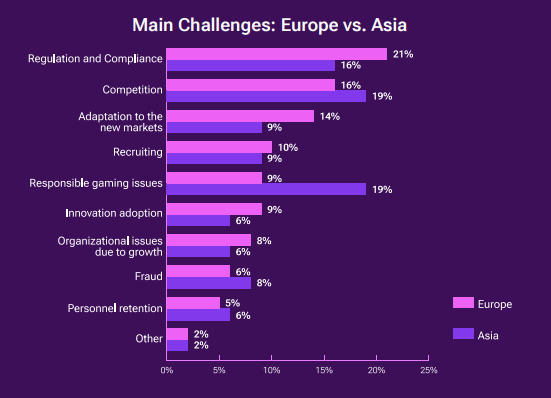
Looking to Asia, amongst a survey of some 700 respondents, the operator found that Asian operators were primarily focused on competition and responsible gaming, linked to the rapidly growing market value.

Jeju

The executive notes that “more weight was placed on responsible gaming in Asia (19 percent) than Europe (9 percent)”. Growing concern over scam centers, illegal offshore gaming operations and illicit money laundering has lent caution to operators who are increasingly looking to foreign investment which require strong compliance. While not only a concern in Asia, recent news reports have not helped the region’s reputation.

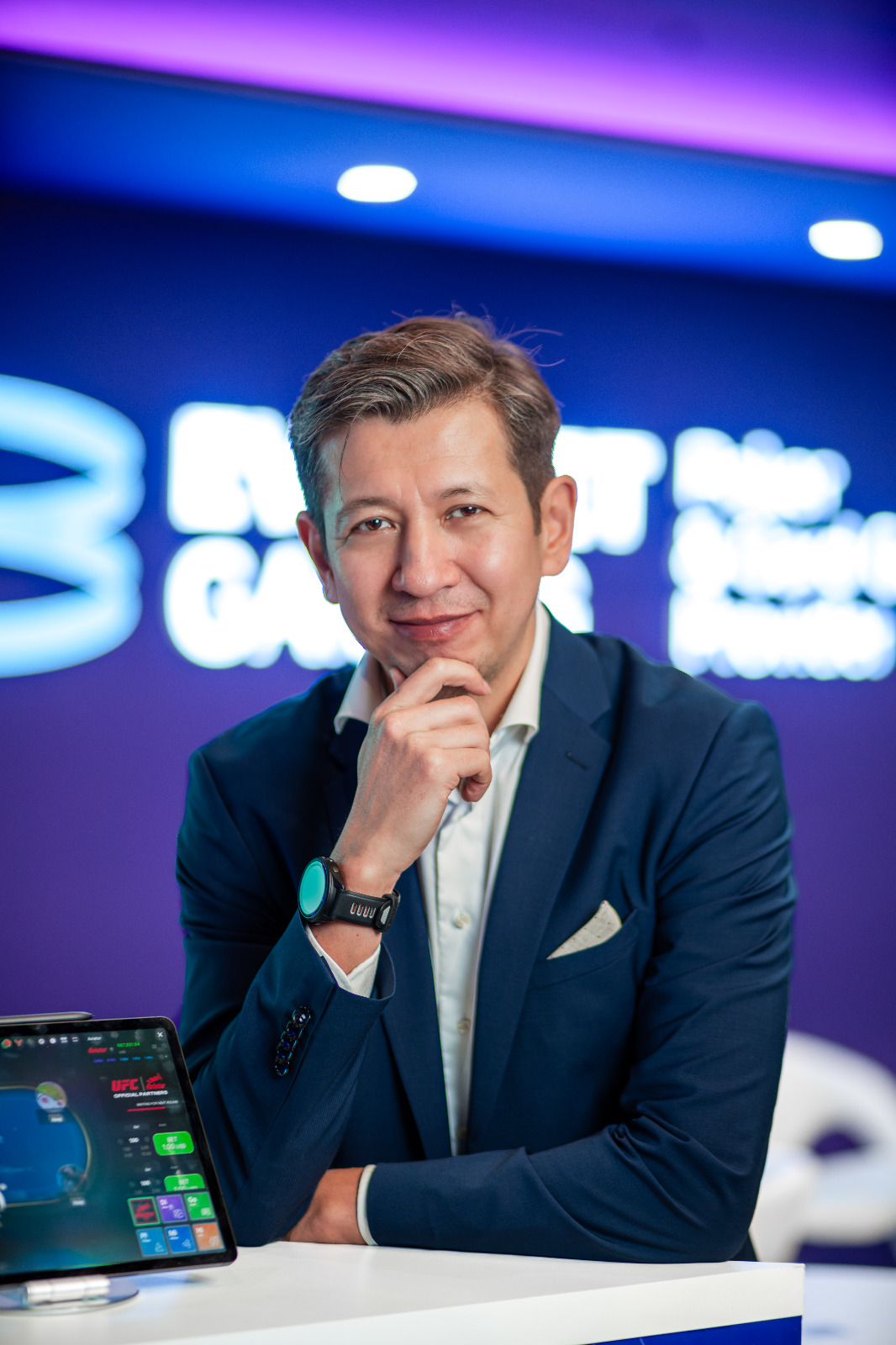
EvenBet Gaming CEO Dmitry Starostenkov
Dmitry Starostenkov, CEO at EvenBet Gaming

The Philippines has been a spotlight, with the shutdown of Philippine Offshore Gaming Operators (POGOs) and the recent move against Philippine Inland Gaming Operators (PIGOs) – two very separate things – drawing political and investor attention. Calls to totally shut down the PIGO industry – which is not linked to POGOs – has created much debate, with hopes that legitimate operators registered under PAGCOR will not face undue prohibition.

EvenBet’s CEO Starostenkov, noted that PAGCOR has been tightening its efforts to ensure responsible gaming guidelines, “leading to companies in the market investing greater resources into aligning with the updated policies.” And the draw of the Philippines has been massive in recent years, with GGR skyrocketing after the pandemic, showcasing how innovation and responsible regulation can create value.

 “The Philippines has cemented its status as one of the fastest-growing regions in Southeast Asia, and the increased focus on safer gambling spotlights regulatory progress and signals the growing appetite of brands eager to tap into its potential,” notes the executive.

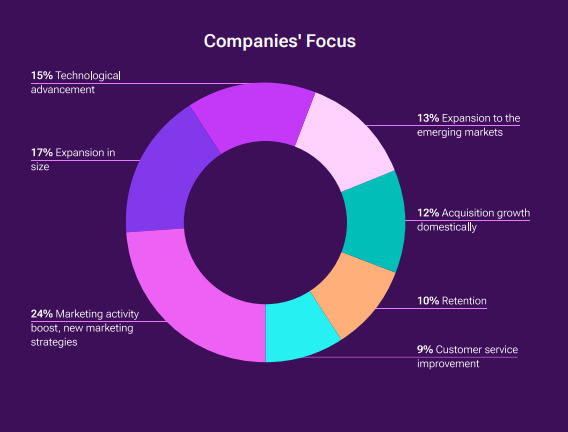
Operators with multi-national aspirations have also refocused. While Brazil promised a strong potential, many of the companies have faced lackluster return possibilities, encouraging a refocus on the Asian market (both for veterans and potentials) – with marketing cited as the key focus for 29 percent of respondents (as compared to 20 percent in Europe).

Asia versus Europe what is changing and what is the future of iGaming

But the overall consumption process is changing, and companies need to evolve as well. The survey results find that “Asia has shifted from a mobile-first to a mobile-only continent,” notes the CEO.

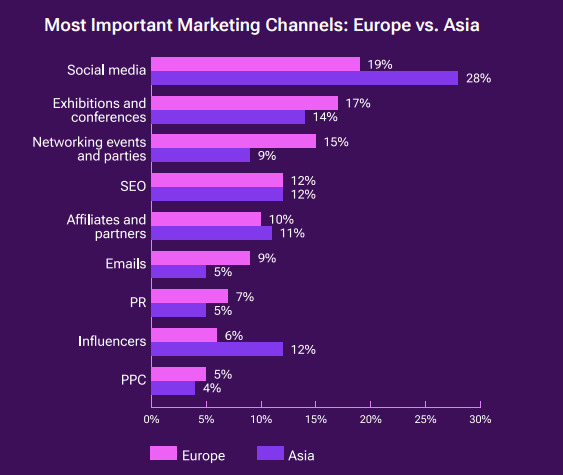
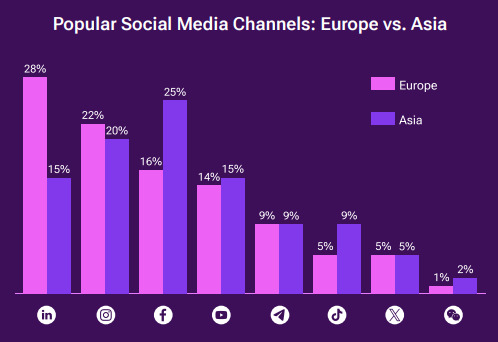
“With 1.5 billion smartphone users and the emergence of a younger generation of tech-literate consumers in key markets such as India and Thailand, the race to capture this audience has accelerated. Operators and suppliers have increasingly targeted mobile-first marketing channels, mainly social media, as the gateway to harnessing market potential.”

Asia versus Europe what is changing and what is the future of iGaming

And an unavoidable topic is AI. The third most prominent focus ranked amongst respondents in the survey across both Europe and Asia was Artificial Intelligence.

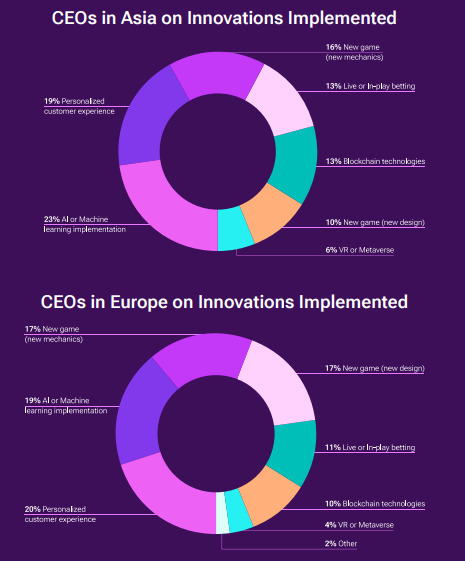
That being said, “the tech-based priorities varied across the continents. In Europe, 2025 was the year of personalization (21 percent), as businesses sought to counter rising acquisition costs with a renewed focus on fostering loyalty and increasing retention. In Asia, new games and mechanics were the key focus,” notes Starostenkov.

“As Asian markets regulate and mature, companies are prioritizing product iteration and innovation and remain ahead of fierce competition,” notes the CEO. He furthered that “executives are looking to leverage the power of AI to speed up product prototyping and refine real-time personalization as they look to streamline and optimize operations.”

How to promote

Social media has become the prime method for iGaming brand promotion, both in Asia and in Europe, with a significant 62 percent of Asia-based respondents noting that they “do not rely on in-person networking for updates”. This contrasts highly with the 9 percent registered by respondents in Europe.

Asia versus Europe what is changing and what is the future of iGaming

EvenBet notes that “The sheer size of Asia is the likely culprit for this discrepancy, making in-person networking difficult due to the time and cost associated with travel. There are also numerous high-profile industry events hosted in Europe and the Americas, which those based in Asia cannot readily attend, thus creating a greater reliance on digital channels.”.

So what’s the best avenue?

Asia versus Europe what is changing and what is the future of iGaming

“Businesses have increasingly looked to build brand recognition and trust with consumers by leveraging the influence of streamers and bloggers that communicate in the native language and through the audience’s preferred platforms,” notes the executive. “These niche iGaming influencers have proven more effective at converting customers in Asia than high-profile celebrities. This is an area to keep an eye on in 2026 as players increasingly search for interactive, real-time experiences.”

What’s next?

“Expect regulation and compliance to dominate as a key challenge throughout 2026. As new markets open, a significant investment in resources is demanded to align with guidelines, while evolving frameworks in existing markets requires businesses to adjust long-standing offerings. Competition will also remain a persistent issue”, indicates the EvenBet CEO.

iGaming is on the rise, particularly within Asia, and with various iterations and possibilities. Streaming has become mainstream in regards to entertainment, and platforms are maximizing the opportunities. This also breeds a new generation of content creators and influencers – but responsible gaming will be key in making sure advertising, marketing and promotions are not detrimental.

“The iGaming industry is moving at breakneck speed, and its value is set to soar. Only those agile enough to react to market trends and align with increasingly complex regulatory environments will position themselves for success,” highlights Starostenkov.

Hundreds of referees implicated in Turkey betting probe

0

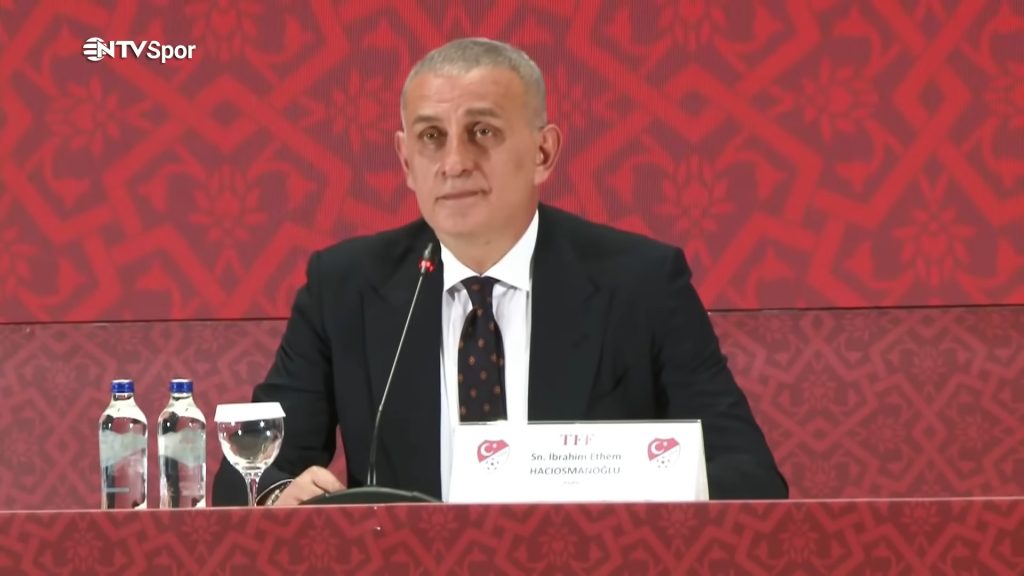
Turkish Football Federation (TFF) President Ibrahim Hacıosmanoğlu has revealed that hundreds of match officials, including several from the top-flight Süper Lig, have been implicated in a wide-ranging sports betting scandal that threatens to upend the country’s football establishment.

Speaking at a heated press conference in Istanbul on Monday, Hacıosmanoğlu disclosed that internal audits conducted with financial regulators uncovered that 371 of Turkey’s 571 active referees had registered betting accounts, with 152 of them actively wagering, some reportedly placing tens of thousands of bets. The findings were drawn from national betting databases and licensed platform data, forming part of a sweeping investigation into potential conflicts of interest among officials.

“Out of 571 referees, 371 hold betting accounts, and 152 are actively gambling,” said Hacıosmanoğlu. “We are determined to clean our football from any shadow of corruption. There will be no exceptions.” Among those implicated are seven elite referees from the Süper Lig, who will face immediate disciplinary review. Sanctions could include suspensions, lifetime bans, or criminal proceedings under FIFA and UEFA’s strict integrity codes, which prohibit referees from even holding betting accounts.

The scandal represents the most serious integrity crisis for Turkish football since the 2011 match-fixing affair that saw dozens of executives, players, and referees prosecuted for manipulating results. While betting is legal and popular across Turkey, it is strictly off-limits to officials and players under international rules.

Jeju

Hacıosmanoğlu, 59, who hails from Trabzon and previously served as president of Trabzonspor, has built his tenure on a populist anti-corruption platform. Elected TFF president in July 2024 by a razor-thin margin, he vowed to rebuild public trust in the sport through transparency and reform.

His leadership has already seen tighter oversight of referee appointments, expanded VAR review protocols, and Türkiye’s renewed participation in FIFA governance bodies. However, his combative style has polarized opinion among clubs and fans.

Supporters of his reforms see him as a long-overdue disruptor of entrenched interests, while critics accuse him of politicizing football governance. Monday’s announcement, viewed as the culmination of his integrity campaign, now tests whether his administration can deliver meaningful reform amid mounting public pressure.

The revelations come during a volatile year for Turkish football. In February, the TFF appointed Dutch referee Danny Makkelie to oversee the Galatasaray–Fenerbahçe derby following widespread criticism of domestic officials. Later, leaked messages allegedly from Fenerbahçe coach José Mourinho accused local referees of “systemic favoritism,” sparking weeks of media uproar.

By September, several FIFA-listed referees had filed criminal complaints against the TFF alleging workplace harassment and biased match assignments, claims now under judicial review.

News of the betting probe sent shockwaves through social media, with hashtags #HakemBahisSkandalı (Referee Betting Scandal) and #TFFİstifa (TFF Resign) trending within minutes. Fans across rival clubs united in outrage, demanding the immediate suspension of implicated referees and full disclosure of names. Financial analyst Ibrahim Ethem Afacan’s viral post quoting the TFF president’s statistics drew thousands of reactions, reflecting nationwide disbelief at the scale of the scandal.

While Fenerbahçe and Galatasaray fans called for sweeping institutional change, Trabzonspor supporters rallied around Hacıosmanoğlu, portraying him as a rare figure confronting deep-rooted corruption in the sport. The TFF has yet to publish names or timelines for disciplinary action but confirmed that both FIFA and UEFA have been notified.

The global bodies are expected to monitor or potentially join the investigation to ensure compliance with international integrity standards.

Bragg Gaming and Internet Vikings extend partnership to support West Virginia operations

Internet Vikings, a licensed in-state hosting provider for the U.S. iGaming and online sports betting industry, has been chosen by Bragg Gaming Group Inc, a content-driven iGaming technology provider, to host its West Virginia environment.

This agreement marks the next phase in a highly successful partnership, following collaborations in New Jersey and Pennsylvania.

As part of the agreement, Internet Vikings will provide Bragg Gaming Group with environments in two data centers in West Virginia to meet state-specific regulatory requirements. These include a primary environment and a disaster recovery setup, both located within the state.

The disaster recovery environment serves as an exact replica of Bragg’s live production environment, remaining idle and ready for immediate activation in the event of a disruption. This setup ensures compliance with West Virginia’s unique regulatory framework while maintaining operational resilience.

The partnership between Bragg Gaming Group and Internet Vikings began in November 2022, when Internet Vikings started providing backup services for Bragg in New Jersey. The collaboration expanded in 2023 with the launch of hosting services for Bragg’s subsidiary, Spin Games, in Pennsylvania.

“Partnering with Internet Vikings has been a great experience, and we look forward to continuing to work together while utilizing their solutions across the U.S.” said Peter Lavric, Chief Technology Officer, Bragg Gaming Group.

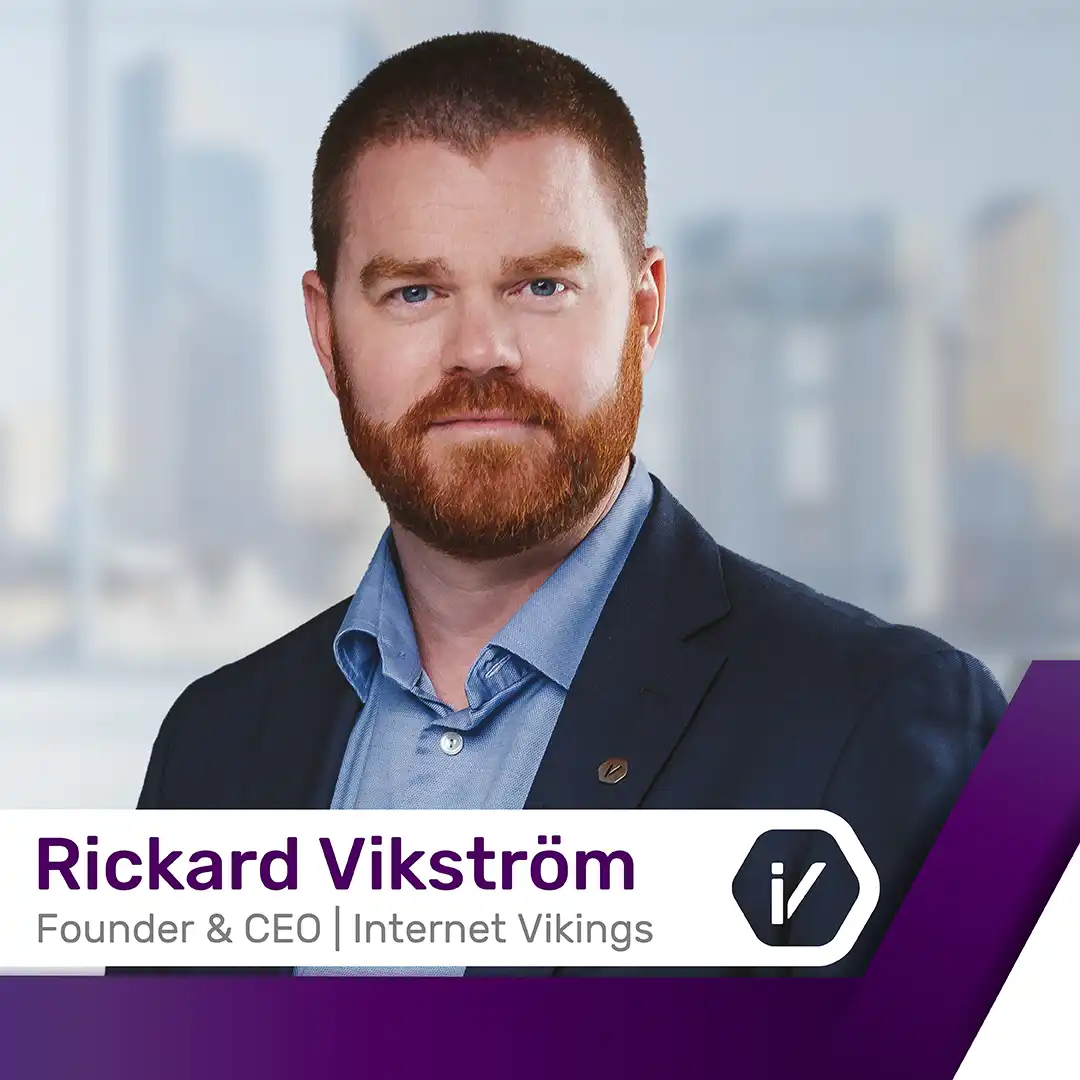
“Over the years working with Bragg this move was the right step forward for our partnership as they expand into West Virginia,” shared Rickard Vikström, CEO and Founder of Internet Vikings. “Bragg can continue to focus on delivering exceptional gaming experiences while we handle the technical infrastructure.”

With proven success in New Jersey and Pennsylvania, this latest agreement forms part of the ongoing collaboration between Bragg Gaming Group and Internet Vikings, ensuring compliant operations in West Virginia.  

Pragmatic Play launches Live Casino studio in Colombia, strengthening LATAM presence

0

Pragmatic Play, a leading content supplier to the iGaming industry, has announced the expansion of its reach and the diversification of its product offering in Latin America, marked by the launch of a new state-of-the-art Live Casino studio in Colombia.

Delivered and operated by ARRISE, a key service provider to the iGaming industry, the new cutting-edge studio in Bogotá has been strategically established to meet the rising demand for localised, premium live casino experiences across Latin America’s expanding regulated iGaming markets. Supported by an investment of over $15 million, the facility is set to create more than 1,500 new jobs in the region.  

The new studio will feature over 100 tables, delivering an expanding selection of Pragmatic Play’s most popular live casino games, including roulette and blackjack, all customized to local preferences and hosted by native Spanish and Portuguese-speaking dealers. The offering will comprise both network and dedicated tables with Smart Studio technology, allowing operators even greater branding and customization.     

Paul Dever, Chief Executive Officer at ARRISE, said: “We are very proud to unveil this new studio – a cutting-edge facility that goes far beyond premium live casino content. With localised games, native-speaking dealers, flexible branding options, and full regulatory alignment, it stands as a clear example of our commitment to helping operators deliver truly authentic, player-centric live casino experiences across Latin America.”    

These market-optimised games will also be complemented by localised versions of international fan favourites from Pragmatic Play’s award-winning portfolio, such as Mega Roulette, alongside brand-new game shows in 2026.   

Irina Cornides, Chief Operating Officer at Pragmatic Play, added: “This new live casino studio in Colombia represents a major milestone in our native content expansion strategy across Latin America. We’ve long recognised the immense potential of the region and remain committed to delivering premium, localised experiences tailored to the needs of each market. By working closely with our trusted operator partners, we aim not only to support their growth with best-in-class content, but also to continue expanding our presence and forging new, impactful relationships throughout LATAM.” 

Kambi Group partners with Holland Gaming, delivering its full Turnkey Sportsbook solution

0

Kambi Group, the home of premium sports betting solutions, has signed a multi-year agreement with Holland Gaming Technology to provide its full Turnkey Sportsbook solution to the operator in the Netherlands.

As part of the agreement, Holland Gaming Technology via its Holland Power Gaming subsidiary will gain access to Kambi’s revenue-driving sportsbook solution, combining advanced trading capabilities, a powerful open platform and award-winning Bet Builder product to deliver an engaging sports betting experience for its players.

The solution also includes a range of player engagement features and operator control tools designed to help partners differentiate and scale effectively.
 
The partnership follows Holland Gaming Technology’s successful sports betting licensure from the Dutch regulator, Kansspelautoriteit (KSA), and represents a significant step forward in the company’s growth strategy. Already a recognized name in the Dutch online casino space, Holland Gaming will now extend its offering to include sports betting for the first time, powered by Kambi’s world-leading end-to-end sportsbook.
 
Werner Becher, CEO of Kambi, said: “We’re excited to partner with Holland Gaming Technology as they expand into sports betting for the first time. Their strong marketing and deep industry expertise make them an ideal fit for our Turnkey Sportsbook solution and together, we look forward to delivering a high-performance product tailored to the Dutch market.”
 
Eddy Hultermans, director of Holland Gaming Technology Ltd, added: “Launching a sportsbook is a natural evolution for the business, and partnering with Kambi gives us the confidence to do so with a best-in-class product. Our team brings decades of experience in gaming, and with Kambi’s technology and support, we’re ready to deliver a compelling and engaging sports betting experience for our growing customer base.”