Bloomberry Resorts Corporation, led by Philippine billionaire Enrique K. Razon Jr., is officially winding down its South Korean casino operations after nearly a decade of underwhelming performance.
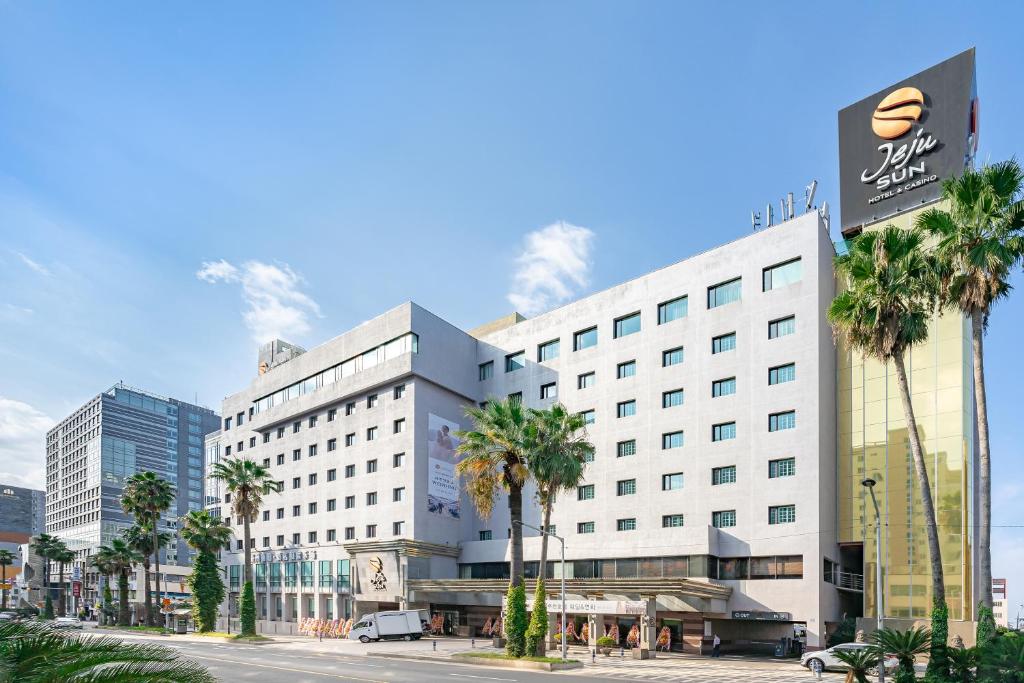
The company confirmed that its indirect subsidiary, Golden & Luxury Co., Ltd., has signed a Share Purchase Agreement (SPA) to spin off and sell the Jeju Sun Hotel & Casino’s gaming business to local firm Gangwon Blue Mountain Co., Ltd.
In a disclosure to the Philippine Stock Exchange and the Securities and Exchange Commission, Bloomberry stated that the buyer has made a down payment of KRW500 million ($350,000). The completion of the transaction will be contingent upon the successful completion of a corporate demerger, due diligence, and necessary regulatory approvals.
The sale marks the end of Bloomberry’s South Korean gaming venture, which began in 2015 with the acquisition of the property formerly known as T.H.E. Hotel & LVegas Casino, later rebranded as Jeju Sun Hotel & Casino. The 202-room resort features 36 gaming tables, 20 electronic gaming machines, and four restaurants. Despite repeated attempts at repositioning, the property consistently failed to achieve profitability.
Jeju Sun’s struggles trace the broader limitations faced by South Korea’s foreigner-only casino market. The country currently allows its citizens to gamble at only one venue – Kangwon Land, a government-owned property in Gangwon Province – while all other casinos cater exclusively to foreign visitors.
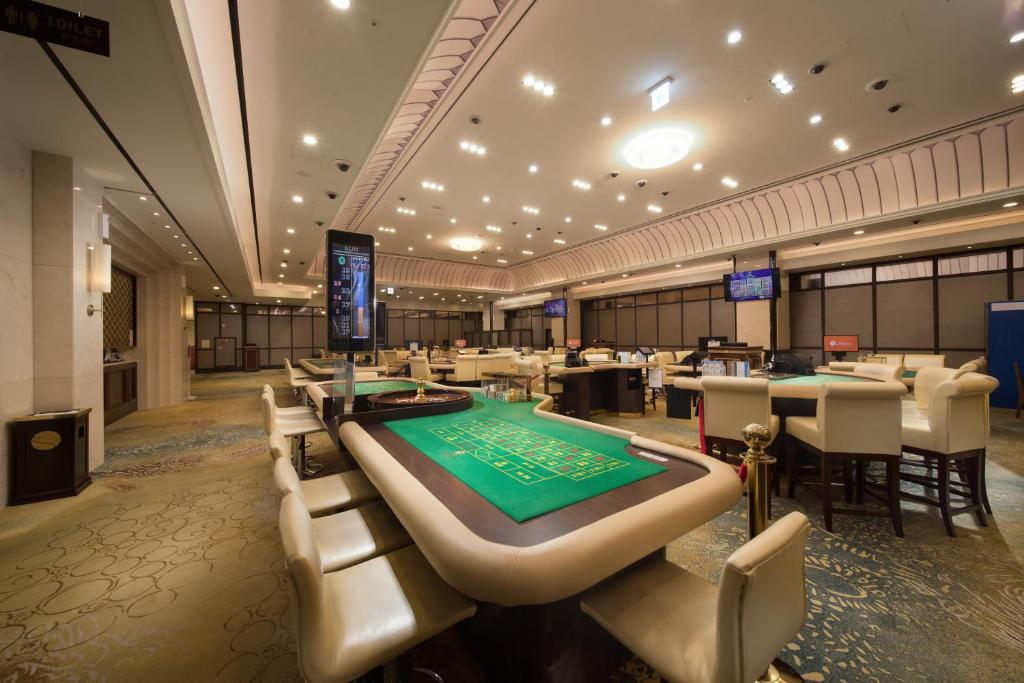
Razon himself acknowledged in 2020 that the Jeju venture had been a misstep. Jeju Island’s location also presented challenges. Despite being a popular tourist destination, its casino market is limited by accessibility and demand fluctuations. While Seoul-based travelers can reach Jeju by a one-hour flight, the island’s reliance on international tourism made it especially vulnerable during the pandemic, further eroding revenues.
Financial data underscores the property’s lackluster performance. In the second quarter of 2025, Jeju Sun recorded an EBITDA loss of PHP41.4 million (USD 706,000) and generated PHP128.7 million ($2.19 million) in total revenue, less than one percent of Bloomberry’s overall earnings for the period.
The property had already undergone a corporate restructuring in 2018 to separate hotel and casino operations, an attempt to streamline management and improve results. However, losses continued to mount, and the foreigner-only rule effectively capped its growth potential. Industry analysts view Bloomberry’s exit as a long-anticipated move to refocus on its profitable domestic operations.
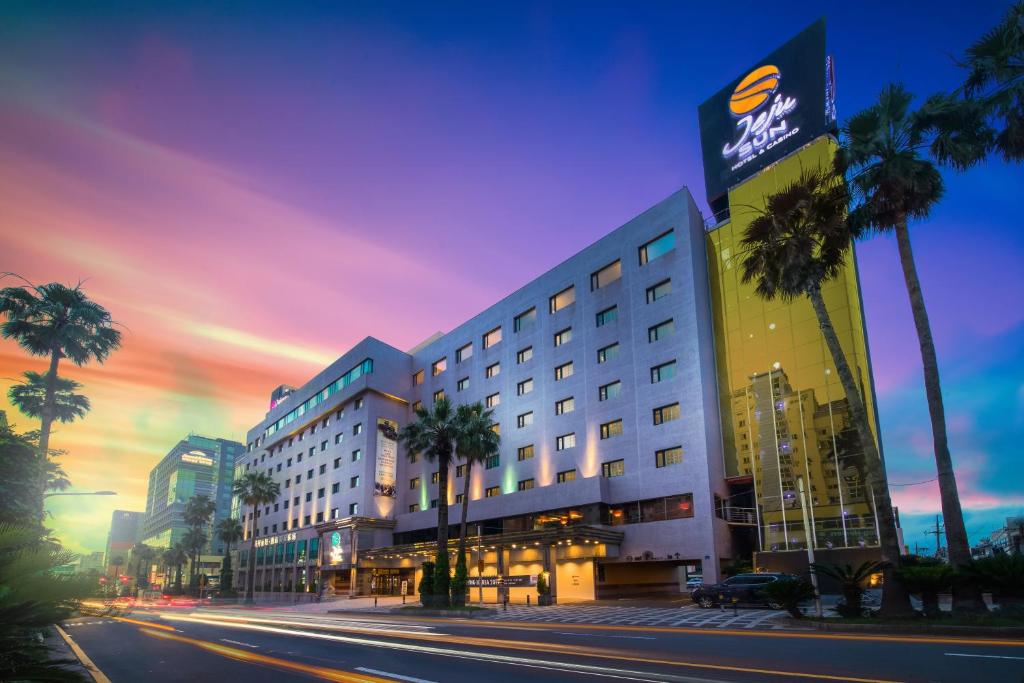
The sale comes as Bloomberry strengthens its domestic portfolio with the launch of Solaire Resort North, a $1-billion property in Quezon City that opened earlier this year. The new development complements the company’s flagship Solaire Resort & Casino in Manila’s Entertainment City and signals its long-term commitment to the Philippine integrated resort market.
This transaction is not Bloomberry’s first attempt to exit Jeju. The company nearly sold the property in 2016 to Iao Kun Group Holding Company, but that deal collapsed when the buyer failed to secure financing.
Beyond Jeju Sun, Bloomberry retains some assets in South Korea. Its subsidiary, Muui Agricultural Corp., owns land on Muui and Silmi Islands near Incheon International Airport, initially purchased for potential resort development, though no such plans have progressed. Bloomberry’s retreat from South Korea follows similar difficulties faced by other foreign investors.
In February, US-based Mohegan Tribe lost control of its INSPIRE integrated resort near Incheon International Airport after defaulting on financing from Bain Capital. Despite a $1.6 billion investment, INSPIRE has also struggled due to the same foreigners-only gaming restriction that limited Jeju Sun’s success.