Play’n GO, the world’s leading casino entertainment provider, has announced that its industry‑leading portfolio is now live with Ivy Casino in the UK.
Ivy Casino’s players in the United Kingdom can now access global smash hits from Play’n GO, including Book of Dead, Legacy of Dead, and Rise of Olympus 100, among many others.
Ivy Casino is a UK-facing online casino brand that launched in 2024, focusing on delivering a premium, player-centric experience tailored specifically for the UK market.
The brand operates alongside two sister sites, Rose Casino and O’Reels, which also serve UK audiences and share the same commitment to high-quality entertainment, strong user experience and robust responsible gaming standards.
Play’n GO has been one of the leading game suppliers in the UK for many years and is steadfast in its commitment to regulated markets globally.
Magnus Olsson, Chief Commercial Officer of Play’n GO, said: “We are delighted to launch with Ivy Casino in the UK who, like us, are focused on all the key elements of operating within a regulated market framework. I’m sure this is just the beginning of a long and fruitful partnership.”
Mark Good, representing Ivy Casino, added: “This partnership with Play’n GO forms part of Ivy Casino’s ongoing strategy to enhance its content offering for UK players by collaborating with leading studios known for creative, engaging gameplay.”
Stretch Network has unveiled its flagship seasonal tournament lineup with the launch of the Mystery Weekend Series (MWS) – KISS Edition, officially kicking off the winter season.
Running from December 26, 2025, to January 25, 2026, the series is structured as a month-long program offering a consistent schedule of tournaments across multiple formats and buy-ins.
The Mystery Weekend Series features a total guaranteed prize pool of over €326,000 and includes tournament leaderboards with a €10,000 TM prize pool as well as a €6,500 TM Welcome 2026 Freeroll.
Key Events in the Series Include:
MWS | Mystery Main Event – €50,000 prize pool;
MWS | Elite | Mystery – €6,250 each;
MWS | Mini Main Mystery – €5,000;
MWS | Omaha Main Events – €5,000.
Low-Buy-In Options Include:
MWS | Mini Elite and MWS | Mini Grand – €11 buy-in, €3,000 guarantee each;
The series combines high-stake headliners with accessible buy-ins, allowing operators to engage a broad range of player segments. It is designed to provide a reliable winter driver for operators, supporting sustained player activity and stable prize pool performance throughout the season.
Arena Racing Company (ARC), the UK’s leading racing operator, has confirmed it has received a Gaming‑Related Vendor License from the UAE’s General Commercial Gaming Authority (GCGRA).
The GCGRA is an independent entity of the UAE Federal Government with exclusive jurisdiction to regulate, license, and supervise all commercial gaming activities.
The license, operational with immediate effect, allows ARC to provide its products and services to licensed operators in the region. Notably, the Racing1 Markets service, an all-in-one horse and greyhound racing solution delivered in conjunction with Racing1 alliance media rights partners at 1/ST CONTENT, Racecourse Media Group (RMG), and Tabcorp, alongside technical partner Pythia Sports. ARC has been added to the list of licensed vendors as per the GCGRA website.
Jack Whitaker, Commercial Manager at ARC, said: “Obtaining this license is a great achievement for ARC and its Racing1 partners. The emerging regulated UAE market is incredibly exciting, and we look forward to showcasing our innovative products and services in the region.”
SOFTSWISS has announced its latest South African partnership with PantherBet, a new brand powered by the award-winning SOFTSWISS Sportsbook and SOFTSWISS Casino Platform.
This agreement marks another milestone for the software provider in South Africa, affirming its commitment to supporting ambitious, locally licensed operators.
This agreement marks another milestone for the software provider in South Africa, affirming its commitment to supporting ambitious, locally licensed operators.
The National Gambling Board (NGB) recently announced that South Africa recorded a gambling turnover of EUR 75.47 billion (R1.5 trillion) during the 2024/25 financial year, up from around EUR 55.3 billion (R1.1 trillion) in 2023/24. This year-on-year increase reflects continued expansion in regulated gambling activity, particularly within licensed betting channels, and underscores the scale and commercial relevance of the South African market.
Miranda Guliashvili, Head of Regional Growth at SOFTSWISS
Against this backdrop, PantherBet launched in September with a clear ambition: to become one of South Africa’s leading premium destinations offering responsible, innovative, market-leading entertainment. The operator’s approach centres on modern design, intuitive user experience, and a strong commitment to building long-term trust with players. By partnering with SOFTSWISS, PantherBet is leveraging technology that has already been tested in multiple regulated markets, including Europe, LatAm, and Africa.
“Partnering with operators who share our dedication to responsibility and high-quality entertainment is central to our strategy,” said Miranda Guliashvili, Head of Regional Growth at SOFTSWISS. PantherBet entered the market with a clear vision and a focus on quality, performance, and local relevance. Our award-winning technology has helped operators around the world grow and differentiate their offerings, and we see enormous potential in PantherBet as they continue developing their presence in the region.”
“Our purpose as a company is to provide responsible, safe, and accessible entertainment while becoming one of the most innovative, reputable, and trusted leaders in our industry,” said Andrey Rozhkov, CEO at PantherBet. Partnering with SOFTSWISS supports that purpose. The company’s global reputation, compliance expertise, and proven ability to empower premium brands give us the foundation to grow with confidence and bring South Africans a truly world-class experience.”
SOFTSWISS remains committed to supporting operators in South Africa and other regulated markets with both technology and insight. The company continues to share its market knowledge through industry resources, including the South Africa: iGaming Market Overview 2025 and the newly released 2026 iGaming Trends report, providing data-driven guidance for operators and partners planning their next steps in the region.
Backed by SOFTSWISS’ trusted infrastructure and PantherBet’s focused vision, this partnership is set to play a meaningful role in the future of online entertainment in South Africa.
SOFTSWISS closed 2025 with a series of key milestones, including the release of the fourth edition of its flagship iGaming Trends Report, the first industry trends conference, and a 45% expansion of its iGaming content portfolio across 24 regulated jurisdictions.
Certified Market Expansion and Industry Leadership
Following certifications in Africa, SOFTSWISS secured full certification in Brazil, one of the world’s largest newly regulated iGaming markets, and expanded its presence in Europe. The company also renewed its partnership with Formula 1 legend Rubens Barrichello, Non-Executive Director in Latin America, entering the second year of collaboration focused on strengthening brand credibility and regional market presence.
The year concluded at SiGMA Central Europe 2025, marking the culmination of the SOFTSWISS content-driven strategy. The event combined the launch of the 4th edition of the flagship 2026 iGaming Trends Report, based on expert insights, AI-driven analysis, and independent research by Kantar, as well as the company’s first four-hour conference, ‘iGaming Trends Marathon’, featuring keynotes and panel discussions, and a three-day live assembly of an Alfa Romeo 4C, which was presented to partner Lottu, reinforcing SOFTSWISS’ partner-first growth model.
Ivan Montik, Founder of SOFTSWISS, commented on the achievements: “2025 has been a year of global expansion and strengthened market presence for SOFTSWISS as a trusted technology partner, delivering reliable, regulation-ready solutions across Europe, Africa, and Latin America. I am proud that today we provide compliant technology across 14 regulated markets, fully compliant with local requirements and maintaining 100% technical stability for our partners.”
Product Maturity and Technical Performance
The SOFTSWISS Game Aggregator has strengthened its position as a reliable iGaming content hub, delivering high-quality games from in-demand studios and now featuring over 40,000 active games from more than 300 providers. With 99.999% uptime, it expanded availability in new markets, including Brazil and Peru. With over 600 clients worldwide, the solution remains a trusted engine for casino growth.
The SOFTSWISS Sportsbook continued to scale as a platform-agnostic and mobile-first solution. In 2025, the platform expanded its bonus mechanics, added new gamification features, and introduced additional content verticals to support a wider range of betting strategies. SOFTSWISS launched its first Sportsbook Network Jackpot with a €35,000 initial pool, awarding over €80,000 to the first winner.
Operators benefit from fast rollout on any casino platform and high-risk and retention support. With setup times for the Sportsbook as short as 14 days, its partners are well-positioned to prepare for the 2026 FIFA World Cup.
The Jackpot Aggregator celebrated a record Prime Network Jackpot win of 1,400,000 euros and several product advancements. New features include paid participation campaigns, customisable jackpot widgets, and enhanced drops and multi-prize mechanics, providing operators with more efficient tools to engage and retain players. As a result, operators launched over 500 jackpot campaigns in 2025, generating more than 70,000 jackpot hits.
The SOFTSWISS Casino Platform marked its 12th year with strong client satisfaction, achieving a score of 8.3 out of 10, according to Kantar research. Focused upgrades in stability, management, and compliance further strengthened its role as a reliable software for online casino operations.
Affilka by SOFTSWISS continued its upward trajectory, surpassing 500,000 affiliate accounts and 122 million registered players. New features, including advanced click analytics, API-based campaign tools, and a sub-affiliate revenue share model, further support operators seeking more efficient and data-driven affiliate programmes
New Markets & Compliance
Throughout the year, SOFTSWISS maintained a strong industry presence, participating in 50+ events, delivering 27 public speaking sessions, and receiving 28 industry awards across Europe, Latin America, Africa, and South Asia for its product portfolio, marketing execution, and individual professional achievements. Together, these results reinforce SOFTSWISS’ position as a reliable, regulation-ready technology partner with proven scale and long-term relevance across global markets.
Japan has not yet given up on its aspirations for more integrated resorts in the country featuring casinos. The recent announcement opening up a new application period for local governments interested in housing such IRs pushes back the timetable even further, though, prompting concern of a repeat performance of the first round of bidding.
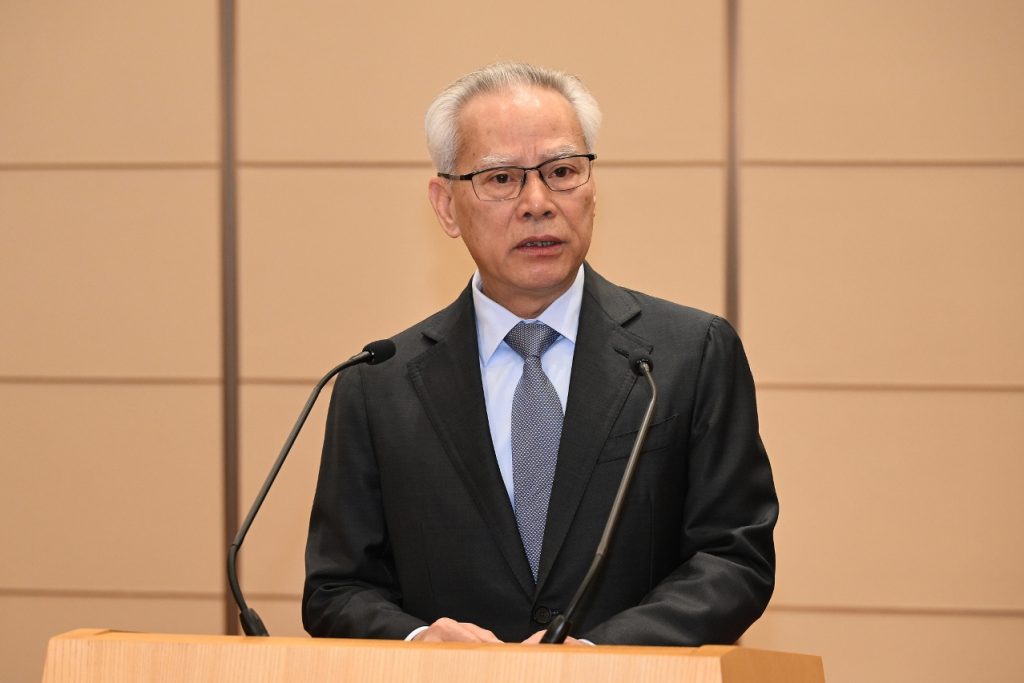
Daniel Cheng
Gaming expert and author Daniel Cheng points out the cracks in the country’s casino vision, highlighting who might still be willing to play the game.
Pyotr’s folly.
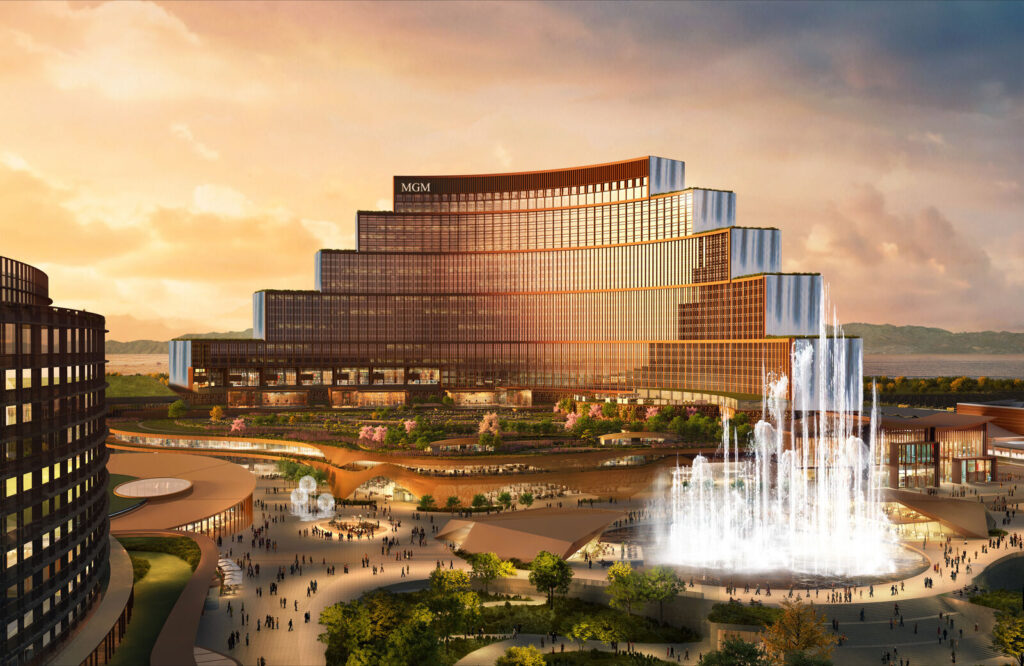
The composition showed true promise, but the finished work was uneven at best and derivative at worst. Winter Daydreams was widely criticized for its lack of originality and found a modern, concrete echo in the saga of Yumeshima. In English parlance, Dream Island is a cruel irony for a reclaimed toxic landfill that has spent decades as a graveyard for thwarted municipal dreams. The Osaka authorities sought an opus in an $8 billion, Vegas-style integrated resort by MGM Resorts. The score barely scraped through with an almost nightmarish D grade (65.7%), accented by the repeatedly poor cadence of the Japanese government. The promised crescendo turned into a stuttering prelude to the advent of the Japanese casino industry.
MGM Osaka IR concept
Symphony No. 1 was uninspiring. Ten years later, Pyotr Ilyich Tchaikovsky would find complete redemption in pairing masterful orchestration with profound emotional depth in a masterpiece that has become an emblem of the ballet repertoire. The ascension of Sanae Takaichi into the Prime Minister’s Office opened the doors for the Japan Tourism Agency (JTA) to pick up from where they left off, announcing in recent days that applications will reopen 15 months from now for the remaining two integrated licenses in May 2027. They say the devil is in the details, but in this case, it will be the annotations that critically determine whether the next arrangement can earn absolution and mirror the rebound of Tchaikovsky’s Swan Lake.
That there appears to be no overt political manipulation of the JTA to fast-track the process is a positive sign, especially as memories of the missteps by the now-deposed Pheu Thai government in Thailand remain fresh. However, with submissions not due for more than a year and decisions likely only two years away at the earliest, this is an obvious source of concern and uncertainty for both investors and prefectural governments.
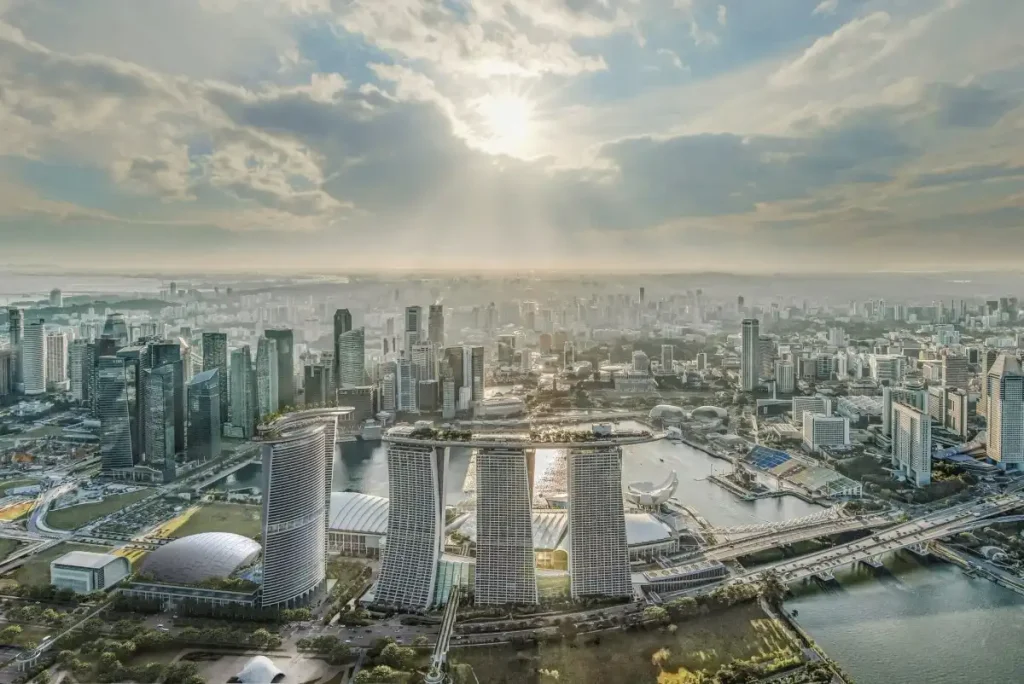
However, a year-and-a-half is painfully tight for any prefecture starting from scratch to define a clear policy purpose. Crafting such a policy requires harmonizing tourism repositioning, urban regeneration, and fiscal stability into a singular vision. It is a mammoth endeavor that spans years and even decades, much like the evolution of Singapore’s Marina Bay district.
Marina Bay Sands, Singapore
While a major integrated resort can act as a powerful catalyst, it remains only one component of a compelling broader masterplan. A lack of comprehension regarding these strategic elements strips the project of its transformative power, reducing it to a mere commercial real estate project or, worse, just a gambling business, thereby marginalizing all potential spillover effects and missing the forest for the trees.
Unlearned lessons
The casino industry is a highly specialized niche, dominated by a select few international marquee brands that can be counted on one hand. Singapore was acutely mindful of this exclusivity when it embarked on a comprehensive market analysis to establish its gaming sector. The government sought high-level counsel from premier industry consultants to conduct exhaustive demand studies and formulate credible social-impact assessments.
This rigorous approach allowed for a clear articulation of the trade-offs and benefits to ensure the creation of a market-led industry that simultaneously upheld the social contract and national security. This meticulous planning gave birth to the still-nascent “Integrated Resort” (IR) model which became the cornerstone of Singapore’s global acclaim. Aspiring jurisdictions were quick to embrace and endeavor to emulate this model, viewing it as the gold standard to mitigate the polarizing Marmite effect that plagues gambling deregulation.
Japan’s folly, by contrast, lay in the government’s failure to recognize this inherent complexity, a shortcoming further exacerbated by the conflation of political agendas and commercial interests. A novice without a maestro to guide the arrangement inevitably resulted in a cacophony of misaligned expectations rather than the harmonious masterplan required for success. This lack of fundamental understanding and the failure to enlist specialized subject-matter expertise lies at the crux of why Japan’s first bidding round fell decidedly flat.
Hands-off approach
The brevity of the announcement last week by the Japan Tourism Agency was troubling because it suggested again a lack of active participation or support from the central government. By appearing content to simply wait until 2027 to review proposals, the agency is leaving interested prefectural authorities to their own devices to synthesize a vision, assimilate plans, and select operators independently. This hands-off approach perpetuates the same systemic gaps that plagued the inaugural round, allowing ineligible and rogue actors to slip through the cracks.
Nagatacho is already sorely lacking in foundational expertise, a deficit that painfully exposed the vulnerability of prefectures with fewer resources and less intellectual capital. Ultimately, this lack of oversight transformed the bidding process into a laughingstock and triggered a mass withdrawal of interest from the industry’s major operators.
Hard Rock Hokkaido concept
The scenario is begging a repeat fiasco where the only redeeming note would be Hokkaido Prefecture, where Tomakomai City had a 10-year head start in orchestrating a proper thematic blueprint in lockstep with Hard Rock International since 2015. Other hopefuls (Aichi, Mie, Nagasaki, among them) appear more likely to turn in formulaic and anemic bids. Without the proper structural framework in place, it is difficult to imagine any of them striking a chord or realizing the world-class integrated resort that Japan deserves.
Yet all is not lost if only the government turns to harness the considerable untapped resources of the Japan Casino Regulatory Commission. With nearly 200 bureaucrats available to reinforce the process, Japan could still recover from the stasis of Winter Daydreams into the triumph of Swan Lake and avert the ignominy of the older Mendelssohn sibling, bookmarked in posterity as a cautionary example of unrealized potential.
The Macau government said the phase-out of satellite casinos is progressing smoothly ahead of the December 31st deadline, with nearly 3,500 employees already reassigned and no complaints received so far.
Officials said the transition is being handled in an orderly manner in accordance with the city’s gaming law, as authorities step up coordination to manage both labor arrangements and community impacts.
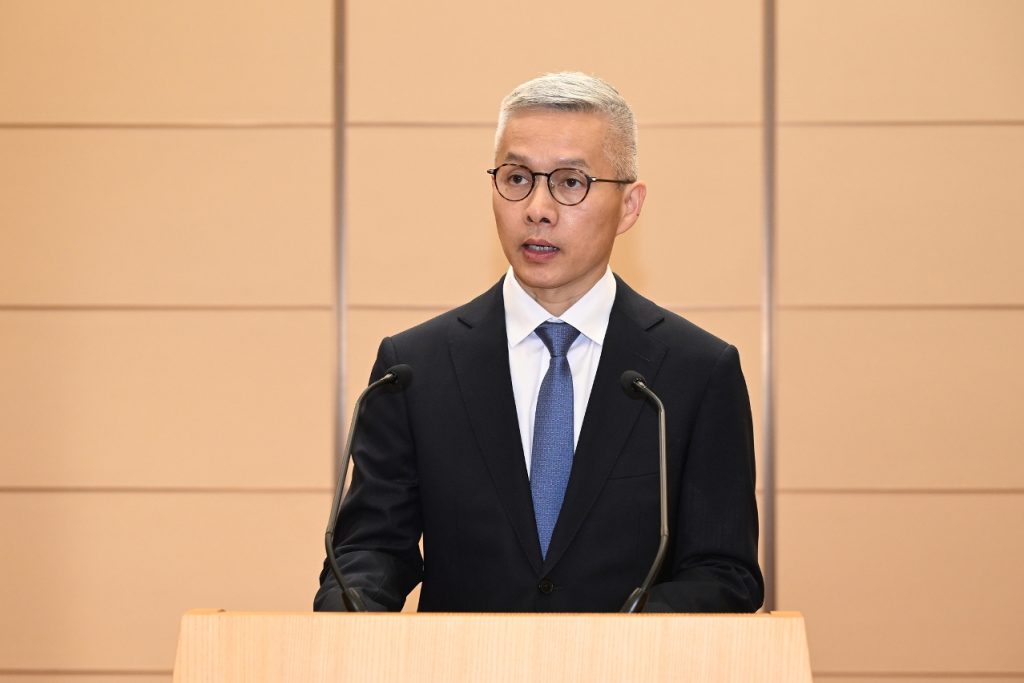
Speaking to the media after attending a reception marking the 26th anniversary of the establishment of the Macau SAR on Saturday, December 20th, Chief Executive Sam Hou Fai said the three-year transitional period for satellite casinos, stipulated under the city’s gaming legislation, will formally expire on December 31st. He said the government had set up an interdepartmental coordination group to oversee closure arrangements and ensure the process proceeds in a lawful and orderly manner.
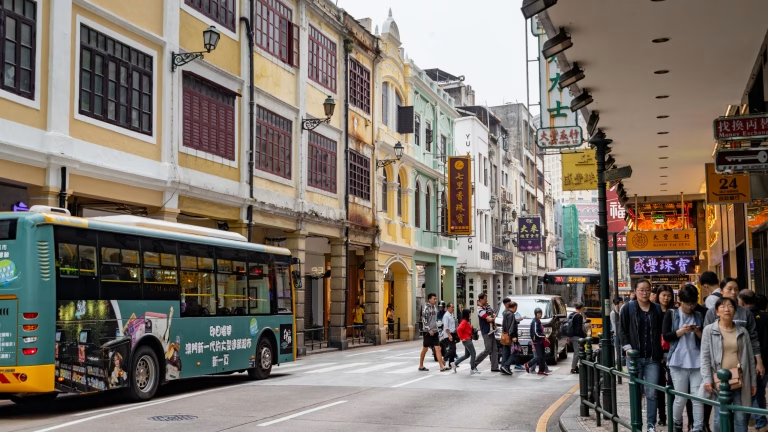
Addressing concerns over the broader economic impact of the satellite casino exit, Secretary for Economy and Finance Tai Kin Ip said the government is closely monitoring effects on surrounding commercial districts. He said officials have maintained frequent communication with local merchants to understand their needs during the adjustment period and are actively studying and rolling out measures to optimize the business environment and attract foot traffic.
The Secretary said efforts have already been made to strengthen connectivity between the NAPE and ZAPE districts (where most satellite operations were located), including infrastructure improvements such as widening pedestrian crossings. The government has also responded to requests from businesses by organizing a range of activities to boost local consumption. These include extending recent international light and shadow festival events into the NAPE area, with additional themed festivals planned for the district in the coming period.
He added that relevant departments have issued operating licenses allowing restaurants in inner streets of the area to set up outdoor seating, a move that has received a positive response from operators. The government will continue to track the operating conditions of community businesses and, through cross-departmental coordination, further refine measures to improve the local business environment, Tai said.
Separately, the Chief Executive said that during his recent duty visit to Beijing, President Xi Jinping had expressed full recognition of the Macau SAR government’s work, including its efforts to promote appropriate economic diversification. He said the government will continue to implement policy measures suited to Macau’s actual conditions to advance diversified development.
The top Macau official added that, given Macau’s economic structure and the increasingly complex external environment, promoting moderate economic diversification remains both a practical necessity and a correct macro-level judgment by the central authorities.
The SAR government is currently pressing ahead with four major projects aimed at generating broader socio-economic benefits, and he called on society to build consensus and strengthen coordination with the Guangdong-Hong Kong-Macau Greater Bay Area and the Hengqin cooperation zone to jointly advance diversification efforts.
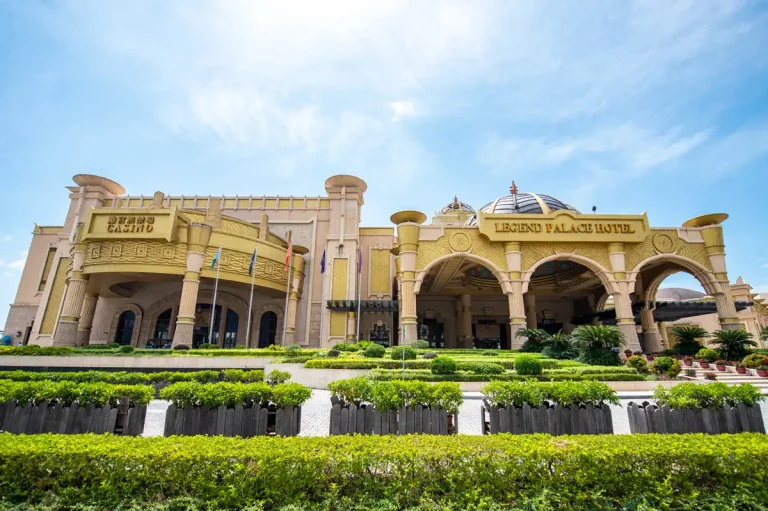
Macau Legend Development has completed a change of domicile from the Cayman Islands to Bermuda and approved a series of governance and capital structure changes aimed at creating an accounting surplus to offset accumulated losses, the company said in a filing.
The Hong Kong–listed casino and hotel operator said the redomiciliation took effect on December 19th, 2025, with the company de-registered in the Cayman Islands and continuing in Bermuda as an exempted company. As part of the move, the company updated its registered office to Canon’s Court in Hamilton, Bermuda, and appointed Appleby Global Corporate Services (Bermuda) Ltd. as its principal share registrar and transfer office, while Computershare Hong Kong Investor Services remains the branch registrar in Hong Kong.
Concurrently, shareholders approved new constitutional documents, including a new memorandum of continuance and bye-laws, which took effect upon completion of the domicile change. The company also approved the cancellation of its share premium account, with the entire balance transferred to a contributed surplus account under the Bermuda Companies Act.
Building on this, Macau Legend said it will implement a capital reorganization effective December 29th, 2025, subject to remaining conditions. The restructuring includes a reduction of the par value of issued shares from HK$1.00 ($0.13) to HK$0.01 ($0.0013) and a subdivision of authorized but unissued shares on the same basis. The credit arising from the capital reduction will be transferred to the contributed surplus account and applied to offset accumulated losses, as permitted under Bermuda law and the company’s new bye-laws.
The company noted that key conditions for the capital reorganization—including shareholder approval at an extraordinary general meeting and the effectiveness of the domicile change—have already been satisfied. Directors also confirmed that, on the effective date, there were no reasonable grounds to believe the company would be unable to meet its liabilities as they come due.
Macau received nearly 36.5 million visitor arrivals in the first eleven months of 2025, marking a year-on-year increase of 14.4 percent, according to official data released by the Statistics and Census Service (DSEC).
The figures underscore a continued recovery in inbound travel to Macau, supported by strong growth from the Chinese mainland and steady gains in overseas markets.
In November alone, the city recorded about 3.35 million visitor arrivals, up 18.1 percent from a year earlier. Mainland China remained the dominant source market, with roughly 2.4 million arrivals during the month, up 21.9 percent yearly. Travel under the Individual Visit Scheme (IVS) accounted for about 1.26 million of these visitors, up more than 36 percent from the same period last year.
Among mainland travelers, more than 220,000 entered Macau under the “one trip per week” measure, while about 112,000 used the “multiple-entry” arrangement and nearly 30,000 traveled under the “tourist group multi-entry” measure. Visitors from the nine Pearl River Delta cities in the Greater Bay Area totaled about 1.28 million in November, up 33 percent year-on-year, driven largely by a sharp increase in arrivals from Zhuhai, strongly influenced by the “one trip per week” policy.
Arrivals from Hong Kong reached about 584,000 in November, up 5.4 percent year-on-year, while visitors from Taiwan totaled about 91,000, an increase of 27.1 percent.
International visitation also continued to improve. November saw nearly 274,000 international visitors, up 13.6 percent year-on-year. Growth was recorded across several key markets, including the Philippines, Indonesia and Thailand in Southeast Asia, as well as India.
Northeast Asian markets also performed strongly, with arrivals from South Korea and Japan posting double-digit growth. Visitors from the United States rose by nearly 8 percent year-on-year.
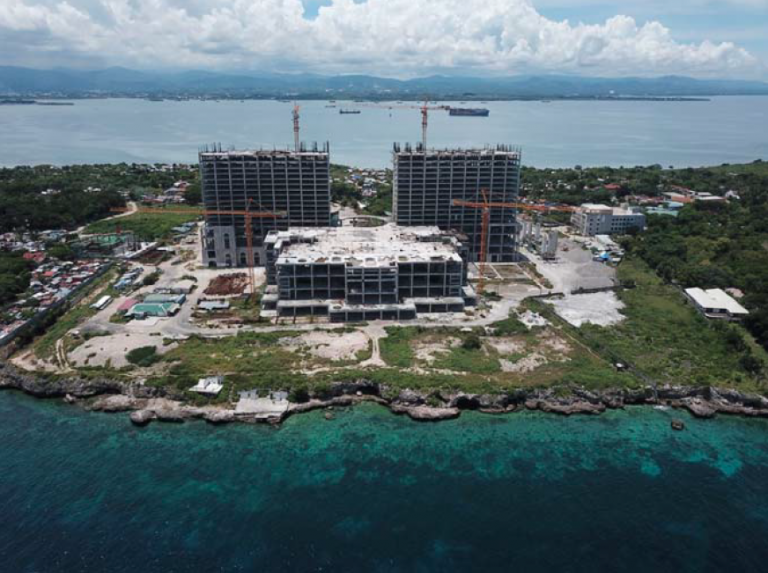
PH Resorts Group has confirmed that all proceeds from its previous capital-raising activities have been fully spent, primarily on the now-stalled Emerald Bay integrated resort and casino project, according to a disclosure filed with the Philippine Stock Exchange (PSE).
The statement came in response to a query from the PSE regarding the company’s business plans and use of funds following the revocation of its provisional gaming license by the Philippine Amusement and Gaming Corp (PAGCOR).
The company raised PHP599.15 million ($10.49 million) through a top-up placement in August 2021 and PHP756 million ($13.24 million) via a previous follow-on offering in November 2020. Of these amounts, PHP504.1 million ($8.6 million) from the 2021 placement and PHP707.2 million ($12.1 million) from the 2020 offering were directed toward construction of the Emerald Bay project, with the remainder allocated to transaction fees and general corporate purposes.
‘The Company confirms that all proceeds previously earmarked for the Emerald Bay Project from the above-mentioned capital-raising activities have been fully utilized as disclosed,’ stated Corporate Secretary Leandro E. Abarquez in the filing. ‘Accordingly, there are no remaining unutilized proceeds from these issuances allocated for the Emerald Bay Project.’
Following the license revocation, PH Resorts’ board of directors and senior management are conducting a comprehensive evaluation of strategic options. The company outlined several potential paths forward, including the reconfiguration or repurposing of existing assets, pursuit of alternative business opportunities such as joint venture projects, and possible mergers and acquisitions.
‘The Company emphasizes, however, that no definitive plans or decisions have been determined and approved as of date hereof as the Company is still carefully considering its options,’ the filing indicated.
PH Resorts, a unit of Udenna Corp controlled by Philippine entrepreneur Dennis Uy, said the revocation of its provisional gaming license would not materially affect its financial position, as commercial operations had never commenced.