



Philippine Senator Sherwin Gatchalian, in an exclusive interview with AGB, has ruled out a total ban on online gambling, warning that such a move would drive the industry underground and make it even harder to regulate.
Instead, the lawmaker is calling for immediate implementation of stricter regulations to protect vulnerable groups—particularly the youth—and address growing moral and economic concerns surrounding the digital gaming landscape.
“The reality tells us that it’s nearly impossible to completely ban online gaming, because it will just go underground…We might as well regulate it.”
Senator Sherwin Gatchalian
He also cited the failure in China as an example. “China is very strict with the internet, but even in China, they have underground online gambling. So in other words, even advanced countries like China, which heavily regulate the Internet, cannot completely ban online gambling. And that’s what I fear will happen in the Philippines.”
The senator has filed a bill in the Philippine Senate that seeks to comprehensively regulate online gambling platforms, arguing that leaving the industry unchecked could lead to greater social harm. His proposed legislation aims to raise the legal gambling age to 21, tighten Know Your Customer (KYC) procedures, enforce minimum betting thresholds, and decouple digital wallets from gambling platforms.

Moral and social impact on youth
Gatchalian’s push for reform is largely rooted in concerns about the increasing accessibility of online gambling among young Filipinos. “A lot of our high school students have been observed playing online gambling because it’s so easy to register by pretending they are over 18,” he said. “That’s why I raised the age from 18 to 21.”
The senator, who has spoken with educators, principals, and parents, warned that the moral degradation resulting from youth exposure to gambling should not be sacrificed in exchange for tax revenue. “We have to always protect the youth from gambling, from vices, from drugs, from crime,” he stressed. “Once immoral activities prey on the youth, then we have to make sure we stop them.”
Disagreement over economic value
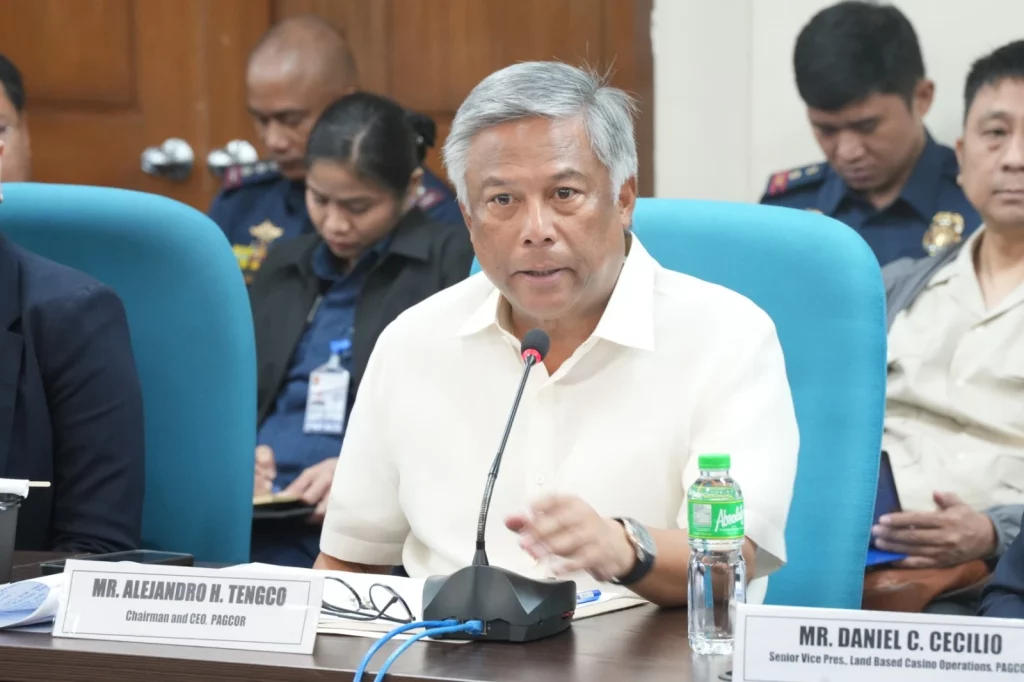
While both Gatchalian and the Philippine Amusement and Gaming Corporation (PAGCOR) agree that a total ban is unrealistic, they differ sharply on the perceived economic benefits of online gambling. PAGCOR recently argued against a prohibition, citing over PHP100 billion ($1.8 billion) in annual revenues and some 32,000 direct jobs generated by the online gambling sector.
Gatchalian disputes this view, citing evidence that online platforms are cannibalizing revenues from land-based casinos. “It’s unfair for brick-and-mortar casinos, which invest in hotels, auditoriums, and shopping malls, to compete with online operators who just rent a room and install servers,” he said.
The senator also mentioned that PAGCOR’s chairman has admitted during Senate hearings that there is cannibalization of revenues from brick-and-mortar casinos to online gambling platforms. He argues that curbing online gambling could redirect some revenue back to land-based casinos, softening the overall financial impact.
Additionally, Gatchalian notes that the country should not sacrifice moral values for revenue. “In my personal opinion, moral values are supreme compared to what the country will be making.”
Criticism of PAGCOR’s dual role
Gatchalian also questioned the efficacy of PAGCOR as both operator and regulator. “This is one fundamental flaw in the Philippines,” he said.
“In a perfect world, PAGCOR should be very strict with regulation, but they tend not to be because they are also making money from these entities.”
He advocates for the creation of a new, independent regulatory body solely tasked with overseeing gambling activities, separating it entirely from operations. “If PAGCOR wants to be an operator, that’s fine. But let’s have a new regulator that will purely regulate all gaming activities in the Philippines,” he proposed.
Gatchalian revealed that his office is drafting a legislative bill to establish this new regulatory framework, emphasizing the need for accountability. “If PAGCOR fails to fulfill its mandate, it should face consequences. Regulatory accountability should apply not only to operators but also to the regulators themselves.”

Immediate measures
In the absence of a new regulatory agency, Gatchalian insists that PAGCOR must act swiftly to implement stronger enforcement mechanisms. These include enforcing minimum bet amounts, increasing age restrictions, implementing advanced KYC processes, and severing links between e-wallets and gambling sites. “Even without a law, PAGCOR can actually do this already. They are empowered to regulate,” he said.
Regarding the possibility of increasing the gaming tax on online gambling operators, Gatchalian is not against the idea. “We need to also make sure that it’s not too high, that they will go underground, but it’s not too low, that they will make a tremendous amount of money,” he said.
Gatchalian added that his bill includes provisions for penalizing regulators who fail to uphold their responsibilities. “It’s not only the players or the operators. The regulators themselves must also be held accountable,” he emphasized.
Learning from the POGO ban
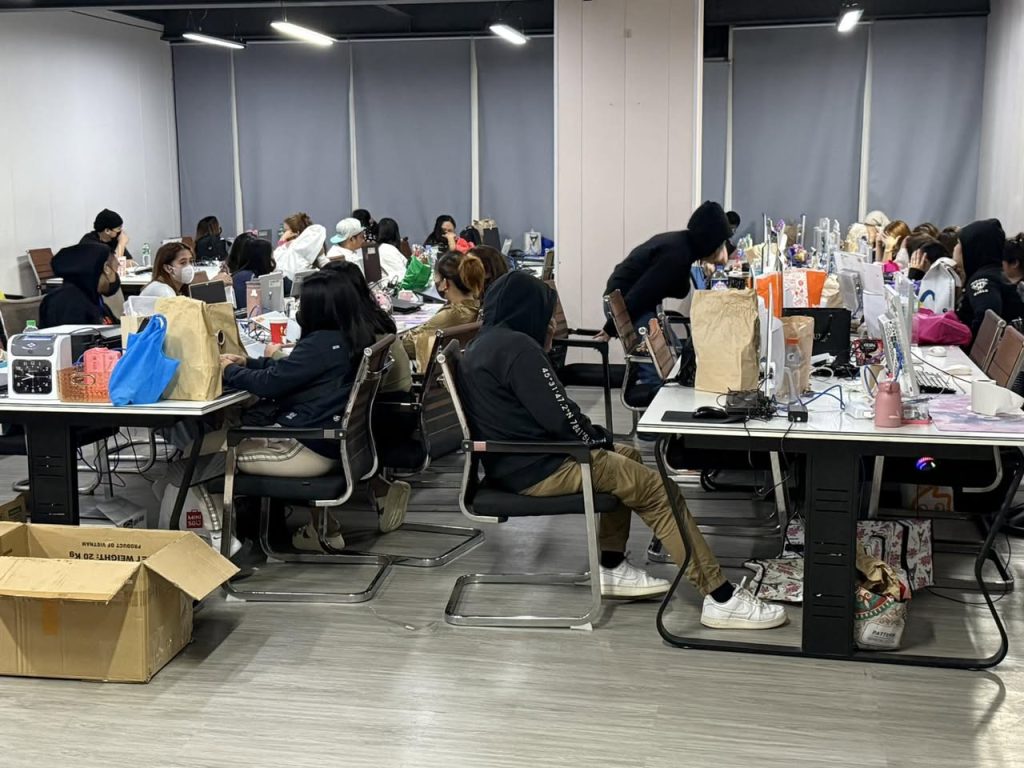
Gatchalian has been one of the strong voices who pushed for the Philippine Offshore Gaming Operators (POGOs) ban in the country. Reflecting on the crackdown on POGO, he said the government’s actions—driven by public outcry and law enforcement efforts—have largely eradicated the sector. “The country has gotten rid of POGOs by maybe 95 percent,” he said. “There’s no more air of fear now.”
He credits the POGO ban as a decisive factor in the Philippines’ removal from the Financial Action Task Force’s (FATF) grey list. “That was the missing part of cleaning up our financial system,” he said. “It improved the reputation of the country and helped restore peace.”
Yet, he warned that unless PAGCOR exercises effective oversight over online gambling, the Philippines risks repeating the mistakes made with POGOs. “If PAGCOR wants to retain online gambling, then they should regulate. They should make sure our youth are not gambling. They should make sure that addiction is treated.”

The role of financial institutions
In the same interview, Gatchalian also emphasized the importance of integrating regulatory efforts with financial institutions. He supports the Central Bank’s move to require stricter controls on how e-wallets are used in gambling transactions. “We’re trying to prevent e-wallets being a gateway to online gambling,” he said. ““Cryptocurrency, including Bitcoin, isn’t yet widely adopted among lower-income groups. It’s really e-wallets that we need to manage.”
Nonetheless, he acknowledged the need to eventually extend regulatory oversight to cryptocurrency-based transactions. “We’ll get there later on,” he noted, “but for now, our focus is on protecting ordinary Filipinos who are more vulnerable.”
Waiting on presidential direction
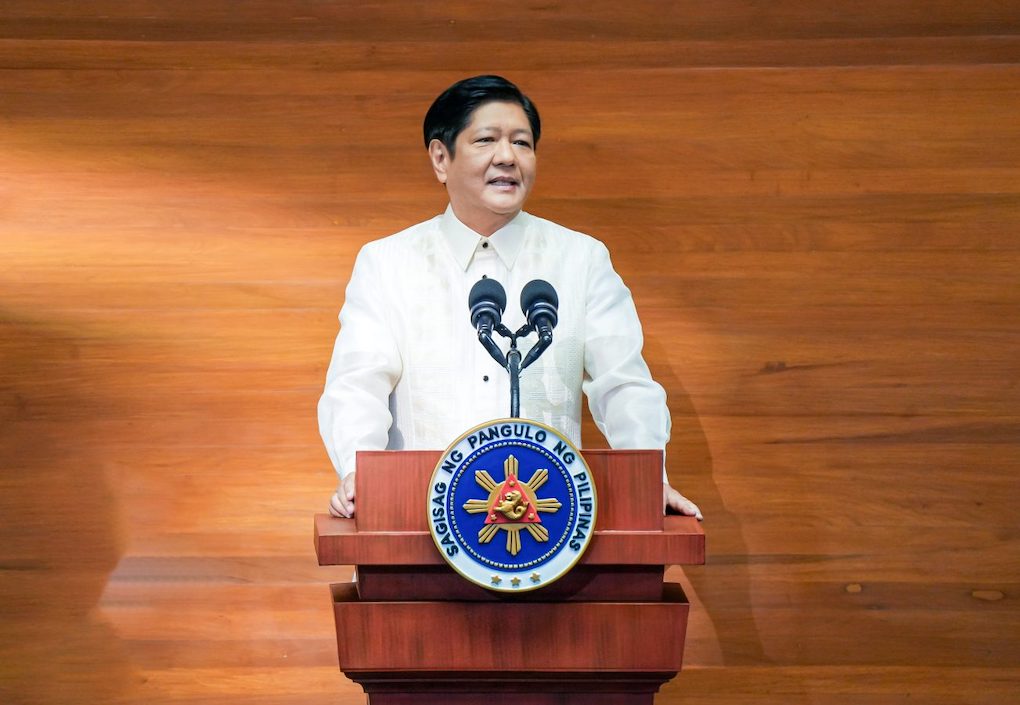
As President Ferdinand Marcos Jr. prepares to deliver his next policy address on July 28th, Gatchalian said he is unsure whether the administration will prioritize online gambling reform. “I can’t really say what the President will say about online gambling,” he said. “But I know that they are studying how to be stricter with regulation.”
For Gatchalian, the stakes are high.
“If PAGCOR does not act fast, and the public becomes angry again, the pressure for a total ban will grow. They must not wait for another outcry like what we saw with POGOs.”