
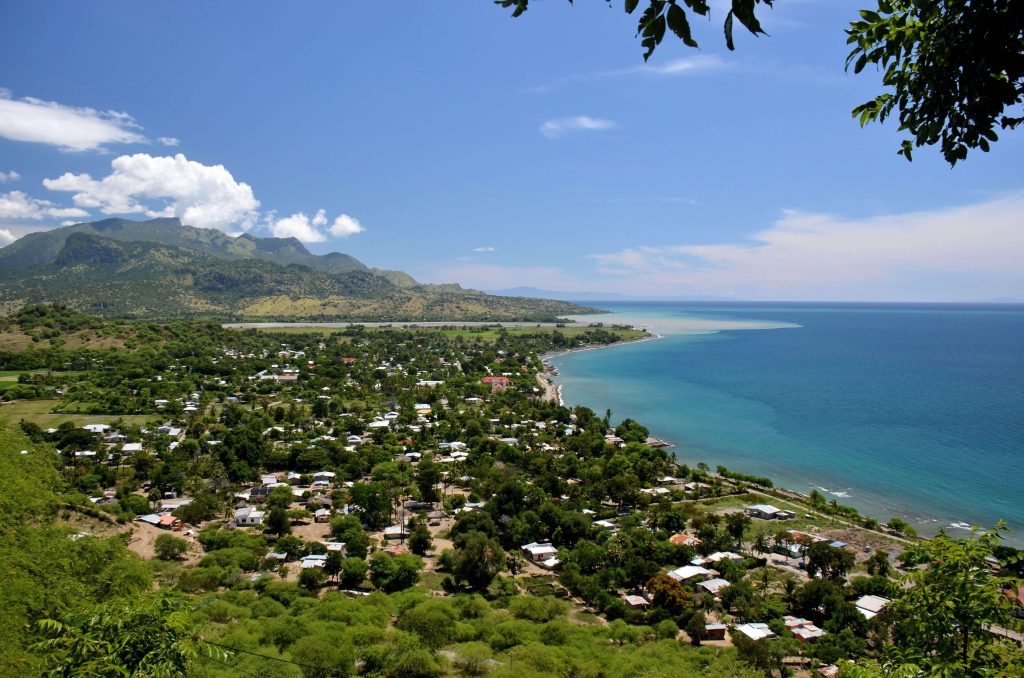
East Timor is taking its first tentative steps into the gaming industry, but its moves remain largely under the radar and challenges abound, a legal consultant based in the country tells AGB.

The small Southeast Asian country has quietly launched its first foray into the offshore gaming sector, granting an inaugural license to Golden River Universe (GRU) in April under the supervision of the newly established Inspectorate General of Gaming (IGJ).
The concession was said to have been completed after over eight months of regulatory collaboration with the IGJ, marking a step in the new industry introduced by the small Southeast Asian nation.
A legal consultant with experience in the gaming sector and based in the country, who chose to remain anonymous, told AGB that the license could mark the beginning of a new chapter in the country’s economic diversification plans.
“The initiative proposed and implemented by the government is currently limited to offshore activities,” he noted.
GRU is the first company officially licensed under Timor-Leste’s national Concession Contract to operate offshore support services for the gaming industry. Its operations fall under the supervision of the Inspectorate General of Gaming (IGJ), the newly created regulatory authority tasked with overseeing the sector.
Its parent company, Grand Dragon Lotaria (GDLotto), is the largest digital lottery operator in Timor-Leste and is led by Datuk Harry Ng. The move aims to serve as a model for international operators by demonstrating the country’s readiness to support world-class gaming infrastructure and services.

GDLotto currently holds licenses in Timor-Leste, Cambodia, and Nigeria, and serves a global player base through its international platform GDLotto.com.
As part of its licensed operations, GRU has launched the Timor Offshore Gaming Operational Standards (TOGOS)—a brand created to structure and support offshore activities in the country.
The company recently opened a five-story flagship facility in Dili that serves as a centralized operational hub for early-stage offshore service partners.
The facility provides shared infrastructure including offices, meeting rooms, accommodation, and support services, all aimed at building what GRU describes as a “responsible and compliant offshore operations model.”
TOGOS is designed to provide a clear framework for offshore-related support services, aligning with international standards and best practices. According to the company, its broader vision is to position Timor-Leste as “Asia’s Malta”—a regional hub for responsible offshore gaming operations.
The consultant sees the ambition, but also recognizes the challenges ahead.
“Although the idea behind issuing this license seems somewhat ambitious to me, I note that everything has been handled very cautiously,” he said.
While the government’s motivations—such as attracting foreign investment, creating jobs, and generating new revenue streams—are clear, the lawyer notes that the rollout has been marked by caution and discretion.
“There are significant constraints—such as the weight and influence of the Church in national affairs, cultural sensitivities, and social protection concerns—that justify this deliberate and strategic secrecy.”
Brick-and-mortar still far away
Offshore gambling is legal in Timor-Leste, as are lottery games, wagers on cockfighting and “traditional fair gambles” like “kuro kuro” and “bola guling”.
But meanwhile, a Singapore-based developer has signed a deal with the government of Timor-Leste to develop the republic’s first casino resort.
In a February 11th filing, Asia-Pacific Strategic Investments Ltd (APS) announced it would establish a $60 million casino and a $20 million bank in the Southeast Asian country.
The agreements were said to have been “formalized” with Francisco Kalbuadi Lay, Timor-Leste’s vice-prime minister and economic affairs and tourism minister. If approved, it will be the first land-based gaming hall in the Southeast Asian republic.
However, East Timor’s president José Ramos-Horta commented in August of last year that – although he is in favor of allowing online gambling licenses targeting the overseas gambling market – his government has no interest in land-based casinos in the country.
“Beyond online gaming, there have been rumors about potential plans to establish brick-and-mortar casinos,” he told AGB. “However, poor infrastructure, underdeveloped tourism, and a lack of skilled labor pose serious challenges to this realization.”
The legal expert believes that the government’s careful approach may be justified, but stresses that the success of the initiative will ultimately depend on solid legal and institutional groundwork.
“Only time will tell. I wouldn’t say the secrecy is all that relevant, but how things are managed will undoubtedly be the decisive factor in this initiative’s success,” he said.
“To sustainably develop both sectors—online and land-based—it’s crucial to establish and strengthen the legal and regulatory framework, particularly for online gaming, while also enhancing the institutional capacity of the regulator.”
Human capital development is also critical. “Timor-Leste has many unique characteristics—nascent tourism, developing institutions, and inexperience in the sector—yet there are clear signs of political will to grow and consolidate the industry,” he observed. “The country also benefits from a highly favorable geographic location and enormous tourism potential, key factors for progress.”
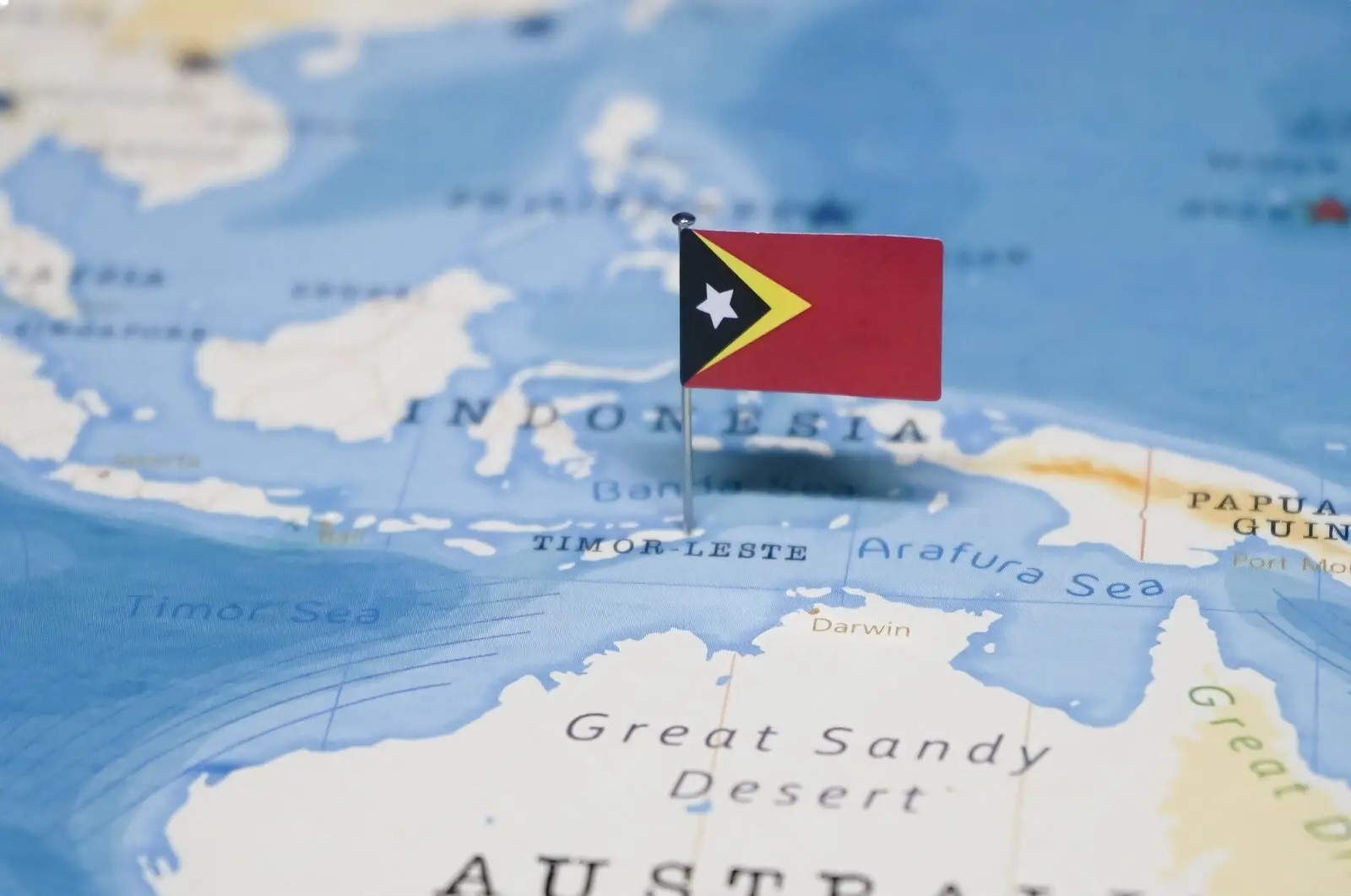
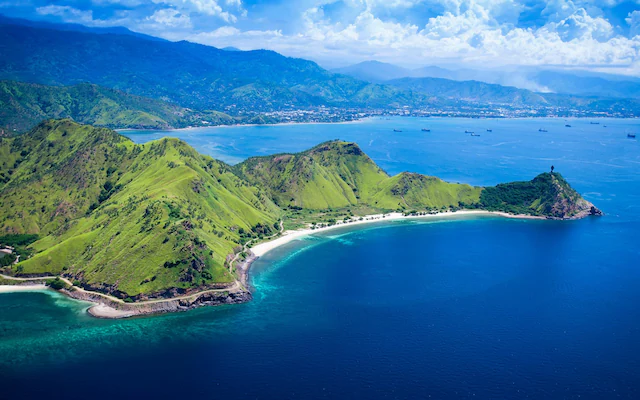
For now, East Timor’s gambling ambitions remain anchored offshore, with eyes cautiously fixed on a bigger, more complex future.