

Tighter gambling advertising controls in the Philippines are pushing licensed operators away from promoting casino products directly and toward brand recognition, trust and customer retention, a shift that could favor established companies with known names and existing player databases, according to iGaming performance marketing executive Roland Cinco.
“The work has shifted from advertising the gambling product to advertising the brand and the broader customer experience,” Cinco told AGB.
Cinco is the founder and CEO of Digirockstars, a Philippines-based growth and performance marketing agency serving iGaming and fintech companies.
Advertising without the product
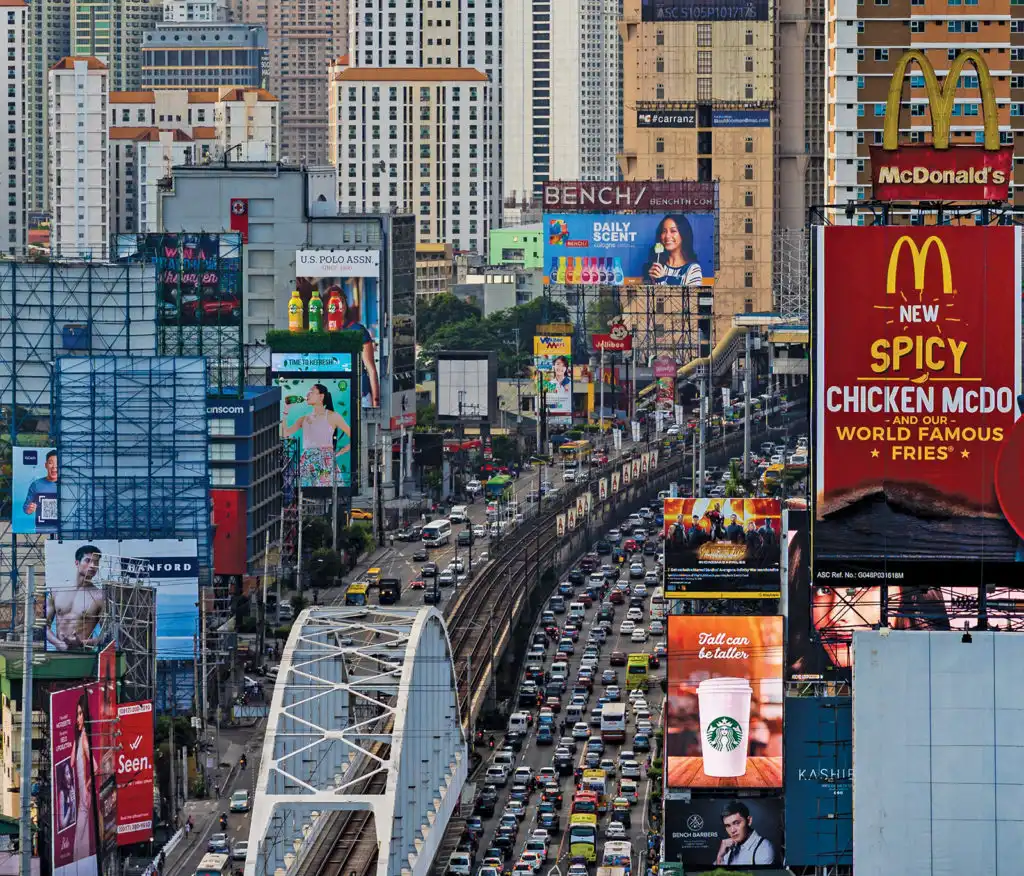
In Circular 2026-008, published on June 24th, 2026, the Ad Standards Council (ASC) said gambling advertisements across broadcast, digital, print and out-of-home media must not show or mention casino games or equipment, including roulette, baccarat, blackjack, slot machines, playing cards, chips and dice.
The rule followed an October 2025 circular that made gambling advertising the country’s sixth “must-screen” category after the ASC and the Philippine Amusement and Gaming Corporation (PAGCOR) signed a memorandum of understanding in July 2025.
Cinco said the restrictions require compliance to be built into a campaign from the beginning rather than added during final review. Creative work has shifted toward lifestyle-led messaging, Filipino settings, everyday use of mobile phones without visible game interfaces, and broader themes of entertainment, convenience and trust.
With familiar visual shortcuts removed, he said operators must rely more heavily on brand recognition, copy, context, landing-page design and the credibility of their payments and customer service.
“When everyone has fewer ways to show the product, existing brand equity becomes more valuable,” Cinco said.

Creators among most exposed
A proposed next stage could be considerably more disruptive, although it has not become law.
Senate Bill No. 2347, filed by Senator Francis “Chiz” Escudero on July 26th, remains proposed legislation. If enacted in its current form, it would prohibit gambling advertising across television, radio, print, outdoor, online and social media. It would also target celebrity and influencer endorsements, product placements, promotional giveaways and sponsorships.
The bill proposes a one-year transition period. During that period, however, no new advertising or sponsorship agreements could be signed unless necessary to wind down existing contractual obligations. Those provisions are not currently in force.
“I would rank creators and influencers among the most affected, followed by celebrity and sponsorship activity, then the broader paid digital ecosystem – social, video, programmatic and paid search,” Cinco said.
He argued that creators matter because they can generate interest within communities that already trust them, rather than simply reach consumers who are actively searching or interrupt audiences through conventional advertising.
“Creators are particularly important because they do something conventional performance media struggles to replicate: they can create demand inside an existing community rather than only capture existing demand or interrupt an audience,” he said.
Cinco also warned that broader restrictions could deepen the imbalance between licensed operators, which have Philippine entities and regulated payment relationships, and offshore platforms that acquire players through private groups, messaging applications, changing domains and overseas affiliates.
He said reducing gambling exposure among minors and vulnerable consumers remained a legitimate objective. However, advertising controls would be more effective if accompanied by payment blocking, domain and app-store enforcement, telecommunications cooperation and action against illegal affiliate networks.

Google policies move in different directions
Cinco drew a distinction between Google’s Authorized Buyers program, which gives approved buyers access to programmatic advertising inventory, and Google Ads, where gambling advertisers remain subject to direct certification requirements.
A policy change that took effect on August 10th expanded the markets in which Authorized Buyers could serve online gambling advertisements, including the Philippines, and removed the end-advertiser certification requirement for those programmatic placements.
By contrast, Google expanded its certification requirements for gambling advertisers using Google Ads from September 14th, including rules on account policy compliance and ownership or control of the advertised domain.
Cinco said the Authorized Buyers change could increase the flexibility and inventory available to operators, but it did not remove Philippine licensing or advertising requirements. Asked whether the update had affected local inventory or media prices, he said: “Not yet in a way that I would put a percentage against.”

Marketing moves downstream
If the Senate proposal is enacted, Cinco expects more value to move toward operator-controlled channels, customer relationship management, retention, organic discovery and forms of direct customer communication permitted under the final law and its implementing rules.
The shift would also change how operators assess marketing performance. Rather than judging a campaign mainly by the cost of registration or a player’s first deposit, he said they would need to examine repeat deposits, retention, net gaming revenue and the eventual lifetime value of each acquisition cohort.
“The cheapest first deposit and the best acquisition channel are not necessarily the same thing,” Cinco said.
As public acquisition becomes more constrained, he expects the central marketing question to change.
“The KPI ultimately has to move from ‘How cheaply did we acquire this player?’ to ‘Was this player worth acquiring?’” Cinco said.