

A proposed nationwide ban on gambling advertising in the Philippines may fall most heavily on licensed operators while remaining difficult to enforce against offshore platforms, two gaming lawyers have warned.

Russell Stanley Geronimo, founder of Geronimo Law, told AGB that national legislation could extend advertising rules beyond licensees of the Philippine Amusement and Gaming Corporation (PAGCOR). However, it would not remove the territorial limits faced by authorities pursuing operators based overseas.
“A total ban silences licensed operators while illegal platforms continue promoting through SMS blasts, private messaging, and affiliates,” Geronimo said. “That’s the tradeoff.”
Gaming lawyer Tonet Quiogue reached a similar conclusion, arguing in an article published by Arden Consult that a blanket advertising ban could push players back towards illegal offshore sites.
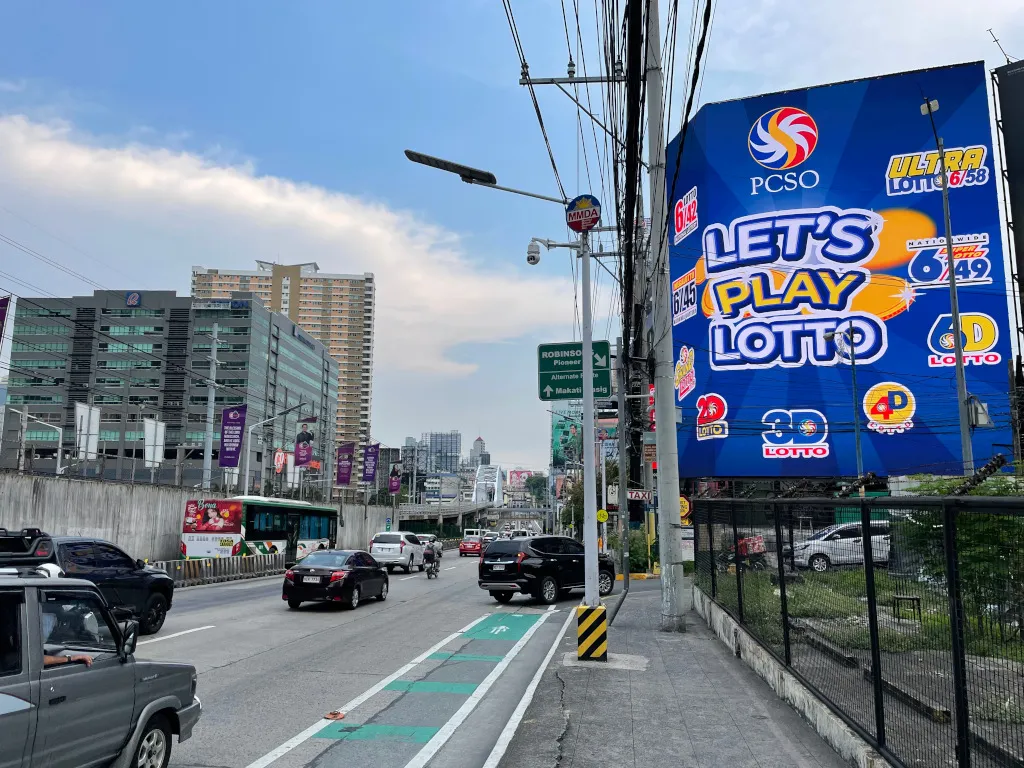
Two bills, different scope
Senator Francis “Chiz” Escudero filed Senate Bill No. 2347, or the proposed Gambling Advertising Prohibition Act, on July 26th.
The measure covers gambling advertising generally, rather than online gambling alone. It would prohibit advertising and sponsorship across television, radio, print, outdoor, online and social media, while also banning celebrity and influencer endorsements.
A separate proposal filed in the House of Representatives has a narrower scope. House Bill No. 10982, introduced by Cebu 3rd District Representative Karen Hope Garcia on August 26th, specifically targets advertising, promotion and sponsorship for online gambling.
Unlike the Senate bill, Garcia’s measure would not prohibit advertising for licensed land-based casinos.
Existing controls stop with regulated market
Geronimo said PAGCOR directives bind only licensees and accredited service providers. The Ad Standards Council (ASC), meanwhile, is a private self-regulatory body whose rules apply to members and companies that submit advertising materials for screening.
The ASC cannot fine or prosecute non-members. However, its clearance has indirect legal force for PAGCOR licensees because the regulator requires advertising approval and can penalize attempts to bypass the process.
“For offshore platforms and unlicensed operators advertising through programmatic networks, social media, or SMS, the circular is unenforceable,” Geronimo said. “Those channels bypass the media gatekeepers entirely.”

Offshore enforcement remains weak point
SB2347 would be a penal statute of general application and could cover Philippine-based advertisers, agencies, publishers and influencers outside PAGCOR’s licensing system.
“Direct penal enforcement against persons outside the territory is largely theoretical, since Philippine criminal jurisdiction is territorial,” Geronimo said.
Advertisements targeting Philippine users would have to comply with local law regardless of whether they satisfy Google’s advertising policies. Local influencers promoting offshore brands could also fall within Philippine jurisdiction.
Authorities would have fewer options against foreign operators, aside from coordinating to block gambling websites and ad-serving domains.
“Payment interdiction is the most effective lever, because the advertisement is pointless if the Filipino user cannot fund an account,” Geronimo said.
Channelization gains could be at risk
‘A prohibition binds only licensed operators; the offshore sites that already advertise illegally to Filipinos keep their channels and inherit the audience,’ Quiogue wrote.

She argued that lower license fees, stronger customer verification and enforcement against illegal websites had helped move Filipino players from unlicensed platforms toward the regulated market.
Quiogue cited PAGCOR testimony and private estimates indicating that the licensed share of online gambling had risen since 2022. However, the estimates use different methodologies and are not equivalent to regulator-recorded transaction data.
She also pointed to European markets where advertising restrictions have coincided with concerns over illegal gambling. The comparisons do not establish causation, but Quiogue argued that they demonstrate the importance of preserving identifiable legal channels.
Broad definitions could catch responsible gaming
Geronimo said the treatment of corporate branding, responsible gaming messages and content that merely mentions a licensed operator would depend on how the bill defines advertising, promotion and sponsorship.
Broad language could capture jersey sponsorships, naming-rights agreements or branded responsible gaming campaigns, even when they do not directly encourage wagering.
He said the final legislation should distinguish prohibited commercial promotion from public-interest information and communications required by regulators.
Liability should reflect different roles
“On liability, exposure should be graded by proximity and knowledge,” Geronimo said.
Primary responsibility should fall on operators, advertisers, agencies and affiliates that create or place paid material, while endorsers should be liable for paid promotions they knowingly undertake, he added.
Publishers could receive a due-diligence defense when relying on apparently valid clearances. Platforms and other intermediaries should face liability only when they have actual knowledge of a violation or fail to act after receiving notice.
Geronimo said takedown and blocking orders should come from an identified authority through written decisions, with notice and an opportunity to challenge them.