

Offshore gambling regulators are operating under inconsistent standards that leave players exposed to risks, according to a new study that encompasses the global oversight of the booming online betting and casino industry.
The report, Mapping the Offshore Gambling Regulators – authored by freelance journalist Steve Menary and Professor Marko Begović, from the Molde University College in Norway – warns that while the offshore sector plays a critical role in the global gambling market, oversight is fragmented and often opaque.
‘The regulation of offshore gambling is a patchwork’, the study notes. ‘There is considerable variation in licensing, responsible gambling measures, and enforcement across jurisdictions’.
The authors highlight how many offshore regulators license online casinos, poker, sports betting, and lotteries, often with weak consumer protections compared to national regimes. Some jurisdictions generate significant revenue by offering licenses to gambling companies that operate in markets where they are not legally authorized.
The report stresses that the global nature of online casinos and gaming platforms makes enforcement difficult. ‘Offshore operators can target players in jurisdictions where they are not legally permitted to do so, with little effective recourse for consumers,’ the study says.
Researchers found that while some regulators, such as those in Malta and Gibraltar, are well established and recognized by the industry, others operate with limited transparency and accountability. This uneven playing field, they argue, undermines efforts to ensure fair play, prevent money laundering, and protect vulnerable gamblers.
Match-fixing is prevalent in Asia
The Mapping the Offshore Gambling Regulators report links poorly regulated offshore licensing directly to transnational criminal risks. It notes that match-fixing for financial gain is typically undertaken on what are described as Asian betting markets.
Illegal betting companies often use these markets to offer sports betting, particularly football and cricket, in large Asian countries like China and India, where such activities are illegal.
These sites, which the report says are sometimes linked to organized crime, fail to collaborate with sports governing bodies or law enforcement and may use their services to launder money. A UNODC report cited in the study also noted the expansion of organized crime groups into some offshore jurisdictions that host ‘white label’ online casino companies in Southeast Asia.
The report identifies the Philippines as a major location that has faced international pressure due to its poorly regulated offshore gaming sector, specifically the Philippine Offshore Gaming Operators (POGOs) – which have since been shut down.
It notes that the Philippines was once considered among the ‘worst offenders’ for facilitating issues like money laundering and criminal activity. In late 2024, this led President Ferdinand Marcos Jr. to order an outright ban on all POGOs following mounting reports of related crimes, although the report acknowledges that some illegal vestiges of these operations remain.
The consequences of this crackdown, however, are a key finding: many operators have simply ‘relocated’ their activities, taking the same regulatory problems to new, weaker jurisdictions.
The complexity of offshore regulation in the Philippines is further highlighted by the fragmented authorities within the country.
While the national regulator, PAGCOR (the Philippine Amusement and Gaming Corporation), oversees gaming, several specialized economic zones have historically issued, or attempted to issue, their own licenses, some even preceding PAGCOR’s oversight of online gaming.

These include the Cagayan Economic Zone Authority (CEZA) – which had been offering interactive gaming licenses since 2001 and pushed for an exemption from the POGO ban, and the Aurora Pacific Economic Zone and Freeport Authority (APECO) – which had to transfer its remaining offshore licenses to PAGCOR following the ban.
The report also mentions the Freeport Area of Bataan (FAB), where offshore operators tried to misrepresent themselves as BPO (business process outsourcing) companies, forcing PAGCOR to reaffirm its conditional oversight power over the zone’s licensing activities.
The study highlights that established offshore licensing regimes, such as the Dutch Caribbean island of Curaçao, have historically been under intense criticism from bodies like the Financial Action Task Force (FATF) for their role in facilitating money laundering and match-fixing via poorly regulated licensing processes.
Curaçao is currently pushing through reforms with a new National Ordinance on Games of Chance (LOK) to meet international standards, although the report notes that the effectiveness of these changes remains uncertain.
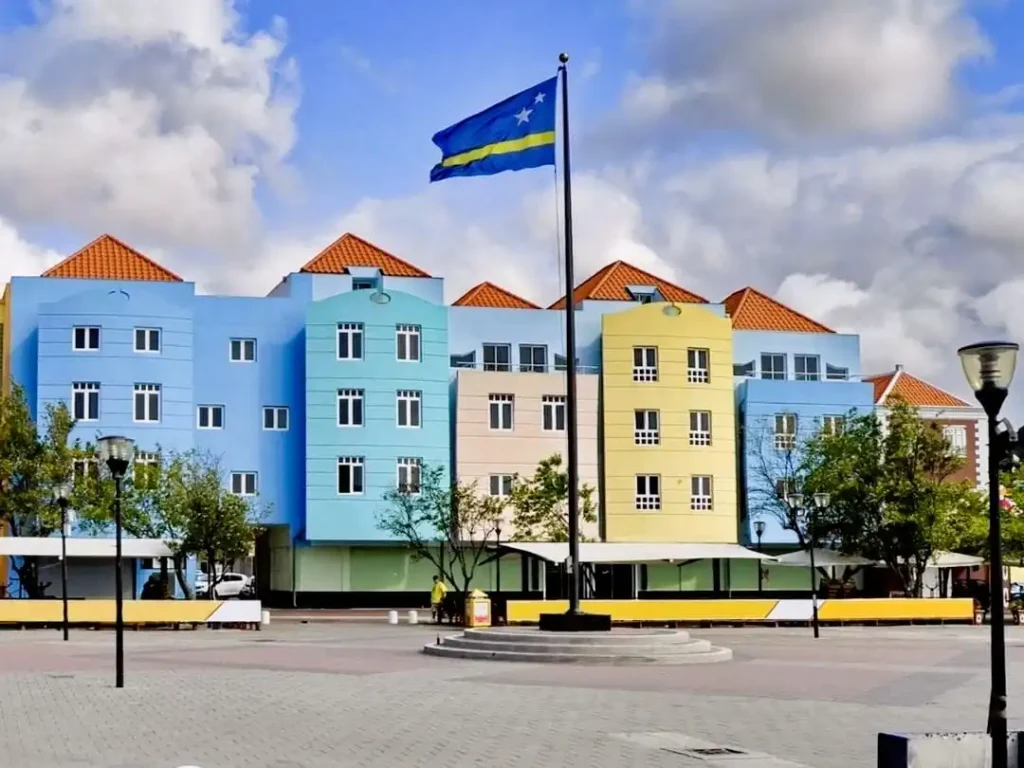
A Curaçao-based victims’ foundation estimated that, prior to the new law, operators licensed on the island could have been responsible for over 20,000 betting websites worldwide, illustrating the jurisdiction’s scale of operation.
This sustained pressure on jurisdictions like Curaçao has resulted in a ‘large-scale flight’ of operators to newer, unregulated or loosely-regulated territories that the authors describe as ‘pseudo jurisdictions’. These new regimes often offer cheap and quick licenses, threatening to repeat earlier industry problems that took years to address.
‘The global gambling industry cannot ignore the offshore sector,’ the authors wrote. ‘Understanding its regulatory frameworks, strengths, and weaknesses is crucial to developing effective, coordinated responses to the challenges of online gambling.’
With the online casino and sports betting industry worth billions of dollars and expanding rapidly, the study calls for greater international cooperation among regulators, including minimum standards for licensing, consumer protection, and cross-border enforcement.