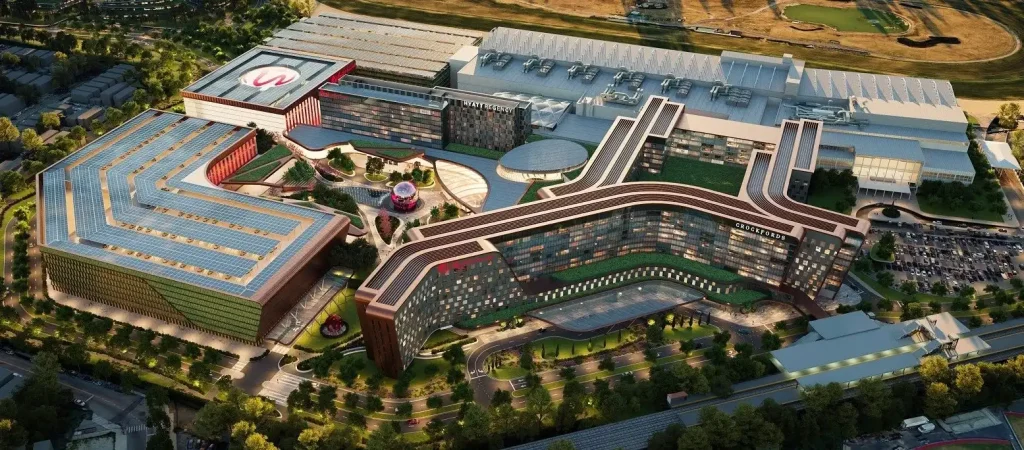
Analysts at CBRE Institutional Research are expecting that the downstate New York market could generate between $4.7 billion and $5.6 billion in annual gross gaming revenue, ‘once table supply is introduced and the new or expanded integrated resorts open by 2031’.
In a Tuesday research note, the group indicated that its analysis found that the region could become ‘the largest US regional gaming market at maturation’.
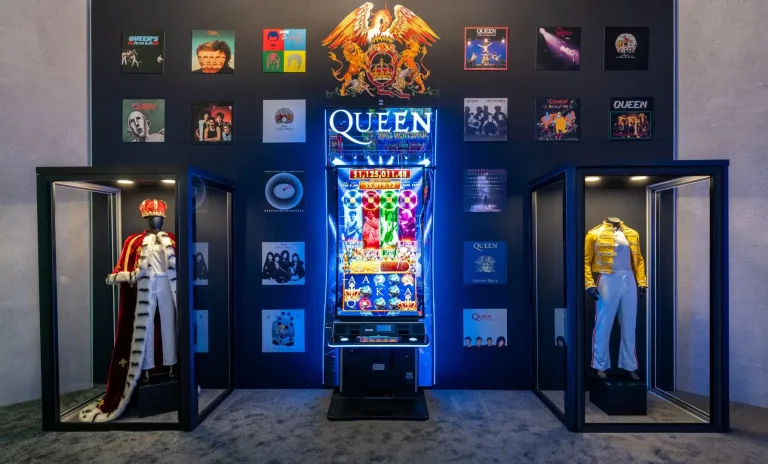
The three license winners – Bally’s Corp, Queen’s Future (a joint venture between Seminole Hard Rock and Steven Cohen), and Genting New York – are expected to commit nearly $20 billion in building or revamping existing properties, most likely sourced from ‘lending at the project level’.
The new licenses allow for a ‘significant increase in slot supply and the introduction of nearly 1,200 tables’, with ‘solid ROI prospects across the three projected when compared against only the IR-related capex’.
Each of the three bidders must pay a $500 million licensing fee and pledge a minimum of $500 million in capital investments.
Factoring in non-income generating costs, such as the license fee and community investments, ‘this could make potential returns look less enticing on the $20 billion of committed spending’, note the CBRE analysts.
The group notes that, ‘despite this, we believe each project will be economically viable with returns sufficiently above each operator’s cost of capital’.
Genting is expected to be the first to see a return on its investment, likely even five years ahead of competitors, given that it doesn’t have to develop a site from the ground up.
The group plans the largest gaming floor as well as nearly 2,000 hotel rooms and a 7,000 seat arena.
Genting’s Resorts World New York City (RWNYC) aims to open a permanent casino with 4,000 machines and 250 tables just six months after licensing, far earlier than rivals, eventually expanding to 6,000 slots and 800 tables by 2029.
The estimated price tag of RWNYC’s expansion is about $5.5 billion.