
Singapore saw a significant uptick in visitation in February, with international arrivals up by 9 percent yearly to 1.5 million, boosted by strong visitation from China.
Chinese visitors continued to be the largest source market for Singapore, with the February figure reaching 432,330, a yearly increase of 61.3 percent.
The data from the Singapore Tourism Board highlight the city’s attractiveness to Chinese visitors during the Lunar New Year holiday, which this year fell fully in the month of February.
In positive support of the Merlion city’s push to increase spending by visitors, the number of overnight stays increased by 6.2 percent yearly to 1.11 million. However, the average length of stay registered a slight decline of 2.3 percent year-on-year to 3.38 days.
The figures for February hotel occupancy are not yet available, but the average rate in January was 81.17 percent, a slight decline of 0.6 percent yearly, with the average room rate down by just 0.4 percent to SG$271.45 ($ ).
While Chinese visitors were the primary market by far in February, other gaming jurisdictions contributed to international visitation, albeit less than in the same month of 2025.
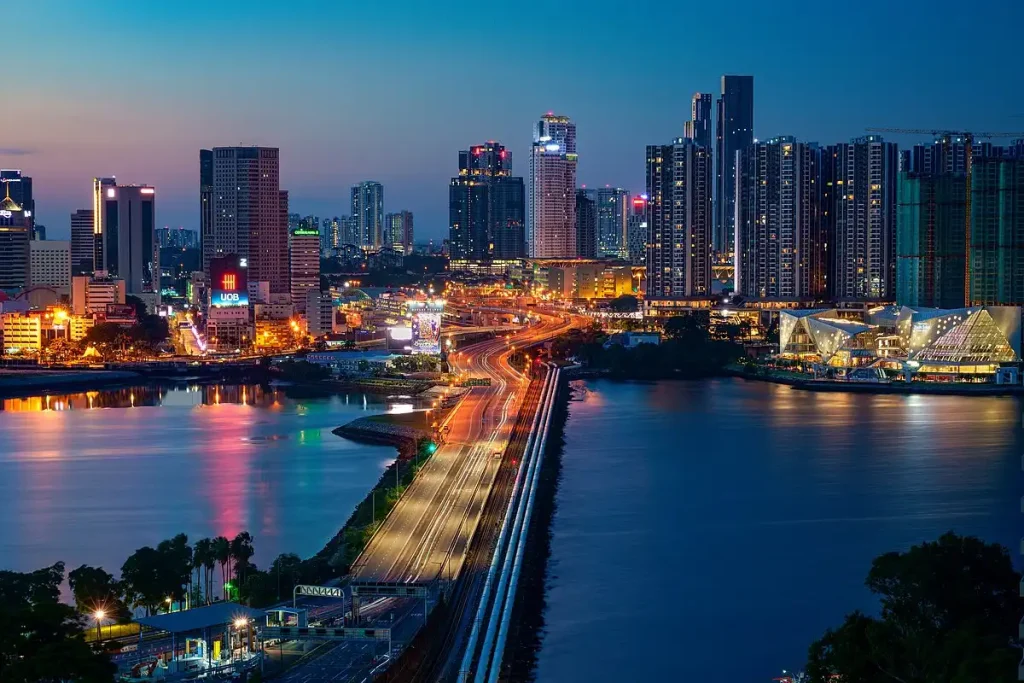
Visitors from Malaysia totaled 901,210 – a yearly decrease of 14.7 percent, while Australian visitation was close – at 80,750, falling by 5 percent year-on-year. South Korean visitor numbers also decreased, by 9.1 percent and India visitation figures saw a 13.1 percent fall to 65,040.
Given Malaysia’s proximity, its visitors stayed for the shortest period in the Merlion city – only 1.9 days on average. Visitors from South Korea stayed slightly longer, at 2.71 days, while those from Australia lingered for 2.87 days. Chinese visitors averaged stays of 3.69 days, while Indian tourists stayed significantly longer, with average trips lasting 6.22 days.
Visitation from the Philippines was significantly down by 10.5 percent yearly in February to just 441,910, however visitors stayed an average of 4.35 days in Singapore.
Doubling down on tourism
The strong uptick in Chinese visitation was a heady relief for Singapore, after tourism arrivals in January from the source market dropped by 27.8 percent year-on-year to 271,950, with a significant 25.5 percent fall in overnight visitors to just 192.040 and the average length of stay down by 4.5 percent to 3.5 days.
While it has yet to release its full-year tourism receipts, the Asian travel hub boasted its highest-ever tourism receipts in the January-September period last year, rising by 6.5 percent to SG$23.9 billion ($18.82 billion).
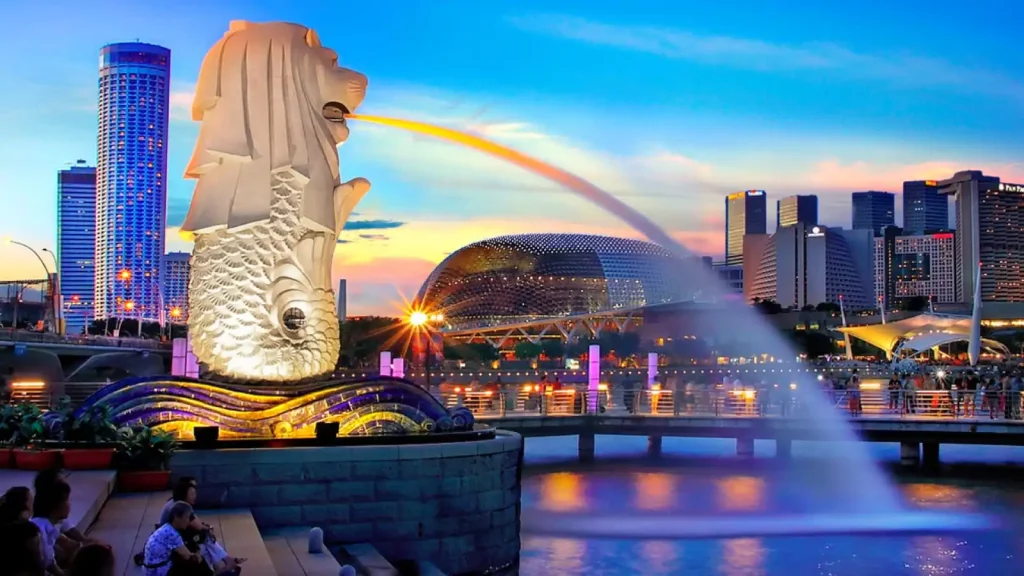
Authorities have targeted tourism receipts of between SG$29 billion ($22.83 billion) and SG$30.5 billion ($24.01 billion) for 2025, aiming to leverage new and revamped offerings, including those by its two integrated resorts operators: Marina Bay Sands and Resorts World Sentosa.
Singapore Tourism Board’s Chief Executive Melissa Ow had previously indicated that Singapore is shifting its focus towards “distinctive experiences” by developing a “strong pipeline of differentiated products, events, and experiences”.
And the city has a strong bank of hotel rooms to support its events calendar – with over 73,000 hotel rooms spread across 450 properties, with the industry contributing about 20 percent of the total tourism receipts in the nine-month period in 2025.
Marina Bay Sands is also undergoing an $8 billion expansion to increase its hotel rooms and entertainment. A new hotel tower will bring an additional 570 suites into its portfolio, along with a 15,000-seat arena. Genting Singapore is also aiming for a “new” Resorts World Sentosa, using 2026 as a testing period to reposition itself as an experience-based destination to attract new and repeat visitors that stay longer.