Macau recorded approximately 873,000 visitor arrivals during the five-day Labor Day Golden Week holiday from May 1st to May 5th, according to data released by the Public Security Police Force, with total border crossings reaching 3.81 million, up 1.6 percent year-on-year.
The figures cover all entry and exit points across the city, with visitors accounting for 46.6 percent of total crossings during the period. Macau residents made up 30.4 percent, while non-resident workers represented 20.1 percent.
Among inbound visitors, mainland Chinese travelers comprised the majority at 83 percent. Visitors from Hong Kong and Taiwan accounted for 10.8 percent and 1.3 percent, respectively, while international visitors made up 4.9 percent.
In terms of checkpoint distribution, the Border Gate handled 50 percent of total traffic, followed by Hengqin Port at 17 percent, Qingmao Port at 15 percent, and the Hong Kong-Zhuhai-Macau Bridge at 11 percent.
On May 5th, the final day of the holiday, Macau recorded 581,000 border crossings, including 187,000 traveler movements. Of these, 83,000 were inbound visitors, while 104,000 departed the city.
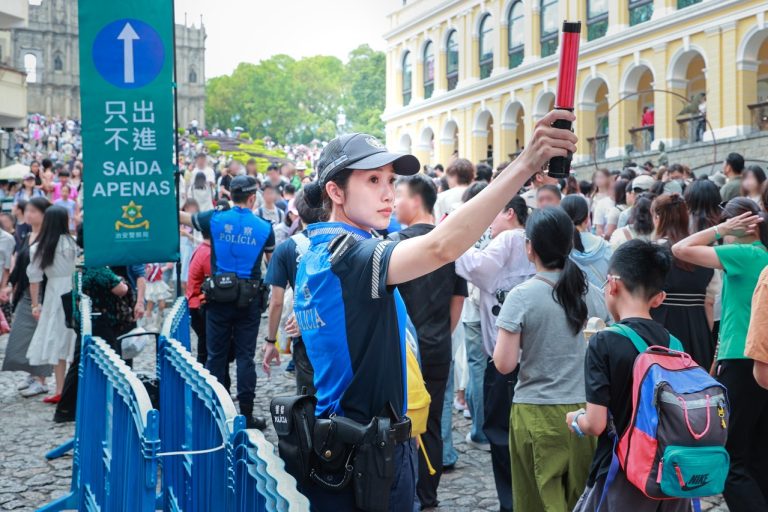
During the holiday period, several tourist areas experienced high foot traffic, with crowd control measures implemented at the Ruins of St. Paul’s for four consecutive days from May 1st to May 4th.
Entain Group Pty Ltd has entered into a court-enforceable undertaking with the Australian Communications and Media Authority (ACMA) after an investigation found more than 500 breaches of national gambling self-exclusion rules involving its Ladbrokes AU and Neds AU services.
The regulator found that Entain opened accounts for, and provided wagering services to, individuals registered with BetStop – the National Self-Exclusion Register™ – and failed to close existing accounts for self-excluded customers. Under the rules, wagering providers must close accounts as soon as practicable once a person registers with BetStop.
ACMA member Carolyn Lidgerwood said many breaches involved customers holding multiple accounts across the two brands.
“When someone signs up to BetStop, wagering companies must close all of that person’s accounts held within their services,” she said.
“In this case, Entain’s systems did not adequately identify and link all wagering accounts held by those customers across its services, including one account that remained open for more than a year after the customer had self-excluded.”
The investigation also found cases where new accounts were opened for individuals already registered with BetStop, as well as failures to adequately promote the register in customer communications.
“When people register for self-exclusion there should be no way for them to open new accounts for licensed wagering services in Australia,” Lidgerwood said.
The ACMA accepted an 18-month enforceable undertaking requiring Entain to conduct an independent review of its compliance systems and implement improvements. While no infringement notice was issued, failure to comply with the undertaking may result in court-ordered financial penalties.
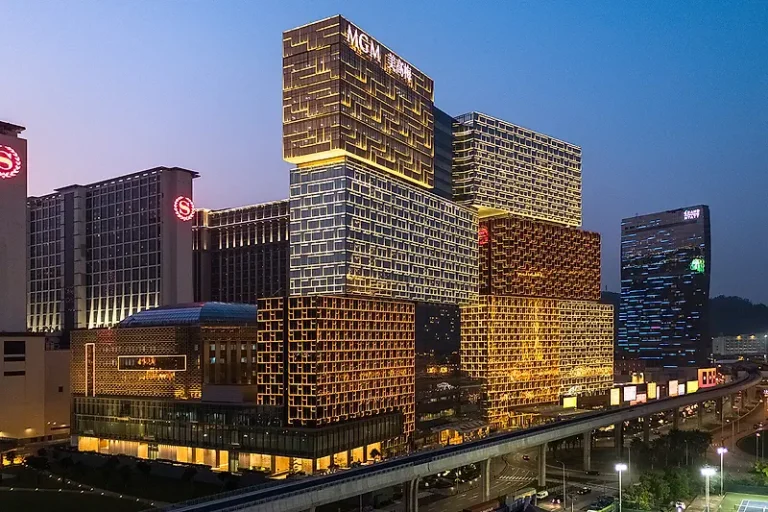
Macau gaming operator MGM China Holdings announced on May 5th that it is proposing an international offering of U.S. dollar-denominated senior notes to professional investors only, subject to market conditions and investor interest.
The company said the aggregate principal amount and certain terms of the notes have not yet been determined. Pricing will be set through a book-building process led by Deutsche Bank AG, Singapore Branch and J.P. Morgan Securities (Asia Pacific) Limited, acting as joint global coordinators.
The proposed issuance, if completed, would see the notes repayable at maturity unless earlier redeemed or repurchased under their terms. The company noted that no binding agreement has been entered into, and the transaction may or may not proceed.
Proceeds from the offering are intended to repay part of the company’s outstanding amounts under its 2025 revolving credit facility and for general corporate purposes.
MGM China is also seeking to list the notes on the Hong Kong Stock Exchange for trading among professional investors, having received an eligibility letter for the proposed listing.
SOFTSWISS brought together leading voices from esports betting, iGaming marketing, data analytics, and technology in a LinkedIn Live Panel to analyse the true cost to casino operators of not adding a sportsbook and to separate legitimate concerns from industry myths.
The panel delved into the topic across five key perspectives.
Sportsbook operations covered the expertise question – trading, risk, and live betting are different from the casino. Managed services let operators outsource the complexity while keeping product control.
Audience strategy highlighted areas of overlap. Casino players already engage with sports around major events. The operator’s task is to identify and activate that overlap rather than create demand from scratch.
Player monetisation reframed bettor value – sportsbook users can appear low-value when measured against casino LTV. With the right retention playbook, betting and casino products reinforce each other.
Financial management addressed margin volatility, which is real but manageable. Modern risk tools and disciplined pricing keep unit economics under control from day one.
Platform integration tackled the technical lift. Adding a sportsbook used to be complex, but API-first and turnkey solutions have reduced it to a predictable time-bound project.
Moderated by Iren Kuznietsova, Head of Partner Success at SOFTSWISS Sportsbook, the panel included:
Tigran Sharafyan, Senior Business Development Manager at Oddin.gg, a B2B provider of esports betting solutions;
Nicky Bonello Ghio, Founder at Bambi Data, a data and analytics company for iGaming;
Barb Tasci, Co-Founder at Revpanda, a marketing and growth agency for iGaming brands.
“What often looks like complexity or risk in a sportsbook can become a real opportunity if approached in the right way and with the right partner,” shared Victor Sekushenko, Head of Sales at SOFTSWISS Sportsbook. “We put this panel together deliberately – each speaker brings a different part of the picture, and together they cover the full reality of what a sportsbook expansion involves. If you have never seriously considered launching one, this recording may change that because it gives you a practical checklist and step-by-step answers to take back to your team.”
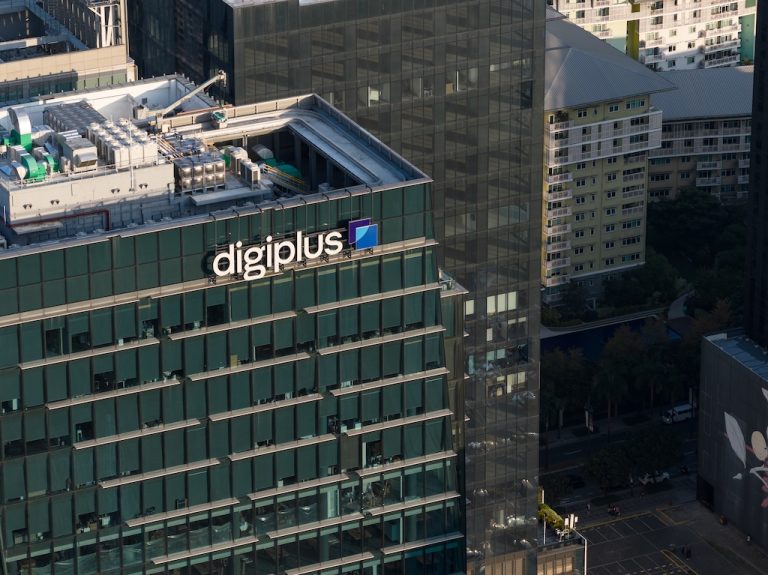
DigiPlus Interactive Corp. said the delinking of e-wallet in-app access to licensed online gaming platforms, along with softer consumer sentiment linked to a global fuel crisis, weighed on its first-quarter performance.
According to its latest financial results, the Philippines-based digital entertainment company reported net income of PHP2.8 billion ($45.5 million) for the first quarter ended March 31st, 2026, down 33 percent year-on-year, while EBITDA declined 42 percent to PHP2.6 billion ($42.3 million).
Total revenues for the quarter fell 25 percent to PHP17.2 billion ($279.6 million), compared with the same period last year. On a quarter-on-quarter basis, revenues were broadly stable, slipping slightly from PHP17.3 billion in the fourth quarter of 2025.
“Our first quarter performance reflects the softness following the delinking of licensed gaming platforms from e-wallet access points, which has affected user activity and transaction flows,” Chairman Eusebio H. Tanco said. He added that the company remains confident in its long-term outlook as it adapts its payments ecosystem and strengthens player engagement.
Regulatory impact and financial position
The regulatory shift affecting payment accessibility was the key driver behind the contraction in earnings, with the company noting a direct impact on its core digital platforms.
Major Philippine e-wallet providers cut connections with online gambling platforms following a Bangko Sentral ng Pilipinas (BSP) directive issued in August last year, which led to a dramatic drop in gaming volumes.
Despite the year-on-year decline, net income rose 15 percent from the previous quarter, supported by derivative gains on its investment in convertible bonds issued by International Entertainment Corporation (IEC).
EBITDA also declined 15 percent quarter-on-quarter, which the company said was due to higher non-recurring manpower-related expenses.
DigiPlus said it maintained a strong balance sheet as of end-March, with cash and cash equivalents totaling PHP20.5 billion ($333.4 million) and minimal total debt of PHP745.8 million ($12.1 million). Its debt-to-equity ratio stood at 0.02.
The company also paid PHP5.4 billion ($87.7 million) in taxes and regulatory fees during the quarter.
Strengthening proprietary ecosystem
Following the regulatory changes, DigiPlus said it is focusing on strengthening its proprietary ecosystem to reduce reliance on third-party platforms, improve system reliability, and support long-term growth.
The company plans to enhance its core platforms—BingoPlus, ArenaPlus, and GameZone—through new features, expanded game offerings, and data-driven engagement strategies. It is also leveraging data analytics and artificial intelligence to improve marketing efficiency and customer retention.
In parallel, DigiPlus is pursuing diversification initiatives, including investments aimed at supporting international expansion. These include its convertible note investment in International Entertainment Corporation and ongoing efforts to enter select overseas markets such as South Africa and Brazil, subject to regulatory conditions.
The group is also expanding its physical footprint through additional gaming sites, flagship stores, and entertainment hubs, alongside potential investments in land-based gaming assets to complement its digital operations.
Strategic partnerships and developments
During the quarter, DigiPlus announced a multi-year partnership between its sportsbook platform ArenaPlus and the National Basketball Association (NBA), marking the league’s first official betting partnership in the Philippines.
The company also entered into an exclusive agreement with Manny Pacquiao to develop co-branded gaming content and integrate a dedicated payment gateway across its platforms.
DigiPlus said it will continue to invest in technology, platform development, and strategic partnerships as it evaluates further growth and expansion opportunities.
Evoplay has strengthened its presence in Brazil through a new partnership with global operator bet365, marking another milestone in its expansion across regulated Latin American markets.
The agreement sees a selection of top-performing Evoplay titles integrated onto bet365’s Brazilian platform, initially starting with standout releases such as Hot Triple Sevens and Temple of Thunder II Bonus Buy.
The partnership enables Evoplay to bring its diverse portfolio of high-performance content to one of the most promising emerging regulated markets, at a time when Brazil’s evolving landscape continues to create new opportunities for operators and suppliers alike.
By collaborating with bet365, a globally recognised brand known for its extensive reach and strong local engagement, Evoplay reinforces its commitment to delivering tailored content that resonates with regional player preferences.
“Partnering with bet365 represents an important milestone for Evoplay as we continue to expand our Latin American presence and build our network of global operator brands,” said Alex Malchenko, Head of Sales at Evoplay. “Brazil is a market with huge potential, and we’re excited to bring a selection of our best-performing titles to its players. Our focus remains on supporting operators with content that not only meets regulatory standards but also delivers strong player engagement, and this collaboration is a testament to that approach.”
A bet365 spokesperson added: “We are pleased to partner with Evoplay as we continue to enhance our offering in Brazil. Their portfolio of localised games aligns well with our commitment to provide high-quality gaming experiences to our customers. We look forward to rolling out additional titles in the near future as we strengthen our collaboration with the supplier in this key market.”
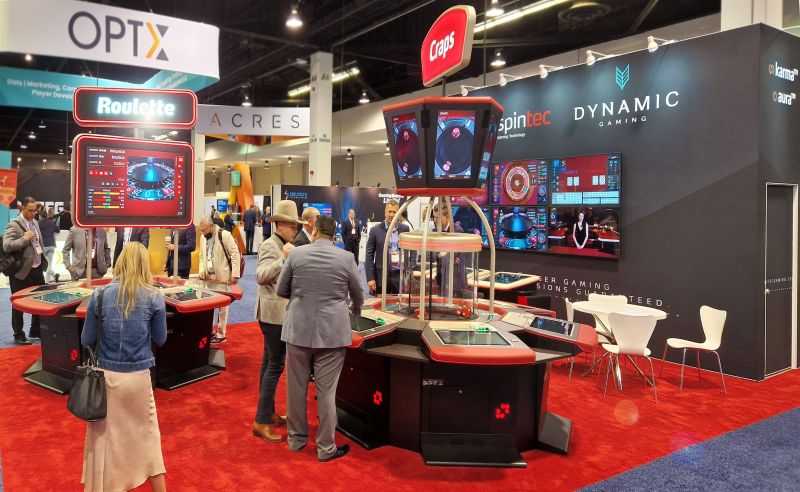
Spintec and Bally France have entered a new chapter in Western Europe with the signing of a distribution agreement that marks a major step toward their shared goal of establishing Spintec as the region’s leading electronic table games provider.
As a remarkable innovator in the table gaming market, Spintec has achieved enviable growth across regions worldwide, with products that have earned multiple awards in Europe, Latin America and Asia. The company has also made strong inroads in Central Europe, where it currently holds leading positions in the Roulette and ETG Multigame categories.
The company now aims to replicate the Central European success in Western Europe with its Charisma line of products, which strikes a refined balance between ergonomic comfort and an intense focus on the game. This is a goal well within reach, given that the innovation and reliability of the Charisma line already exceed market expectations.
To support this objective, Spintec has selected the industry’s top distributor. Bally France stands as a proven pioneer in the French casino landscape, active in every casino and renowned for its expertise in slot machines and electronic table games.
Independent for 40 years, Bally France has been a market leader from the very start. Its success is built on organic growth, a deep understanding of the market, and a rich heritage of creativity and technology.
Olivier Maillet, Sales Manager at Bally France, expressed confidence in the partnership, noting that Spintec has consistently grown in presence, quality, and innovation across global markets since its inception, and that the similarities between the two companies’ journeys reinforce their belief in the cooperation’s success.
Renato Bičič, Business Development Manager at Spintec, shared his enthusiasm for the partnership, emphasising that the company is very pleased with its prospects. He added that Spintec’s Charisma product line is already well established in many markets and that the strength of Bally France’s team will help build on that success in France.
Greentube, the NOVOMATIC Digital Gaming and Entertainment division, has entered the Czech Republic’s B2C online gaming market through the full acquisition of established local operator Kingsbet CZ, marking another significant milestone in its regulated European expansion.
The Czech Republic is an attractive, fast-growing, regulated market. According to official data from the Czech Ministry of Finance, in 2025, the Czech market had a total market value (GGR in CZK) of 68 billion (EUR 2.7 billion) with online gambling accounting for 59.2% of total GGR.
Kingsbet provides Greentube with local operational expertise and valuable market knowledge, supporting the company’s long-term ambitions in the country.
Ronald van den Brink, CCO of Greentube, said that entering the Czech market represents a natural step in the company’s long‑term growth strategy. He noted that the Czech Republic is one of Europe’s most advanced and well‑regulated gaming markets, and that by joining forces with Kingsbet, Greentube is gaining a strong local team to support its expansion.
Ronald van den BrinkDavid Vaněk
“We are excited to join the Greentube group,” said David Vaněk, CEO of Kingsbet. “This partnership brings us growth and investment opportunities, and access to advanced technology and globally renowned game studios. It will allow us to deliver an even stronger player experience and continue growing in the Czech Republic.”
Completion of the agreement is dependent on fulfilling specific conditions, including regulatory clearance.
New Zealand is moving into the next phase of its online casino gambling framework following the implementation of the Online Casino Gambling Act 2026 on May 1st, with authorities outlining a three-stage licensing process, stricter enforcement measures, and a limited number of permits to regulate offshore operators and protect consumers.
The Department of Internal Affairs (DIA) said the licensing process will begin with expressions of interest (EOI), followed by a competitive auction and then a formal license application stage. The Secretary for Internal Affairs will invite EOIs in July 2026 through a public notice, with successful applicants progressing to an auction to determine who may apply for a license.
Under the framework, up to 15 brand-specific licenses will be issued, each valid for up to three years with the option of a single renewal of up to five additional years. A single entity may not hold significant influence over more than three licenses, and each license applies to one brand only.
Auction process and timeline
According to a recent DIA document providing further guidance on obtaining an online casino gambling license, the auction stage will be open only to applicants whose EOIs are accepted. These participants will compete in a process designed to determine eligibility to proceed to the licensing stage. The government has not yet disclosed the exact timing of each stage, noting that ‘exact timings of the three-stage licensing process will be made available once the regulations are made public.’
Following a successful auction outcome, applicants will be invited to submit a formal license application, in which they must demonstrate compliance with New Zealand’s regulatory requirements, including financial, operational, and integrity standards.
The guidance states that once a license is granted, operators must make their gambling platform available in New Zealand within 90 days and ensure it is operational for at least 270 days in any 12-month period.
Advertising restrictions and enforcement
The new regulatory regime introduces stricter enforcement provisions, particularly around advertising. A prohibition on advertising unlicensed online casino gambling has taken effect, backed by expanded enforcement powers.
Operators that fail to comply may face takedown orders and financial penalties of up to NZ$5 million ($3.0 million). The DIA has also indicated that compliance history may be considered during the licensing process.
In addition, any operator that does not obtain a license or exemption must cease offering online casino services to New Zealand customers by December 1st, 2026. Non-compliant operators after this date will be subject to enforcement action, including penalties and removal orders.
Entry requirements and EOI process
Entities seeking to participate in the process must submit a separate EOI for each brand and provide detailed information, including ownership structure, financial capacity, management details, and any past regulatory or advertising breaches.
Applications will be submitted through the Government Electronic Tender Service (GETS), and applicants must demonstrate access to sufficient capital, a clean record of offenses involving dishonesty within the past seven years, and no adverse impact on New Zealand’s international reputation.
The government said the framework aims to create a ‘safe, fair and well-controlled online gambling environment,’ noting that New Zealanders already access hundreds of offshore gambling websites.
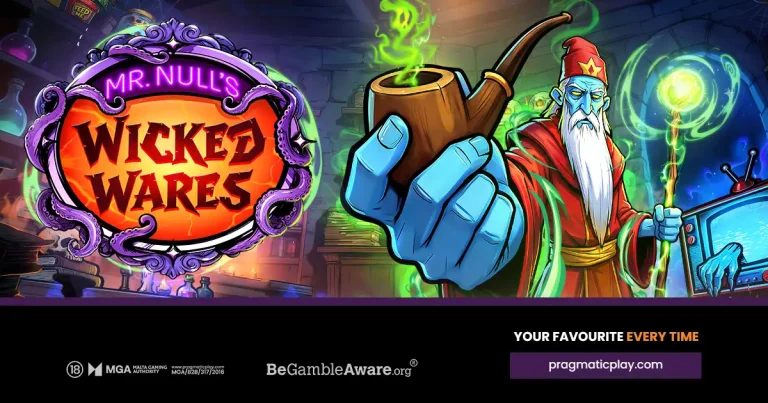
Pragmatic Play’s latest release, Mr Null’s Wicked Wares, welcomes players into a sorcerer’s lair packed with mystery symbols, multipliers, and 5,000x win potential.
The magical Mr Null watches over the grid in this 3-4-4-4-3 slot, where mystery symbols on reels 2-4 transform into random paying symbols, carrying 2x-10x multipliers. If two or more mystery symbols contribute to the same winning combination, their multiplier values combine. Landing three scatters triggers the bonus game with seven free spins, with each scatter that hits during the feature awarding one extra spin.
Starting at 2x, win multipliers above reels 2-4 are progressive throughout the bonus game. Each subsequent winning mystery symbol increases the respective reel multiplier by +1x, applying to future mystery symbols that land on the same reel.
In select markets, players can activate a range of special bets, guaranteeing mystery symbols on each spin and increasing the minimum multiplier, or they can jump straight into Free Spins or Super Free Spins, which sees the starting multiplier increased to 5x.
Mr Null’s Wicked Wares is the latest addition to Pragmatic Play’s award-winning slots portfolio, following the release of Jelly Express and Sweet Bonanza 2500.
Commenting on the new game launch, Sharon McHugh, Director of Public Relations at Pragmatic Play, shared: “Mr Null’s Wicked Wares combines mystery symbols and multipliers with an eye-catching and atmospheric theme, while the growing multiplier meters keep the momentum building during the feature. It’s a distinctive addition to our portfolio, and one we’re confident players will enjoy.”