
Home Blog Page 656

Senate hearing and anti-POGO ops continue in the Philippines

Senators in the Philippines continue their investigation into offshore gaming operators (POGOs) while the police steps up its own activities.

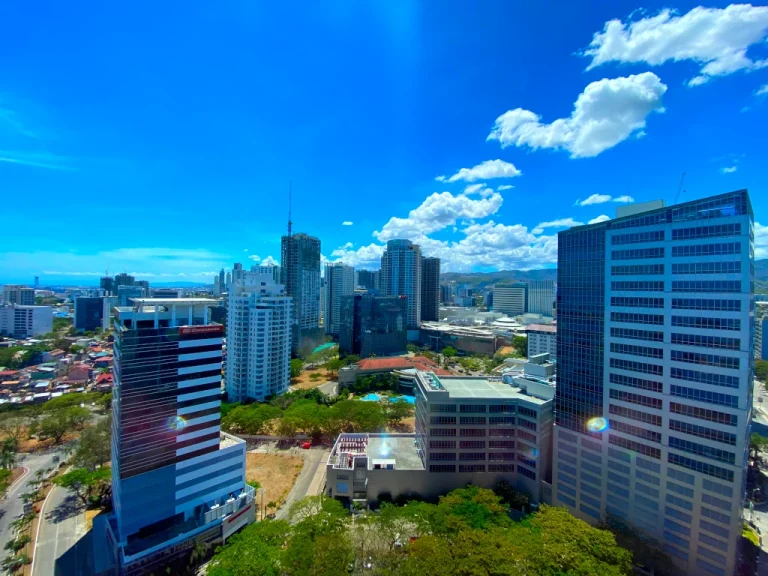
The Philippine National Police (PNP) is intensifying efforts to clamp down on Philippine Offshore Gaming Operators (POGOs) in Central Visayas, a region that includes Cebu and Bohol, in collaboration with local government units (LGUs).

Police Lieutenant Colonel Gerard Ace Pelare emphasized that LGUs are crucial in providing intelligence against POGO activities. Despite five POGOs being registered in the region over the past five years, recent police investigations suggest these establishments have ceased operations. However, ongoing investigations are underway to confirm if they have indeed shut down or merely gone underground.

Cebu City’s acting Mayor, Raymond Alvin Garcia, has directed the Business Permit and Licensing Office (BPLO), led by Terence Saavedra, to audit records of all registered businesses. Garcia’s directive includes conducting onsite inspections of business process outsourcing (BPO) firms and similar entities suspected of engaging in POGO-like activities under the guise of legitimate operations.

Although there are no official POGO operations recorded among the 40,000 registered businesses in Cebu City this year, Garcia stated that his office is working closely with the PNP and the National Bureau of Investigation (NBI) to eliminate any clandestine POGO activities.

Simultaneously, the Senate Committee on Women, Children, Family Relations, and Gender Equality, chaired by Senate Deputy Minority Leader Risa Hontiveros, will continue its investigation into POGOs.

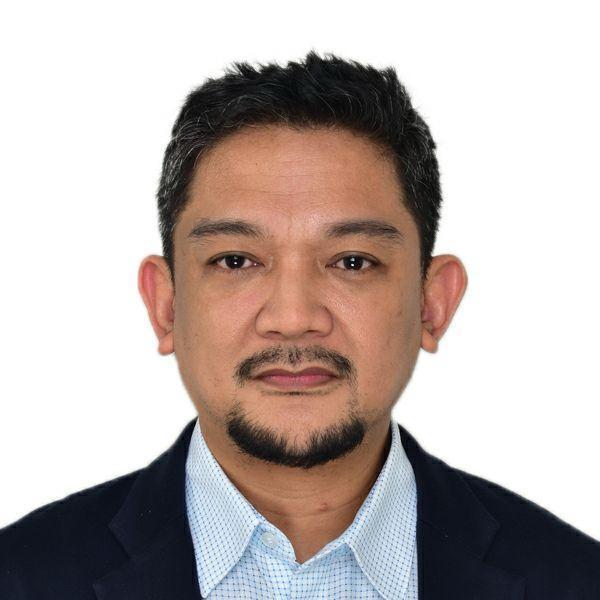
Senator Risa Hotiveros, Philippines
Senator Risa Hontivers

Despite President Ferdinand R. Marcos Jr.’s recent declaration of a total POGO ban during his third State of the Nation Address, Hontiveros underscored the Senate’s responsibility to ensure the effective implementation of this phaseout.

The Senate’s oversight role includes identifying criminal elements, ensuring justice for victims, and facilitating a just transition for displaced workers.

Hontiveros stressed that the ban does not mark the end of the issue. The committee will scrutinize regulatory failures and instances of corruption within government offices linked to POGOs. In previous hearings, the committee examined the involvement of suspended Bamban, Tarlac Mayor Alice Guo in a POGO operation in her town, as well as the backgrounds of other key figures associated with POGOs. Guo, along with several others, was cited in contempt for not attending the hearings.

The committee’s investigation aims to uncover the full extent of criminal activities associated with the POGO industry, which Hontiveros claims has brought various crimes into the country. The Senate panel will resume hearings on July 29th, continuing its efforts to address the multifaceted issues surrounding POGOs and their impact on the nation.

IGT Gaming and Everi to be acquired by Apollo fund in $6.3B deal

International Game Technology PLC (IGT) and Everi Holdings Inc. (Everi) have announced that their businesses will be simultaneously acquired by funds managed by affiliates of Apollo Global Management, Inc. (Apollo) in an all-cash transaction valued at approximately $6.3 billion.

The deal will see IGT’s Gaming & Digital business (IGT Gaming) and Everi come together under private ownership as part of a combined enterprise.

Everi stockholders will receive $14.25 per share in cash, representing a significant 56 percent premium over Everi’s closing share price on July 25, 2024. Meanwhile, IGT will receive $4.05 billion in gross cash proceeds from the sale of IGT Gaming.

“Our new agreement represents a positive evolution of our previously announced transaction with Everi and a successful culmination of the strategic review process that IGT launched last year”, said Vince Sadusky, IGT PLC CEO. “This transaction will allow IGT Gaming to continue to invest in and enhance its growing core segments while providing customers with a more comprehensive portfolio of offerings.”

Everi President and CEO Randy Taylor added that “by joining forces with IGT Gaming’ the company expected to continue being a “stronger player in the global gaming, FinTech, and digital industry.”

After the transaction closes, IGT will transition to a pure-play lottery business, changing its name and stock ticker symbol.

The combined IGT Gaming and Everi enterprise will be headquartered in Las Vegas and led by a management team that includes Fabio Celadon as CFO and Mark Labay as Chief Integration Officer.

The acquisitions are subject to regulatory approvals and Everi stockholder approval, with the deal expected to close by the end of the third quarter of 2025.

Macquarie Capital, Deutsche Bank, and Mediobanca are serving as financial advisors to IGT, while Global Leisure Partners LLC is the exclusive financial advisor to Everi.

“As an active investor in the gaming and leisure sector for many years, we have long admired both companies and their highly talented teams”, said Daniel Cohen, Partner at Apollo.

“We strongly believe in the value proposition of the combination and are confident these complementary gaming platforms will be even better positioned under private ownership to capture the opportunities ahead to grow and create value.”

Donaco International with robust results in 2Q24

Cambodian and Vietnamese casino operator Donaco International Limited has reported significant financial results for the second quarter of this year, despite certain operational challenges.

The company’s net revenue rose to AU$9.73 million ($6.44 million), a slight increase from the previous quarter’s AU$9.7 million ($6.2 million).

However, EBITDA saw a decline, dropping to AU$5.06 million ($3.34 million) from AU$5.7 million ($3.6 million), though it represented a substantial year-on-year increase of 184 percent.

The Aristo International Hotel in Vietnam recorded a 45 percent quarter-on-quarter revenue increase to AU$3.61 million ($2.39 million), with property-level EBITDA surging by 83 percent to AU$2.24 million.

This growth is attributed to the reopening of borders with China, which boosted daily visitation numbers. In contrast, DNA Star Vegas in Cambodia reported net revenue of AU$6.12 million ($4.05 million) and property-level EBITDA of AU$3.61 million, with the decline in performance linked to reduced visitor numbers.

Donaco’s non-executive chairman, Porntat Amatavivadhana, emphasized that the December quarter was marked by stringent financial management and robust performance at the Aristo, driven by higher tourism following China’s border reopening.

He expressed optimism for the remainder of the financial year, citing ongoing tourism campaigns and infrastructural developments like the upcoming Sapa airport near the Aristo operation, which is expected to further enhance visitation and revenue

Still, looking ahead, the company highlighted potential disruptors, including the potential legalization of casinos in Thailand, which could impact Donaco’s Star Vegas operations, and a tax audit on unredeemed chips at the Aristo International Hotel in Vietnam.

Las Vegas Sands demonstrated ‘resilience and growth’ in 2Q24 performance: Fitch CreditSights

Las Vegas Sands (LVS) has demonstrated ‘resilience and growth’ in its second-quarter 2024 performance, with the group to further leverage future property renovation completions in Macau, a dispatch by Fitch’s CreditSights indicates.

‘The company’s successful post-pandemic recovery in Macau and sustained strength at its Marina Bay Sands property in Singapore have brought leverage close to pre-pandemic levels. This financial stability has recently restored the company’s investment-grade status’, a dispatch by the brokerage highlighted.

LVS reported $2.8 billion in revenues for the second quarter of 2024, marking a 9 percent year-over-year increase. The adjusted EBITDA for the quarter was $1.1 billion, up by 10 percent year-over-year. The growth was driven by strong demand in Singapore and continuous improvements in Macau.

In Macau, EBITDA improved by 4 percent year-over-year as the region continued its recovery from the pandemic, despite drags from ongoing renovation work which has shuttered The Londoner’s casino.

Singapore saw an even stronger performance, with EBITDA growing by 19 percent year-over-year, fueled by a surge in travel and tourism.

‘The company had a solid 2Q24, on the back of strong and resilient demand in Singapore. While YoY trends in Macau have decelerated as the region is a year and a half into its post-pandemic recovery, we continue to see incremental improvements, despite disruptions from LVS’ renovation efforts (most notably at the Londoner)’, CreditSights added.

‘Looking ahead, we expect to see additional leverage improvements as the recovery in
Macau continues to mature and renovations eventually come to fruition (projected in late 2024/early 2025′.

Future developments

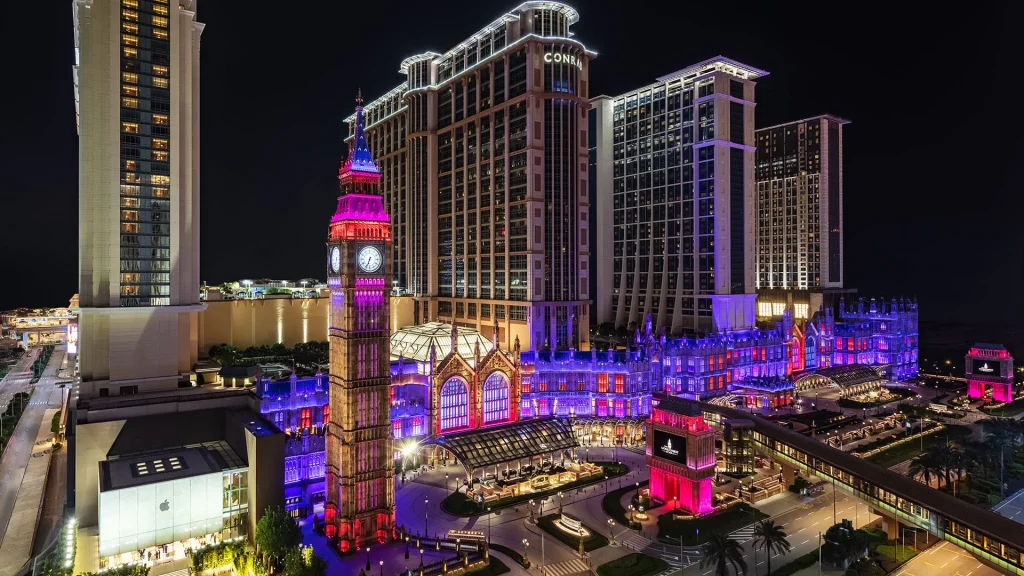
The Londoner Macau, Sands China

Considering the future, CreditSights analysts expect LVS to further leverage improvements as Macau’s recovery matures and renovations are completed.

‘The company also has a notable pipeline of projects, including the MBS expansion, potential opportunities in New York, and long-term aspirations for new markets in Thailand and Texas,’ the brokerage underlined.

LVS completed Phase 1 of its Marina Bay Sands renovation and has commenced Phase 2. The expansion of Marina Bay Sands is projected to start in mid-2025.

Still, renovations have impacted 2Q24 results, particularly the Londoner Grand casino, which was closed for part of the quarter. The Sheraton Grand’s conversion to the Londoner Grand and ongoing work at the Cotai Arena also continue to impact the bottom line.

Renovation disruptions are expected to peak in Q3 2024, with the new Londoner Grand casino reopening, increased suite capacity, and the Venetian Cotai Arena anticipated to be operational by December 2024.

LVS ended 2Q24 with $9 billion in net debt, a slight increase from $8.9 billion at the end of 2023, but a decrease from $9.7 billion at the end of 2022.

Still, CreditSights indicated that LVS’s recovery in Macau is ‘maturing’, with gross gaming revenues and visitations flattening compared to 2019 levels.

As for Singapore, LVS has completed Phase 1 of its $1 billion Marina Bay Sands suite renovation and refurbishment program.

Phase 2, estimated at $750 million, is expected to be completed by 2025 and will include 544 redesigned rooms, additional suites, and enhancements in gaming, dining, entertainment, and retail offerings.

For 2024, LVS plans to spend approximately $1.5 billion on capital expenditure, including $600 million for Marina Bay Sands, $700 million for Sands China, and $225 million for maintenance and other projects.

The $700 million for Sands China is part of Phase II at the Londoner, involving the conversion of the Sheraton hotel towers to Londoner Grand and the addition of new attractions.

Sands China has committed up to $2.7 billion in capital spend, primarily on non-gaming initiatives, as part of the concession re-bidding process. This includes an additional $700 million commitment if Macau’s market-wide annual gross gaming revenues reach or exceed MOP180 billion ($22.5 billion) within the first five years of the concession contract. Given the current GGR trends, this is almost a certainty.

Macau jobless rate back to 2019 levels, non-gaming sectors drive growth

0

Macau’s overall jobless rate and the unemployment rate for local residents both returned to pre-COVID levels in 2Q24, according to the latest data from the Statistics and Census Service (DSEC).

The DSEC highlighted that non-gaming industries drove employment growth, resulting in an increase of 5,300 in total employment and 3,000 in employed local residents quarter-on-quarter, bringing the totals to 376,400 and 287,000, respectively.

By the end of 2Q24, the gaming sector still employed around 70,300 people, a decrease of 1,100 from 1Q24.

In 2Q24, the overall unemployment rate and the unemployment rate for local residents both decreased by 0.4 percentage points compared to the previous quarter, reaching 1.7 percent and 2.3 percent, respectively.

Among those unemployed and seeking new jobs, the majority previously worked in the gaming and retail sectors.

In a statement released on Friday, DSEC noted that the median monthly earnings for all employees and employed local residents fell by MOP100 ($12) and MOP500 ($62) quarter-on-quarter, reaching MOP17,900 ($2,228) and MOP20,000 ($2,490), respectively. This decline is attributed to a high base of comparison from the first quarter, during which some industries provided double pay and bonuses.

Meanwhile, the underemployment rate remained steady at 1.5 percent, unchanged from the first quarter.

China praises POGO ban decision

The Embassy of China in Manila has welcomed President Marcos’ Philippine Offshore Gaming Operator (POGO) ban announcement, stating the decision ‘serves the common interests of people of both countries’ and that the industry helps breed ‘serious crimes’.

In his State of the Nation Address (SONA) on July 22nd, Philippine President Ferdinand Marcos Jr. announced that “effective today, all POGOs are banned.” Marcos considered that some of these operations ventured into crimes including financial scams, human trafficking, kidnappings, torture and murder.

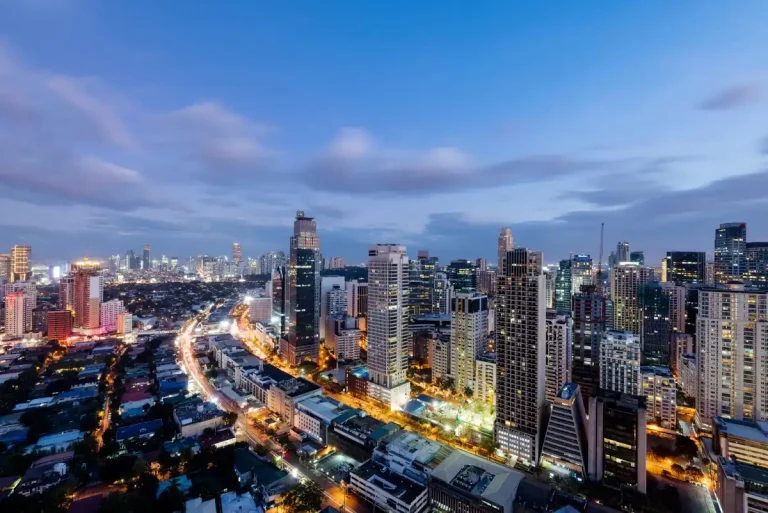
POGO Ban, Philippines, SONA

Marcos ordered his government’s gaming regulator PAGCOR to wind down the operations of the gambling outfits by year’s end.

This decision comes after years of appeals from the Chinese Embassy in the Philippines to shut down POGOs within the country.

‘We have noted President Marcos’ announcement of banning all POGOs and welcome this development. We believe this decision echoes the call of the Philippine people and serves the common interests of people of both countries,’ the Chinese diplomatic office in the country noted.

The Embassy elaborated that the Chinese government strictly cracks down on Chinese citizens engaging in overseas gambling businesses, including POGOs, as it is prohibited under Chinese law. They stated that ‘POGO breeds serious crimes and gravely undermines the interests of both Philippine and Chinese peoples’.

The Chinese government expressed its readiness ‘to continue its strong law enforcement cooperation with the Philippines and better protect the safety and well-being of the two peoples’, in line with the crackdown on POGOs.

The ban on POGOs marks a significant policy shift in the Philippines, which had previously allowed the online gambling operations to continue, despite concerns raised by China and others over issues like criminality and money laundering.

The crackdown has led to the shuttering of several sprawling complexes where authorities suspect thousands of Chinese, Vietnamese and other nationals, mostly from Southeast Asia, were involved in online gambling operations.

Relations between China and the Philippines under Marcos have been strained, as Marcos has allowed an expanded US military presence in the country and the Philippines has campaigned to expose China’s aggressive actions in the disputed South China Sea.

Earlier this month, the same Chinese Embassy issued a statement in which China calls for the Philippines to ban POGOs, calling them a ‘social ill’.

China has repatriated almost 3,000 of its citizens suspected of being involved in illegal activities since 2018.

In the last year alone, the embassy claimed to have assisted in the shutdown of five POGO hubs and the repatriation of nearly 1,000 Chinese citizens from the Philippines.

Pressure on the Philippine President to ban POGOs has been increasing in recent months, especially after Senate investigations exposed several other issues, from fake birth certificates being bought by foreign nationals to illegal operations under the guise of POGOs, and the entire scenario surrounding suspended Bamban, Tarlac Mayor Alice Guo.

Daily Asia Gaming eBrief: Tackling illegal gambling requires new approach

0
Good morning. Illegal operators will always exist, it’s like playing a game of whack-a-mole. But continuously studying the playing field will allow stakeholders to better craft their approaches. New research finds that tech companies, financial institutions and law enforcement will need to work together if they are to succeed. Meanwhile, analysts see a brighter horizon for Sands China, as renovation efforts at its Londoner property in Macau finalize in 3Q24, cutting the dead weight.

What you need to know


On the radar


AGB Intelligence

ILLEGAL GAMBLING

Illegal Gambling

Complexity of underground market difficult to combat: study

Illegal gambling operators have a significant advantage over their legal counterparts, subject to less scrutiny, more flexible in their strategies and with few scruples over customers’ satisfaction. A recent study finds that a multifaceted approach is needed to crack down on the bad actors, bringing together tech companies, financial institutions and law enforcement to try and level the playing field. But the proper ongoing study of such markets is also essential, not just one-off analysis.


Corporate Spotlight

Know Your Enemy: An Interactive Guide to Online Gaming Fraud

Sumsub, Online Gaming Fraud, verification platform

Online gaming fraud is on the rise in the iGaming industry. In Q1 2022, there was an 85% increase in fake account registrations compared to Q4 2021. While players are undoubtedly affected by gaming fraud, iGaming platforms also suffer due to damaged reputations, huge financial losses, and legal consequences.

How 1xBet dominates the Asian market: conditions and approach

1xBet, Asian Market

1xBet operates in several dozen countries in Asia, and the number of partners in this region is growing steadily, which indicates the effectiveness of the 1xPartners affiliate program. The brand offers favorable conditions and a modern set of tools for making money on the Internet.


Industry Updates


MEMBERSHIP | INTELLIGENCE | ASEAN | CAREERS

Opinion: POGO’s Sunset Provision

The announcement of a POGO ban in the Philippines has caused shock waves throughout the industry and beyond. A former PAGCOR employee who now works for a gaming operator shares his opinion of why the change was necessary for the country.  

By: Dan Aubrey Aguilar II

The emphatic “All POGOs are banned effective today” is going to be dissected for the next few weeks. The marching orders are clear, there is an objective and a set timeline that would help the decision makers on the ground be firmly guided on what needs to be done. The presence of the PAGCOR Chairman at the plenary indicates that he had an input, a plan, and a vote of confidence to the laid-out decree.

POGO
Dan Aubrey Aguilar II

Was POGO a case of a few bad apples rotting the whole basket? The numbers may back it up and say the regulation is effective but POGO, as a brand, has been hijacked by bad elements. It was apparent that Illegal operations were able to disguise themselves as POGOs on the outside, with some able to use legitimate licenses.

POGO is since synonymous with a tainted product. The intended regulated version of online gaming operations as a better alternative to what’s offered underground was not able to create a distinction when the illegal activities mixed in some companies who thought they could just pay taxes and be shielded from scrutiny. The recorded actual violators could be less than 10 of the almost 300 licensees, but it does not matter, as it is one too many.

This is consistent with the theme of the President’s Address to the people citing other aspects of his administration’s performance where, if it does not positively impact the average Filipino’s life (like the record production of rice against its high price), then it means that there’s still work to be done.

PAGCOR, for its part, tried to clean house last year by introducing IGLs (Internet Gaming Licensees). Implemented within the framework are stricter compliance criteria. Evident as only 43 was able to get certified out of the previous 298. It is a good testament to a regulatory body that is receptive to constantly improving itself where it could just outright recommend a stiff stance, a lazy position which no one would blame them should they have taken it.

But the performance of online gaming calls for regulation. Since the pandemic, the average person has become accustomed and comfortable to transactions lodged in the world wide web. We regulate to protect our people. The generated revenue should be a byproduct. It should not be a GDP needle mover.

And there are stable products of the online games, particularly the variants that are backed up by land-based operations. They may not contribute significantly to their revenue, but it is an investment for the future. Offline to Online (O2O) in gaming is going to be a natural migration, it is inevitable in a society as interconnected as it is today. That is why, to keep up, as we are already late, it is imperative to have a strong regulatory foundation now. This is evident with the variants that PAGCOR offer to ensure that these are properly guided by a framework that suits them.

The world took notice, the soundness of the policies was appreciated by the other industry movers. PAGCOR’s willingness to explore and adapt to what the market is demanding while carefully crafting a safe playing field is the reason why the Philippines is regarded as such.

POGO, described by the President as abusive and evil, should be gone, no excuses. And the moves to weed it out started since he stepped in. That’s why there’s a confidence in his voice as his constituents cheered on. In the next five months, we’ll get to see if PAGCOR is allowed to provide a platform that moves the industry forward or if POGO sets it back.


Dan Aubrey Aguilar II is a Compliance Director for one of the licensed gaming operators in the Philippines, having worked for PAGCOR for 18 years.

Gambling ban in Malaysian Kedah state under legal scrutiny

0

Several gambling outlets in the Malaysian state of Kedah have managed to overturn the local government’s ban on their operations.

On June 20th, the High Court in the state capital Alor Setar granted these operators’ judicial review applications against the state’s decision. In return, the Kedah state government has already filed an appeal to stay this decision.

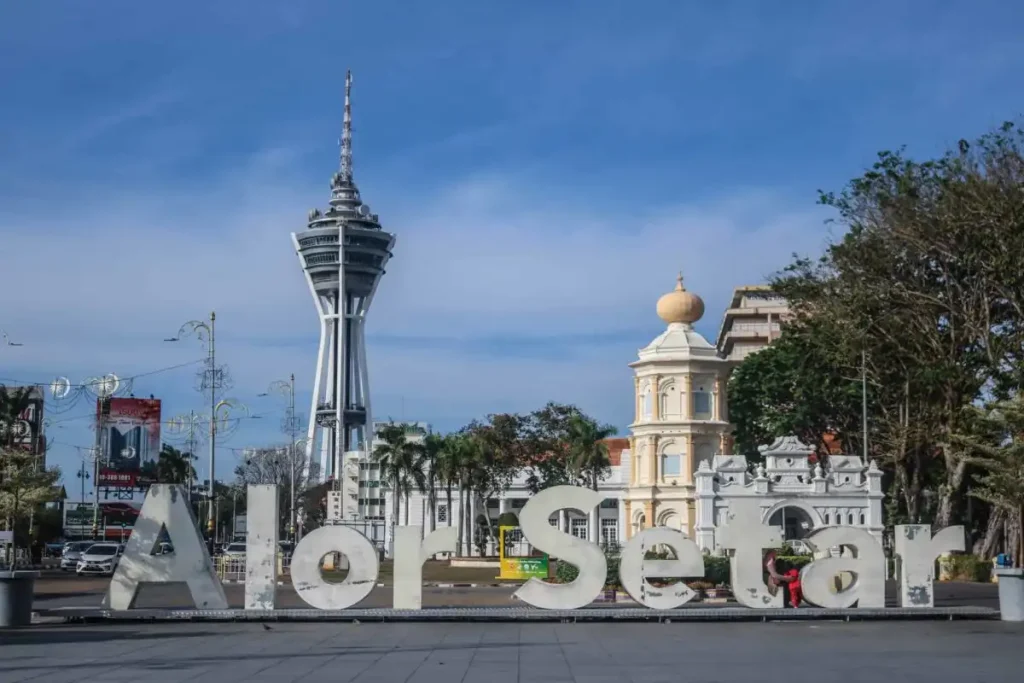
Alor-Setar, Kedah, Malaysia

On November 14th, 2021, Menteri Besar (Chief Minister) Datuk Seri Muhammad Sanusi Md Nor announced that Kedah would stop issuing and renewing gambling licenses to create a gambling-free state. He also aimed to restrict alcohol sales, especially in rural areas.

In one judicial review, STM Lottery SDN BHD claimed the state’s decision was illegal, irrational, and unconstitutional, neglecting Kedah’s multi-ethnic population. They argued that only the federal government has the authority to regulate gambling under Articles 74 and 75 of the Federal Constitution.

Various district councils, along with the Kedah government and Sanusi, were named as respondents in the legal action. Since January 2023, Kedah has closed all its 45 gaming outlets, following similar bans in Kelantan and Terengganu since 1990 and 2020, respectively.

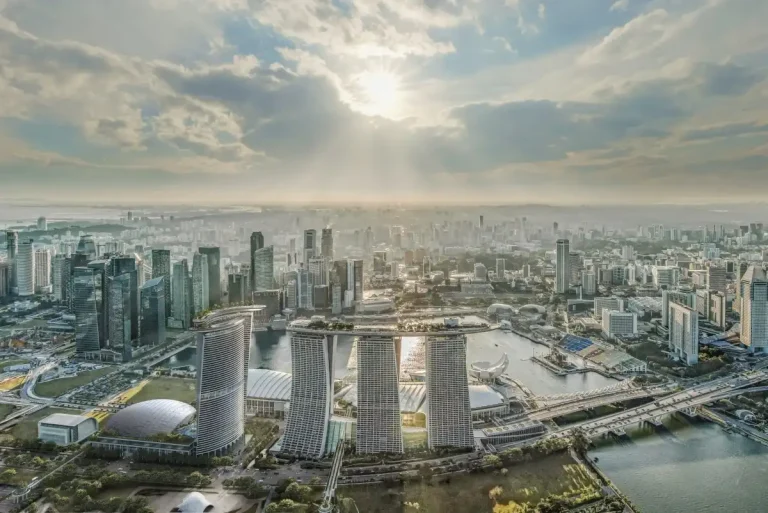
Baccarat hold increase impact on MBS ‘over-stated’: Seaport 

Seaport Research Partners has suggested that the reported impact from an increase in baccarat hold rates at Marina Bay Sands (MBS) may be ‘highly over-stated.’

According to Las Vegas Sands‘ 2Q24 results, released on Thursday, the hold impact for MBS was reported as $64 million for the quarter. However, Seaport argues that this figure is inflated. They attribute the higher hold rate to an increase in side bets, which raises the casino’s edge, rather than an actual improvement in baccarat performance. This trend is observed not only in Singapore but also, to a lesser extent, in Macau.

In its latest investment memo, Seaport notes that they have already flagged this trend in the past, stating that it ‘should benefit not only MBS but most operators in Macau as well.’

The Las Vegas Sands’ 2Q24 results show that the VIP baccarat hold rate at MBS has averaged over 4 percent over the past four quarters, compared to less than 3.5 percent in 2018-2019.

Seaport highlights that MBS continues to perform well, with GGR rising 10.4 percent year-over-year in 2Q24, revenues increasing by 9.8 percent year-over-year, and property EBITDA up 18.5 percent year-over-year. While there was a decline quarter-over-quarter, Seaport attributes this to ‘normal seasonality.’

For 2024, Seaport senior analyst Vitaly Umansky forecasts MBS will deliver over $2.1 billion in property EBITDA on $4.26 billion in revenue, marking ‘its best year by far, as the newly renovated Towers 1 & 2 continue to drive more premium, higher-value business.’

Umansky adds, ‘MBS should continue to improve as new suite products come online during the second half of this year and early next year. While the overall room count shrinks, better higher-end suites have proven to drive incremental profitability.’

Once the room base of Towers 1-3 is completed, room rates are expected to exceed $800, with the property operating at over 95 percent occupancy.

For long-term development, Seaport notes that Marina Bay Sands Phase 2 is still several years away. ‘Sands will likely provide an update on the development plan with the Q3 results, and construction will likely begin in 2H25.’

‘To be funded with property cash flow and additional debt, we expect Phase 2 to cost over $7 billion (including the $1 billion already paid for the land), with the potential to deliver mid-teen ROI. We anticipate Phase 2 to open in 2030.’

Once completed, MBS is expected to deliver well over $3 billion in EBITDA, up from $1.86 billion in 2023.