South Korean integrated resort operator Shin Hwa World has announced that it registered a decrease in its loss for 2024 of 5.4 percent compared to the previous year.
During the year, the loss attributable to the owners of the company amounted to approximately HK$494.14 million ($63.53 million).
In the Hong Kong Stock Exchange filing on Friday, the group indicated that the decrease in net loss was mainly attributable to an increase in consolidated revenue particularly from the gaming business segment, a decrease in amortization and depreciation, and the decrease in operating expenses. This comes despite the adverse impact of a decrease in fair value of investment properties.
During the year, the group registered consolidated revenue of HK$1.07 billion ($137.94 million), an increase of approximately 3.7 percent yearly. Non-gaming revenue, despite slowing , grossly outweighed gaming revenue, at HK$863.96 million ($111 million). Gaming revenue during the period, accelerated drastically compared to 2023, totaling HK$210.28 million ($27 million) – a rise of 350 percent.
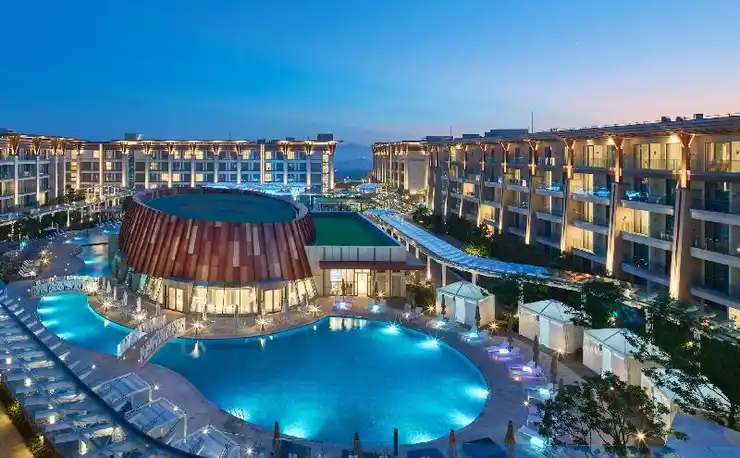
Shin Hwa World operates Jeju Shinhwa World, including the Landing Casino.
The company’s board does not recommend the payment of a final dividend for 2024.
Hong Kong Stock Exchange-listed Melco International Development saw a significant reduction in loss for 2024, according to the group’s most recent financial results.
The company is the listed parent of Macau-centric gaming operator Melco Resorts & Entertainment.
For the year, the company registered a loss attributable to owners of the company amounting to HK$784.6 million ($100.9 million). This is a 55 percent yearly reduction.
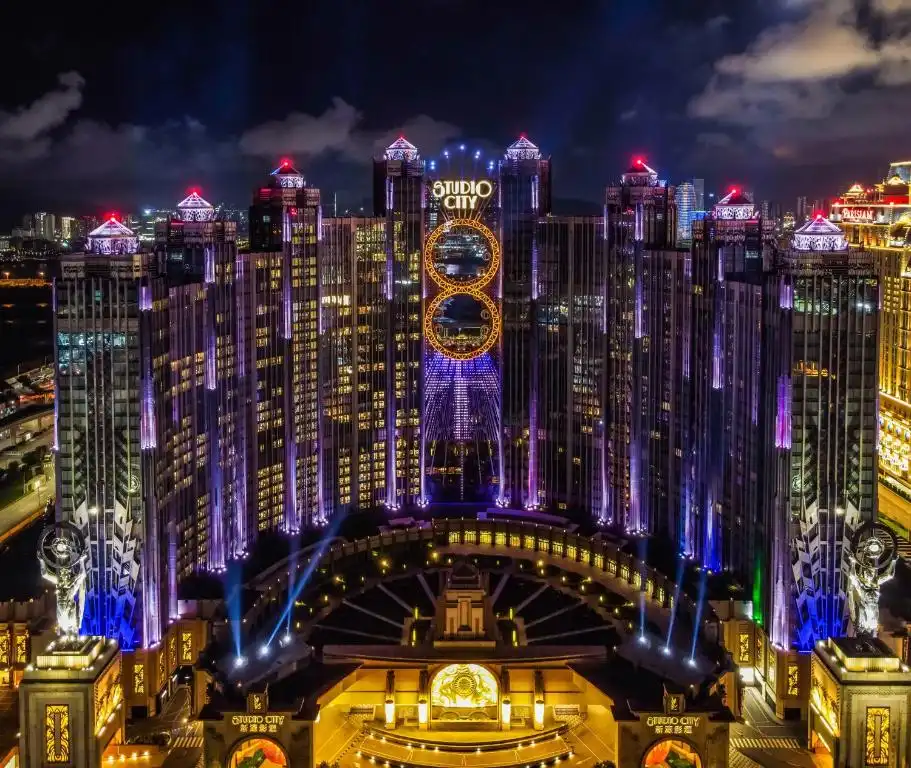
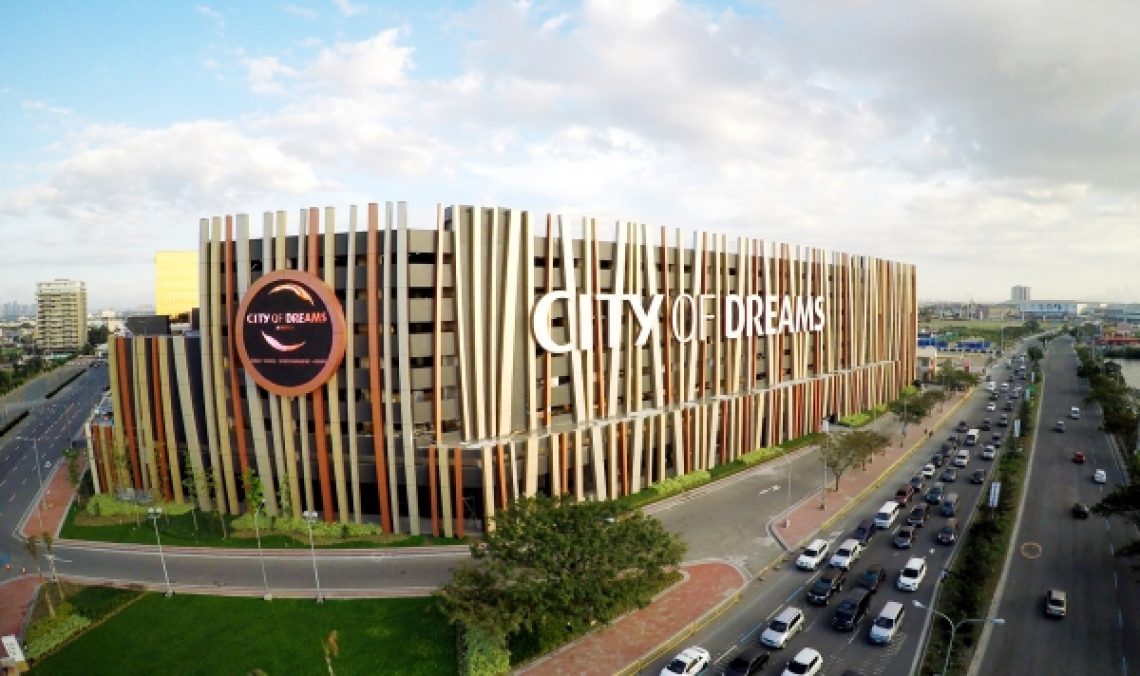
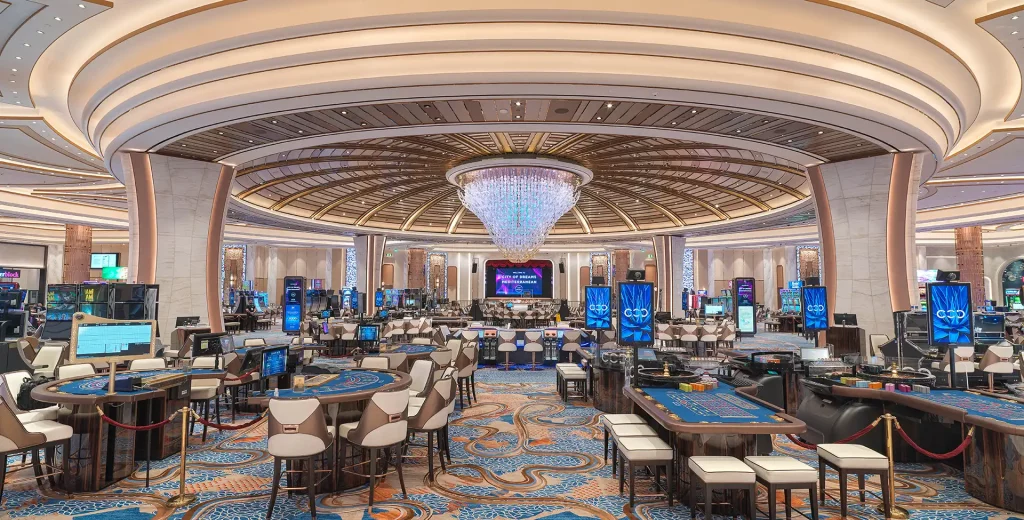
The decrease in loss was bolstered by a 22.5 percent increase in net revenues, totaling HK$36.17 billion ($4.65 billion). The group attributes the revenue increase to the continued recovery in inbound tourism to Macau in 2024 as well as the ramp up of operations following Studio City Phase 2’s opening and that of City of Dreams Mediterranean, both in 2023. The group notes that the two ramp ups led to ‘improved performance in our casino and hospitality operations for the year’.
Adjusted EBITDA also improved, rising to HK$9.03 billion ($1.16 billion), up from HK$7.51 billion ($965.5 million) in 2023.
During the year the group’s casino revenues rose by 22.2 percent, totaling HK$29.43 billion ($3.78 billion).
Rooms revenue rose by 24.5 percent, to HK$3.29 billion ($422.96 million), while F&B revenue increased by 36.4 percent to HK$2.23 billion ($286.7 million). Despite the group’s heavy investment in entertainment options during the year, entertainment and retail revenue rose by just 4.7 percent yearly to HK$1.21 billion ($272.55 million).
During the year, the group notes that a longer than expected ramp up of operations following the opening of Studio City Phase 2 resulted in an impairment of HK$931.3 million ($119.73 million). Regarding the group’s Taipa property, Altira Macau, the group recorded net impairments of HK$1.11 billion ($142.7 million). The group attributes this to market conditions, lingering disruptions to business caused by COVID, and the group’s earlier cessation of arrangement with junket promoters in Macau.
Results and strategy
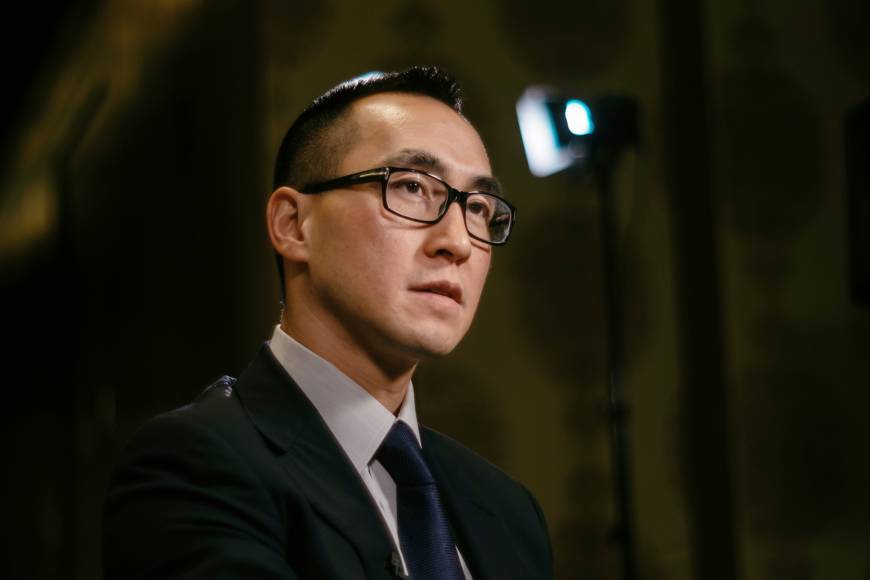
Lawrence Ho, CEO, Melco International Development
Speaking of the results, Melco International Chairman and CEO Lawrence Ho noted that “In 2024, we pursued strategic expansion and refinement to invest in a brighter future. I am pleased to report that our efforts are beginning to yield results, marking a meaningful market gain and we expect this positive momentum to continue into 2025.”
Speaking of Macau, the executive noted that it is aiming to “meet the evolving demands of the growing middle class,” and that it is “elevating the premium experience through innovative investments”.
Further abroad, the group notes that the “Performance of City of Dreams Manila remained solid throughout 2024, supported by increased international visitor arrivals and tourism revenue from inbound tourism expenditures, as well as the government’s heightened commitment to tourism development.”
Regarding its Cyprus property, the Chairman indicated that “operational upgrades at City of Dreams Mediterranean and our satellite casinos have driven measurable performance improvements”.
The group is also expecting to open its casino in City of Dreams Sri Lanka in the third quarter of 2025, which the executive termed a “capital-light investment with an attractive return profile, allowing us to extend the City of Dreams brand and broaden our customer base.”
The Melco Chairman further noted that “Guided by our asset-light strategy, we also remain proactive in evaluating partnerships and exploring emerging markets.”
Macau’s government collected MOP14.24 billion ($1.78 billion) in gaming tax revenue during January and February 2025, representing a 3.8 percent year-on-year decline, according to the latest Financial Services Bureau data.
The gaming sector continues to be the primary revenue source for Macau, contributing 89.3 percent of the government’s total MOP15.95 billion ($2 billion) revenue for the first two months of the year.
This tax collection accounts for 15.3 percent of the government’s annual gaming tax target of MOP93.12 billion ($11.6 billion) outlined in the 2025 budget plan. The effective tax rate on casino gross gaming revenue (GGR) remains at 40 percent under the 10-year gaming concession system implemented on January 1st, 2023.
Notably, while tax revenue decreased, Macau’s aggregate casino GGR for the same period increased slightly by 0.5 percent year-on-year, reaching MOP38 billion ($4.7 billion). This figure represents 15.8 percent of the government’s ambitious MOP240 billion ($30 billion) GGR forecast for 2025.
Universal Entertainment Corp, the parent company of the Okada Manila casino resort in the Philippines, has announced a new management structure following its annual shareholder meeting on March 27th.
The updated framework includes a board and 12 executive officers, aimed at reducing excessive concentration of authority and enabling faster decision-making within the organization.
Following the meeting, the company stated, ‘The board of directors will make decisions on broad business strategies.’ Additionally, directors will provide oversight of executive officers, strengthening Universal Entertainment Corp’s governance while focusing on sustainable growth and long-term corporate value.
During the meeting, shareholders appointed four directors and one board member for audit and supervisory matters. Three directors—Tomohiro Okada (who also serves as Universal Entertainment’s president), Masayoshi Miyanaga, and Hiroshi Miyauchi—were reappointed. The newly appointed director, Yoshiyuki Shouji, whose selection was first announced in February, will oversee overseas business operations as well as legal and intellectual property matters.
Philippines-based Tiger Resort, Leisure and Entertainment Inc. (TRLEI), a Universal Entertainment subsidiary, manages operations at Okada Manila. Shareholders also approved Kuninobu Okuda as a full-time audit and supervisory board member.
The parent entity overseeing Universal Entertainment is Hong Kong-based Okada Holdings Ltd, a private corporation. Notably, Tomohiro Okada serves in leadership capacities across both organizations, holding directorship positions at Universal Entertainment while simultaneously functioning as a director at Okada Holdings. He is the son of Kazuo Okada, who originally founded the Japanese gaming empire but was later removed from his position.
In a separate notice, Okada Holdings confirmed that it retains a controlling interest, holding 70.30 percent of Universal Entertainment’s voting rights.
Macau’s government is set to conduct a comprehensive review of gaming operators’ implementation of non-gaming investments.
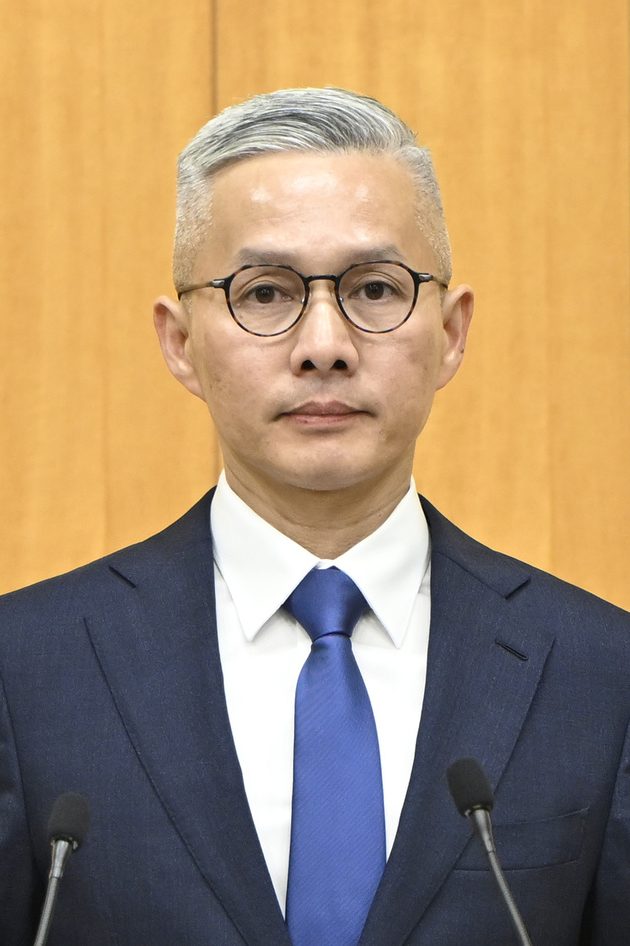
This announcement was made by Secretary for Economy and Finance, Tai Kin Ip, on Friday, following the Macau Legislative Assembly’s approval of the 2024 budget execution report.
Macau Secretary for Economy and Finance Tai Kin Ip
During the assembly session, several lawmakers expressed concerns regarding the progress of non-gaming investment plans by gaming concessionaires. In response, Secretary Tai Kin Ip affirmed the government’s commitment to rigorous oversight and stated that a review process has already been initiated to ensure concessionaires adhere to their contractual obligations.
Under Macau’s new gaming concession contracts, the six gaming operators are required to invest a minimum of MOP108.8 billion ($13.6 billion) in non-gaming projects over ten years. As Macau’s gross gaming revenue in 2023 surpassed MOP180 billion ($22.5 billion), the mandated non-gaming investment amount must increase by 20 percent, bringing the total to approximately MOP130.4 billion ($16.3 billion).
Tai Kin Ip highlighted that the government has established a regulatory framework which includes requiring concessionaires to submit an implementation progress report for the previous year by the end of March and present their investment plan for the following year by the end of September. Additionally, independent bodies are engaged to monitor the implementation of investments, and a comprehensive assessment of investment performance is conducted every three years, as stipulated by law.
He emphasized that while non-gaming investments are considered commercial commitments and are not part of public finance, the government will strictly monitor compliance to ensure that enterprises fulfill their social responsibilities. The new Macau SAR administration has already commenced the review process and plans to further enhance regulatory measures to promote moderate economic diversification in Macau.
Good Morning: An onerous process, but one that appears to be progressing. Thailand’s government cabinet has now approved the draft law aimed at setting up entertainment complexes with casinos in the country. While questions remain, certain amendments are likely, marking a positive step forward for the country’s gaming aspirations. Meanwhile in Macau, analysts predict that GGR will remain consistent throughout the year, due to a normalizing growth pattern.
Thailand’s government cabinet has approved the draft law aiming to establish casinos and entertainment complexes in the country. A committee will now be appointed to review and possibly amend the law, as primary concerns remain. This includes the $1.5 million bank account stipulation for locals to be able to gamble. The move follows four rounds of public hearings, which revealed that the majority of respondents support the new bill. The bill will now undergo deliberation in the House, which could take up to six months.
ASEAN Gaming Summit 2025
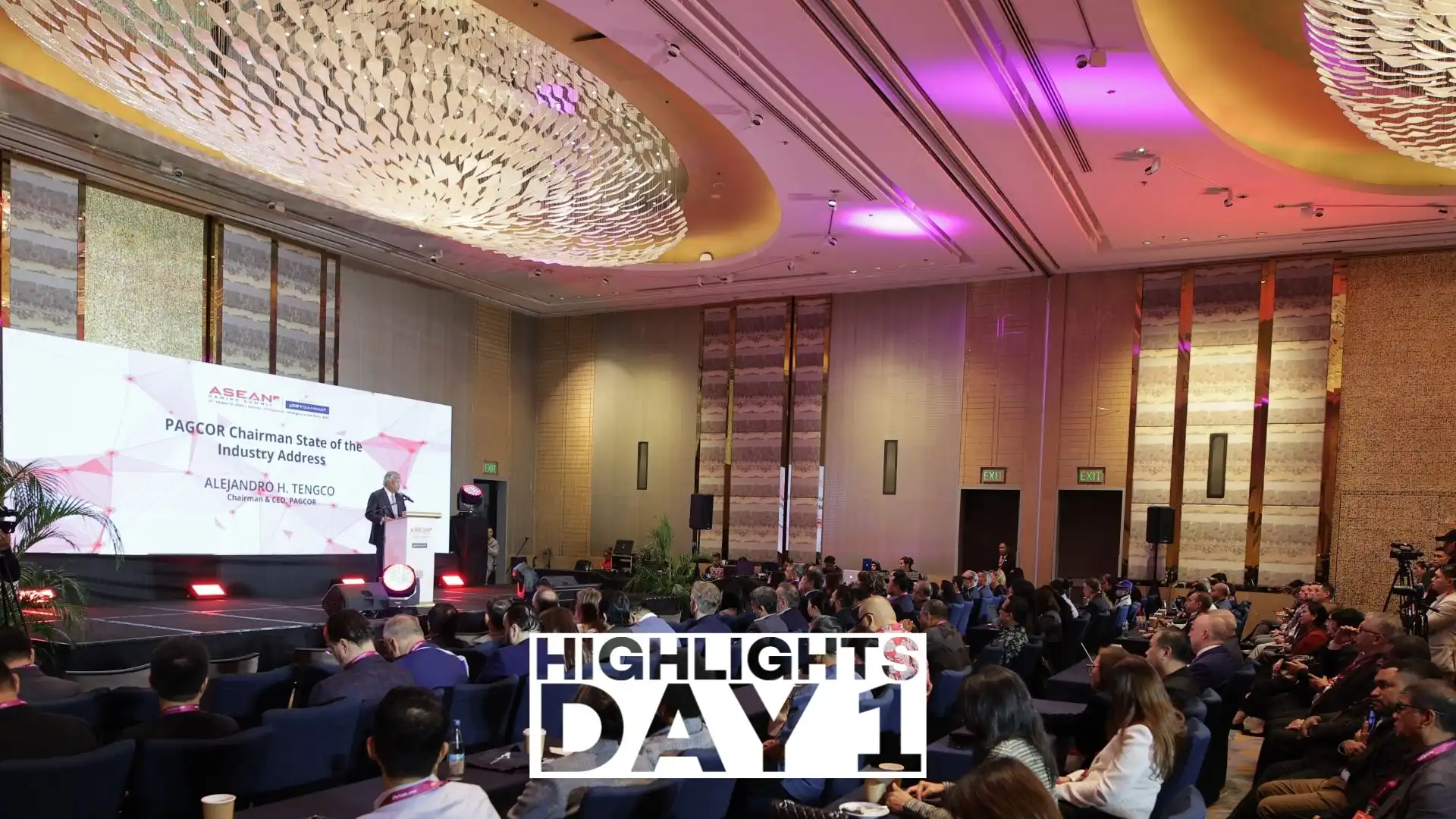
Day 1 of the ASEAN Gaming Summit 2025 was filled with valuable insights. PAGCOR Chairman Alejandro H. Tengco delivered a compelling keynote, highlighting the promising future of the Philippines’ gaming sector. The day continued with expert panels exploring key topics such as online gambling licensing, AI innovations, and KYC challenges.
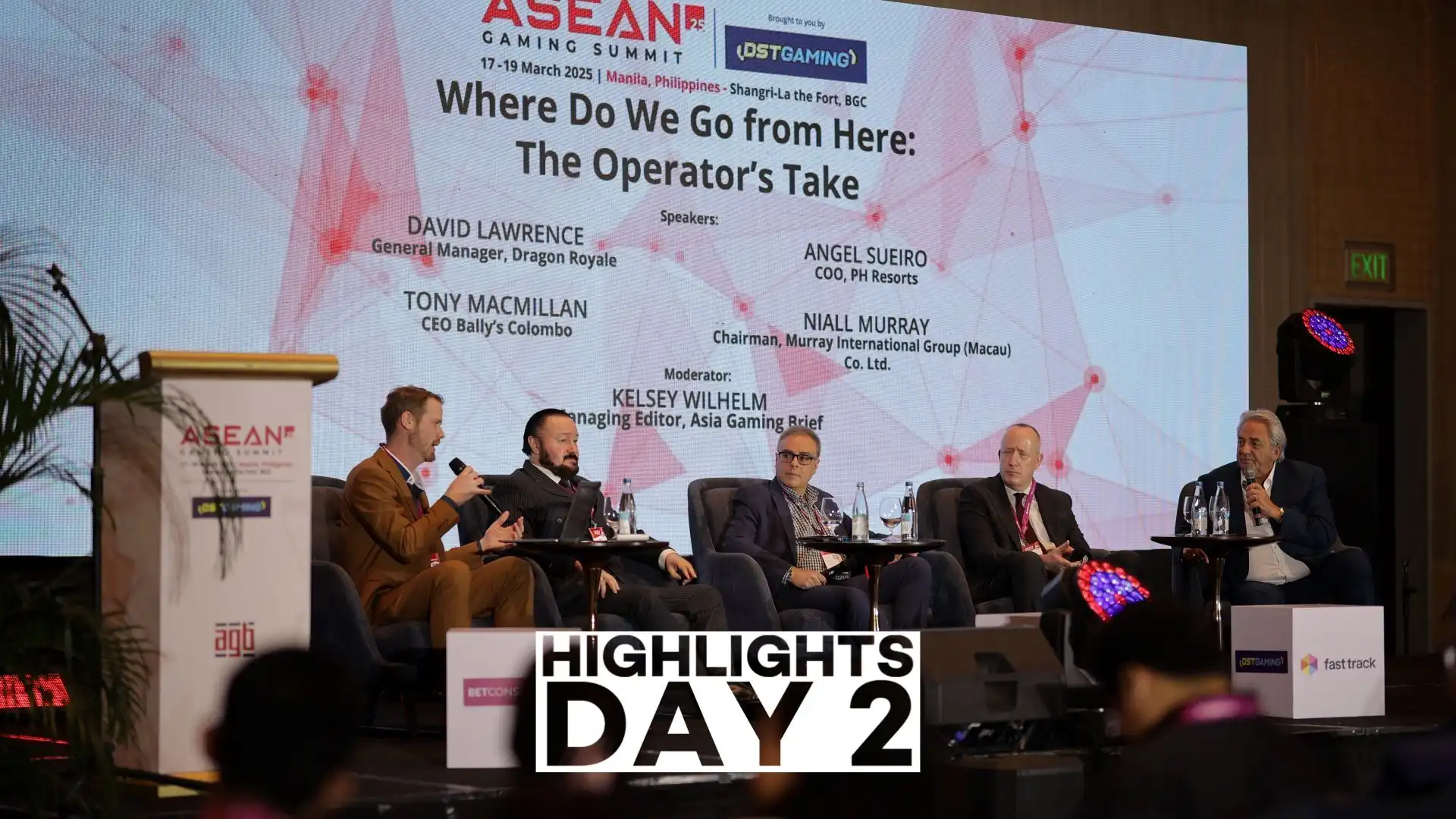
Day 2 of the ASEAN Gaming Summit 2025 was focused on innovation and strategy, with panels exploring marketing trends, electronic table games (ETGs), and AI-driven solutions. Experts shared insights on enhancing customer engagement and improving operational efficiency through advanced technologies.
Macau gaming operator Melco Resorts & Entertainment is reportedly set to introduce the renowned “Dinner in the Sky” dining experience.
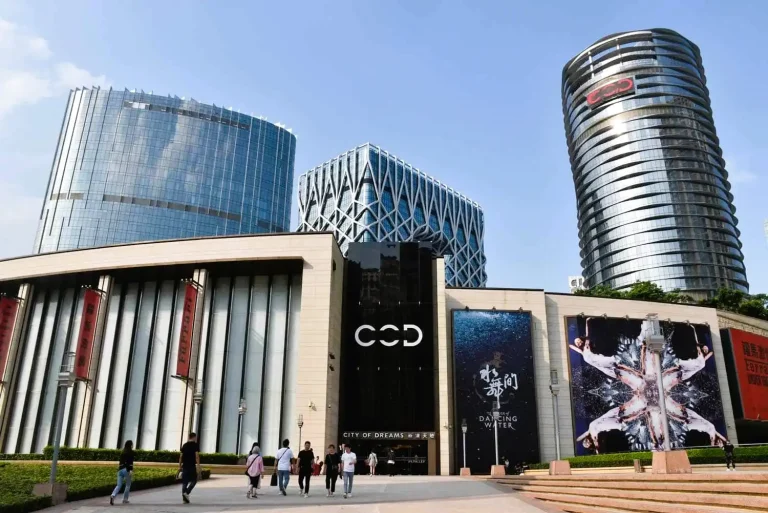
According to local Macau media outlet Allin Media, this unique restaurant, to be named “Dinner in the Sky Macau,” will be located within the City of Dreams, offering diners views of the Cotai Strip.
Recent recruitment ads on mainland Chinese social media platforms have garnered attention, not only for standard requirements like height and age but also for specific physical criteria. Male applicants are expected to have “abdominal muscles” and “chest muscles,” while female applicants should be “well-proportioned” and “attractive.”
Cotai strip
Allin Media reports that, while the restaurant will be located within City of Dreams, it will be operated by a third party. Recruitment is being handled by a travel investment company, which had previously posted job advertisements for “VIP Service Ambassadors” in late October of last year. These ads included similar requirements such as “under 35 years old,” “height of 170 cm or above,” and “no fear of heights.”
“Dinner in the Sky” is not a permanent restaurant but a globally touring dining experience created by Belgian company Events in the Sky. The restaurant is typically set up temporarily in various cities for periods ranging from a few days to a few weeks, with specific dates and locations announced by the company.
Regarding the dining experience itself, guests are required to sign a waiver before dining. After obtaining a “passport” and “boarding pass,” they prepare for their “flight.” A suspended dining table, accommodating 22 to 30 people, is lifted by a crane to a height of 40 to 50 meters (approximately 15 stories).
Guests, chefs, and service staff are all secured in their seats with safety belts, enjoying their meal high above the ground. The experience lasts approximately 1.5 to 2 hours (including ascent, descent, and dining), with an average cost of $200 to $500 per person. For restroom breaks, the crane can reportedly be lowered to provide convenience.
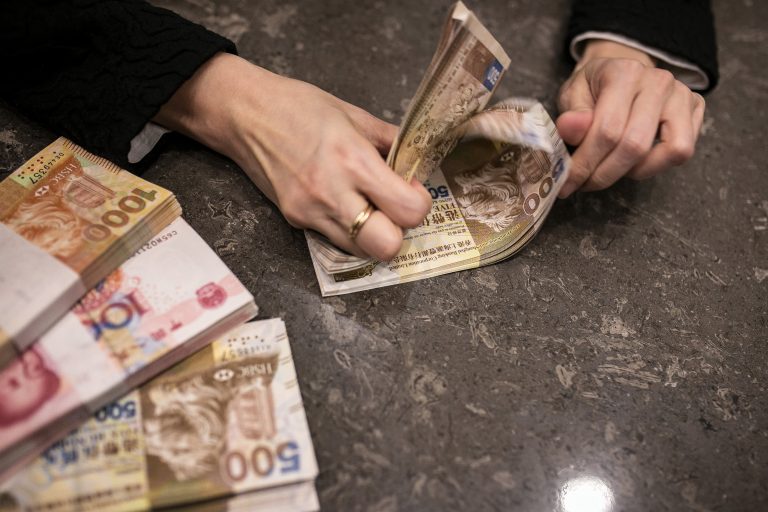
Macau’s Judiciary Police has dismantled two cross-border criminal syndicates involved in illegal money exchange operations linked to gambling. The syndicates operated through eight jewelry and pawn shops near Macau’s casinos.
The operation, carried out with mainland Chinese authorities, resulted in the arrest of 42 individuals, including key masterminds and syndicate members.
Investigations revealed that the groups used jewelry and pawn shops as fronts for illegal currency exchange services targeting gamblers through fraudulent transactions. The scheme involved nearly HK$800 million ($103 million), generating illicit profits exceeding HK$21 million ($2.7 million).
According to local media reports, one syndicate managed eight jewelry stores near casinos, fabricating transaction records through “immediate sale and return” schemes. This method enabled gamblers to convert funds into RMB or Hong Kong dollars and transfer them to mainland China. The group exchanged approximately HK$590 million ($75.9 million), earning illicit gains of over HK$20 million ($2.6 million).
Another syndicate used pawn shops and private vehicles for mobile currency exchange. They also falsely hired non-resident workers to facilitate fund transfers between Macau and mainland China. This group exchanged approximately HK$200 million ($25.7 million), earning illicit gains of at least HK$1 million ($128,600).
Both syndicates closely collaborated with underground banks, profiting from manipulated exchange rates and forming a complete illicit financial chain. During the operation, police seized over HK$18 million ($2.3 million) in cash, numerous fake transaction receipts, and electronic devices, indicating the syndicates’ long-term operations and sophisticated methods.
During a media briefing on Thursday, Sou Chi Keong, Deputy Director of the Judiciary Police, emphasized that authorities will continue to monitor money-changing activities and strengthen cooperation with mainland Chinese police to combat cross-border crimes at their source.
Macau’s new Law on Illegal Gambling Activities, which took effect on October 29th, 2024, imposes stricter measures on unauthorized gambling operations, particularly those involving illegal money exchange for gambling purposes. Offenders now face penalties of up to five years in prison.
The Queensland government has granted an additional six-month extension for The Star Gold Coast’s casino license suspension, deferring the decision until September 30th, 2025.
The suspension was previously set to take effect by March 31st, 2025.
In a filing to the Australian Stock Exchange, The Star Entertainment Group announced that it had been advised by the Queensland Attorney-General and Minister for Justice and Integrity that the suspension of its Gold Coast casino license would be postponed until the end of September 2025. Along with this, the appointment of a Special Manager for The Star Gold Coast casino has also been extended to September 30th, 2025.
The company confirmed that the appointment of an External Advisor for The Star Brisbane has likewise been extended to the same date.
In an official press release, Attorney-General Deb Frecklington said that it was important for the public to have confidence in The Star, and the government would continue to assess its remediation progress during the six-month deferral period.
“The government has made it clear that our expectations have not changed, and The Star must progress its remediation,” the Attorney-General said.
“Based on the advice of the Special Manager, we are satisfied The Star has been continuing to make positive progress under the agreement. The extension will provide The Star with additional time to deliver on its outstanding commitments while keeping its doors open. This deferral does not prevent us from taking immediate action should The Star fail to meet its remediation obligations.”
Steve McCann, The Star CEO
Steve McCann, Group CEO and Managing Director of The Star, expressed appreciation for the Queensland government’s decision, acknowledging the delay as an opportunity to continue working toward fulfilling its commitments under the company’s remediation plan.
“We appreciate the Crisafulli Government’s decision to defer the suspension of the Gold Coast license to September 30, 2025,” McCann said. He also emphasized the company’s focus on returning to suitability, in line with the expectations set by regulators.
Although Macau’s gaming industry showed improvement in February 2025, CreditSights analysts noted that the 7 percent year-on-year growth signals a return to normal growth levels after the sharp 79 percent increase in February 2024. This trend is expected to continue throughout 2025.
Analysts at CreditSights forecasted this turnaround, with data now showing a 7 percent year-on-year growth, compared to a 6 percent decline in January 2025. February’s GGR reached MOP19.7 billion ($2.45 billion), an 8 percent month-on-month increase and about 78 percent of February 2019 levels, according to data from the Gaming Inspection and Coordination Bureau (DICJ).
David Bussey and Nicholas Chen, analysts at CreditSights, explained, ‘The increase in GGR is a sign of recovery, fueled by higher visitor arrivals during the latter half of the Chinese New Year holiday period. The longer tail of post-CNY visitors also contributed to the better-than-expected results.’
During the second half of the Chinese New Year (CNY) period, particularly from January 31st to February 4th, visitor arrivals surged. For example, on February 4th, visitor numbers jumped 28 percent year-on-year, driven largely by mainland Chinese tourists. These strong figures helped fuel the GGR growth for the month.
Gaming revenue per visitor up 12%
Visitor numbers to Macau showed mixed results in February 2025. Total arrivals fell slightly by 4 percent year-on-year to 3.1 million, with a 6 percent decrease in visitors from Greater China. This decline was partly due to the shorter CNY holiday window this year (only four days in February, compared to eight days in 2024).
However, international tourism grew, with arrivals from South Korea (+42 percent), Japan (+26 percent), Thailand (+26 percent), and other countries showing solid growth.
Despite the overall drop in visitors, GGR per visitor increased by 12 percent year-on-year, reaching MOP6,274 ($781) in February 2025, up from MOP5,613 ($699) in February 2024. This increase suggests that the visitors arriving in February were more likely to be high-spending casino-goers from wealthier regions, contributing to the higher average gaming revenue per visitor.
Year-to-date GGR lags government target
CreditSights analysts project a more stable and normalized growth trajectory for Macau’s gaming industry in 2025. Year-to-date (YTD) total GGR stood at MOP 38 billion ($4.73 billion), representing a modest 0.5 percent year-on-year growth, and about 16 percent of the Macau SAR Government’s forecasted GGR of MOP240 billion ($29.9 billion) for 2025. Notably, this slightly lags behind the government’s projected growth of 6 percent year-on-year for the year.
Despite this, analysts remain optimistic about the recovery. As analysts stated, ‘Although growth has slowed from the highs of 2024, the gaming sector remains on solid footing and should continue its gradual recovery as visitation patterns normalize.’