



Macau-based casino technology firm LT Game Ltd is targeting June for the BMM Testlabs certification of ‘Black Coral‘, its new live multi-game (LMG) software platform, as the company prepares for the expiration of a key patent that has underpinned its position in Macau’s live-dealer electronic table game (ETG) segment.
The certification will be followed by submission to Macau’s Gaming Inspection and Coordination Bureau (DICJ) for regulatory approval before the product can go live.
LT Game is a brand under Hong Kong-listed Paradise Entertainment, a former Macau satellite casino operator. The group ran Casino Kam Pek Paradise under the license of SJM Resorts Ltd until December last year, when the operation ceased as part of Macau’s transition away from the satellite-casino system.
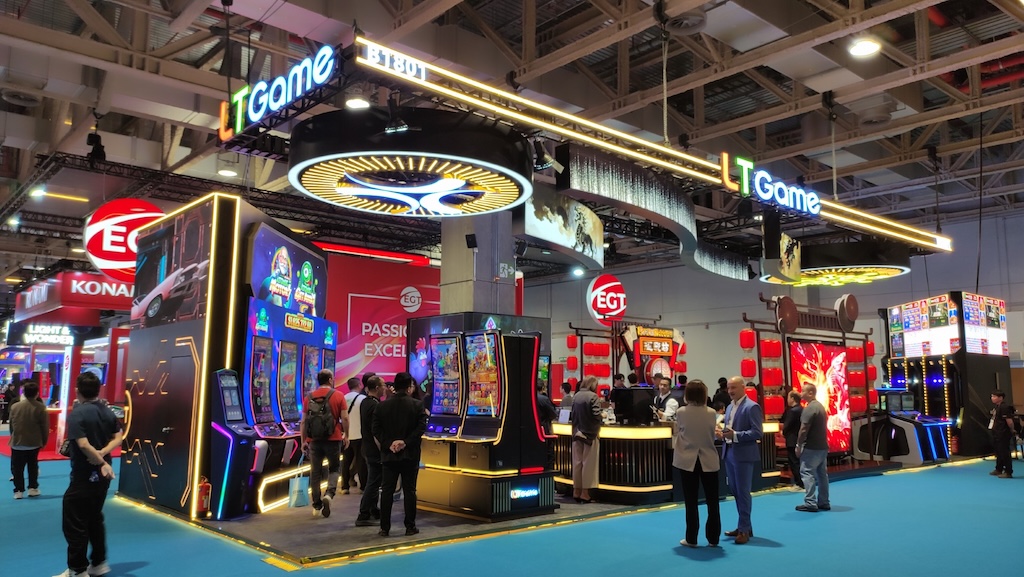
Chief Operating Officer Eddie Au disclosed the ’Black Coral‘ timeline in an interview with AGB on the sidelines of G2E Asia 2026, held at The Venetian Macao from May 12th to May 14th.
Au said ’Black Coral‘ was “nearly ready” at the start of this year, but the firm decided to delay the release after collecting feedback from casino operators during roadshow demonstrations. “We thought, let’s revise it before we release it. So we gathered their input and then proceeded,” Au said. The software is now in the testing laboratory stage, with BMM certification expected in June.
Black Coral has been in development for more than two years and represents a full overhaul of the back-end software for LT Game’s LMG product, Au explained. The previous platform has been in the market for more than a decade and has received at least two to three version updates per year. Black Coral consolidates those incremental changes into a single rebuilt platform.
“The gameplay is the same, but we have rebuilt many things behind the scenes,” Au said. “Because we kept modifying it, those changes might not have been consistent with the original design. So we consolidated everything and built a new system.”
He compared the generational gap to mobile operating systems, saying LT Game had effectively “jumped over a decade” with the new platform. The result, he said, is improved stability and smoother operation.
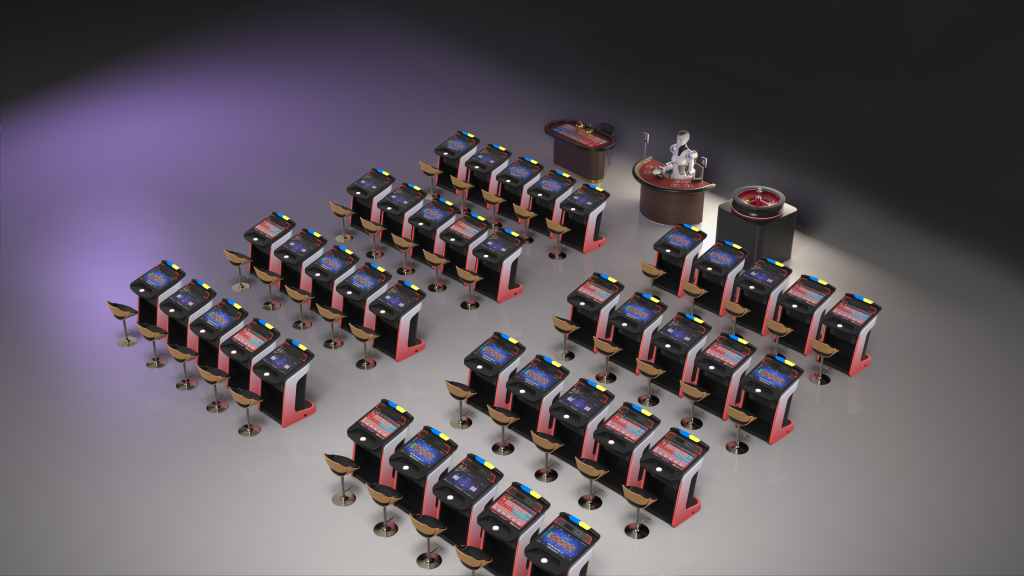
Black Coral will be paired with the Speedwave cabinet, which has already received hardware certification. The full product is expected to go live by the end of the year.
Preparing for the post-patent era
The timing comes at an inflection point for LT Game in Macau. The patent underpinning the firm’s LMG product, known as I/380, was filed in October 2006 and is due to expire in October this year under Macau’s 20-year patent protection.
The Macau Court of First Instance ruled last year that the patent must be declared null and void, effectively ending LT Game’s exclusive position earlier than scheduled, a decision the company is appealing. International suppliers Light & Wonder Inc and Spintec d.o.o have both confirmed plans to enter Macau’s live-dealer ETG market.
Au said the company had anticipated the patent’s expiration and had been preparing for new entrants. “We started developing ’Black Coral’ two years ago. We also have the new cabinet Speedwave,” he said.
He argued, however, that LT Game’s advantage extends beyond the new product itself. “Our advantage lies in the intangibles, our experience and our customers’ familiarity with us. Over more than a decade, we have learned what works, what does not, and what customers complain about. That cannot be replicated overnight,” Au said. He added that as an Asian company, LT Game is closer to the tastes of the Asian market than its European and American competitors.
LT Game also introduced a second-generation robot dealer this year, following the deployment of its first-generation model at Lotus Tower casino in Sri Lanka.
Overseas push as Macau approaches saturation
Beyond Macau, LT Game has been expanding overseas over the past two years as the home market approaches saturation, Au said. “We sold many machines two years ago, and at that time we saw that the market was nearing saturation. To sustain the development of so many games and products, we must expand overseas.”
Asia remains the priority. The company’s Philippines office has been operating for one to two years, with all required licenses recently obtained. Au said demand in the Philippines remains present despite a slowdown that began last year, while the Vietnamese market has become noticeably more active. Laos was also identified as a market with potential, though development there will take more time.
In Europe, LT Game is working with a partner to release its games alongside the partner’s titles, supported by one staff member dedicated to the region. The company also expects to enter the United States this year through a partner, with sales discussions already underway.
Au noted that even though the LMG segment is not subject to Macau’s gaming machine cap, replacement cycles for existing terminals are gradual, reinforcing the need for overseas growth. “Macau remains our core, but we cannot focus on a single market.”

On the online side, LT Game’s iGaming brand “Infernoplay” is preparing to add casual games aimed at younger players, expanding beyond its existing slot-dominated portfolio. Au said the new titles, which include digital adaptations of formats such as high-low and minesweeper, are “designed to be gamble or not gamble” and intended to make the games more accessible to younger demographics.
The Infernoplay project, which began late last year, remains at an early stage and is awaiting regulatory approval in the Philippines.