


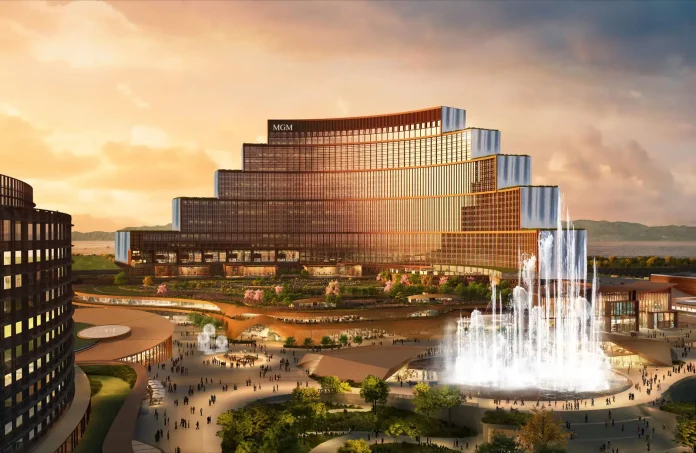
Korean casino operators and tourism academics have called for lighter administrative burdens and an industry-wide rebranding to withstand competition from Japan’s planned integrated resort in Osaka, according to a report by The Korea Times.
The appeals came at a roundtable the newspaper hosted in Seoul recently, where participants warned that the MGM Resorts International-backed integrated resort, scheduled to open in 2030, could pull tourists and capital away from Korea. Forecasts have suggested that the resort could draw as many as 7.6 million South Korean visitors a year once it opens, with their overseas spending reaching around $1.9 billion.
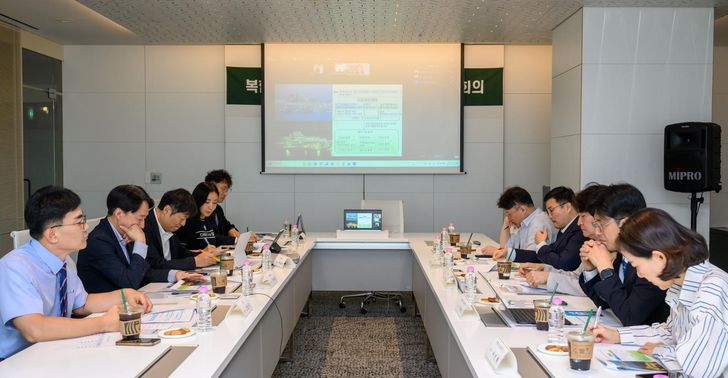
Domestic operators voiced concern that the competition would hurt the entire sector. Kim Eom-kwon, a team leader at the state-run Grand Korea Leisure (GKL), said the company felt “a strong sense of crisis” and hoped for a regulatory environment that fostered growth rather than relying strictly on rules.
The company operates three foreigner-only casinos under its Seven Luck brand — two in Seoul and one in the port city of Busan — and is majority-owned by the Korea Tourism Organization, a body under the Ministry of Culture, Sports and Tourism.
Lee Dae-shin, head of the casino strategy team at Kangwon Land, the country’s only resort open to local citizens, said public enterprises must complete lengthy preliminary feasibility studies that can delay urgent upgrades. “To effectively compete with the upcoming Japanese resort, we need more streamlined administrative procedures,” he said.
Participants also agreed that Korea must shed the stigma attached to casinos and present them as family-friendly entertainment destinations. Kim Jae-kyoung, vice president of The Korea Times, pointed to Singapore’s Marina Bay Sands as a model. “When people think of Marina Bay Sands, they envision a sophisticated convention and entertainment hub, not just a gambling venue,” he said. “We urgently need a similar strategic rebranding effort in Korea.”
MGM Osaka ranks among the most expensive casino resorts being built anywhere in the world. The development on Yumeshima, a man-made island in Osaka Bay, will cost nearly $10 billion.
Its backers anticipate roughly 20 million visitors a year once the resort reaches full capacity, while MGM Resorts International expects the casino alone to generate about $6 billion in annual gaming revenue — enough to overtake Macau’s top earner and rank as Asia’s highest-grossing property.
Kang Sung-sook, a professor at Tezukayama University in Japan, told the meeting that the resort was designed to be far more than a gaming venue. “The Osaka integrated resort is not merely a facility to attract tourists,” she said. “It aims to become an innovation hub for international conferences, exhibitions and corporate activities.”