


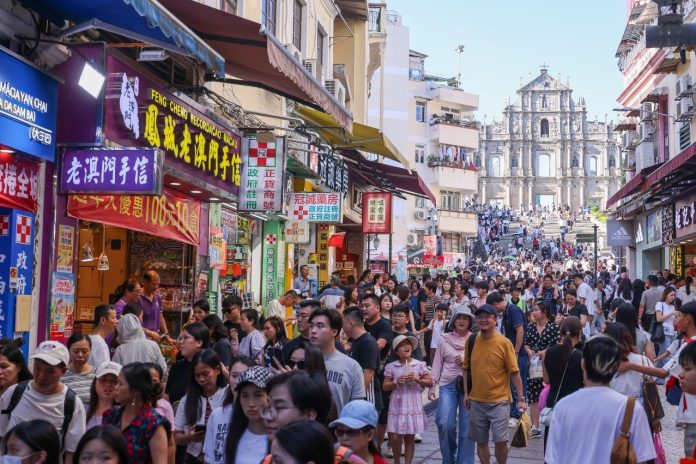
Macau’s tourism industry is expecting record-high visitor arrivals during the upcoming five-day Labor Day holiday, with industry representatives projecting daily volumes could exceed recent peaks as demand from nearby mainland cities remains strong.
The optimistic outlook follows a strong performance during last year’s Labor Day holiday, when Macau recorded approximately 850,000 visitor arrivals, up 40.7 percent year-on-year. Average daily arrivals reached about 170,000, surpassing pre-pandemic levels, while hotel occupancy averaged 94.1 percent.
According to reports by local media outlet Macao Daily News, Paul Wong, president of the Macau Leisure Tourism Services Innovation Association, said visitor flows have continued to trend upward since the start of the year, driven largely by short-haul travelers from the Greater Bay Area. He noted that favorable policy support and shifting travel patterns have led to repeated record highs in recent months.
“As a result, we do not rule out the possibility of new single-day records during the Labor Day holiday,” Wong said. He added that a conservative estimate would place average daily arrivals at between 160,000 and 170,000 visitors over the holiday period.
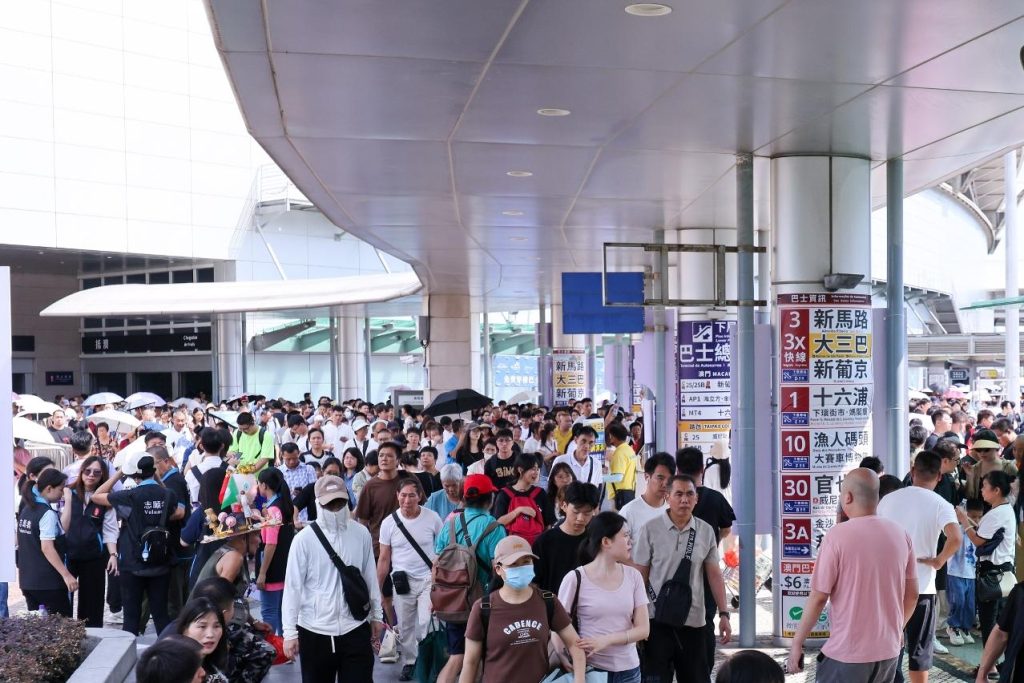
Short-haul demand drives outlook
Wong said the visitor mix during the holiday is expected to be heavily concentrated in the Greater Bay Area, with fewer long-haul travelers due to external factors including rising fuel costs, airline capacity adjustments, and the absence of major overseas holiday periods.
He added that Macau’s hotel booking trends have shown steady growth, although final occupancy levels are expected to become clearer closer to the holiday as more travelers opt for flexible, last-minute arrangements.
To prepare for the expected influx, authorities and industry stakeholders have held coordination meetings covering transport, service capacity, and safety arrangements. A range of concerts, cultural events, and community promotions organized by both integrated resort operators and the government are expected to enhance the visitor experience and encourage longer stays.
In addition, the government plans to pilot three shuttle routes connecting major tourism zones with local neighborhoods, including the NAPE district, central districts, and Toi San. The initiative aims to improve accessibility and channel visitor spending into community areas.
Industry participants are also exploring additional measures to boost consumption, including potential incentives to encourage spending in local neighborhoods alongside existing promotions such as dining offers and retail discounts.
These efforts align with the broader goal of directing more business to local SMEs and increasing visitor spending, which has yet to recover to pre-pandemic levels.
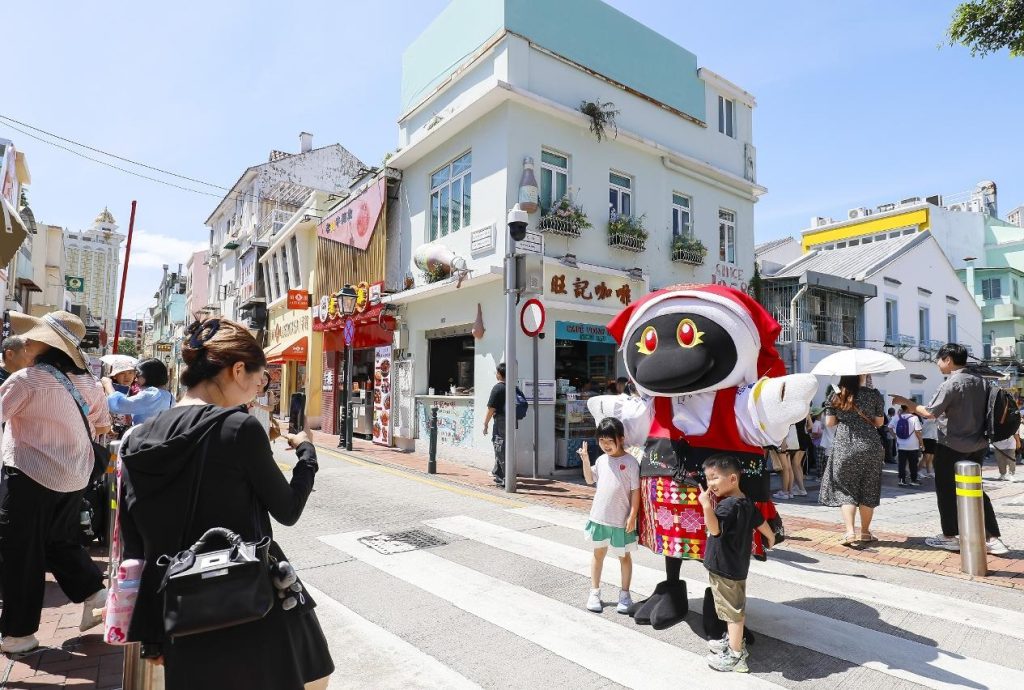
Hotel sector maintains pricing discipline
Despite rising operating costs, Macau’s hotel sector has indicated it does not intend to increase room rates during the holiday period.
Cheung Kin Chung, president of the Macau Hoteliers & Innkeepers Association, said the industry has reached a consensus to maintain current pricing levels while improving internal efficiency to absorb cost pressures.
“The sector hopes to ensure that visitors can enjoy better value for money in Macau,” Cheung said, noting that cost increases—partly linked to higher global oil prices—have affected areas such as transportation and hotel operations.
He added that the Labor Day holiday remains a peak travel period for mainland Chinese visitors, with Hong Kong travelers also forming a key segment. Independent travelers, family groups, and experiential tourism segments are expected to dominate demand.
Cheung noted that hotel bookings have shown a predictable pattern, with many travelers finalizing plans closer to the holiday due to the widespread use of digital booking platforms. As a result, reservation volumes are likely to accelerate in the days immediately preceding the holiday.
He also emphasized that both the government and the industry are closely monitoring room pricing and value management, with a focus on maintaining service quality and preventing excessive price volatility during peak periods.