

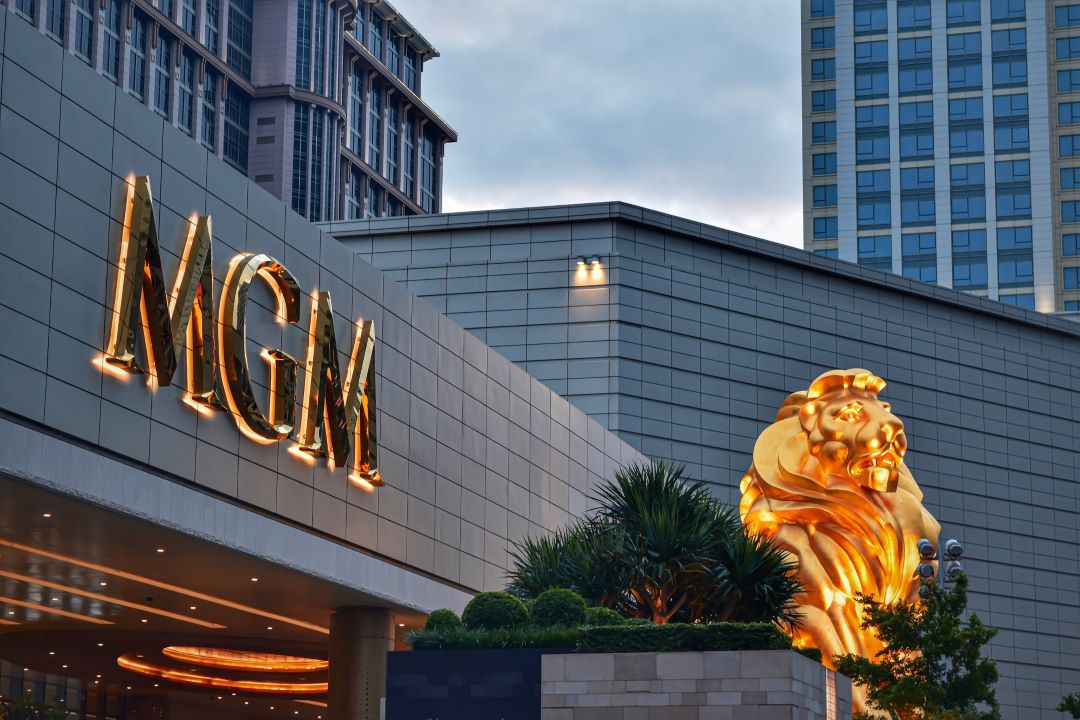

MGM China Holdings Limited has been named to the Hang Seng Corporate Sustainability Benchmark Index (HSSUSB) for the fourth year in a row.
The Company has also been selected as a constituent of the Hang Seng ESG 50 Index, which recognizes the top 50 best-in-class Environmental, Social and Governance (ESG) performers among approximately 500 listed companies.
MGM China earned an “A” rating in the latest sustainability assessment and remains the only integrated resort operator in Macau to be named to both indices, further cementing its leadership in responsible and sustainable business practices.
These continued recognitions reflect MGM China’s strategic and impactful sustainability initiatives. Notably, the Company was the first integrated resort operator in Macau to fully transition to clean natural gas across all properties, marking a major milestone in its decarbonization journey.
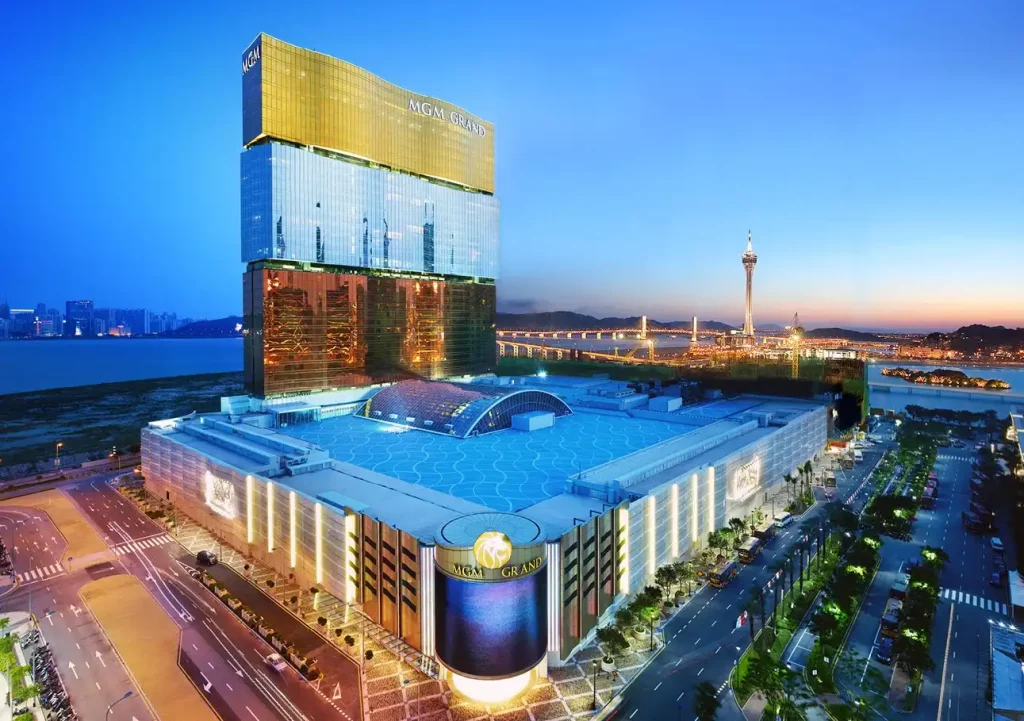
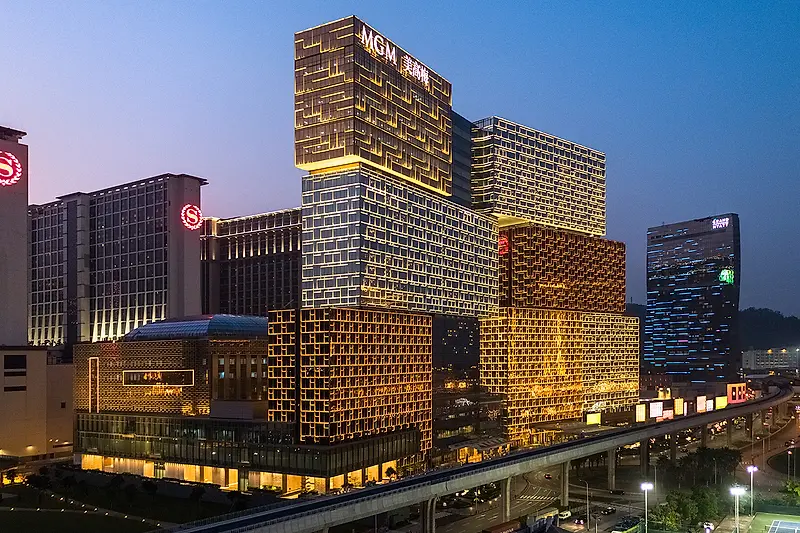
Both MGM MACAU and MGM COTAI have achieved the WELL Health-Safety Rating and WELL Equity Rating, further establishing MGM China as an industry leader in stakeholder well-being. In its commitment to green operations, the Company has adopted innovative technologies such as the Winnow Vision AI+ smart food waste tracking system in its kitchens to further enhance waste reduction efficiency.
“With sustainability embedded in our business DNA, we are proud to be the only integrated resort operator in Macau named to both the Hang Seng Corporate Sustainability Benchmark Index and the ESG 50 Index for the fourth consecutive year,” said Kenneth Feng, President and Executive Director of MGM China Holdings Limited. “This recognition affirms our relentless pursuit of excellence in environmental stewardship, stakeholder well-being, and innovation. We will continue to build on this momentum to lead the way in shaping a more responsible and resilient future for Macau and the Greater Bay Area.”
The HSSUSB is a prestigious component of the Hang Seng Corporate Sustainability Index Series, serving as a vital and objective benchmark for sustainability-focused investments. Inclusion is highly selective, with only the top 20% of companies based on sustainability performance scores being chosen as constituents. The rigorous assessment framework evaluates companies across seven key areas: corporate governance, human rights, labor practices, environment, fair operating practices, consumer issues, and community involvement and development. The review is conducted annually and is by invitation only.