Australian gaming machine manufacturerAinsworth Game Technology‘s annual general meeting has underscored lingering shareholder divisions, with a board nomination backed by minority investor Kjerulf Ainsworth failing to secure support while roughly one-quarter of votes opposed several company-backed resolutions.
The most visible flashpoint was Resolution 4, which sought the election of Samuel Lawrence Levy as a non-executive director. Levy, a former AGT chief executive whose nomination had been supported by Kjerulf Ainsworth, received only 25.18 percent of proxy votes in favor, while 74.82 percent were cast against. The chair also voted open proxies against the resolution.
The result follows a period of corporate activity at AGT, including Novomatic’s takeover offer and Kjerulf Ainsworth’s proportional takeover offers for 2.9 percent and 5.5 percent of shares at AU$1.30 ($0.85) per share, above Novomatic’s AU$1.00 ($0.65) offer. Chair Danny Gladstone told shareholders those activities had now concluded and the company would continue operating under its established strategies.
However, voting patterns at the AGM suggest the contest has left a sizeable dissenting bloc. Around 25 percent of proxy votes opposed several resolutions, including the election or re-election of directors, the remuneration report, constitutional amendments, and the renewal of proportional takeover provisions.
The meeting also highlighted scrutiny over AGT’s research and development spending. Gladstone addressed comments about the level of R&D investment and its financial returns, arguing that continued product investment was necessary in a highly regulated and competitive gaming equipment market.
AGT reported 2025 revenue of AU$290.8 million ($189 million), up 10 percent, but warned that first-half 2026 revenue is expected to fall to about AU$116 million ($75.4 million), mainly due to weaker North American sales.
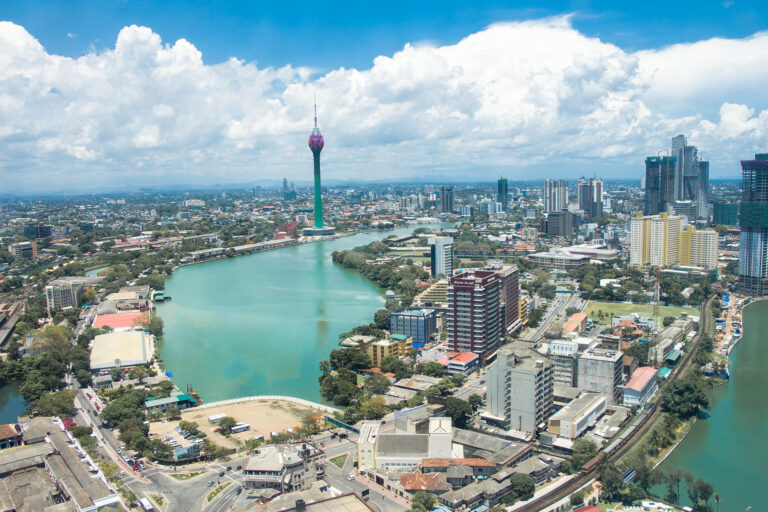
Sri Lanka has introduced a visa-free entry scheme for nationals of 40 countries, granting them a free Electronic Travel Authorization (ETA) for tourism purposes, effective May 25th.
The initiative aims to boost inbound arrivals and applies to holders of diplomatic, official, service, and ordinary passports, according to Sri Lanka’s official ETA website.
The list of eligible nations includes India, the United Arab Emirates, Pakistan, China, Japan, South Korea, the United Kingdom, the United States, Australia, Canada, Germany, France, Russia, Saudi Arabia, and Thailand, among others. Nationals of the Maldives, Seychelles, and Singapore, which hold bilateral reciprocal agreements with Sri Lanka, are also required to obtain the ETA prior to arrival.
Under the visa-free scheme, eligible travelers may stay in Sri Lanka for up to 30 days at no cost, with double entry permitted within the validity period from the date of first arrival. Maldivian nationals will receive a 90-day tourist visa through the ETA system under the existing bilateral agreement between the two countries.
Visitors who wish to extend their stay beyond 30 days must apply for a visa extension and pay the applicable fee. Any ETA fees paid before May 25th remain non-refundable, the official website confirmed.
The visa-free policy is expected to ease access for travelers from key source markets and support Sri Lanka’s broader tourism recovery efforts.
Malaysia is considering legal action against Facebook over what authorities described as insufficient cooperation in combating online scams linked to the platform, Communications Minister Fahmi Fadzil said on May 24th, 2026.
Speaking to reporters after a multi-agency retreat on anti-scam measures, Fahmi said the government was prepared to pursue legal measures if the platform failed to demonstrate stronger collaboration with regulators and enforcement agencies. He indicated that discussions would continue through the Malaysian Communications and Multimedia Commission (MCMC).
“In my opinion, legal action may have to be taken, but I leave it to the MCMC on this, and give them a last opportunity to prove that they do want to cooperate with the government,” Fahmi told reporters, as quoted by the New Straits Times.
According to the minister, MCMC has issued 271,472 requests to online platforms for the removal of harmful content, 91 percent of which involved online scams and gambling-related material. Of that total, 81 percent of gambling-related cases and 58 percent of scam-related cases were linked to Facebook.
The remarks come amid escalating financial losses in Malaysia. A Home Ministry parliamentary reply on January 21st, 2026, reported MYR2.77 billion ($684.6 million) in scam-related losses during 2025, the highest annual total in three years. Cumulative losses between 2023 and 2025 reached MYR5.62 billion ($1.39 billion).
Bank Negara Malaysia blocked MYR1.2 billion ($296.4 million) in scam-related transactions over the past year, Fahmi added.
Pascal Gaming has announced a new collaboration with legendary Brazilian football player Ronaldinho to launch a dedicated portfolio of football-inspired games—including crash games, slots, and additional titles—rolling out throughout the year.
The collaboration is designed to target both the Brazilian market and international audiences, combining football culture, entertainment and fast-paced gameplay experiences ahead of the World Cup season.
As part of the launch campaign, Pascal Gaming will also introduce tournaments, promotional activities and special events connected to the Ronaldinho portfolio.
The first title to be released will be Avinho R10, a crash-style game where Ronaldinho takes to the skies above Brazil in a colourful aviation-themed experience.
The second title scheduled for release in June is Fortune Ronaldinho, a slot-inspired tribute celebrating the legendary football icon’s legacy, charisma and global impact.
Proudly presented by the joint collaboration of Pascal Gaming and CreedRoomz, this new Ronaldinho-inspired game portfolio marks a major global partnership bringing football icon–driven crash games, casino and live casino games, and additional titles to players worldwide throughout the year.
Commenting on the collaboration, Armen Mnaskanian, Head of Sales at SoftConstruct Gaming Content said: “Ronaldinho is one of the most recognisable and loved football personalities in the world, so for us this collaboration is much more than a game launch. It is a global entertainment project that combines football culture, emotionally engaging gameplay and strong promotional activities ahead of the World Cup.”
The studio has been actively expanding its crash game portfolio throughout 2026, while also investing heavily in localised content and character-driven experiences across Latin America, Africa and Asia.
Ronaldinho’s global recognition and strong connection with Brazilian football culture make the collaboration a natural fit for the company’s expansion strategy in emerging markets and football-focused campaigns ahead of the World Cup.
Pascal Gaming also confirmed that additional Ronaldinho-themed titles and marketing campaigns will be revealed in the coming months as the collaboration continues to grow worldwide.
Philippine online gaming brand Casino Plus has reaffirmed its PHP1 billion ($16.2 million) surety bond for player protection, citing growing financial caution among Filipino consumers amid economic headwinds.
In a statement issued on Monday, Casino Plus chief executive Evan Spytma said the bond demonstrated the company’s commitment to safeguarding players. “We understand that Filipinos are being more careful about where their money goes,” he said. “Our PHP1 billion surety bond is proof that we take player protection seriously. It reflects our commitment to operating with financial discipline, transparency, and accountability.”
The bond, backed by Philippines First Insurance Company Inc (PhilFirst Insurance), was launched last year to provide coverage for confirmed deposits and verified balances, according to The Manila Times. BusinessWorld reported, however, that the company did not disclose specific terms governing the bond, including the extent of coverage for player claims or operational liabilities.
Casino Plus said the surety bond forms part of a broader compliance framework that includes know-your-customer verification, customer support systems, and responsible gaming measures required under Philippine Amusement and Gaming Corp (PAGCOR) regulations.
Spytma also stressed the importance of responsible play. “Entertainment should light up a moment, not consume a life,” he said, adding that “control is as important as enjoying the moment.”
The company reminded the public that gaming should not be regarded as a source of income or financial relief, as outcomes are determined by chance.
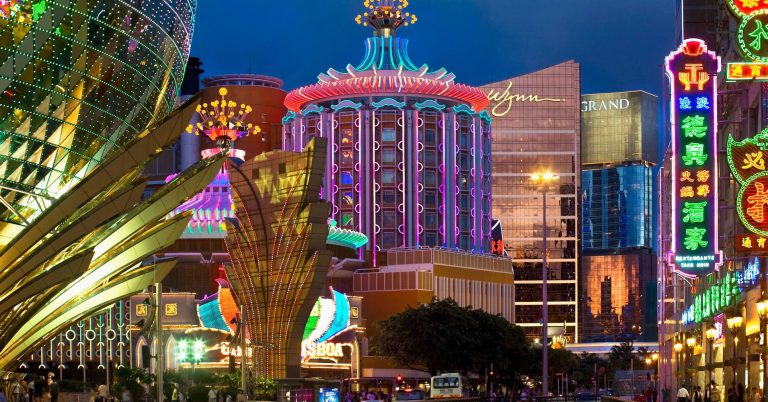
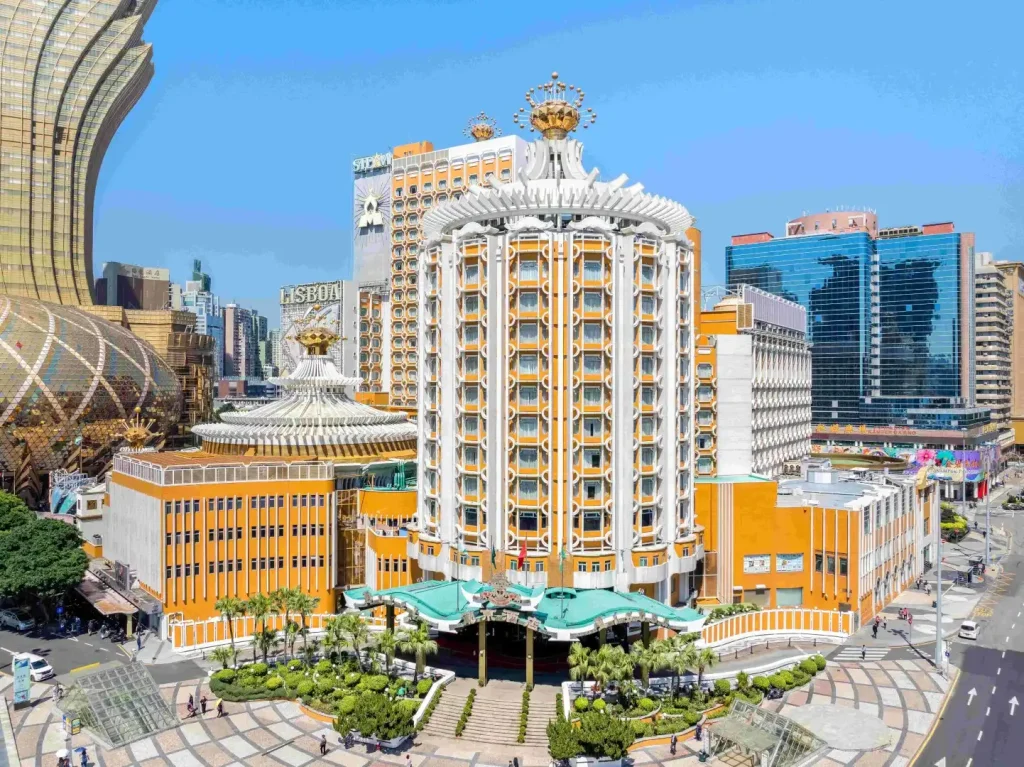
SJM Resorts Managing Director Daisy Ho said on Tuesday that Hotel Lisboa and Grand Lisboa are undergoing renovation and conversion work, which is expected to be completed in 2027, when the two currently separate properties will be integrated into what she described as the largest hotel-resort complex on the Macau peninsula.
The tunnel connecting Hotel Lisboa and Grand Lisboa is also being renovated as part of the project, further supporting the integration of the two properties.
According to Macao Daily News, Ho made the remarks on the sidelines of a dragon boat launching event. She said the refurbishment aims to modernize the two properties and better align them with current customer and market demand.
The first phase of works at Hotel Lisboa covers hotel rooms, food and beverage facilities, and gaming areas. It is expected to be completed this summer, pending approval from the Gaming Inspection and Coordination Bureau (DICJ) before opening. A second phase will follow.
Ho said Hotel Lisboa, as a long-established property, needs to upgrade its rooms in line with changing customer preferences. The redesign includes combining existing rooms, such as turning 2 rooms into 1 or 3 rooms into 2, while adding new suite layouts. As a result, the total room count will decline, but the average room size will increase.
Hotel LisboaGrand Lisboa
Grand Lisboa, which has been in operation for nearly 20 years, is also undergoing internal renovation and conversion works. Former VIP gaming areas will be converted into hotel rooms, increasing the property’s total room inventory by about 10 percent.
Additional food and beverage areas will be added on the 3rd and 5th floors to serve mass-market customers, while more retail space will be introduced on the ground floor. The hotel lobby and check-in area will be relocated to the 7th floor.
The Philippine Amusement and Gaming Corporation (PAGCOR) has set firm compliance deadlines for contracted business-to-business (B2B) gaming providers, warning that non-compliant entities will have their electronic gaming systems decommissioned from August 1st, 2026.
The directive was issued in a memorandum signed on May 21st, 2026, by Officer-in-Charge Jessa Mariz R. Fernandez of the Electronic Gaming Licensing Department (EGLD), and published on the PAGCOR website on May 26th, 2026.
The memorandum, addressed to all gaming system administrators (GSAs), licensees of integrated resorts, gaming affiliates, support service providers, applicants and concerned entities, formalizes the transition guidelines for existing GSAs and their contracted B2B providers under the new regulatory framework. The measures were approved by the PAGCOR Board of Directors in its meeting on May 21st, 2026.
Three critical deadlines
Under the memorandum, contracted B2B providers that submit their accreditation applications on or before May 31st, 2026 will be allowed to continue their existing operations and provision of services to GSAs during the interim period, or until July 31st, 2026, pending the approval or denial of their applications.
All accreditation requirements must be completed no later than July 31st, 2026. These requirements include payment of the non-refundable application fee, documentary requirements including the probity check report, satisfactory results of an ocular inspection of the applicant’s facility, and actual testing of the electronic gaming systems (EGS), including the online gaming platforms (OGP) where applicable, and posting of the corresponding performance cash deposit.
Failure to comply with these requirements will result in the decommissioning of the concerned companies’ electronic gaming systems, online gaming platforms, games and gaming equipment or paraphernalia, effective August 1st, 2026.
Consequences for non-filers and GSAs
Companies that fail to submit applications on or before May 31st, 2026 will be prohibited from providing services to all GSAs. Any request for evaluation of gaming systems, gaming platforms, games and gaming equipment or paraphernalia will be returned without action. According to the memorandum, such companies may only be allowed to resume or provide services upon securing the required accreditation.
The directive also extends accountability to GSAs themselves. Those found to be availing themselves of services from non-compliant entities will be subject to appropriate regulatory sanctions.
Latest step in a year-long regulatory overhaul
This week’s memorandum marks the latest step in PAGCOR’s year-long push to bring the iGaming supply chain under direct regulatory oversight. The Regulatory Framework for the Accreditation of Gaming Affiliates and Support Service Providers — first signaled by the EGLD in a memorandum dated April 30th, 2025 — subjected third-party entities such as payment processors, game content suppliers, KYC solution providers and customer support vendors to direct accreditation for the first time.
As part of the same overhaul, PAGCOR also reclassified entities previously known as Gaming System Service Providers under the newly established category of Gaming System Administrators, clarifying the roles and responsibilities of key B2B participants in the regulated ecosystem.
Speaking to AGB at the time, Arden Consult founder Tonet Quiogue described the move as “a significant shift in how support service providers and gaming affiliates will be regulated in the Philippines,” noting that these businesses had historically operated without the need for formal registration with PAGCOR. “Going forward, all covered entities must comply with defined application procedures, performance requirements, and ongoing regulatory conditions,” she added.
Pragmatic Play celebrates the beautiful game in Big Bass Football Bonanza, bringing the drama of football’s biggest spectacle to its popular Big Bassseries.
The famous fisherman swaps boats for boots in the 5×3 franchise addition, set beneath the bright lights of a packed soccer stadium. And he is joined by a teammate!
Landing 3-5 trophy scatters triggers the bonus game with 15-25 free spins, where the wilds are split into red and blue teams, each collecting money symbols with values of up to 5,000x.
Red and blue wilds are collected on their respective sides of the pitch, with every fourth on each team awarding 10 extra spins and a 2x, 3x, and 10x multiplier for the first, second, and third retrigger.
The end-to-end action is enhanced if wilds land with no money symbols, or money symbols land with no wilds, at which point paying symbols can be randomly transformed into wilds or cash prizes.
The Big Bass series addition lands just over two weeks before the world’s biggest football tournament gets underway, signifying the supplier’s ambition to deliver immersive gaming experiences that tap into major cultural moments.
Big Bass Football Bonanza adds even more variety to Pragmatic Play’s player-favourite franchise, following the success of recent releases Big Bass Trophy Catchand Big Bass Raceday Repeat.
Sharon McHugh, Director of Public Relations at Pragmatic Play, said: “Big Bass Football Bonanza has been designed to capture the electric atmosphere surrounding the world’s most-watched football tournament. From the stadium-inspired setting to the football-themed symbols, the game delivers an entertaining twist on the popular Big Bass formula.”
DeGaming, the Web3-native iGaming platform provider, has launched with a clear mission to rebuild trust across an industry in which transparency has long been absent.
At the heart of the platform is DeGaming’s proprietary Glass Vault technology, which provides real-time proof of funds and an independently verifiable visibility of balances, transactions, and payouts. Rather than asking for users to trust the platform, Glass Vault makes trust verifiable by design, removing the opacity that has allowed bad actors to thrive across the sector for too long.
A defining feature of the platform, and a genuinely differentiated offering on the market, is Bankroll as a service. All transactions run through DeGaming’s on-chain transaction engine, giving operators access to scalable liquidity that directly supports growth, player withdrawals, and platform stability.
The unified platform integrates game access, player account management (PAM) and reporting within a single blockchain-native operational engine. Operators can launch a fully customisable casino or sportsbook in as little as two weeks, with crypto and fiat deposit handling, automated payouts and a back-office built for rapid deployment.
Ulle Skottling
Along with the launch, Ulle Skottling has been appointed CEO of DeGaming to lead the company’s next phase. He brings extensive senior leadership experience from roles at RAW iGaming, Videoslots, and NetEnt, and is well-positioned to translate the platform’s capabilities into commercial scale.
“The industry has evolved rapidly, but transparency and trust have not kept pace,” said Ulle Skottling, the new CEO of DeGaming. It runs on what you can’t see, whereas we have built a platform that you can. We are challenging the model and defining the new standard for gaming infrastructure. Our Glass Vault technology gives operators, affiliates and players independently verifiable visibility into platform activity and funds in real time. The future of gaming will be built on openness, accountability and infrastructure that all participants genuinely trust.”
Emil Ahmed, co-founder of DeGaming, said: “Appointing Ulle as CEO is an important step in DeGaming’s next phase. We have built the platform around a clear belief that gaming needs more transparency, stronger infrastructure, and greater operational trust. Ulle brings the industry experience, commercial understanding, and leadership needed to take that vision to market and help operators launch with confidence.”
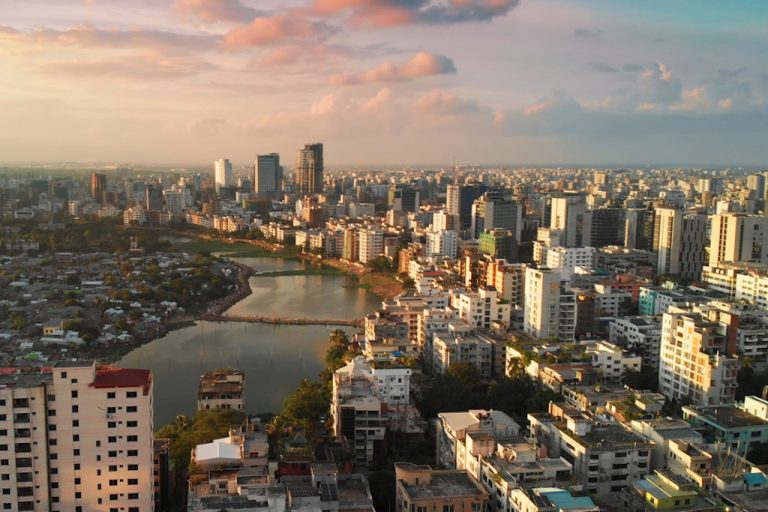
Bangladesh’s government is preparing a new law to tighten controls on gambling, betting and online gambling, Home Affairs Minister Salahuddin Ahmed said on Sunday, according to state news agency BSS.
The proposed legislation would replace a colonial-era statute with updated provisions covering gambling, betting and online gambling. Salahuddin said the government hoped to place the draft law before parliament in the next parliamentary session.
The minister said the country’s existing gambling law dates back to 1867 and is outdated. He added that the government plans to repeal the old law and introduce a “modern and time-befitting” framework to address emerging crimes, including online gambling.
The planned overhaul comes amid growing concern over illegal online betting in Bangladesh. Bangladesh Bank has directed all 13 mobile financial service providers to take urgent measures to stop transactions linked to online gambling, according to The Business Standard. The report cited a senior central bank official as saying that funds transferred out of the country through online gambling could total around Tk50 billion ($407 million).
Authorities have also taken action against mobile financial service accounts allegedly linked to online gambling and informal money transfers. The Bangladesh Financial Intelligence Unit previously suspended 21,725 such accounts.
Separate research by Dismislab found that betting ads have also reached Bangladeshi users through mobile games, with nearly 1 in 11 ads in monitored gaming apps promoting betting or gambling.