Cambodian gaming operator NagaCorp has reported a 17.7 percent year-on-year increase in gross gaming revenue for the first quarter of 2025, reaching $171 million.
Net gaming revenue for the period totaled $148 million, reflecting a 20.6 percent growth compared to the same quarter last year.
The company shared these figures in a voluntary update filed with the Hong Kong Stock Exchange on Monday.
According to the unaudited data, the mass market segment saw a 4.8 percent year-on-year increase in total wagers on gaming tables and electronic gaming machines, amounting to $997 million. Gaming revenue in this segment rose by 17.9 percent, totaling $109 million.
The high-end VIP market also performed strongly, with turnover reaching $2.01 billion—a remarkable 72.6 percent increase from the previous year. Gaming revenue in this segment grew by 20.6 percent, reaching $42.86 million.
In the referred VIP market, turnover rose by 41.3 percent year-on-year to $496 million, while gross gaming revenue increased by 11 percent, amounting to $19.28 million.
Despite growing opposition from various sectors, Thai Deputy Finance Minister Julapun Amornvivat has expressed confidence that the Entertainment Complex Act will pass its first reading in parliament this week.
Julapun Amornvivat
The bill is scheduled for review on Wednesday, April 9th, during a session of the House of Representatives, where lawmakers will consider its guiding principles before the current parliamentary session concludes.
According to local media outlet The Nation, Julapun provided an update on the progress of the casino legalization process.
A key development is the formation of a 31-member committee tasked with reviewing the bill in detail, with Julapun appointed as committee chair. The committee will include nine representatives from the Cabinet, as well as members from political parties, academia, government agencies, and potentially independent experts.
Julapun stated that he would personally select representatives from the Pheu Thai Party, prioritizing individuals capable of contributing effectively. He also stressed that all members must maintain a positive image and refrain from using their positions for personal gain.
Reflecting on past efforts, Julapun noted that similar legislation failed to advance in 2005, partly due to the size and inefficiency of larger committees. This time, the focus will be on appointing only essential and qualified members to ensure effective progress.
Progress expected in July if bill passes first reading
Julapun emphasized that the government is not rushing the legislative process. He noted that if the bill’s principles are approved in April, the second and third readings could take place when parliament reconvenes in July.
He reiterated that advancing the bill is a priority for the current administration. A key objective includes the establishment of the Entertainment Complex Office, which the government aims to complete during its current term.
Subsequent steps involve drafting subsidiary laws—a process expected to require significant time. Completing the legal framework within this administration is considered crucial, as it would allow the government to proceed with license auctions, even in the event of a change in leadership.
The government views entertainment complexes as potential economic drivers, with a strong emphasis on non-casino components, which are expected to occupy 90 percent of the total project area. The proposed structure follows a “4 plus 1” model: a casino integrated with four major elements—modern infrastructure including large-scale sports stadiums, concert halls, world-class amusement and water parks, and luxury shopping malls featuring international brands.
Gaming tax model inspired by Singapore
In terms of economic benefits, the government anticipates substantial tax revenue from these developments. Proposed tax rates, modeled after Singapore’s framework, include a 12 percent tax on gross gambling revenue (GGR) from VIP customers and 18 percent from general patrons. Additional revenue is expected from corporate taxes and value-added tax.
It is worth noting that one year ago, the first draft of the Thailand gaming law set the GGR tax rate at 17 percent.
On licensing, Julapun underscored the importance of setting clear limits, citing Singapore’s two-license system as a reference. He explained that the final number of licenses will be determined by the Entertainment Complex Policy Committee, based on a study conducted by the newly formed Entertainment Complex Management Office.
The number of approved complexes will depend on the country’s size, economic landscape, and evolving needs. While adjustments may be made in the future, all licensees will be subject to strict responsibilities.
Anti-money laundering measures included
The policy committee will also include representatives from the Anti-Money Laundering Office, ensuring that safeguards against financial crime are integrated from the outset.
Regarding the draft law’s current requirement for Thai nationals to hold at least THB50 million ($1.5 million) in assets to participate in casino gambling, Julapun acknowledged that this clause may be revised during the committee stage.
Addressing concerns over gambling addiction
Julapun also addressed concerns about gambling addiction, noting that such issues already exist in the country, with many individuals traveling illegally to neighboring countries to gamble.
He cited Singapore’s experience, where only a small percentage of the population participates in casino gambling, and an even smaller fraction develops addiction. He suggested that similar regulatory mechanisms—such as behavioral monitoring—could be introduced in Thailand to mitigate potential risks.
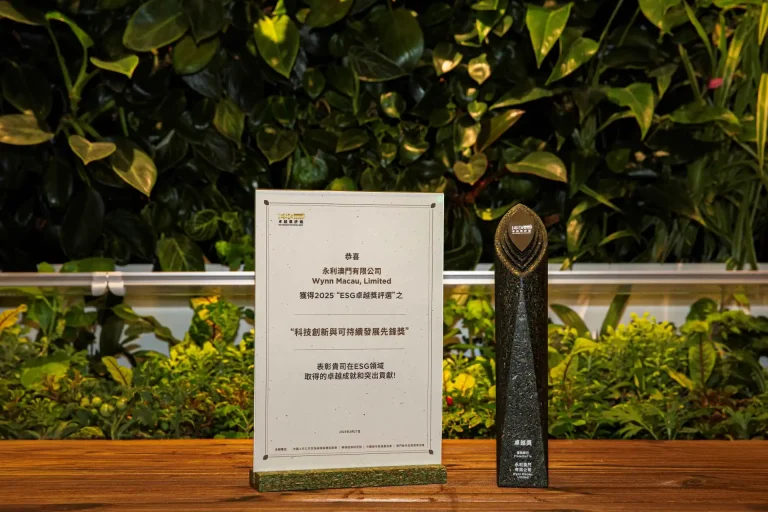
Wynn recently received the “Excellence Award in Technology Innovation and Sustainable Development Pioneer” at the inaugural ESG Awards for Excellence, reaffirming its outstanding contributions in these areas.
As a renowned integrated resort in Macau, Wynn always values corporate social responsibility (CSR) and observes the principles of environment, social responsibility, and governance (ESG) in its daily operations, contributing to the sustainable development of Macao with steadfast commitments.
Held concurrently with the 2025 Macao International Environmental Co-operation Forum & Exhibition (MIECF), the ESG Awards for Excellence is jointly organized by the Organizing Committee of China Business Top 100 Forum, Warton Economic Institute, China City Development Foundation, and Macao Green & Low Carbon Industry Association with support from the Commerce and Investment Promotion Institute, Environmental Protection Bureau, and Economic and Technological Development Bureau of the Macao SAR Government.
The event is aimed at establishing the first cross-domain ESG value assessment system in Greater China, commending listed enterprises that have excellent ESG performance, formulating internationally recognized “Macao Standards” for the sustainable development of listed enterprises, and facilitating their exchange and cooperation.
The companies included those involved in future industries, green energy, social responsibility and care, life and health, green finance, biodiversity, net-zero carbon economy, circular economy, brand influence, green hotels, technological innovation, community services and co-construction, and corporate ESG capability. The award underscores industry recognition of Wynn’s sustainability efforts.
Wynn has been dedicated to realizing sustainability at all levels of business operation for years. These efforts include becoming the first integrated resort operator in Macao to recycle shredded playing cards locally, reducing food wastes using Winnow Vision—a cutting-edge food waste management system powered by AI, pioneering the installation of the Nordaq 2000 Refilling System to minimize plastic use, and embracing digital workflows and conducting waste audits to continuously lower the environmental impact.
In addition to introducing innovative sustainability solutions, Wynn also values sustainable procurement and strives to raise public awareness of environmental sustainability and drive the sustainable growth of local SMEs by organizing events and training. In the future, Wynn will continue enhancing operational efficiency, reinforcing its ESG policies and initiatives, and promoting eco-friendly applications and innovations to contribute toward Macao’s long-term sustainable development.
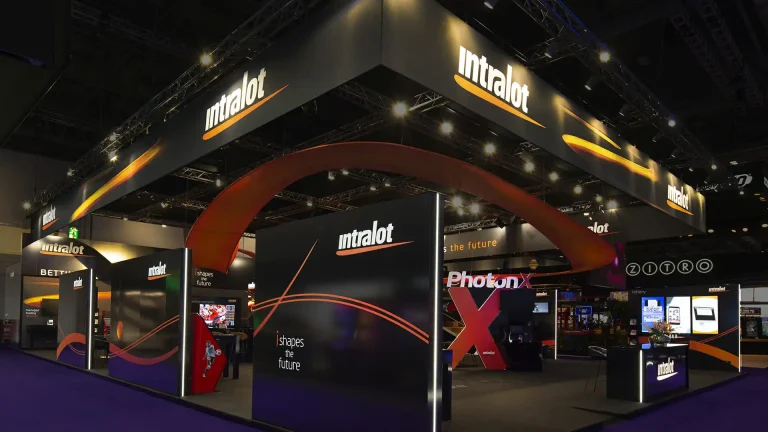
INTRALOT S.A. has annouced that its subsidiary INTRALOT New Zealand Ltd., has signed with the Department of Internal Affairs (DIA) of New Zealand a six-year contract extension from 2026 to 2032, with a one-year further extension option, for the provision of Electronic Monitoring System (EMS) solution for Class 4 (non-casino) electronic gaming machines.
At the same time, DIA has exercised its right to utilize the one-year extension option in the current EMS Service Agreement with INTRALOT New Zealand for the continued supply of the EMS, extending the agreement from 10 May 2025 to 10 May 2026.
EMS was introduced by INTRALOT in March 2007 to track and monitor gaming machine operations in Class 4 venues (pubs and clubs), ensuring the integrity of games and accurate financial reporting. Through the new contract extension, INTRALOT will continue the provision of its industry-proven EMS platform for DIA, as well as a series of significant upgrades to the current EMS platform that will enable a new range of advanced services and functionalities for the Class 4 gambling sector.
The new extension builds on a long-standing partnership of DIA with INTRALOT and demonstrates the company’s successful collaboration in implementing and operating the EMS platform in New Zealand to the highest industry standards. INTRALOT’s world-class platform and EMS services are fully aligned with IGSA (International Gaming Standards Association) and meet the most comprehensive regulatory requirements.
Furthermore, it should be noted that INTRALOT’s advanced services to DIA will continue to fully support the New Zealand Gambling Regulators’ responsible gaming requirements.
INTRALOT invests heavily in the development and delivery of state-of-the-art central monitoring systems for regulated markets. This new extension follows INTRALOT’s recent project with Nebraska’s Charitable Gaming Division (USA) to implement a real-time monitoring system set to launch soon, while the company’s system is already operational in Victoria (Australia), Georgia, and Ohio (USA).
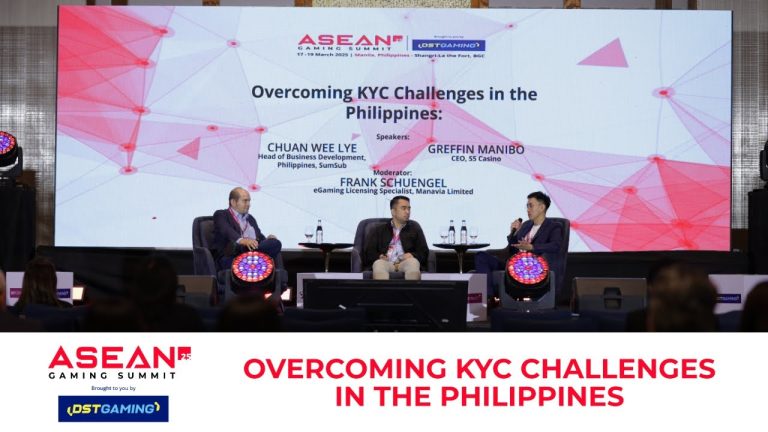
A top panel at the ASEAN Gaming Summit takes a particular focus on KYC in the Philippines, with Manavia Limited’s Frank Schuengel drawing out key insights from Sumsub’s Philippines Head of Business Development Chuan Wee Lye and S5 Casino CEO Greffin Manibo.
The panelists address the perceived challenges and evolution of KYC processes from both compliance and operational perspectives. Despite initial resistance from operators and players regarding the burdensome nature of KYC, there is a recognition that these practices are becoming more accepted due to technological advancements and increased awareness.
Operators have increasingly optimized KYC procedures to ensure regulatory compliance while maintaining an enjoyable user experience. The conversation also addresses how Filipino consumers generally respond to KYC requests, particularly regarding their comfort level with data sharing and identification processes.
Key insights include the balancing act required to ensure compliance without alienating users, the adoption of technology such as AI to refine KYC processes, the role of operators in impressing upon potential clients the value of robust KYC implementations, and the underlying importance of establishing trust between operators and users.
Panelists emphasize the potential of KYC data beyond simple verification, such as using it to monitor user activities for fraud prevention. The future landscape of KYC in the gaming industry appears to be shifting towards a greater reliance on technology, forcing operators to adapt to evolving regulatory environments and player expectations.
Highlights
KYC is often seen as a hurdle by both operators and players, but reassessing this perception is key.
Modern KYC processes have become streamlined due to growing consumer awareness and adoption of technology.
Compliance can coexist with operational efficiency, and optimized KYC procedures can enhance user onboarding experiences.
Operators need to adopt creative incentives to make KYC less of a barrier for users.
Effective KYC processes are essential for combating fraud, including issues like multi-accounting and bonus abuses.
AI tools can significantly aid in the KYC process and enhance fraud detection capabilities.
The industry is slowly moving towards a situation where technology could allow verification without traditional KYC documents.
Key Insights
Changing Perceptions of KYC: Whereas KYC was traditionally viewed with skepticism, both players and operators in the Philippines are beginning to recognize its necessity and advantages, facilitating a better user experience.
Technological Integration for Seamless KYC: Advances in technology, including AI, are streamlining KYC processes and making it easier for operators to collect and verify user information while maintaining compliance.
KYC as a Dual Tool for Growth: Beyond compliance, KYC data serves a strategic function for operators by enabling them to analyze customer behavior and monitor potential fraudulent activities, ultimately leading to better financial performance.
Balancing User Experience and Compliance: Operators must navigate the fine line of ensuring robust KYC practices while also keeping the onboarding process as effortless as possible for users. Creative incentives can elevate user engagement without sacrificing essential compliance measures.
Shift Away from Traditional Verification Methods: The future of KYC may see a transition away from conventional identification documents, using technology to verify identity in more efficient and less invasive manners.
Staying Ahead of Regulatory Changes: As regulations tighten, operators must be proactive in adopting compliance technologies that keep them ahead of the curve, thus ensuring they not only meet requirements but also set industry benchmarks.
Growing Significance of Player Privacy Concerns: Engaging with users who prioritize privacy, particularly in the rapidly changing cryptocurrency landscape, necessitates that operators develop trust through transparent and secure KYC processes.
The transition towards a more age-inclusive, technology-driven KYC landscape in the Philippine gaming industry highlights the industry’s adaptability and foresight in nurturing a responsible and compliant gaming environment as it continues to evolve. With the mounting reliance on data and innovative solutions, operators have the opportunity to redefine user experiences while meeting regulatory expectations effectively.
Platipus Gaming, a leading game provider for online casinos worldwide, is marking its 10th anniversary with an incredible €100,000 online tournament. The event is divided into four stages, each showcasing a unique theme and offering a €25,000 prize pool.
This championship is taking participants on a journey through Platipus’ most iconic themes – Egypt, China, the Caribbean, and Las Vegas – highlighting the Company’s rich gaming portfolio.
The 10th Anniversary Tournament started with an Egyptian theme, running from March 31 to April 7. Players will unveil the mysteries of the pharaohs with captivating games like Book of Egypt and Pharaoh’s Empire.
From April 9 to April 16 players can dive into the riches of the Orient with Platipus games such as Caishen’s Gifts and 9 Dragon Kings. The adventure then moves to the Caribbean part from April 21 to April 28, inviting the gamers to join a thrilling tropical treasure hunt with games like Pirate’s Legacy and Hook the Cash.
Finally, the tournament culminates with the Las Vegas concept from April 30 to May 7. Players can experience the electrifying excitement of Sin City with games such as Mission: Vegas and Urban Neon.
“Platipus is thrilled to partner with Softswiss to bring gamers this exclusive online championship, available for Softswiss clients online. The collaboration combines our expertise in gaming with our partner’s proficiency to deliver a unique gaming experience. We invite players to join this exciting tournament and compete for impressive rewards”, – said Maksym Kozlov, Head of Account Management.
The multiplier strategy is applied across all four tournament stages, allowing players to achieve the highest win-to-bet ratios. This strategy focuses on getting the highest return compared to the initial bet amount, rather than just racking up big winnings.
The 10th Anniversary Tournament rewards players who consistently achieve high multipliers throughout multiple rounds, as all multipliers accumulate to determine the final ranking. This dynamic approach promotes strategic play, where every successful spin can significantly boost a player’s total score. The larger the multiplier accumulated, the higher the ranking – making it a crucial tactic for those aiming for the top prizes.
Mastering the multiplier strategy is key for serious tournament players looking to excel beyond the rivals and win the largest rewards. This tool is about smart play, where every decision counts and can make a difference in reaching the top.
With a decade of innovation behind it, Platipus Gaming continues to elevate the gaming experience, offering players and operators an engaging, high-stakes competition that sets industry standards. This keeps it professional, highlights the developer’s growth, and appeals to both players and industry stakeholders.
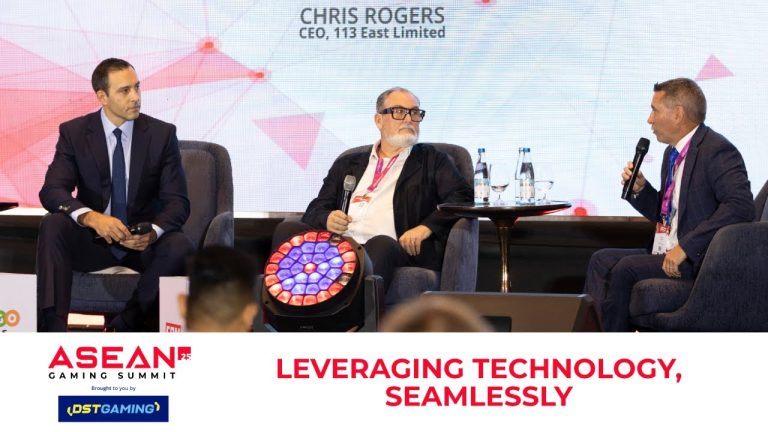
The use of cutting-edge technology for the gaming industry has become absolutely essential, not only in retaining a competitive edge, but improving in-house efficiency and assuring compliance. This top panel at the ASEAN Gaming Summit delves into the adoption of new technologies, with 113 East Limited CEO Chris Rogers moderating, accompanied by PremierChain CEO Nick Hill and The Kyprock Group’s Managing Partner Jonathan Pettemerides.
The speakers highlight how the adoption of new tech, including AI and blockchain, is transforming the way gambling operations are managed, emphasizing the importance of customer engagement and responsible gaming practices. Moreover, they discuss the challenges that come with integrating these technologies, including regulatory hurdles and the necessity for a data-driven approach to ensure successful implementation.
The conversation also delves into the importance of collaboration among technology providers for creating comprehensive solutions and the ongoing need for the gaming industry to cater to a younger, tech-savvy demographic through innovative services that enhance the overall gambling experience.
Highlights
Technological Convergence: The convergence of various technologies is transforming the gaming industry, enabling operators to create seamless customer experiences and embrace cashless solutions.
Fragmented Supply Chain: Modern operators must navigate a fragmented technology landscape, as no single supplier can deliver an all-encompassing solution, requiring collaboration among multiple vendors.
Focus on Customer Needs: Operators are advised to identify customer needs and preferences and work backwards in their technology strategy, inviting ongoing dialogue with end-users.
Player Protection: Technology must incorporate measures for responsible gaming and player protection, using algorithms to identify harmful behavior in real-time and engage with players proactively.
Multi-Channel Value: Multi-channel customers tend to contribute significantly more revenue, underlining the benefits of a cohesive online-offline customer strategy.
Regulatory Flexibility: Regions with more progressive regulatory environments, such as the Philippines, are seen as models for future growth, allowing for innovation without stifling potential.
The Importance of Data: Clean, organized data is essential for businesses transitioning from land-based to online operations, enabling the effective use of technology to enhance player experiences and interactions.
Key Insights
Adapting to New Technology is Essential: The discussion stresses that embracing new technologies, such as AI and blockchain, is fundamental for operators to optimize performance and meet customer demands. The gaming sector traditionally lags behind other industries in adopting technological innovations; thus, staying updated with cutting-edge solutions is crucial for maintaining competitiveness and enhancing operational efficiency.
Collaboration Over Competition: An important theme is that collaboration among technology suppliers has intensified, as individual providers often cannot meet all operational needs. This encourages a cooperative approach where different companies work together to create integrated solutions that can address multifaceted challenges in the gaming environment.
The Woeful State of Preparedness Regarding Regulation: As operators consider implementing new technologies, the conversation highlights an alarming gap between the fast-paced nature of tech development and the ability of regulators to keep up with changes. Operators need to be proactive in understanding and navigating regulatory landscapes while simultaneously pushing for more flexible regulations that allow for innovation.
The Push for Player Protection: Emphasis is placed on automating player protection measures through technology. Monitoring player behavior with algorithms can help identify issues before they escalate, signaling the need for responsible approaches to gaming that not only adhere to regulations but also foster a healthier gambling environment.
Data as the Central Commodity: The necessity for a robust data strategy is underscored, given the importance of data in driving customer engagement and tailoring experiences. Without clean and efficiently managed data, operators will struggle to adopt innovative solutions that enhance customer service and operational efficiency.
Future-Proofing Operators: The urgency to future-proof business models is apparent, especially as competition intensifies. Operators are encouraged to integrate new technologies into their cores, such as adopting cashless transaction methods and creating engaging customer experiences, to retain relevancy in an ever-evolving market.
A Need for Younger Demographics: The conversation reveals a collective industry concern about attracting younger players, emphasizing the necessity for innovation to capture the interest of a generation that is more accustomed to digital interaction and immersive customer experiences than traditional gaming methods. By integrating technology into their services, operators can create enticing environments for younger audiences, paralleling the social experiences that modern consumers seek.
The discussion encapsulates a dynamic era marked by rapid technological evolution in the gaming industry. Achieving the right balance between technology, customer engagement, regulatory compliance, and player protection will dictate the success of gaming operators as they navigate the challenges of this competitive landscape. The call for collaboration among vendors and operators to adapt successfully to these changes underscores a structural shift in the industry’s approach to modernization and customer service.
The Star Entertainment Group has entered into a AU$300 million ($180.8 million) investment agreement with Bally’s Corporation, marking a strategic move to bolster its faltering financial position.
The investment will be executed through multi-tranche convertible notes and subordinated debt instruments, pending regulatory and shareholder approvals.
A previous AU$940 million ($593 million) refinancing plan with Salter Brothers Capital (SBC) collapsed last week, leaving the Bally’s proposal as one of The Star’s last options.
The funding will be provided in two tranches. Tranche 1, valued at AU$100 million ($60.4 million), is expected by April 9th, 2025, contingent on approvals from The Star’s senior lenders.
Tranche 2, worth AU$200 million ($120.8 million), requires shareholder approval and regulatory clearances, with payments structured based on the timing of approvals. If these approvals are delayed, payments may extend to October 7th, 2025.
The securities offered include convertible notes and subordinated debt. The first tranche comprises Tranche 1A notes, convertible into 9.71 percent of The Star’s pre-issue capital, and Tranche 1B notes, representing 4.85 percent.
Additionally, AU$66.6 million ($40.2 million) in subordinated debt is included, with potential adjustments if regulatory approvals are delayed. Once both tranches are combined, Bally’s will have the option to convert its investment into 56.7 percent of the company’s fully diluted shares.
The notes carry a 9 percent annual interest rate, payable quarterly in cash or kind, and the conversion price is set at 8 cents per share, subject to standard adjustments. The first tranche does not require shareholder approval, as it falls within The Star’s existing placement capacity.
However, Tranche 2 must be approved by shareholders, along with regulatory clearance from Australia’s Foreign Investment Review Board and state authorities.
Potential changes to investment structure
The Star is also in discussions with Investment Holdings Pty Ltd, controlled by the Mathieson family, for a possible AU$100 million ($60.4 million) subscription. If confirmed, Bally’s investment would be reduced to $200 million ($120.8 million).
The Star’s Board said it ‘unanimously supports’ the transaction, pending an independent expert’s confirmation that the deal is in the best interest of shareholders.
A formal information booklet, including recommendations and expert analysis, will be submitted to the nation’s financial regulator ASIC and distributed to investors in May 2025, ahead of a shareholder vote in June 2025.
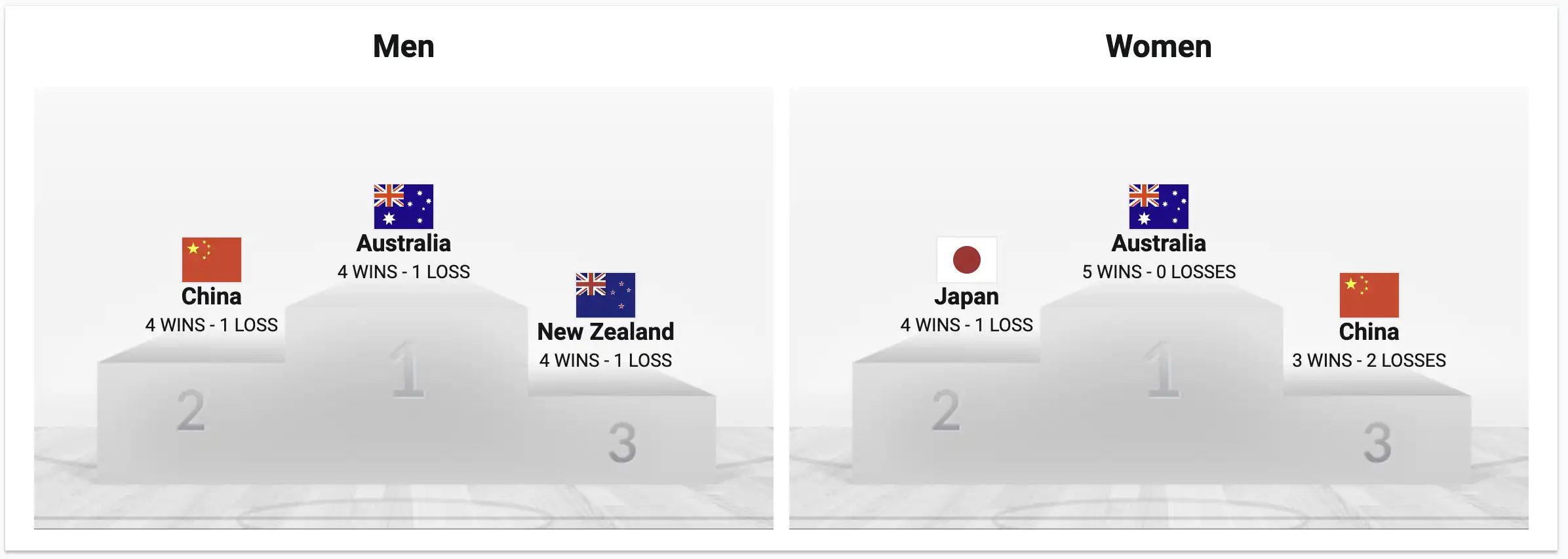
Staying true to tradition, the tournament organizers selected Singapore to host the FIBA 3×3 Asia Cup for the fourth consecutive time. Over five days, 25 men’s and 23 women’s teams battled for top honors and the title of the strongest national team across two categories.
There were no sensations in the fight for gold medals, and the reigning champions confirmed their status as favorites. The Australia women’s team defeated Japan in the final with a 21-17 score. From the first seconds of the match, the players from Down Under took the initiative thanks to the bright play of Marena Whittle and Alex Wilson.
Near the middle of the game, the Japanese managed to restore parity, but it wasn’t enough. At the decisive moment, Anneli Maley had her say: her accurate shots helped the Australia team win the Asian Cup for the third time in a row and strengthen their status as the best team in the history of the tournament: they already have 5 titles.
The Australian Men’s National Team gave the fans a thriller as they defeated China 21-19 in the final. It was a spectacular duel between Alex Higgins-Tisha and Hanyu Gyo – the leaders of both teams scored 11 points each. The intrigue remained until the last seconds of the match, but at the very end the Chinese fouled, and 2 free throws brought the Australians victory. The Australia men’s team became five-time FIBA Asia Cup winners.
China has taken a big step forward
Before the start of the tournament, 1xBet experts called the Chinese men’s and women’s teams serious contenders for prizes. The girls lost to Australia in the semi-finals, but in the match for third place they defeated the Philippines (21-11) and won bronze.
The China men’s team exceeded expectations by finishing in second place and putting up a fight against the Australia national team. The silver medals are the best result for China in the history of the FIBA Asia Cup.
A pleasant surprise from Japan
The Japan women’s team became one of the main discoveries of the tournament, and for the first time in its history made it to the FIBA Asia Cup final. The girls from the Land of the Rising Sun managed to beat their more experienced opponents from New Zealand, who had won silver at the previous two tournaments.
The Japan men’s team also showed a decent result and managed to reach the semi-finals for the first time since 2018. In the bronze final, they lost to New Zealand (18-21). Japan finished in the top 4 in both categories, which is a great success for the country.
Mongolia’s prospects and the Philippines’ breakthrough
There’s a surge of interest in 3×3 basketball in Mongolia, so many experts predicted that the men’s and women’s national teams would reach the semi-finals. However, both teams got eliminated in the quarter-finals, reaching only the top 5.
The Philippines women’s national team participated in the FIBA 3×3 Asia Cup for the 3rd time in its history and managed to make it to the semi-finals for the first time, becoming the main sensation of the tournament.
The hosts of the tournament still cannot compete with the best teams in Asia. The Singapore men’s team finished in 7th place, while the women’s team finished in 11th place.
Format of the tournament
The FIBA 3×3 Asia Cup 2025 among men and women was held according to the same formula and consisted of the qualifying draw, preliminary round and knockout stage. The winners of the 4 qualifying groups made it to the preliminary round, where 8 seeded teams were waiting for them. All national teams were divided into 4 groups of 3 teams each.
2 best teams of each trio qualified for the knockout stage, which started with the quarter-finals, followed by the semi-finals, and then the third-place match and the final.
The FIBA 3×3 Asia Cup was held for the first time with the support of global betting company 1xBet. The Singapore duo of the FIBA and 1xBet was formed under the slogan “Cut the net”, which became a new stage in the history of the prestigious tournament.
The fans highly appreciated the mix of thrill, action, emotion and excitement. Spectacular slam dunks and radio-controlled long throws drew applause from the stands, while the participants of the 1xPartners affiliate program received generous commissions.
Resorts World Sentosa (RWS) is set to introduce The Laurus, Singapore’s first property under Marriott International’s The Luxury Collection brand. The resort is scheduled to open in the third quarter of 2025.
The Luxury Collection sits alongside Marriott’s premium brands such as The Ritz-Carlton, St. Regis, and JW Marriott, and focuses on delivering exceptional hospitality coupled with cultural immersion and historical context.
According to The Straits Times, The Laurus—which replaces the former Hard Rock Hotel—will feature 183 suites. Deluxe and premier accommodations will start at 72 square meters, with nightly rates beginning at SG$1,200 ($891).
Interior design is being handled by Bangkok-based firm P49 Deesign, known for its work on JW Marriott Hangzhou, W Hotel Samui, and Six Senses Laamu in the Maldives. The five-story property will include courtyard areas, event spaces, an outdoor pool, spa facilities, and a new all-day dining restaurant.
Tan Hee Teck, Chief Executive of RWS, stated “The Laurus embodies the very essence of our ongoing pivot to offer curated destination experiences as part of RWS’ transformational expansion plans.”
In November 2024, Genting Singapore launched a SG$6.8 billion ($5 billion) expansion project aimed at enhancing RWS’s offerings amid growing global tourism competition. Known as the “RWS 2.0” initiative, the project has already introduced the interactive Harry Potter: Visions of Magic experience (November 2024) and the Minion Land attraction at Universal Studios Singapore (February 2025).
The Singapore Oceanarium, which will replace the S.E.A. Aquarium and triple its space, is expected to open in the first half of 2025.
A waterfront lifestyle complex, currently under development and slated for completion by 2030, will further expand RWS. The development includes two additional luxury hotels providing 700 rooms, complementing the six existing properties: Crockfords Tower, Equarius Hotel, Equarius Villas, Hotel Michael, Hotel Ora, and The Laurus.
The expanded precinct will also feature an 88-meter light installation, an elevated walking path offering views of Sentosa and the Greater Southern Waterfront, and a promenade with retail, dining, and entertainment venues.