
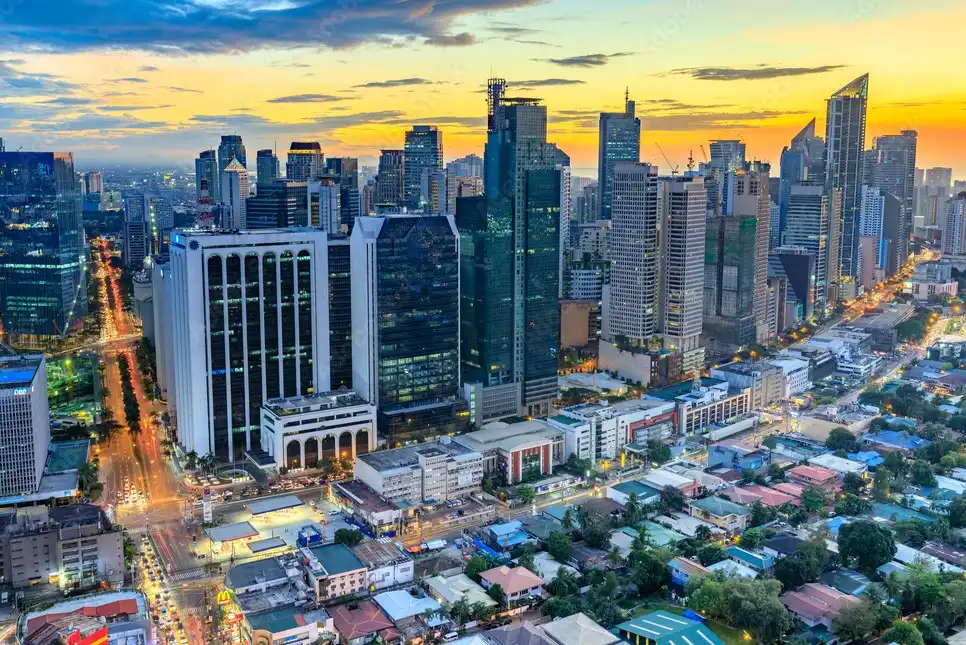
The Philippines is widely regarded as the most open gaming market within Asia. Its stance towards iGaming has promoted a flourishing industry, with top executives pointing out the key advantages in a unique roundtable session examining how the sector can continue to grow.
Gateway to Asia

Dmitry Starostenkov, CEO at Evenbet Gaming, hits the nail on the head when he notes that “The Philippines has become a gateway to the Southeast Asian online market, being the only regulated jurisdiction for iGaming in the region”. This has positioned the country for “enormous undiscovered potential” and the chance to attract “numerous companies and startups that are not yet known to global players.”
Events, such as the ASEAN Gaming Summit and SiGMA Asia have also positioned operators favorably to engage with their clients in open dialogue to promote growth.
“These factors, vast potential and relative closedness, are already enough to create hype around the Philippines iGaming agenda. If we add the economic situation that is slightly better than average in Southeast Asia, fast technological advancement, and mild licensing conditions, we might say that the country is progressively becoming a prominent iGaming hub,” notes the CEO.
Radka Bacheva, Head of Sales and Business Development at Wazdan, furthers the point, lauding the Philippines for “Its open stance towards foreign investment and ongoing efforts to refine gambling regulations and create a stable and secure environment for operators and players.”
Changing regulations
The sector is also benefiting from strong support by the nation’s gaming regulator, PAGCOR, which noted that the eGaming sector is its primary growth focus, even despite some controversy and pushback from key politicians.
A recent highlight for operators was the reduction in taxation rates for iGaming companies, down to just 35 percent of gross gaming revenue (GGR), in a move to compete with regional markets.

Speaking of the change, Cora Chen, COO at Dot Connections, notes: “This change is definitely appealing to operators in the grey markets, offering a solution to regulate their business through proper channels. It will undoubtedly create more opportunities for foreign operators by providing a clearer path to enter the market.
One of the biggest challenges in the past was the lack of a proper entry method and the high costs associated with breaking even due to the higher remittance rate. As always with regulations, further changes may still come, but for now the market looks promising and welcoming to non-domicile operators.”
Evenbet’s CEO doubles down on the possibilities, noting that “There are no actual regional competitors. The closest jurisdiction trying to regulate the online gaming industry is India, and the situation in this country is drastic due to the latest GST (VAT analogue) changes that hit painfully the most developed verticals of fantasy sports, card games, and betting.”
“Being the only market legally open for offshore companies to work in, PAGCOR must create beneficial conditions for global players to start operations in the Philippines.”
Dmitry Starostenkov
What are the trends?

Radka Bacheva, Head of Sales and Business Development at Wazdan, indicates why exactly operators are choosing the Philippines as a base, despite the increasing competition as more companies flood in.
“Wazdan’s insight into the evolving trends shaping the Filipino market allows it to focus on thriving areas, particularly the growing demand for innovative online casino games and jackpot slots,” notes Bacheva.
“Wazdan is poised to become a leading force in this dynamic and rapidly growing market by aligning with the Philippines’ key trends and regulatory landscape,” furthers the executive.
Evenbet Gaming’s CEO gives some insight into player trends, amongst the growing environment: “The most intriguing player-centric trend here is the immense interest in local games, often unknown to outsiders. When we spoke to our potential customers in the Philippines and mentioned some of the local card games that are possible to create on our platform, a surge of interest followed immediately.
The local games are sometimes hard to monetize and earn with, but they can work incredibly well for player acquisition.”
But some issues remain, indicates Starostenkov, which could largely be overcome with crypto.
“The next big trend naturally follows regulation issues and payment processing difficulties: the agent and affiliate-based models to work with players are common. Most agents and agent networks are local and often have a physical presence in the market to process the cash flow. Because of that, using cryptocurrencies in iGaming is also a big thing in the Philippines and Asia in general, and I expect crypto gaming to grow here in the next few years.”
Dot Connection’s Cora Chen weighs in, noting that “The increased presence of iGaming events in the region, such as ASEAN Gaming Summit and SiGMA, is appealing to regulated Western content providers looking to showcase their games. In addition to traditional slot games, more niche genres are gaining attention.
“Live casino games have already made a significant impact in the Philippines and with the lower remittance rate, more live dealer providers are likely to enter the market.”
Cora Chen
The executive also indicates a higher appeal for “instant win games”, engaging local punters.
“For promotions, local operators are leading the way in utilizing social media and influencer marketing to attract a new breed of potential players”.
Overall, the Philippines continues to offer a promising iGaming landscape, with further hopes for growth, attractive conditions, and regulatory support.
“The Philippines offers excellent scope in its dynamic market for providers who have invested in due diligence and can deliver the right content that reflects an understanding of the conditions and preferences of the player base.”
Radka Bacheva