



The Isle of Man government has formally rated its gambling sector as “medium-high” risk for money laundering, underscoring the continued regulatory pressure facing one of the jurisdiction’s most important (and controversial) industries.
In its newly published standalone National Risk Assessment (NRA) for gambling, released on February 24th, authorities concluded that the overall sector presents a medium-high money laundering (ML) risk, driven largely by the scale, cross-border exposure and structural complexity of online gambling operations
The report marks the island’s first standalone gambling sector ML risk assessment, building on the broader 2020 national assessment and subsequent financial crime strategy updates. Online gambling, which accounts for the bulk of the island’s licensees and economic contribution, was rated medium-high risk. Terrestrial gambling – limited to one land-based casino and a small number of bookmakers – was rated medium-low.
Despite considerable contraction in recent years, gambling remains a pillar of the Isle of Man economy. According to the report, the sector contributed 14.2 percent of national income in 2024, making it the largest non-financial services sector on the island. However, authorities acknowledge the sector has shrunk since 2020, following a period of reputational challenges, enhanced supervisory interventions and the departure of a number of licensees.
Reputational defense
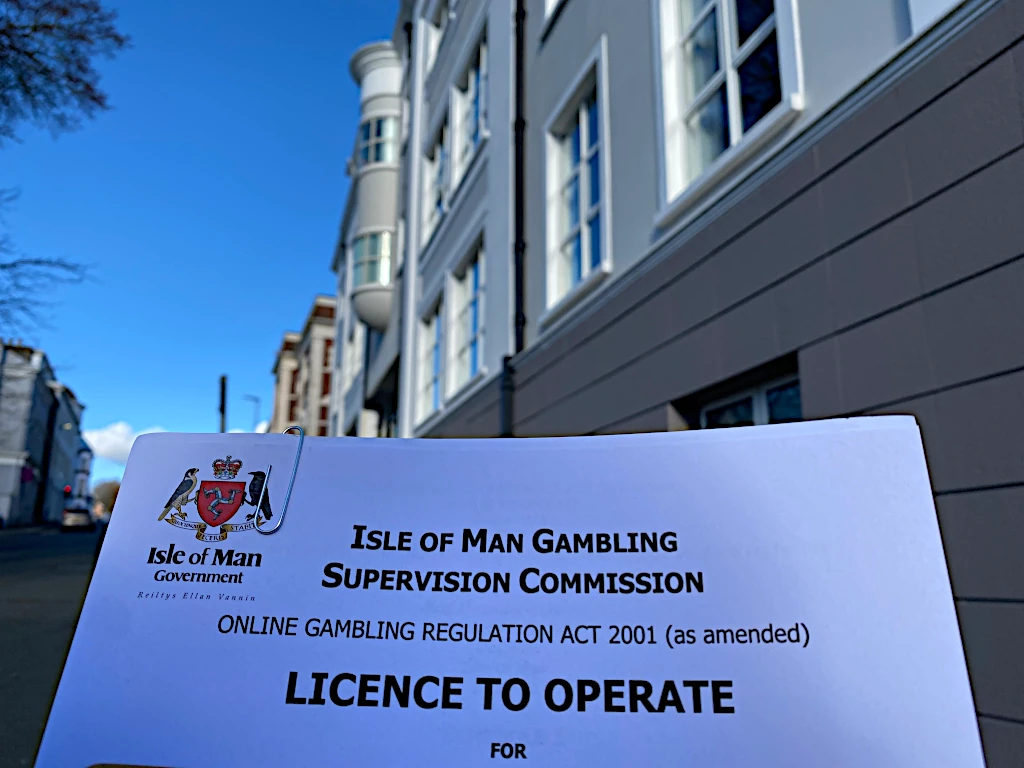
Over the past several years, the Isle of Man Gambling Supervision Commission (GSC) has revoked or seen the surrender of multiple licenses amid heightened scrutiny of business models, corporate structures and links to higher-risk jurisdictions. In particular, global investigations and UN reports highlighting the convergence of organized crime, scam compounds and online gambling platforms in parts of East and Southeast Asia have cast a spotlight on cross-border gambling hubs, including offshore licensing centers.
While the Isle of Man has consistently defended its regulatory standards, the island has not been immune to the broader global tightening of expectations around AML/CFT in online gambling. The new NRA identifies several core threats. Among the most significant are the risks of criminal ownership or control of gambling businesses, infiltration through complex corporate structures, and the misuse of business-to-business (B2B) arrangements – particularly in software supply and network services.
Authorities specifically highlight the increasing use of “turnkey” or white-label solutions that allow rapid establishment of gambling operations with pre-packaged licensing, payment integration and compliance functions. While legitimate in many cases, such structures may also be exploited by criminal actors seeking to layer and legitimize illicit proceeds.
The report notes that organized crime groups, including those from East and Southeast Asia, have exploited online gambling environments for money laundering, cyber-enabled fraud and other transnational crimes. The inherent characteristics of online gambling – high transaction volumes, multi-currency flows, remote onboarding and exposure to virtual assets – amplify these risks. Criminal typologies cited include the use of false or synthetic identities, mule networks, and automated laundering mechanisms.
Land-based gambling, by contrast, remains primarily domestic and cash-based. Although rated lower risk overall, traditional vulnerabilities persist, including the placement and rapid withdrawal of cash through casino instruments. The island has only one small land based casino in the capital city of Douglas, which limits the risk attached to this segment in the jurisdiction.
Software suppliers
A distinctive feature of the Isle of Man ecosystem is its sizable software supply segment. The report notes that most declared profit among license holders originates from software suppliers, some of which fall outside the scope of international AML/CFT standards.
While the GSC introduced an elective licensing regime for software suppliers in 2019, a substantial non-regulated segment remains outside mandatory AML supervision.
The NRA acknowledges that opaque ownership chains, cross-border invoicing and concentration risk in B2B relationships present material vulnerabilities. Authorities have committed to enhancing oversight in this area and improving their understanding of the non-licensed software sector.
Suspicious Activity Reports
The report also addresses suspicious activity reporting (SAR) trends. Although SAR quality is described as high, volumes from licensed operators are considered low relative to the sector’s size and risk profile. Officials note that some B2B operators may naturally report fewer SARs due to lack of direct customer relationships. Nonetheless, the GSC has indicated it will continue thematic reviews and targeted inspections to ensure reporting remains proportionate and effective.
Enhancing oversight

The Isle of Man emphasizes that it maintains a robust legal and supervisory framework, holding positive ratings under MONEYVAL assessments and implementing legislative upgrades following its 2018 mutual evaluation. Since then, the GSC has strengthened sanctioning powers, enhanced inspection capabilities and established a dedicated AML/CFT division. Further legislative amendments are planned to harmonize supervisory powers and align with evolving international standards.
A GSC inspector is currently co-chairing a Financial Action Task Force (FATF) working group examining gaming and gambling business models globally, signaling the island’s desire to remain engaged in shaping international AML policy.
The Isle of Man is still recovering from the setbacks it experienced and the contraction of its vital eGaming industry that followed in the wake of the King Gaming scandal. The island is also heading towards its next MONEYVAL assessment later this year with a nervous confidence that can be clearly felt across the hallways of government. It has caused a flurry of activity on the one hand, clearly done in an attempt to be seen to be doing something, while at the same time almost paralyzing other areas where reforms would still be beneficial.
With a general election looming in September and adding to the complexity, this well-known crown dependency with its long eGaming history is currently trying to set a solid course in a sea of unpredictability. Having lost almost half of its licensees from its heyday, the island needs to regroup and re-strategize, as its semi-independent nature step and low tax environment still have a lot to offer to the industry. A realistic ML risk assessment is a good step towards that.