

Indonesia’s Social Affairs Ministry (Kementerian Sosial, or Kemensos) has suspended staple-food assistance to 1,494,652 beneficiary households after a data-matching exercise with the country’s financial intelligence unit flagged them for suspected online gambling transactions, Social Affairs Minister Saifullah Yusuf said at a press conference in Jakarta on Wednesday.
The suspended households are recipients of the Program Sembako food-assistance scheme (also known as BPNT, or non-cash food aid), and the flagged transactions relate to the second-quarter 2026 disbursement cycle. Their third-quarter payments have been withheld pending verification. Saifullah, widely known as Gus Ipul, said the figure was drawn from data supplied by the Financial Transaction Reports and Analysis Center (PPATK), Indonesia’s anti-money-laundering agency.
The minister said a separate 794,475 households under the Program Keluarga Harapan (PKH), or Family Hope Program (a conditional cash-transfer scheme) had also been suspended over suspected online gambling activity. Some outlets have reported the PKH figure as a subset of the 1.49 million Sembako households rather than an additional group. The ministry has not published a consolidated, deduplicated total, and the overlap between the two programs remains unclear pending its review.
The second-quarter total marks a sharp increase from the roughly 600,000 households flagged in the equivalent 2025 exercise, a rise of more than double, according to the minister. Gus Ipul said he was concerned by the jump, noting that social assistance is intended to help low-income families meet basic needs rather than to fund illegal gambling. He acknowledged the flagged accounts could reflect deliberate use, unwitting involvement, or accounts controlled by third parties, and said the ministry would investigate before taking action.
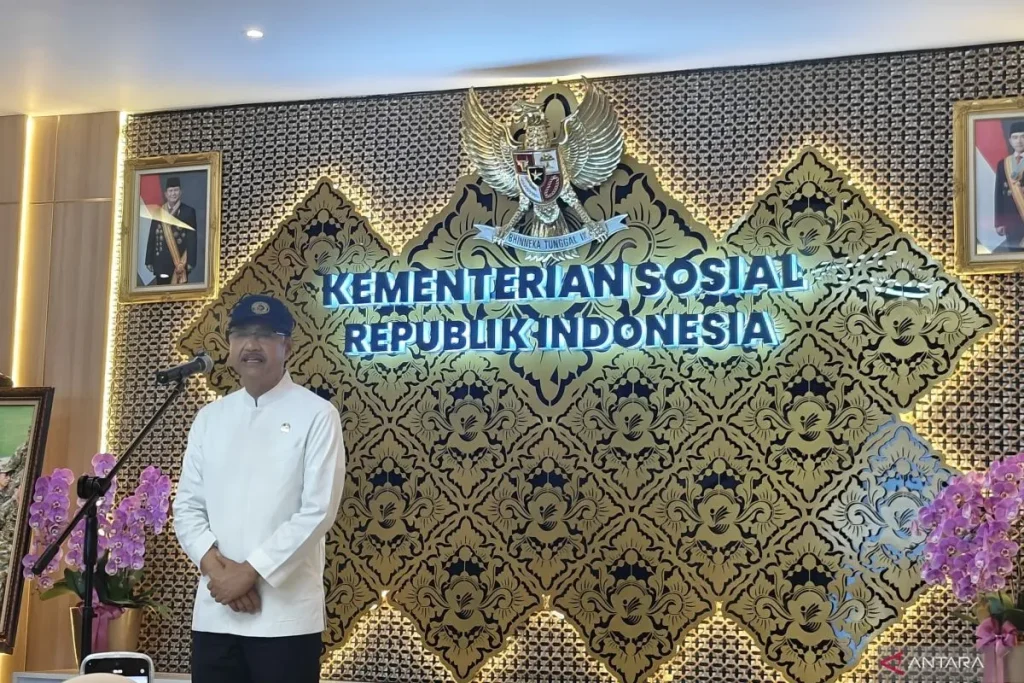
Kemensos is conducting the review jointly with PPATK, the Ministry of Communications and Digital Affairs (Komdigi), and regional governments, with results targeted for the following week. The process is tied to the ongoing update of Indonesia’s National Socio-Economic Single Data (DTSEN), the unified beneficiary database the government is using to tighten targeting of social spending. The minister indicated that households found to have deliberately or repeatedly used aid funds for gambling would have their benefits permanently reallocated to other eligible recipients.
For context on Indonesia’s third-quarter social-assistance rollout, the ministry is disbursing PKH benefits to around 7 million households and Sembako aid to around 12 million households, meaning the suspended Sembako group represents roughly one in eight recipients of that program.
The suspensions land against a backdrop of persistent online gambling activity that Indonesian authorities have struggled to contain despite a nationwide ban. PPATK reported that online gambling turnover reached IDR86.82 trillion ($5.3 billion) across 467.32 million transactions in the first half of 2026, down roughly 12.9 percent in value from the same period a year earlier, but with transaction volume surging around 167 percent as operators shifted to more frequent, smaller-value deposits to evade detection.
PPATK head Ivan Yustiavandana separately flagged more than 6 million gambling-related transactions tied to World Cup betting in a single month, warning that gambling networks were quick to exploit heightened public attention around the tournament.
The agency has also documented a migration toward QRIS, Indonesia’s standardized digital-payment QR system, as the dominant deposit channel for online gambling, a shift that has complicated enforcement by routing illicit flows through legitimate rupiah-based payment infrastructure.