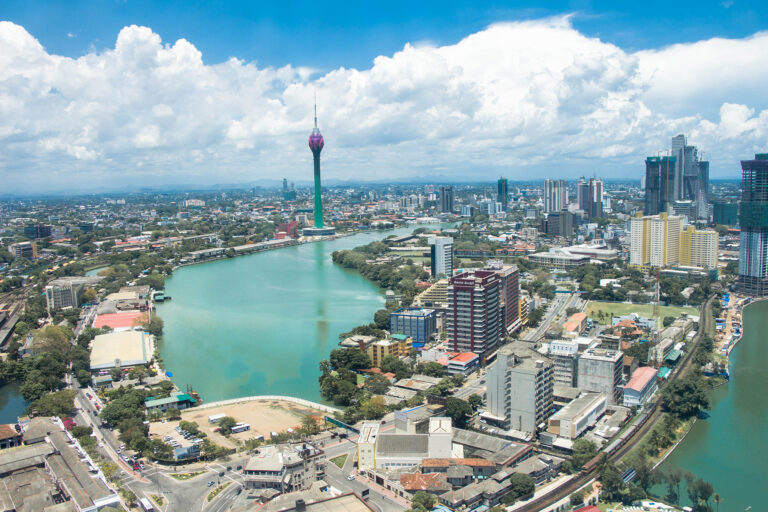

Former Philippine offshore gaming operators (POGOs) and their workers are reportedly relocating operations to Sri Lanka, with Colombo’s Port City Special Economic Zone emerging as a potential base for online gaming businesses targeting overseas markets.
An investigation by MonetaBrief, published by Sri Lankan newspaper The Island on Sunday, said some of the largest online gaming syndicates now operating in Sri Lanka appear to be former Philippine Offshore Gaming Operators (POGOs), whose operations were shut down following the Philippines’ ban on the sector.
The report said recruiters are targeting former gaming workers from the Philippines and other Asian markets, with advertisements promoting Sri Lanka, particularly the Port City Special Economic Zone, as a more stable location for the online gaming industry.
Thousands of workers from China, the Philippines, Vietnam and Cambodia have reportedly moved to Sri Lanka, including some without valid work permits, to work for operations targeting markets where online gambling is restricted or prohibited, according to the investigation.
MonetaBrief also reported that larger online gaming groups appear to be operating either within the Port City ecosystem or through Board of Investment-approved business process outsourcing (BPO) companies.
Some Sri Lankan BPO and IT companies are reportedly assisting operators with establishing businesses and obtaining residence visas and work permits. The report identified high-rise buildings in Colombo’s Fort, Town Hall and Havelock City areas as online gaming hubs.
Deputy Minister for Digital Economy Eranga Weeraratne told MonetaBrief that Sri Lanka’s planned gambling regulations would apply across the country, including Port City. He said the government and relevant law enforcement agencies were discussing the issue of online gaming and were developing cooperation with countries including Thailand and Cambodia.
The investigation also identified KJC and P3Bet as large online gaming networks allegedly operating from Sri Lanka and targeting Vietnam. It said King Group, which was targeted during a Vietnamese cybercrime crackdown in July, had also recruited workers for operations in Sri Lanka.
AGB previously reported in May that illegal online gambling and scam networks were moving into Sri Lanka following enforcement pressure elsewhere in Asia. More than 1,000 foreign nationals, primarily from China, Vietnam and India, had been arrested for cybercrime-related activities in the country since the beginning of 2026.
China and Sri Lanka subsequently stepped up cooperation against cross-border online gambling and telecom fraud, with Chinese authorities attributing the movement of such networks to intensified enforcement in East and Southeast Asia.
Sri Lanka is meanwhile developing its new gambling regulatory framework. The Gambling Regulatory Authority Act came into force on December 1st, 2025, covering both land-based and digital gambling, although implementing regulations have faced delays.