
The Premier League has kicked off its 2026-27 season with no betting logo on the front of any club’s matchday shirt for the first time in more than two decades.
This marks the end of an era in which a cluster of Asia-facing gambling brands – several of them all but unknown in the markets where they actually take bets – paid a premium to appear on some of the most-watched jerseys in world sport.
Key Takeaways
£80 million sponsorship gap
The change is costing the clubs dearly.
According to reporting in the Guardian, the collective loss of shirt-sponsorship income across the league could reach £80 million ($108 million) this season, with one club executive describing a market in which offers outside the “big six” had halved. Three clubs – Chelsea, Sunderland and Nottingham Forest – began the campaign with no front-of-shirt sponsor at all.
Rise of Asia-facing betting brands
Mr Vegas signs front-of-shirt partnership with Reading FC to drive growth and fan engagement
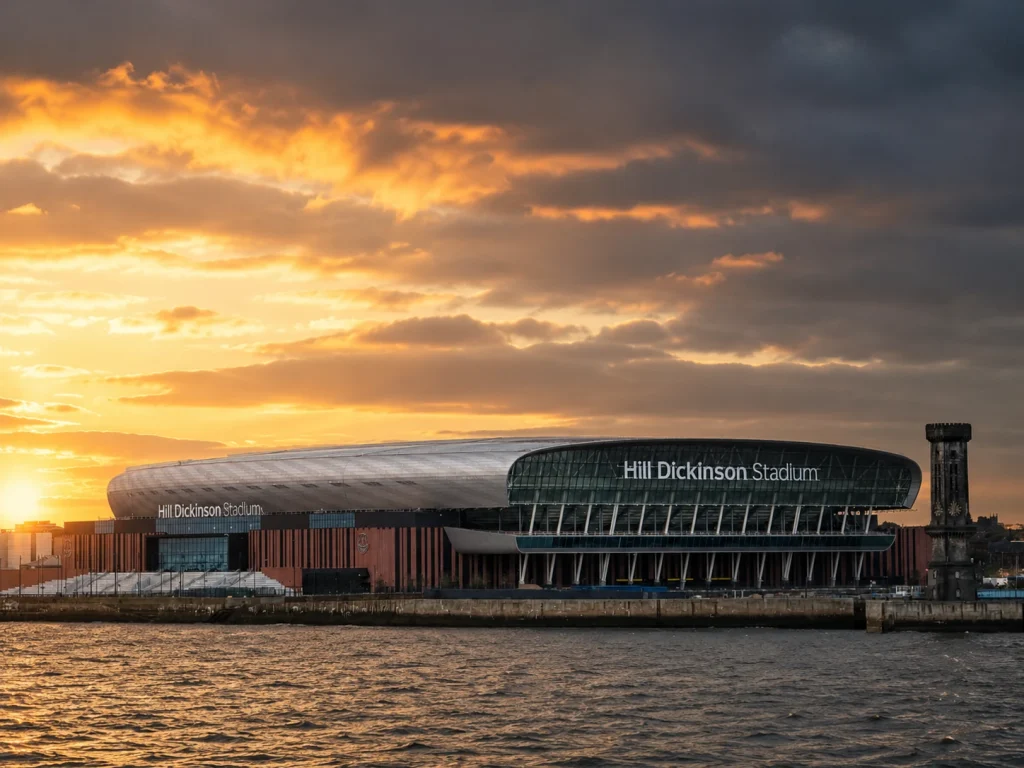
Ten of the 20 top-flight clubs carried a gambling company on the front of their shirts in 2025-26. The names read like a directory of the offshore Asian market: Bournemouth wore BJ88, Crystal Palace carried the Vietnamese brand NET88, Wolverhampton Wanderers ran DEBET, Fulham had SBOTOP, Burnley wore 96.com, Sunderland carried W88, and Nottingham Forest displayed Bally’s. Everton retained the crypto casino Stake.com, and West Ham carried BoyleSports.
Many of these brands were, in effect, invisible to the very UK audience watching them each weekend, by design. Their sites are geo-blocked in Great Britain, their business is in Asia, where their legal status ranges from lightly regulated to outright illegal.
As the Mirror bluntly put it, obscure gambling firms had become part of the furniture of elite football, willing to pay millions for exposure in markets where betting is banned, often offering clubs double what non-gambling sponsors would pay while asking for less in return.
Football as a global credibility engine
The Premier League shirt was never a tool to acquire British customers. It was a credibility engine for Asian markets, where “sponsor of a Premier League club” carries marketing weight no direct campaign can buy.
Wider betting ecosystem
The pattern ran deeper than the shirt front.
Clubs without betting firms as primary sponsors often maintained deals with “official Asian betting partners” whose logos appeared on overseas broadcast feeds, stadium LED boards and digital assets. Aston Villa partnered with Nova88, Chelsea with 8XBet and Newcastle United with Fun88, among others.
These arrangements were specifically designed to target international audiences while keeping domestic-facing club assets relatively free from gambling promotion.
TGP Europe collapse
Underpinning much of this was one Isle of Man intermediary. TGP Europe held a UK Gambling Commission license and rented that regulatory cover to a portfolio of Asia-facing brands through white-label arrangements, letting operators with no UK license of their own appear as legitimate sponsors.
That structure unraveled in May 2025, when the Gambling Commission imposed a £3.3 million ($4.5 million) penalty on TGP Europe over failures to vet business partners and breaches of anti-money laundering rules. Rather than accept the demanded changes, TGP surrendered its license and left the British market, stranding as many as 29 white-label brands – and the clubs carrying them – suddenly unlicensed in Great Britain.
Regulatory pressure
The Commission warned Bournemouth, Fulham, Newcastle, Wolves and Burnley that they risked prosecution if they kept promoting operators transacting with British consumers. A 2025 investigation by the football magazine Josimar found reporters could reach NET88, DEBET and BJ88 from the UK with nothing more than a VPN.
The confirmed 2026-27 roster shows what replaced the betting money, and at what discount. Finance and banking became the dominant sector: Everton signed CMC Markets, Coventry took Monzo, and Fulham landed the technology firm ClickHouse.
Bournemouth moved its stadium sponsor Vitality onto the shirt in what the Guardian described as a cut-price deal, worth £4-5 million ($5.3 – $6.7 million) a year against the far larger sums BJ88 had paid. Brentford promoted its training-kit partner Indeed. Aston Villa took Visit Rwanda, Crystal Palace signed the software platform Temporal, and Newcastle went to the sports-drink brand Knox.
Sean Connell, editor of sponsorship publication The Sponsor, told the Mirror that clubs faced the most competitive and difficult sponsorship environment in Premier League history, with an unusually high number of teams – 11 – chasing sponsors in a single summer while the pool of willing brands was already shrinking.
The result, in his words, was commercial teams doing more work for less reward. Chelsea, holding out for a reported £65 million ($87.5 million) a season, began yet another campaign with a blank shirt, as it has done repeatedly since its deal with Three ended in 2023.
What the Premier League ban actually covers
The ban now in force is the Premier League’s own voluntary rule, agreed in April 2023, and it is deliberately narrow: gambling brands remain allowed on shirt sleeves, training kit, stadium hoardings and as official partners. Everton and West Ham have simply shifted Stake and BoyleSports to the sleeve. Betano took Aston Villa’s sleeve and Tottenham’s training wear.
Broader intervention is moving through Westminster
On 23 February 2026 the government opened a consultation on barring unlicensed gambling operators from sponsoring British sports teams anywhere – not just the shirt front – which would close the LED-hoarding and “Asian betting partner” route entirely, leaving only Gambling Commission-licensed firms able to sponsor a UK club.
Ministers framed the TGP episode as evidence of a legislative gap and linked the move to a new Illegal Gambling Taskforce targeting black-market operators, payment flows and social-media advertising.
Betting sponsorship is not leaving English football
Notably, the exit is not league-wide across English football. The EFL has not banned gambling sponsorship and holds a title-sponsorship deal with Sky Bet across all three divisions until 2029, meaning betting brands squeezed out of the Premier League’s shirt fronts have an obvious destination one tier down.
New era for football sponsorship
For the operators, the loss is strategic more than commercial. Premier League shirt deals were never justified by UK revenue; they were a legitimacy machine for markets thousands of miles away, where a logo on a Premier League chest bought a respectability that was especially valuable to operators working where they are unlicensed or illegal, and where consumer trust is the scarcest asset.
That machine has now been switched off at its most visible point, with the remaining channels facing closure if the government proceeds. The likely result is a migration of offshore spend toward the avenues still open – sleeves, training kit, EFL shirt fronts, regional broadcast and digital – rather than a retreat from football altogether. But the symbolic shift is real.
The Premier League was the last of Europe’s major leagues to permit front-of-shirt gambling branding at this scale, and its departure removes the single most prestigious piece of real estate the Asian gambling industry had secured anywhere in Western sport.