
Australia’s Star Entertainment Group narrowed its statutory net loss to AU$307.3 million ($220 million) in the financial year ended June 30th, from AU$427.9 million ($307 million) a year earlier, although the casino operator warned that significant uncertainty remained over its ability to continue as a going concern.
The group recorded a normalized EBITDA loss of AU$16.1 million ($11.5 million), improving from a loss of AU$76.2 million ($54.5 million) in FY25. Its normalized loss after tax was largely unchanged at AU$158.9 million ($113.8 million), compared with AU$161.5 million ($115.7 million) previously.
“We see the clear progress that we are making in effecting the operational turnaround at The Star and are confident that we have begun the process of recovery,” Group Chief Financial Officer and Interim Group Chief Risk Officer Charles Diao said.
Normalized group revenue fell 2.2 percent to AU$1.10 billion ($788 million), primarily due to continued weakness in table games at The Star Sydney.
Group gaming revenue decreased by 5.3 percent to AU$756.2 million ($541.5 million). Sydney table revenue fell 16.4 percent to AU$274.0 million ($196.2 million), while electronic gaming machine revenue increased 1.7 percent to AU$225.8 million ($161.7 million).
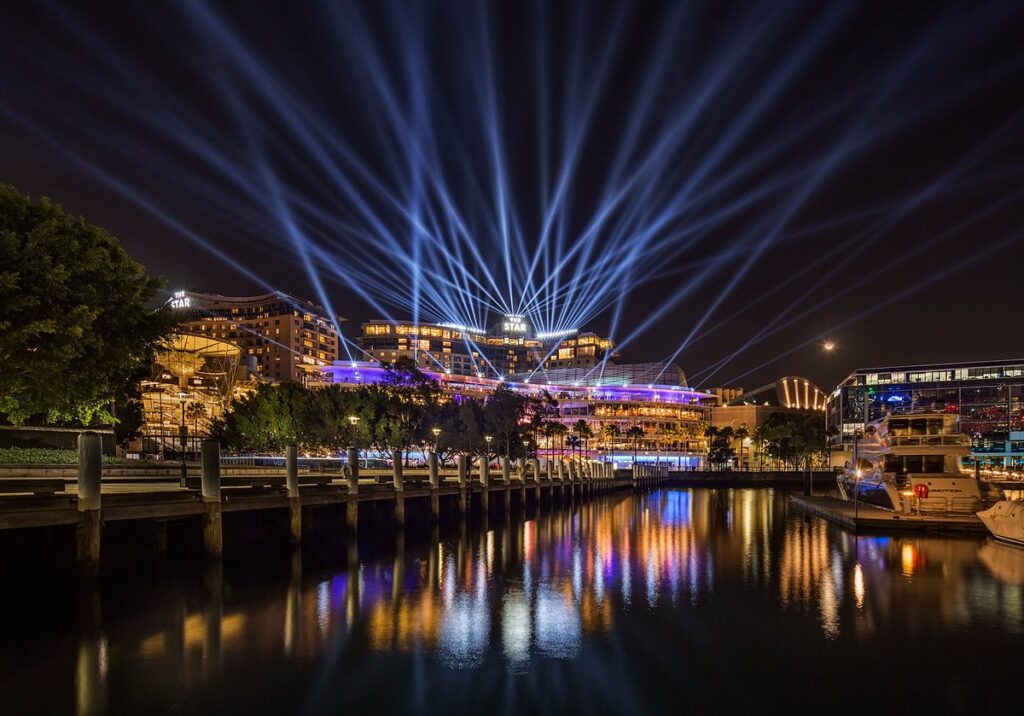
The company said Sydney continued to be affected by regulatory reforms, including mandatory carded play and restrictions on cash use. Total revenue at the property declined 9.3 percent to AU$621.3 million ($444.9 million).
Gold Coast gaming revenue increased 3.2 percent to AU$256.4 million ($183.6 million), supported by a 5.9 percent rise in electronic gaming machine revenue. Table revenue at the property fell 3.5 percent.
Cash position raises going-concern uncertainty
Despite the narrower loss, The Star’s annual report showed that cash and cash equivalents had fallen to AU$192.4 million ($137.8 million) by July 31st, from AU$267.1 million ($191.2 million) at the end of June.
The company said the July cash balance was insufficient to meet its AU$222.3 million ($159.2 million) net current liability position. The group may therefore need to secure additional capital and successfully execute its operating initiatives to remain a going concern.
Group CEO and Managing Director Bruce Mathieson Jnr said the refinancing of The Star’s corporate debt had helped strengthen its balance sheet and left the company with a “strong liquidity position.”
“These achievements have provided greater stability and a stronger foundation for the future,” Mathieson said.
However, the annual report said material uncertainty continues to cast significant doubt on The Star’s ability to remain a going concern. It also disclosed that the group’s transactional banking facilities are currently in place only until September 30th, with discussions underway to secure an extension.
The group’s financial position remains sensitive to the outcome of civil penalty proceedings brought by the Australian Transaction Reports and Analysis Centre (AUSTRAC) over alleged anti-money laundering failures.
AUSTRAC has submitted that an AU$400 million ($286.4 million) penalty would be appropriate. The Star has told the Federal Court that a fine exceeding AU$100 million ($71.6 million), if payable within 12 months, would be challenging based on its available liquidity options.
The company said an unfavorable judgment could leave it unable to continue as a going concern.
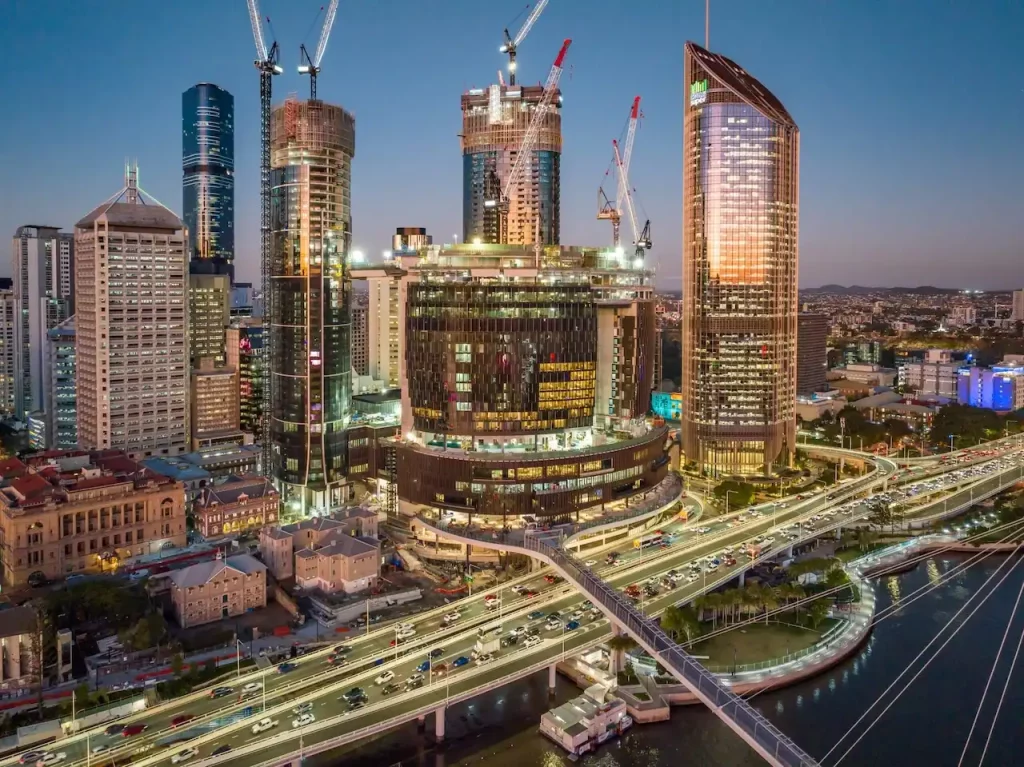
Brisbane reaches record operating run rate
The Star said operating performance at The Star Brisbane continued to improve during the integrated resort’s second year.
Monthly EBITDAM – EBITDA before the operator fee payable to The Star – averaged approximately AU$13 million ($9.3 million) during the latest three months, reaching what the group described as record levels. The measure nearly doubled during the property’s second year under The Star’s management.
Following its exit from the Destination Brisbane Consortium, The Star now receives a fixed annual operator fee of AU$18 million ($12.9 million), plus performance-based incentive fees, to manage the casino resort.
The company also reported improved July trading at its Sydney and Gold Coast properties. Combined revenue reached AU$92.4 million ($66.2 million), up 6 percent year-on-year and 8 percent from the FY26 fourth-quarter monthly average, led by continued slot revenue growth.