
Hong Kong has set a target of increasing the value added of its tourism industry by about 46 percent by 2030, while formally including horse-racing tourism among the products it plans to promote over the next five years.
The city’s first Five-Year Plan for Economic and Social Development, covering 2026 to 2030, estimates that tourism industry value added will rise from HK$86.2 billion ($11.1 billion) in 2024 to HK$126 billion ($16.2 billion) by the end of the period.
Tourism employment is projected to increase from 159,700 people to about 203,000, while non-mainland visitors are expected to account for 40 percent of overnight arrivals by 2030.
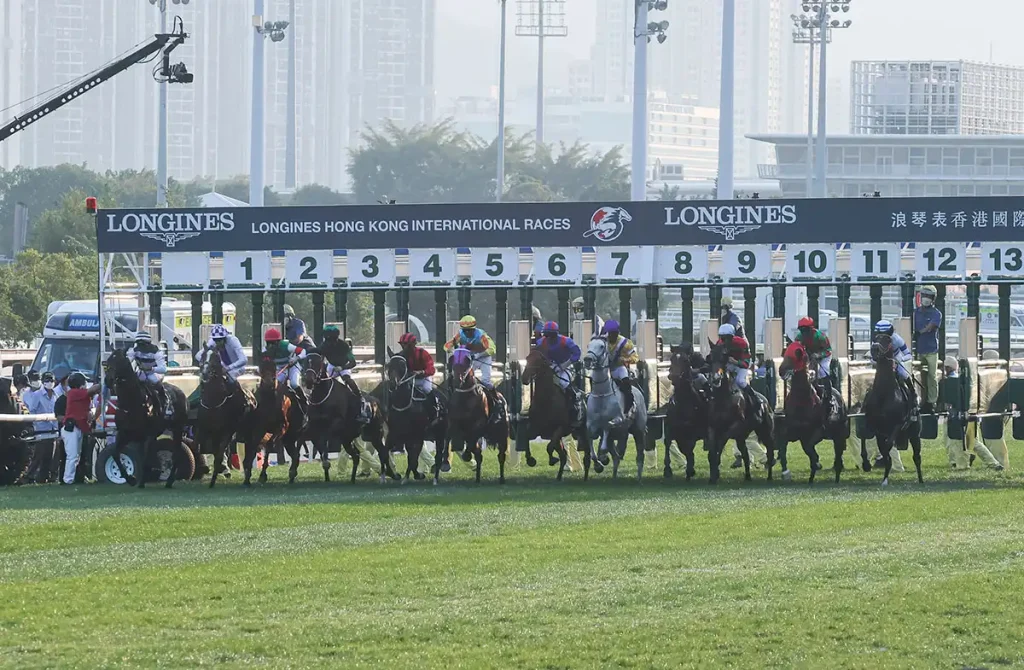
The plan states that Hong Kong will ‘foster horse-racing tourism’ as part of efforts to deepen the integration of culture, sports and tourism. Other priorities include city walks, culinary offerings, flagship events, cruise tourism, island-hopping tours and water sports.
The government also aims to develop Hong Kong as a core demonstration zone for multi-destination tourism, encouraging overseas travelers to extend their itineraries to other Greater Bay Area and mainland Chinese cities. It plans to target established source markets, including the United States and Canada, alongside the Middle East, Southeast Asia and other parts of Europe and Asia.
In July, the HKJC proposed a ‘Two Cities, Three Racecourses’ tourism circuit linking Sha Tin and Happy Valley with its Conghua facility in Guangzhou. The submission also called for the Greater Bay Area to be developed as an international equine industry hub.
The government’s final plan supports horse-racing tourism at policy level but does not specify whether the HKJC’s proposed cross-border circuit will form part of its implementation.