
Australian Prime Minister Anthony Albanese’s gambling advertising reforms are drawing criticism from church leaders, child welfare groups and broadcasters, who told a Senate inquiry the legislation leaves children exposed to betting promotions while imposing costly new obligations on the country’s media sector.
The Environment and Communications Legislation Committee is examining the Interactive Gambling Amendment (Gambling Reform) Bill 2026 and the accompanying National Self-exclusion Register (Cost Recovery Levy) Amendment Bill 2026, both introduced to Parliament on 2nd of July. Submissions closed on 24th of July, and the committee is due to report on 17th of August. The reforms are scheduled to commence on 1st of January 2027 if passed.
The bill caps gambling advertisements at three per hour on free-to-air television between 6am and 8.30pm, bans betting ads during live sports broadcasts within those hours, prohibits gambling advertising at sporting venues and on the uniforms of athletes and officials, bars celebrities and influencers from appearing in gambling promotions, and restricts radio advertising during school drop-off and pick-up periods. Online, wagering ads would be permitted only to logged-in account holders aged over 18, with an opt-out mechanism.
Critics argue the package retreats from the 31 recommendations of the 2023 House of Representatives report “You Win Some, You Lose More,” chaired by the late Labor MP Peta Murphy, which called for a phased three-year ban on all online gambling advertising, a prohibition on inducements, a national gambling regulator and a national public education campaign. The government’s package, first announced on 2 April, omits several of those measures.

Among the sharpest submissions came from the Anglican Dean of Sydney, Sandy Grant, a long-standing gambling-reform campaigner, who questioned how the government could reconcile its child-protection messaging with rules that still permit betting ads around live sport. Grant asked how the prime minister, who has said he is making sure Australian children do not see betting ads everywhere they look, could still regard three gambling ads an hour on television as acceptable, including during pre-game and half-time coverage tied to live matches.
Grant welcomed the ban on gambling advertising on uniforms, at grounds and through celebrity endorsements, but urged Parliament to implement all 31 Murphy recommendations, including the phased advertising ban and the prohibition on inducements. He said Parliament should not put the interests of large gambling and broadcasting companies and sporting codes ahead of public health, and echoed a comparison drawn by prominent anti-gambling campaigner Tim Costello, who has argued that a cap of three cigarette ads an hour aimed at children would never be accepted, so the same logic should apply to gambling.
Children and Media Australia, the national peak body representing children as media consumers, described the legislation as only a first step and warned that children would still face significant exposure to gambling advertising, arguing that only a full ban would adequately protect them. Its submission pointed to evidence that childhood exposure to gambling advertising raises the likelihood of gambling problems in later life, and noted that smartphones and online betting had brought wagering into family homes to a degree unimaginable a generation ago. The group also criticized the failure to prohibit online inducements, warned that young men using sports and gaming apps would continue to be targeted, and questioned why the proposed public education campaign would focus on young men, First Nations Australians and culturally diverse communities but not on children, parents or carers.

Broadcasters raised the opposite concern, warning the bill risks overshooting its objectives. SBS, a hybrid public broadcaster that carries limited commercial advertising, backed stronger restrictions but cautioned that the bill as drafted would amount to a blanket ban on wagering ads across its digital services, because it could not implement the required age-verification technology before the proposed January start date. SBS said its existing self-declared age system on SBS On Demand should satisfy the legislation, arguing that more sophisticated identity checks would be costly, complex and raise privacy concerns. It warned the reforms could strip commercial revenue that helps fund trusted news, current affairs and Australian content, and disadvantage local broadcasters against global digital platforms with established account systems. The broadcaster called for an 18-month implementation period, exemptions for free news websites and protection from liability for gambling content produced by wagering companies.
Free TV, which represents commercial broadcasters including Nine Entertainment, argued the measures would have a material impact on advertising revenue supporting free services used by millions, while imposing significant compliance costs on online platforms.
Albanese has defended the government’s approach, telling the ABC on 3rd of July that the legislation represented a comprehensive approach and the right balance between doing nothing and a full ban. He said he was not against someone having a punt on a Saturday and pointed to poker machines, which are regulated by state governments, as the main driver of gambling harm, adding that he believed the government had gone far enough.
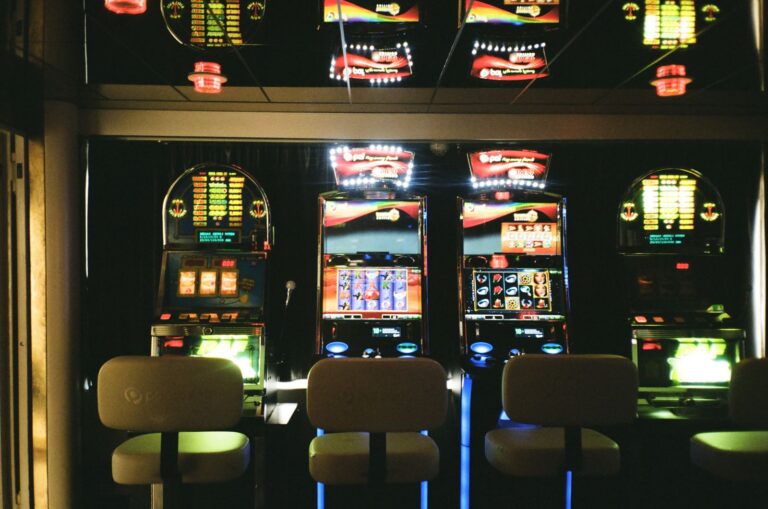
Australians lose more per capita on gambling than any other nationality, with losses forecast at roughly AU$34 billion ($22.4 billion) last year. The bill has drawn opposition from the Coalition, the Greens and crossbench senators, several of whom say it falls short of the Murphy recommendations, raising the prospect that its passage could be delayed or amended following the committee’s report.